Concours de subventions de recherche 2 (RGC2) : Le GCBC attribue 13,4 millions de livres sterling en subventions de l’APD britannique pour la recherche de solutions naturelles au changement climatique et à la réduction de la pauvreté.

Le RGC2 attribue 18 nouvelles subventions pour des projets d’une valeur de 13,4 millions de livres sterling. d’une valeur de 13,4 millions de livres sterling sur le thème : « Stimuler l’innovation dans la façon dont la biodiversité peut soutenir la résilience climatique et les moyens de subsistance durables par le biais de la pratique et de la gouvernance ».

Les demandes initiales de notes conceptuelles pour le deuxième concours de subventions de recherche GCBC (RGC2) ont été au nombre de 507, émanant de partenaires de mise en œuvre principaux dans 60 pays éligibles à l’APD du Royaume-Uni. Cette réponse a plus que triplé les 155 demandes soumises pour la première série de subventions en 2023. À partir des notes conceptuelles initiales, 56 demandes ont été sélectionnées pour soumettre des propositions complètes.

Les subventions ont été attribuées sur la base de plusieurs critères, notamment la contribution des demandes au contexte du thème RGC2. Il s’agissait d’évaluer la compréhension des candidats sur la manière dont le fait de combler les lacunes dans les preuves du potentiel des solutions basées sur la nature en utilisant des espèces moins utilisées (plantes, animaux, insectes, champignons, arbres, etc.) peut contribuer à.. :

  • améliorer les moyens de subsistance des pauvres en améliorant la résilience au changement climatique ;
  • répondre aux demandes de ressources ou de serviceset
  • la protection et la conservation des connaissances traditionnelles et de la biodiversité.

Il est essentiel de combler ces lacunes en matière de données probantes pour trouver des approches innovantes permettant d’orienter la pratique et la gouvernance.

Le changement climatique, la perte de biodiversité et la pauvreté sont trois des défis les plus urgents auxquels le monde est confronté aujourd’hui et sont fondamentalement liés. Le changement climatique, dû à l’activité humaine, a des répercussions de plus en plus importantes et négatives sur les populations et l’environnement naturel. La perte de biodiversité, qui résulte également de l’activité humaine, entraîne la dégradation des paysages et des sols et accroît l’insécurité alimentaire. La présente exacerbe le risque climatique en réduisant la résilience des écosystèmes naturels et gérés. Malheureusement, les personnes vivant dans la pauvreté sont souvent les plus vulnérables et les moins à même de réagir aux effets du changement climatique et de la perte de biodiversité.

En travaillant en partenariat avec des scientifiques, des instituts de recherche et des praticiens du monde entier, le GCBC cherche à développer une recherche innovante et des approches évolutives pour la conservation et l’utilisation durable de la biodiversité. Cela aura un impact sur la résilience des écosystèmes face au changement climatique, en stoppant et en inversant la perte de biodiversité, en contribuant à la réduction de la pauvreté et en aidant les pays à atteindre un avenir favorable à la nature. Le GCBC est financé par la Ministère britannique de l’environnement, de l’alimentation et des affaires rurales travailler en partenariat avec DAI en tant que gestionnaire principal du fonds et Jardins botaniques royaux, Kew en tant que responsable scientifique stratégique.

Les 18 projets attribués dans le cadre de RGC2 seront mis en œuvre dans 16 pays du Sud éligibles à l’APD britannique, sept pays d’Amérique latine (y compris d’Amérique centrale) et des Caraïbes (Brésil, Colombie, Équateur, République dominicaine, Guatemala, Panama, Pérou), six pays d’Afrique subsaharienne (République démocratique du Congo, Éthiopie, Ghana, Kenya, Tanzanie, République du Congo) et trois pays d’Asie du Sud-Est et du Pacifique (Cambodge, Indonésie, Viêt Nam).

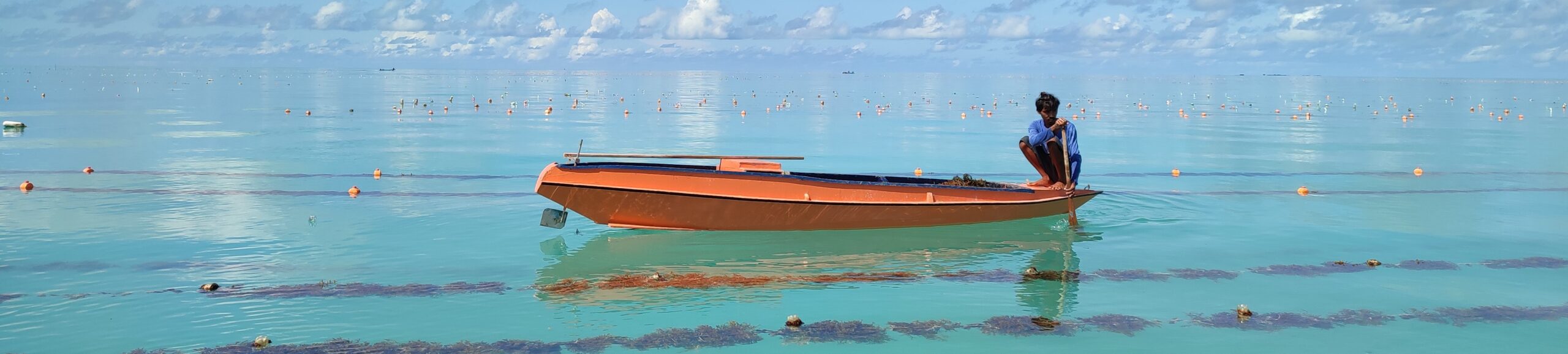
Onze des projets du RGC2 couvrent de vastes domaines thématiques : Agroforesterie, approches communautaires, gestion intégrée des terres et de l’eau et restauration des forêts. Sept projets couvrent des domaines de recherche plus spécifiques : Restauration des herbiers marins ; marchés du carbone ; banques de semences biodiversifiées ; restauration des mangroves ; tourbières ; utilisation des terres (au niveau du paysage) ; et espèces sous-utilisées pour la restauration des sols.

« Cette nouvelle série de 18 projets divers et innovants représente une consolidation du « Centre mondial sur la biodiversité pour le climat » en tant que programme phare de R&D de l’APD du Defra.Ces nouveaux projets confirmeront la réputation grandissante du GCBC en matière de production de données probantes de haute qualité sur l’utilisation efficace et durable de la biodiversité pour la résilience climatique et l’amélioration des moyens de subsistance ». a déclaré le professeur Gideon Henderson, conseiller scientifique en chef du ministère britannique de l’environnement, de l’alimentation et des affaires rurales.

« En tant que responsable de la gestion du fonds, la DAI est ravie de poursuivre sa relation avec le Defra et surtout d’accueillir les candidats retenus qui rejoignent le portefeuille de projets du GCBC pour la prochaine phase de développement du programme. Grâce à ce cycle de projets, nous continuerons à soutenir les scientifiques, les universitaires et les instituts de recherche qui s’efforcent de renforcer les capacités, d’accroître la collaboration, de réaliser des projets à fort impact et de partager l’apprentissage sur le lien entre la biodiversité, le climat et les moyens de subsistance. qui auront un impact sur la résilience des écosystèmes au changement climatique, sur l’arrêt et l’inversion de la perte de biodiversité et sur la réduction de la pauvreté », a déclaré Luqman Ahmad, vice-président principal de la DAI. a déclaré Luqman Ahmad, premier vice-président de la DAI.

« En tant que responsable scientifique stratégique, les Jardins botaniques royaux de Kew se félicitent également des nouveaux projets qui viennent s’ajouter à un portefeuille de projets en pleine expansion. Les nouvelles preuves, données et connaissances concernant les pressions et les moteurs, les solutions et les catalyseurs pour les différents thèmes des concours de subventions soutiendront l’adoption d’approches systémiques pour s’attaquer au lien entre le climat, la biodiversité et les moyens de subsistance. En comprenant et en gérant les interactions complexes entre la science, la société et les multiples systèmes en interaction à travers les échelles temporelles et spatiales, il sera possible de recommander des approches orientées vers les solutions pour un changement transformateur dans différents secteurs et régions ». a déclaré le professeur Monique Simmonds, directrice adjointe des sciences (partenariats) aux Jardins botaniques royaux de Kew.

Les 18 projets financés par le CGR2 :

Évaluation des crédits carbone en tant que mécanisme de financement durable pour les forêts participativest gestion participative des forêts en Tanzanie – Bénéficiaire principal : Université d’agriculture de Sokoine, Tanzanie (Pays : Tanzanie)

La biodiversité au service de la résilience climatique et sociale : Autonomisation des communautés côtières dans les pratiques de production durable en Équateur – Bénéficiaire principal : Escuela Superior Politecnica del Litoral – ESPOL, Équateur (Pays : Équateur)

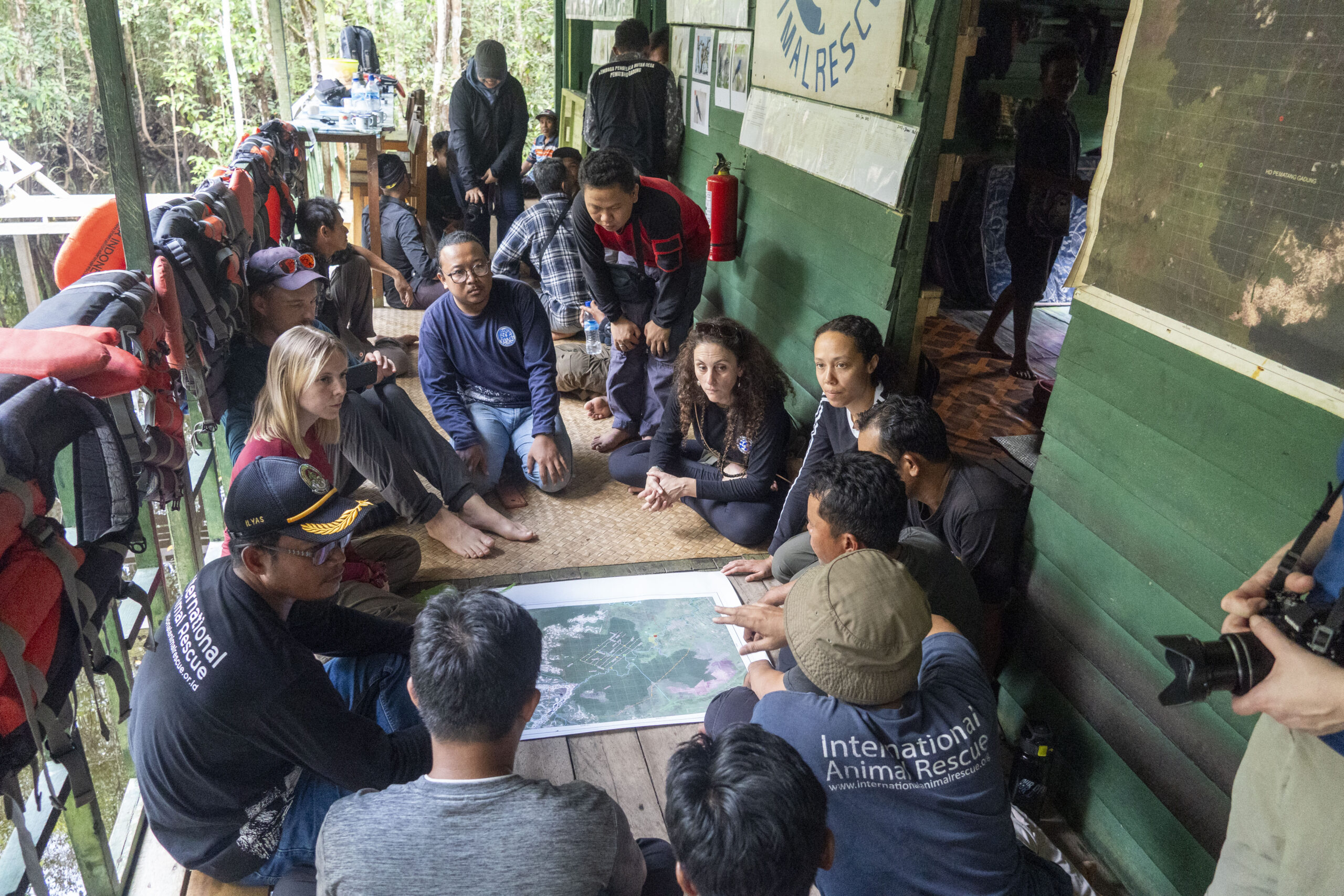
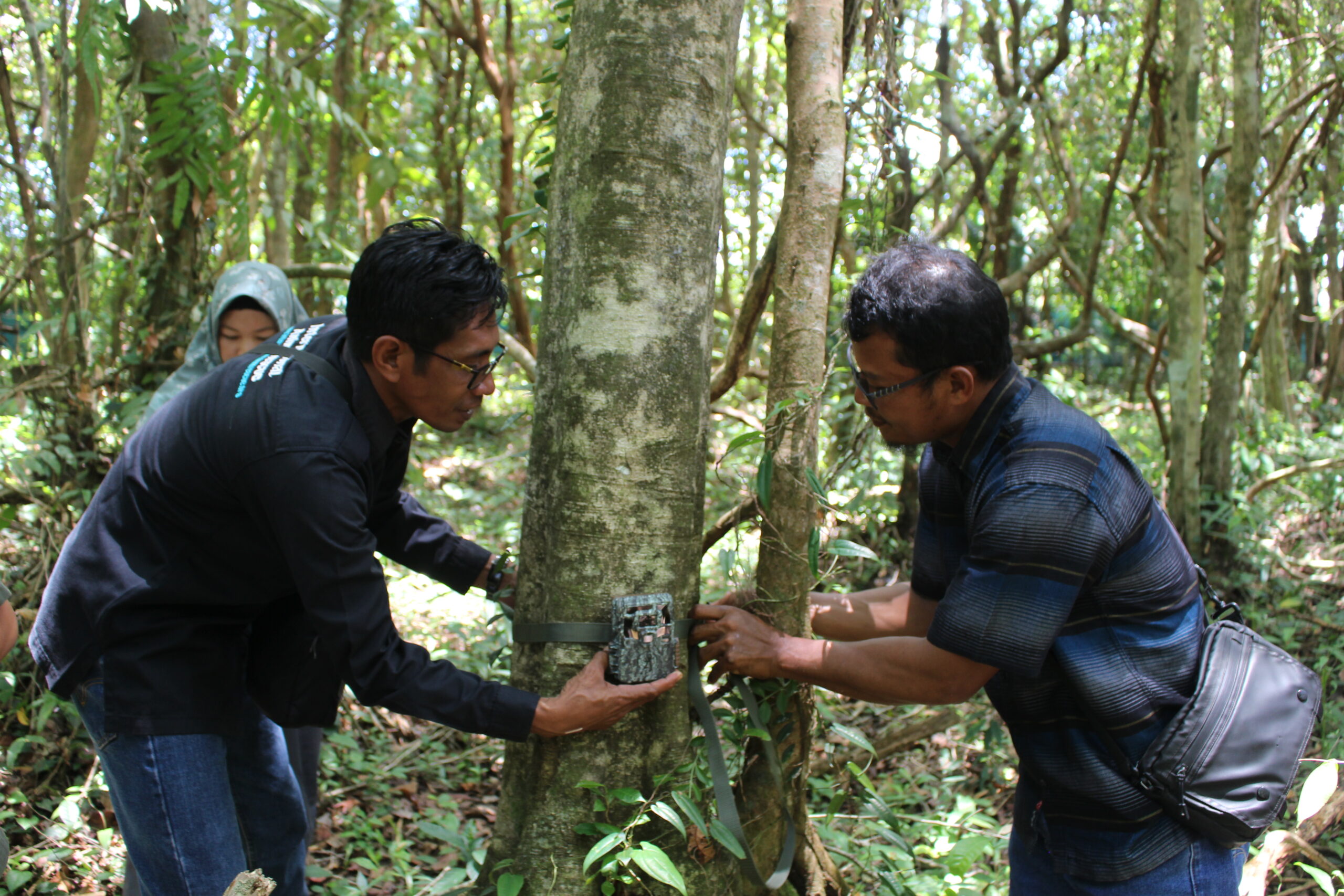
La science de la biodiversité au service de la conservation communautaire des forêts locales menacées à Tompotikaà Tompotika, dans le Sulawesi central : Protection de la biodiversité, des services écosystémiques et des moyens de subsistance locaux résistants au climat – Bénéficiaire principal : Jardin botanique du Missouri (MBG), États-Unis (Pays : Indonésie) Potentiel de la biodiversité pour des moyens de subsistance résilients dans le Lower Omo, en Éthiopie – Bénéficiaire principal : Université de Leeds, Royaume-Uni (Pays : Éthiopie)

BREL-Borneo : Avantages de la restauration de la biodiversité pour les écosystèmes et les moyens de subsistance à Bornéo – Bénéficiaire principal : Royal Botanic Garden Edinburgh, Royaume-Uni (Pays : Indonésie) Catalogage et évaluation des opportunités pour les espèces latéralisées dans la restauration des sols dégradés par l’agriculture en Afrique subsaharienne (CARREFOUR-SSA) – Bénéficiaire principal : Université d’Aberdeen, Royaume-Uni (Pays : Éthiopie)

Création d’une banque interculturelle de semences biodiversifiées avec les indigènes « .Resguardo Puerto Naranjo » pour renforcer les efforts de restauration et de conservation dans les zones dégradées de l’Amazonie colombienne. – Bénéficiaire principal : Fundación TropenbosColombie (Pays : Colombie)

EMBRACE : Engager les communautés locales dans l’utilisation des cultures mineuresspour la conservation de la biodiversité et l’enrichissement conservation de la biodiversité et l’enrichissement des moyens de subsistance – Bénéficiaire principal : Conseil pour la recherche scientifique et industrielle – Institut de recherche sur les cultures (CSIR-CRI), Ghana Research Institute (CSIR-CRI), Ghana (Pays : Ghana et Kenya)

Permettre une restauration forestière à grande échelle et résistante au climat en Amazonie orientale – Bénéficiaire principal : Université de Lancaster, Royaume-Uni (Pays : Brésil) Explorer les voies de l’utilisation durable des terres pour les écosystèmes, la sécurité alimentaire et la réduction de la pauvreté : opportunités pour le programme indonésien sur les domaines alimentaires – Bénéficiaire principal : Université du Sussex, Royaume-Uni (Pays : Indonésie)

Restauration des forêts sur les terres indigènes : Restauration de la biodiversité pour de multiples services écosystémiques, la résilience des communautés et la durabilité financière par le biais de stratégies et d’incitations locales. – Bénéficiaire principal : Institut de recherche tropicale Smithsonian, Panama (Pays : Panama)

Gestion intégrée des terres et de l’eau dans la région de l’Amanzule Amanzule d’Amanzule – Bénéficiaire principal : Université de l’éducation, Winneba, Ghana (Pays : Ghana)

NATIVE : Gestion durable des paysages fluviaux pour des communautés riveraines résilientes – Bénéficiaire principal : Université de Lincoln, Royaume-Uni (Pays : Colombie et République dominicaine)

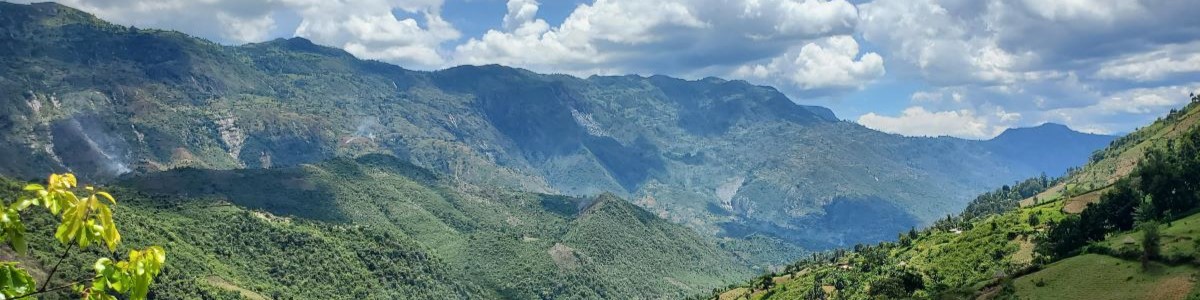
Solutions basées sur la nature pour la résilience climatique des collectivités locales et régionales Indigènes au Guatemala – Bénéficiaire principal : Université de Greenwich, Royaume-Uni (Pays : Guatemala)

Realisle potentiel des bioressources végétales comme nouvelles opportunités économiques pour l’Amazonie équatorienne : développer une bioindustrie durable et résistante au climat – Bénéficiaire principal : Universidad Tecnica Particular de Loja, Équateur (Pays : Équateur)

Reconnaître et récompenser la contribution des savoirs autochtones à la gestion durable de la biodiversité – Bénéficiaire principal : Wildlife Conservation Society (WCS), États-Unis (Pays : Cambodge) TRIALS : Traduire la recherche en action pour les moyens de subsistance et les herbiers marins : Établir établir une base scientifique pour la restauration des herbiers marins et le potentiel de carbone bleu, avec le développement de moyens de subsistance durables pour les communautés côtières du centre du Vietnam. – Bénéficiaire principal : WWF-UK, Royaume-Uni (Pays : Vietnam)

Utiliser la biodiversité pour soutenir les moyens de subsistance résistants au climat dans les tourbières tropicales intactes – Bénéficiaire principal : Jardins botaniques royaux, Kew, Royaume-Uni (Pays : Pérou, République du Congo et République démocratique du Congo)


Crédit photo (détail) : Laitche


Biodiversity for Climate and Social Resilience: Empowerment of Coastal Communities in Sustainable Production Practices in Ecuador

Project Summary

Countries: Ecuador

Principle Investigator: Professor Julia Nieto Wigby, ESPOL

Project Description

The project aims to mitigate climate change by enhancing mangrove health, reducing human impact, and increasing fishing communities’ resilience while providing fair alternative incomes. Innovative techniques and approaches are applied to improve environmental, climate and social resilience along with novel finance solutions.

This involves: a) Ecosystem recovery – evaluating trophic structure recovery through habitat restoration strategies such as cultured black cockle (BC) restocking and red mangrove afforestation; b) Ecosystem protection – offering alternative livelihoods to reduce fishing pressure on natural banks by transferring technical mariculture capacities to fisher communities, along with environmental education and social empowerment for inclusive community governance systems; and c) Valorisation – internalising ecosystem services to determine real BC extraction and trade costs, and functional ecology valuation.

Communities will use key information to demand national policies to protect their territories and livelihoods.

Photograph (detail): Diego Tirira

Kaboni kwa Misitu Yetu: Assessing Carbon Credits as a Sustainable Funding Mechanism for Tanzanian Village Forests

Project Summary

Countries: Tanzania

Principal Investigator: Dr. Kajenje Magessa, Lecturer, Researcher and Consultant in policy and natural resources governance, Department of Forest Resources Assessment and Management, College of Forestry, Wildlife and Tourism (CFWT), Sokoine University of Agriculture (SUA). 

Kaboni Kwa Misitu Yetu is evaluating the economic, social and governance feasibility of accessing carbon markets to help sustainably manage village forests in Tanzania.

Challenge

Villages manage nearly half of all forests in Tanzania but are struggling to ensure management is economically and socially sustainable. Potentially, selling carbon credits could provide vital revenues and there are some high-profile examples of Tanzanian villages accessing carbon finance.

However, the feasibility of accessing these funds is untested for most village forests: considerable economic, social, technical and governance challenges must be surmounted if this approach is to be scalable across the country. Capacity needs to be built in communities, districts and at the national level and the experiences of villages already benefitting from carbon finance need to be shared widely so that more communities can make well informed decisions about whether and how to participate in carbon markets.


Insight

To address these challenges, we are working with communities who have expressed an interest in accessing carbon markets.

We will;

• Evaluate the economic and social viability of carbon finance for village forests;
• Assess the capacity and governance needs of communities and other stakeholders;
• Assess the potential for carbon revenues from sustainably managing village forests;
• Organise peer-peer exchanges to promote learning between villages engaged in carbon markets, and those interested in engaging;
• Recommend how national and international policy should develop to help villages capture the global benefits generated by their forest management.

Collaboration

The project is led by researchers from Sokoine University of Agriculture, working closely with communities from five Village Land Forest Reserves as well as experts from Tanzania’s National Carbon Monitoring Centre and Bangor University, Wales, UK.


We aim to evaluate the viability of carbon credits as a source of funding for Tanzanian village forests, and build stakeholders’ capacity to make informed decisions about how to harness carbon markets to combat climate change, safeguard biodiversity, and alleviate poverty in Tanzania’s forested areas.

Dr Kajenje Magessa, Principal Investigator, Sokoine University of Agriculture.

Discover More

Dr Kajenje Magessa

Dr Kajenje Magessa is a distinguished social scientist primarily focused on forests and their role in sustainable development. She has an extensive background in empirical research, across a range of topics including Participatory Forest Management, policy analysis, natural resource governance and the socio-economic impacts of conservation on rural livelihoods. Prior to her current role Dr. Kajenje served as a research officer at Tanzania Forestry Research Institute for more than a decade and has been a visiting lecturer at the University of Göttingen in Germany and Bangor University in the United Kingdom.


Photograph (detail): Laitche

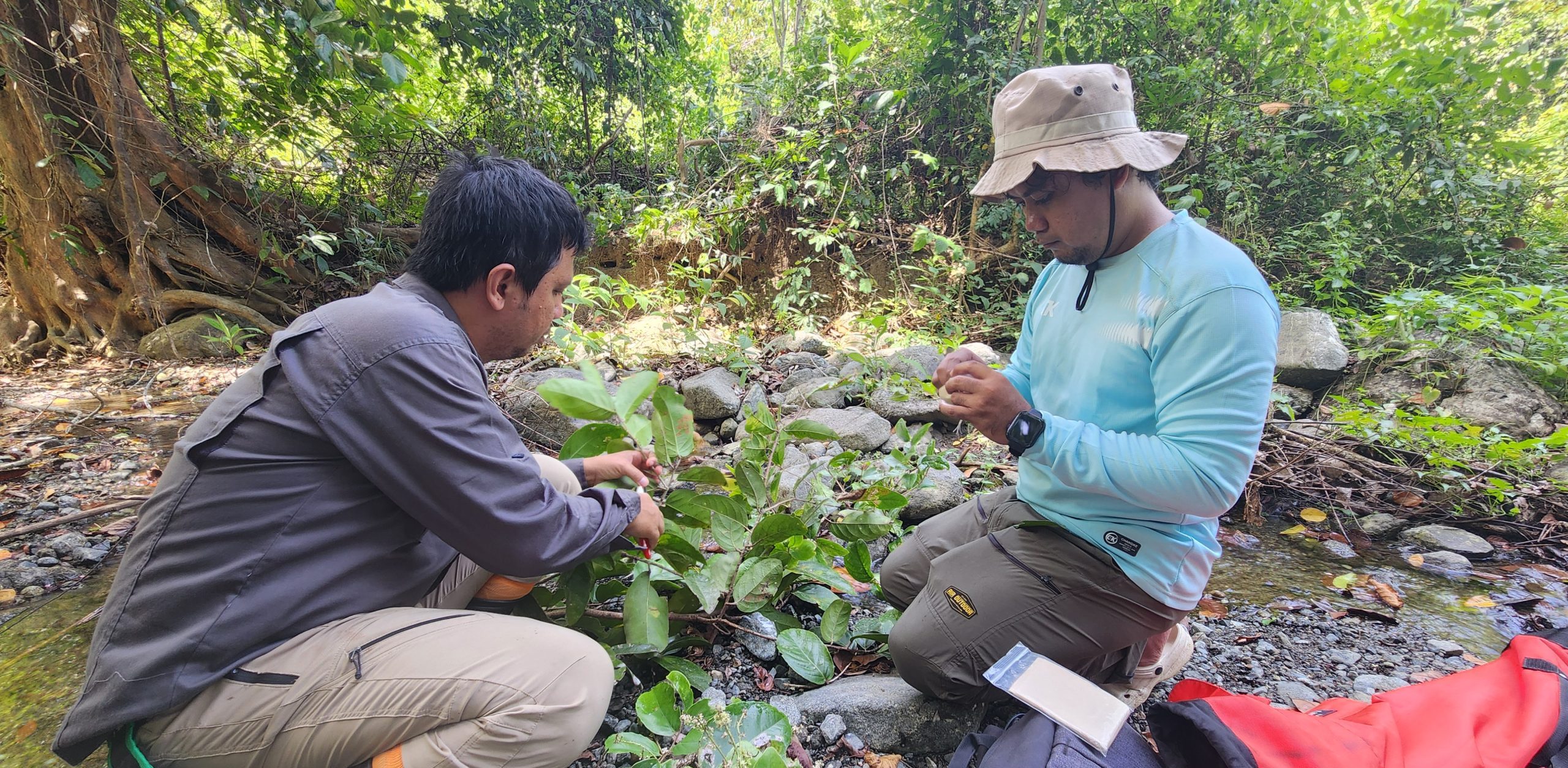
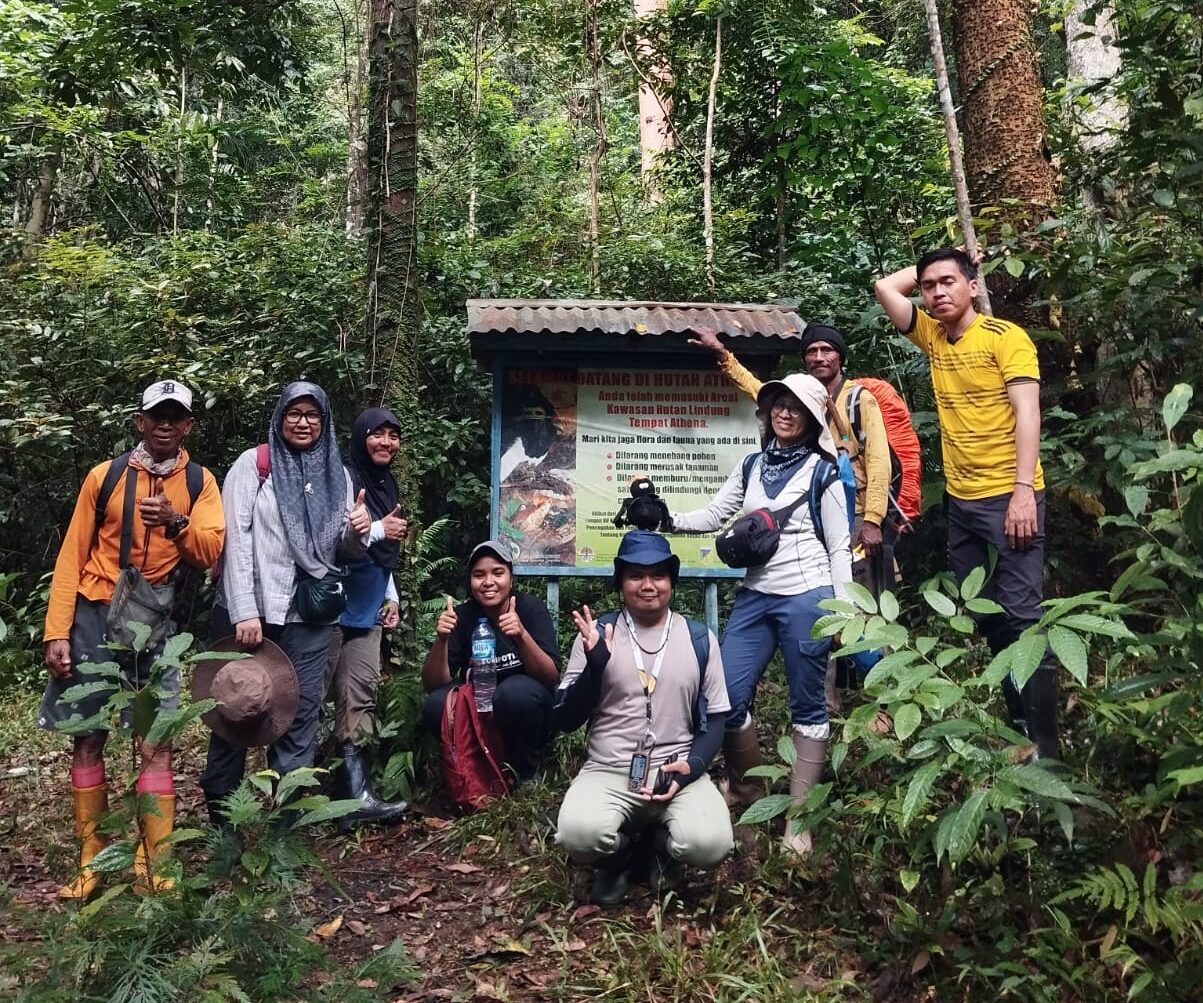
DICOT: Biodiversity Science in Support of Community-led Conservation of Threatened Forests in Tompotika, Central Sulawesi: Protecting Biodiversity, Ecosystem Services, and Climate Resilient Local Livelihoods

Project Summary

Countries: Indonesia

Principal Investigator: Dr Carmen Puglisi, Missouri Botanical Garden, Dr. Kate Farley, Missouri Botanical Garden- CoPI, Dr. Laura Toro, Missouri Botanical Garden- CoPI

Contact: cpuglisi@mobot.org

DICOT works to empower the communities of the Tompotika Peninsula in Central Sulawesi to protect their forests from nickel mining concessions and enhance their nature-based livelihoods.


Challenge

The Tompotika Peninsula in Central Sulawesi is one of Indonesia’s most biodiverse regions. Despite the ecological importance of the Peninsula, scientific information remains limited constraining efforts to implement evidence-based conservation and to align local conservation efforts with national frameworks such as the Indonesian Biodiversity Strategy and Action Plan (IBSAP). Besides, the biodiversity of the Peninsula is under imminent threat from nickel mining and agricultural expansion.

These activities are threatening the integrity of forest ecosystems and have also resulted in the gradual reduction of the suitable habitat of the maleo bird (Macrocephalon maleo), an endangered and endemic bird species of Sulawesi that has been internationally recognized as a conservation priority by the International Union for Conservation of Nature (IUCN).


Insight

To ensure the protection of the biodiversity of Tompotika, the DICOT team will:

  • Characterise the plant biodiversity through botanical inventories, species extinction assessments, climate modeling, and ecosystem services mapping.
  • Document traditional ecological and biocultural knowledge to prioritise climate resilient species that support livelihoods and provide important ecosystem services.
  • Establish a community-run plant nursery for cultivation of selected plant species.
  • Disseminate the knowledge acquired with local, regional, and international stakeholders through community education and outreach as well as scientific publications and presentations.

Through a combination of biodiversity science and capacity building, this work will support the collaborative development of conservation proposals and promote the sustainable cultivation of economically important plant species to alleviate poverty and support climate resilience for the communities of Tompotika.


Collaboration

DICOT is an international partnership that brings together local people, non-profits, and national and international research institutions, and an interdisciplinary team of experts in plant diversity, ecology, conservation, and anthropology based in Indonesia, Germany, and the United States.

With this project, we will help the local communities of Tompotika protect their forests, livelihoods, and traditional knowledge. More importantly, we hope to engage and inspire the younger generation to become advocates for plant diversity and conservation.

Dr. Carmen Puglisi, Missouri Botanical Garden, USA

Dr. Carmen Puglisi

Dr. Carmen Puglisi is a plant taxonomist that specialises in the systematics of ebonies and gesneriads of Southeast Asia. She worked in the UK and Singapore before becoming the Curator of the Asian herbarium collection at the Missouri Botanical Garden in 2023. Dr. Puglisi is passionate about plant diversity, herbaria, and the training of the next generation of plant taxonomists in Southeast Asia.


Photo Credits 1 & 2: First expedition to the Heart of Tompotika, photo taken by M. Isfandri.

Header Image Enrico Kumesan


Biodiversity Potential for Resilient Livelihoods in the Lower Omo, Ethiopia

Project Summary

Countries: Ethiopia

Delivery Partner: University of Leeds

Project Partners: Arba Minch University, Cool Ground

Principle Investigator: Dr Marta Gaworek-Michalczenia, University of Leeds

Project Description

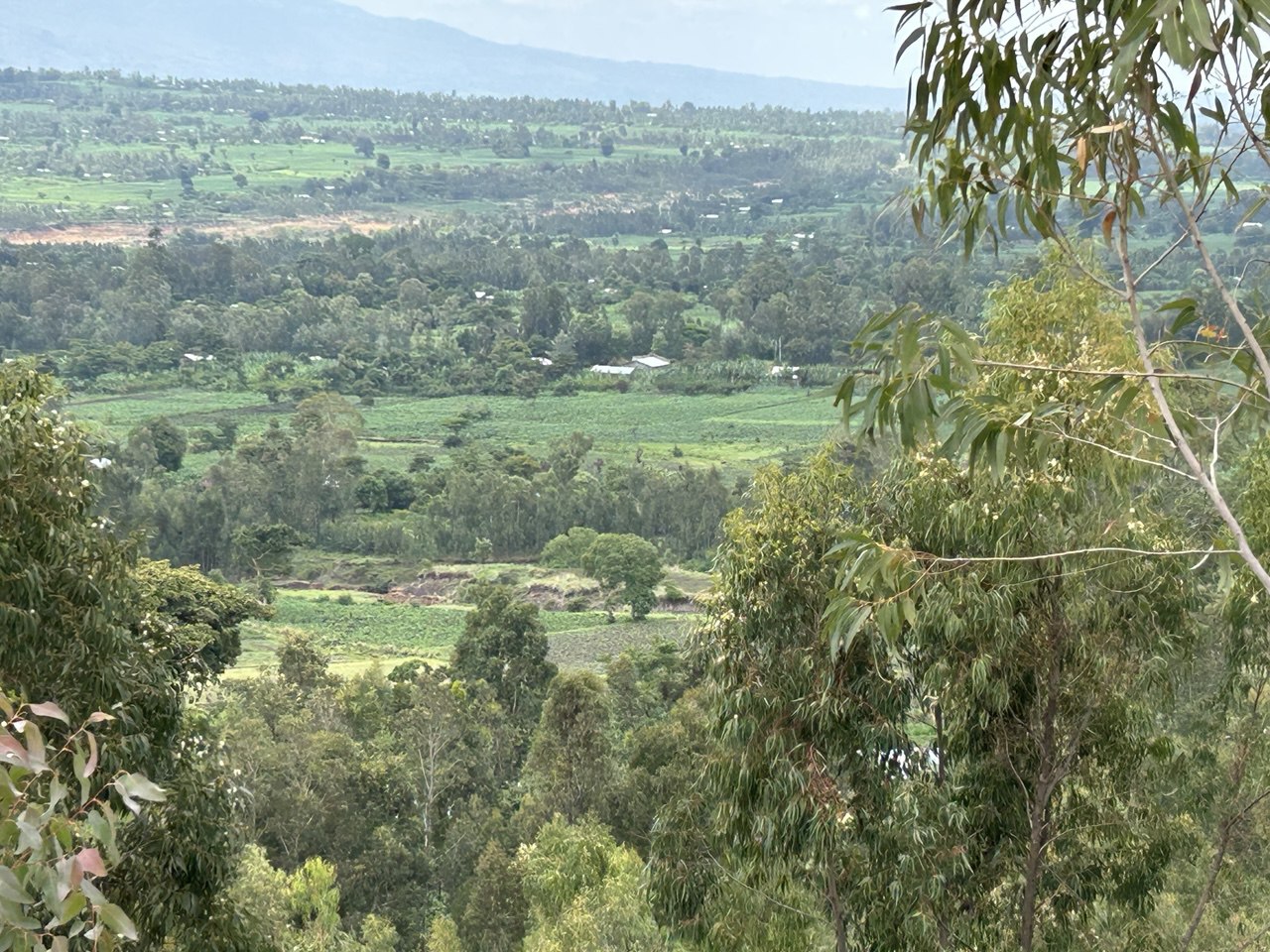
The project will fill knowledge gaps and elucidate the potential for biodiversity to contribute to and improve livelihood security, adaptation to climate change, and resilience in Ethiopia’s new Tama Community Conservation Area (CCA), where there is a data paucity to manage from.

As the local communities hold rich traditional ecological knowledge, the project will combine systemic biodiversity monitoring with ethnobotany and ethnozoology qualitative data, to address the biodiversity-livelihoods knowledge gap. Datasets will then be input into population models with climate projections to explore future change in biodiversity and thus livelihoods.

The project will co-create management plans for the CCA with its staff, making them climate-resilient. Throughout all activities, capacity building will take place for continuing biodiversity monitoring and resilience assessment by CCA staff through linkages with AMU, so that the CCA can practice evidence-informed adaptive management in the future.

The main impact is to improve social-ecological resilience for beneficiaries in the Mursi, Bodi, Bacha, and Aari communities. The project will contribute to outcomes across the following strategic science principles – creating wide participation to support capacity building for the CCA and communities through robust data collection, sharing best practices and demonstrating what works to inform policy in the Tama CCA, but also other CCAs to inform their sustainable management.

Photograph (detail): Rod Waddington

BREL-Borneo: Benefits of Biodiverse Restoration for Ecosystems and Livelihoods in Borneo

Project Summary

The BREL project aims to enhance forest restoration in Kalimantan by increasing the use of under-utilised tree species through innovative research, stakeholder engagement, and digital planning and monitoring tools, enhancing biodiversity, climate resilience, and community livelihoods.

Challenge

Species choices in existing restoration efforts have not been systematically documented and compared to the known native species diversity to assess gaps, and understanding of the current and potential species’ functional traits and resilience under future climates remains unknown. There is also a lack of knowledge on how under-utilised species can promote sustainable livelihoods as part of restoration activity through facilitating access to species with trade and utility value. This hampers further development of a bespoke and diverse species pool for use in Kalimantan lowland forests. There is introduced legislation to support the production and use of quality planting material in forest restoration, but implementation remains focused on a limited number of tree species.


Insight

Using a multi-disciplinary approach, we will produce novel protocols to optimise restoration outcomes through selection of resilient plant communities which will support climate change mitigation and suit local socio-ecological contexts across lowland forests of Kalimantan.
We aim to:
  • Publish a policy brief identifying key gaps in tree diversity (species, functional, economic) used in restoration and agroforestry when compared to the native tree flora, and analysing their impact on productivity and resilience in Kalimantan.
  • Create new knowledge of species-site matching for diverse landscape contexts and land use objectives in a changing climate, released in the Diversity for Restoration tool with bespoke content for Kalimantan.
  • Release the MyFarmTree app for Kalimantan to address bottlenecks in incorporating under-utilized species into seed and seedling supply chains and streamline the adoption of innovations in germplasm supply.
  • Validate rapid/remote surveys for plant biodiversity metrics, to achieve efficient plant biodiversity monitoring methodology and demonstrate route to full Biodiversity Credit Certification for a selected site as a pilot.
  • Disseminate decision support tools and new knowledge resources to enhance plant biodiversity in restoration efforts across Kalimantan, and link to existing seed supply chain infrastructure.
  • Create new partnerships and joint infrastructure established for long-term enhancement and monitoring of plant biodiversity in restoration and associated livelihood benefits.

Collaboration

The BREL project team brings together a blend of applied research and community-based expertise to enhance forest restoration in Kalimantan. Led by the Royal Botanic Garden Edinburgh, the consortium includes the Indonesian institutions BRIN, IPB, and YTAN, alongside international partners Bioversity International, UKCEH, the University of Aberdeen, and Plan Vivo Foundation. Their combined strengths span taxonomy, forest ecology, climate modelling, germplasm supply, biodiversity monitoring, and socio-economic development. Together, these partnerships form a robust foundation for scalable, inclusive, and climate-resilient forest restoration.


Conservation can only succeed when the local context is understood and incorporated – our aim is to enable enhanced species choices in restoration projects which benefit both communities and biodiversity.

Dr Mark Hughes, Royal Botanic Garden, Edinburgh

Dr Hughes is Taxonomy Research Leader at the Royal Botanic Garden Edinburgh, with over 20 years research experience. His research focuses on better understanding the globally important plant diversity of the region and the threats it is facing, and using this knowledge to support meaningful and sustainable conservation action, with a particular focus on economically and ecologically important plants.


Header photograph (detail): Shahibul Anwar

CROSSROADS-SSA: Cataloguing and Rating of Opportunities for Side-lined Species in Restoration of Agriculturally Degraded Soils in Sub-Saharan Africa

Project Summary

Countries: Ethiopia

Delivery Partner: The University of Aberdeen

Project Partners: International Water Management Institute, Hawassa University (HU) Central Ethiopia Agricultural Research Institute (CEARI)

Contact: jo.smith@abdn.ac.uk

We will catalogue and test use of “side-lined” or “underutilised” native plants to restore degraded soils in Ethiopia, characterising impacts on biodiversity, poverty alleviation, and climate adaptation and mitigation.

Challenge

Ethiopia faces the urgent challenge of restoring soil health while strengthening biodiversity, climate resilience and rural livelihoods. Despite the wealth of underutilized plant species in Ethiopia, such as drought-tolerant local crops, resilient perennials, nutrient-enhancing legumes, and bank-stabilizing vegetation, their potential remains largely untapped. Harnessing these species requires transformative land management that integrates indigenous practices with modern science.

The challenge is to build tools that capture traditional knowledge, new measurements and systems-based insights into soil, water, food, climate and farmer wellbeing. These tools must be adaptable, practical and co-designed with smallholder farmers, who are the primary agents of change, ensuring solutions are attractive, usable and widely disseminated. At the same time, policymakers need concise, actionable information to enable supportive frameworks. Achieving this integration across diverse stakeholders will determine whether Ethiopia can pioneer scalable approaches to soil restoration and resilience, offering lessons applicable across Sub-Saharan Africa.


Insight

Our project addresses the challenge of restoring soil health in Ethiopia by systematically cataloguing and characterising underutilised plant species with proven potential across Sub-Saharan Africa. Through systematic review, meta-analysis and systems modelling, we will build a comprehensive catalogue of species, enriched by community engagement in the Bilate catchment to ensure local relevance. Laboratory and field studies will then characterise their impacts on soil health, water retention, erosion control, crop productivity, climate adaptation, biodiversity and livelihoods. This integrated approach combines scientific expertise in microbial and plant diversity, dynamic simulation modelling, and socio-economic analysis with traditional knowledge and farmer perspectives.

The expected impact is a set of co-designed tools and dissemination methods, ranging from mobile apps and decision-support systems to paper-based formats in local languages, that empower smallholder farmers and inform policymakers. By evaluating dissemination strategies and framing training toolkits, we aim to ensure uptake and sustained use. Insights gained to date highlight the importance of combining indigenous practices with scientific studies and modelling to capture system-wide interactions between soil, water, biodiversity and livelihoods. This participatory, systems-based approach will generate scalable solutions for soil restoration and resilience, with lessons applicable across Sub-Saharan Africa.


Collaboration

The project is led by the University of Aberdeen, bringing multidisciplinary expertise across soil science, biodiversity, economics and climate resilience. Jo Smith (soil modelling) and Georgios Leontidis (machine learning) contribute to cataloguing under-utilised species, while Hawassa University contribute expertise in conservation and community engagement (led by Awdenegest Moges). From the University of Aberdeen, Paul Hallett (soil health, erosion), David Burslem (tropical biodiversity), Cecile Gubry Rangin (microbial ecology), Pete Smith (global change) and Euan Phimister (rural economics) bring expertise to characterise impacts on soil health, biodiversity, climate resilience and livelihoods.

Work led by Wolde Bori (International Water Management Institute) adds strengths in soil stabilisation, hydrology, irrigation, food production and gender inclusion. Getahun Yakob (Central Ethiopia Institute of Agricultural Research, Ethiopia), brings expertise in agroforestry and soil management, supporting field sites, and leading dissemination and community engagement. Together, these partnerships ensure robust, interdisciplinary delivery and impact.

For years we have focussed on using organic wastes to increase soil organic matter. This often doesn’t work because households have other pressing needs for organic wastes, such as energy provision or building. By drawing on under-utilized plants, we open up new ways to improve soil health, benefitting the community by increasing crop production and climate resilience, while also promoting the unique biodiversity of these rich ecosystems.

Prof Jo Smith, University of Aberdeen


Professor Jo Smith

Jo Smith is Professor of Soil Organic Matter and Nutrient Modelling at the University of Aberdeen, specialising in systems modelling and sustainable land management. She has extensive experience leading interdisciplinary projects on agriculture, climate resilience and ecosystem services, with a strong track record of collaboration across international research networks.

Her work integrates biophysical modelling with socio-economic perspectives to assess impacts of land use change, organic waste recycling and underutilised plants on soil health, biodiversity, and livelihoods. As Principal Investigator, she will coordinate project delivery, ensuring robust scientific outputs and effective dissemination to global policy and practitioner communities.


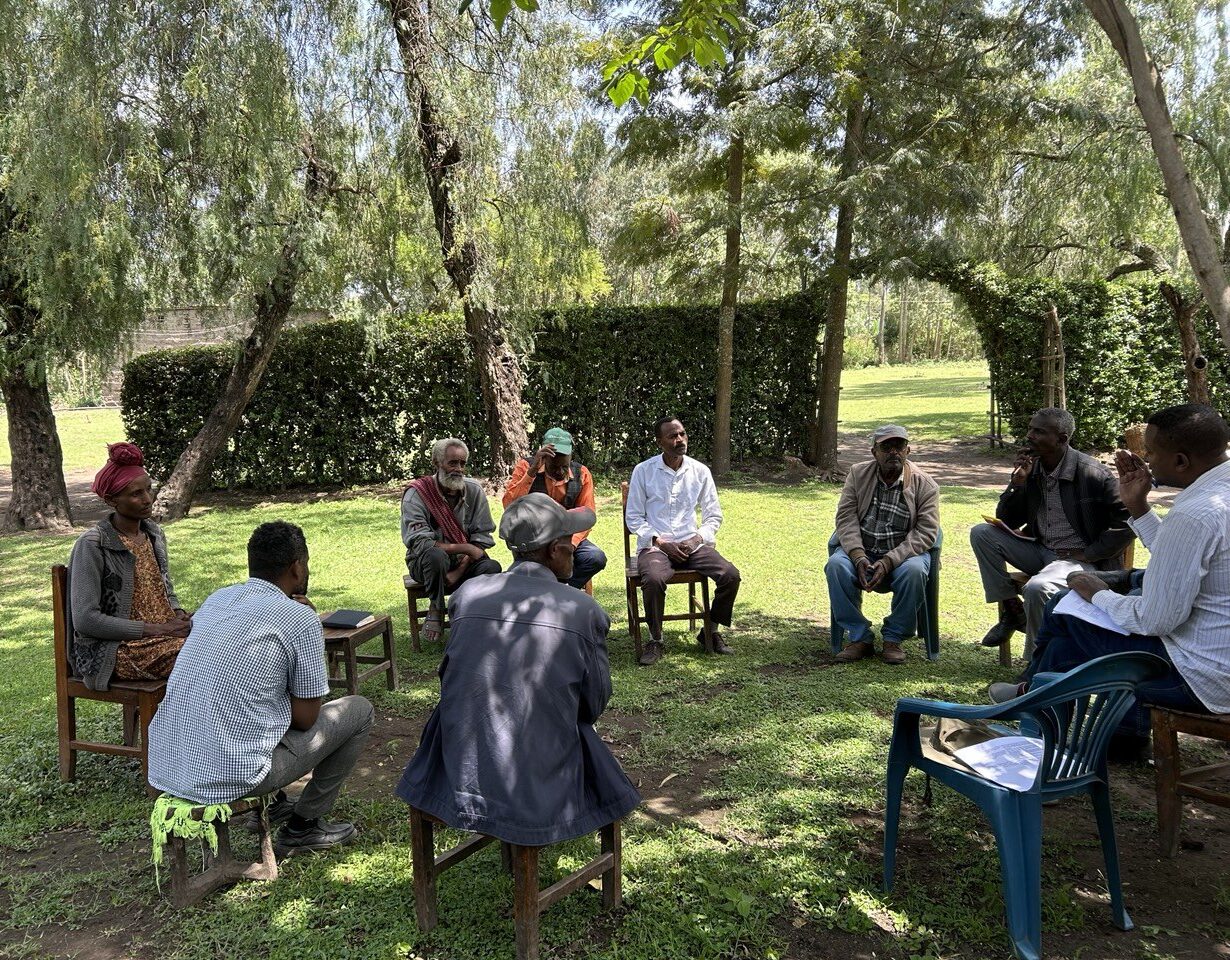
Photo Credits: 1) Scientists from the project and participating farmers sit together in an outdoor circle, engaged in discussion. Photo credit: Prof. Awdenegest Moges. Header Image: Photography (detail): A. Davey

Creation of an Intercultural Biodiverse Seed Bank with the Indigenous “Resguardo Puerto Naranjo” for Enhancing Restoration and Conservation Efforts in Degraded Areas in the Colombian Amazon

Project Summary

Countries: Colombia

Delivery Partner: Fundación Tropenbos Colombia

Project Description

The programme will establish intercultural seed banks to store and distribute a wide variety of seeds of indigenous forest species for a variety of uses such as food, medicine, architecture and art, in line with the government’s restoration objectives.

The programme will integrate Indigenous and scientific knowledge to identify and geo-reference seed source trees. Laboratory tests will determine the most efficient local practices for seed production. Local methodologies, participatory action research and quantitative data coming from a live laboratory will be deployed to create a sustainable strategy for intercultural seed banks suitable for the climate and geography of Puerto Naranjo Resguardo and the Amazon.

A systemic approach will allow for innovation in the creation of a scalable plan that positions intercultural seed banks as a local solution to help improve livelihoods, address the current effects of climate change and restore biodiversity in indigenous territories.  Outputs will include local research, scientific articles, a collaborative database, storytelling and a business plan for the community to transform the initiative into a sustainable income-generating opportunity.

Photograph (detail): Dmitry Makeev


EMBRACE : Engager les communautés locales dans l’utilisation des cultures mineures pour la conservation de la biodiversité et l’enrichissement des moyens de subsistance

Pays : Ghana et Kenya Partenaire principal : Résumé : EMBRACE est un projet global visant à améliorer les moyens de subsistance de 1 250 ménages appauvris au Ghana et au Kenya, afin d’atteindre une amélioration de 40 % d’ici 2027. EMBRACE travaillera avec 25 communautés pour promouvoir des pratiques agricoles durables, la conservation des forêts et l’autonomisation des communautés, en visant une réduction significative de la pauvreté, de la perte de biodiversité et des inégalités. L’approche d’EMBRACE consiste à établir 25 fermes agroforestières modèles qui intègrent la production d’escargots, de champignons et d’apiculture, et à former 500 femmes et jeunes à l’agriculture durable et à la gestion des pépinières pour leur permettre de produire des aliments diversifiés et nutritifs, de générer des revenus et de conserver les ressources naturelles. Le projet soutiendra également les pépinières communautaires et les fonds renouvelables afin de promouvoir l’autosuffisance, l’égalité des sexes et l’inclusion sociale. En outre, EMBRACE impliquera les parties prenantes telles que les gouvernements locaux, les dirigeants communautaires et le secteur privé, afin d’influencer les politiques qui soutiennent la conservation des ressources et de la biodiversité. Grâce à EMBRACE, les communautés seront habilitées à piloter leur développement et à prendre des décisions éclairées concernant leurs ressources naturelles. L’impact du projet se fera sentir au-delà des 25 communautés, servant de modèle pour le développement durable et la conservation menée par les communautés au Ghana et au Kenya. Ainsi, EMBRACE contribuera à un monde plus juste et plus durable, où les communautés prospèrent en harmonie avec la nature. Photographie (détail) : McKay Savage

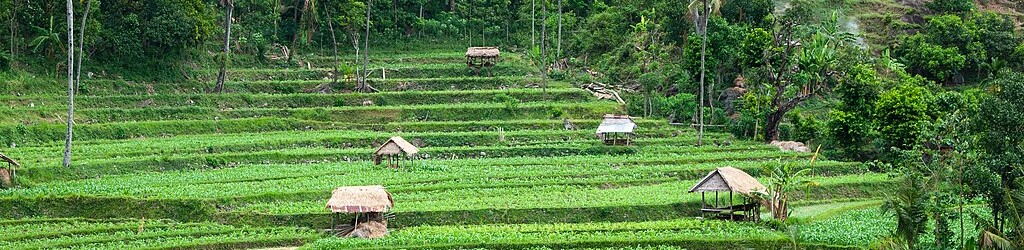
Explorer les voies de l’utilisation durable des terres pour les écosystèmes, la sécurité alimentaire et la réduction de la pauvreté : opportunités pour le programme indonésien sur les domaines alimentaires

Pays : Indonésie Partenaire principal : Résumé : Ce projet transdisciplinaire vise à comprendre la dynamique des changements dans l’utilisation des terres et à soutenir la co-création de voies vers une utilisation durable des terres, en tenant compte de la biodiversité, du changement climatique, de la sécurité alimentaire et des problèmes de pauvreté. L’accent est mis sur les possibilités de programmes d’exploitation alimentaire durable en Indonésie, dans le contexte des préoccupations majeures concernant leurs impacts environnementaux et sociaux négatifs. Le programme travaillera avec les communautés agricoles, les ONG, les agences de conservation et les agences gouvernementales, en rassemblant des données quantitatives et qualitatives (et des connaissances formelles et informelles) pour visualiser et évaluer les valeurs multiples des paysages et l’impact des interventions dans les domaines alimentaires sur des sites présentant une variété de systèmes de monoculture et d’agroforesterie. Il cherche à soutenir un dialogue productif et fondé sur des données probantes grâce au développement et à l’utilisation d’un outil de cartographie et de modélisation en libre accès, en élaborant des scénarios d’utilisation des terres qui intègrent la résilience climatique et la conservation de la biodiversité dans des initiatives qui soutiennent les moyens de subsistance durables des communautés agricoles et les préoccupations plus larges en matière de sécurité alimentaire. Grâce à des activités de recherche-action participative et de renforcement des capacités avec les principales parties prenantes, le programme identifiera les possibilités de planification de l’utilisation des terres et de processus politiques ainsi que les points d’intervention pratiques.