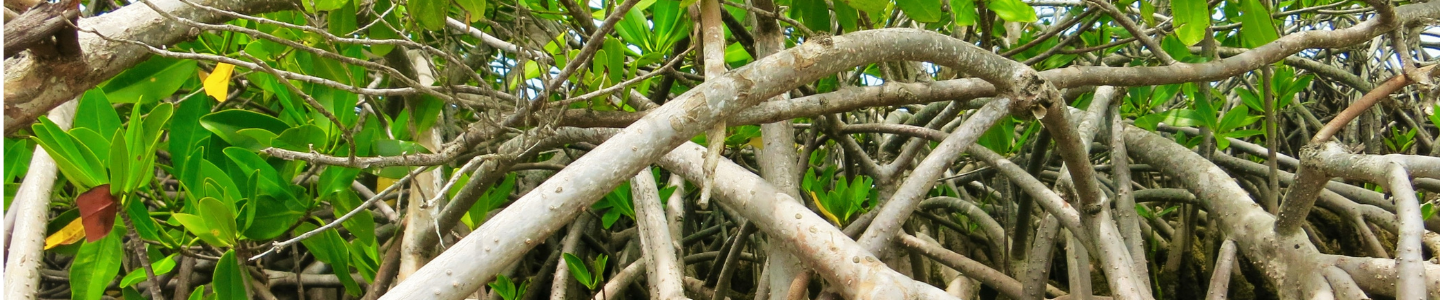
Listening to mangroves: Using Autonomous Recording Units and Machine Learning tools to assess avian biodiversity in the mangroves of coastal Suriname

Listening to Mangroves: Using Autonomous Recording Units and Machine Learning Tools to Assess Avian Biodiversity in the Mangroves of coastal Suriname, presents findings from research conducted across six coastal sites between December 2024 and July 2025.

Using passive acoustic monitoring and the BirdNET algorithm, the study identified 508 bird species and demonstrated statistically significant differences in acoustic complexity between mangrove types. The research highlights the ecological importance of mangroves for biodiversity and coastal protection, and demonstrates how non-invasive, data-driven tools can strengthen ecosystem monitoring and inform climate-resilient coastal management.
Share

Primer Informe Técnico de Restauración Forestal en la Comarca Ngäbe-Buglé (Spanish)

The first Forest Restoration Monitoring Report from the Ngäbe-Buglé Comarca in Panama, produced by the Smithsonian Tropical Research Institute, presents early results from the Intelligent Reforestation Programme.

Monitoring of 14 one-hectare restoration plots and 15 transects, established in 2022, evaluated seedling survival, species richness, and successional dynamics across 27 native tree species.

The findings demonstrate the potential of community-led, science-based restoration using native species to enhance biodiversity recovery, increase carbon sequestration and support resilient, sustainable livelihoods in Indigenous territories.

Share

Multifaceted Assessment of Amazonian Tree Diversity Reveals Pervasive Impacts of Human Modification

A Global Change Biology article presenting research that supports the project Enabling Large-scale and Climate-Resilient Forest Restoration in the Eastern Amazon, led by Lancaster University.

The article assesses how logging, fire and forest degradation alter taxonomic, functional and phylogenetic diversity in Eastern Amazon forests, demonstrating significant biodiversity losses in disturbed landscapes. The project integrates field ecology, remote sensing and stakeholder engagement to inform evidence-based forest restoration and long-term resilience in the Brazilian Amazon.

Share

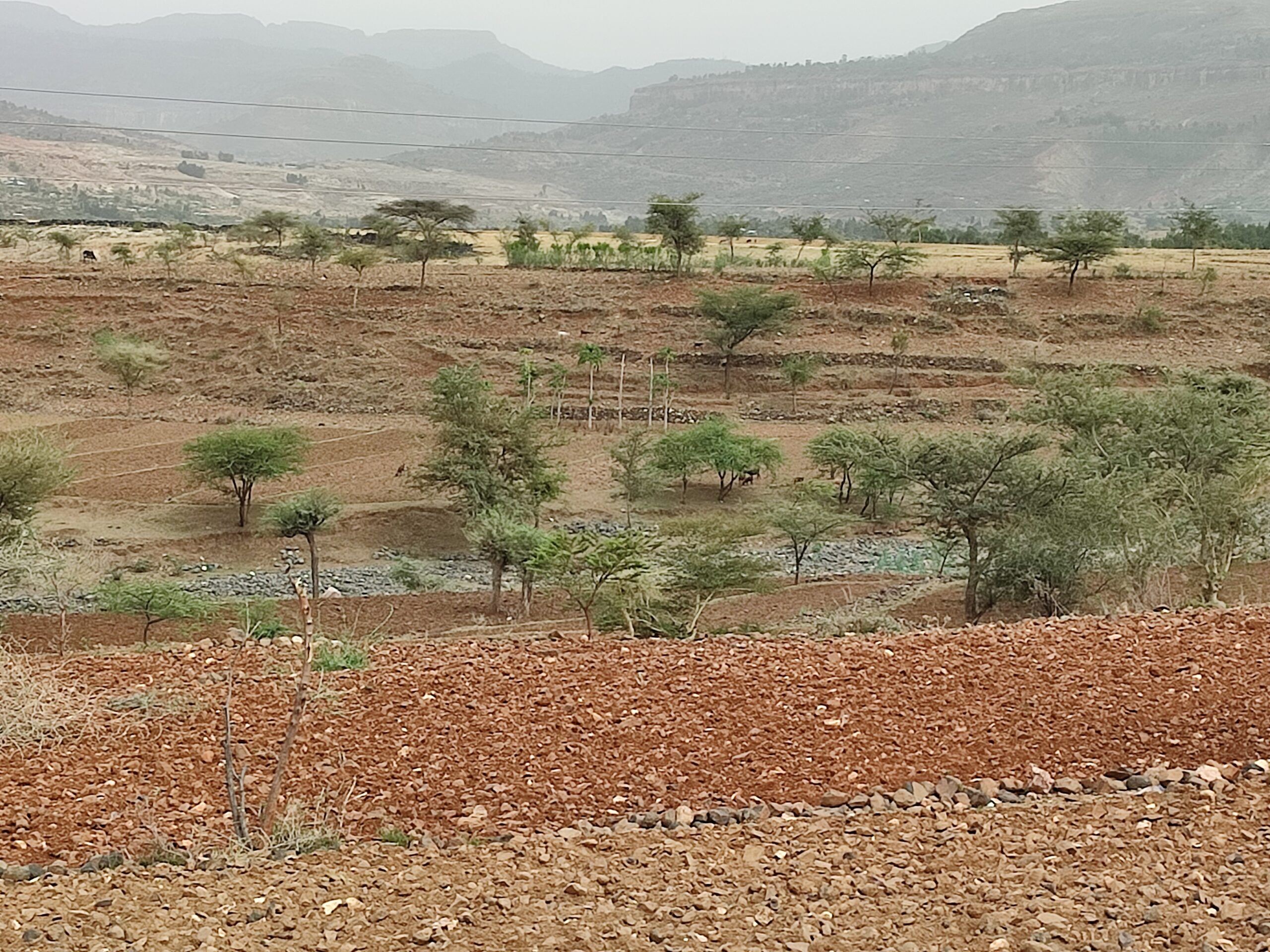
Advancing Multifunctional Agroforestry in Ethiopia: Evidence, Innovation and Policy Pathways

This brief outlines how the MAF4E project advances multifunctional agroforestry in Ethiopia through Living Labs that link science, community innovation and policy. It generates high‑resolution evidence on tree growth, soils and carbon, while piloting Rural Resource Centres and homestead agroforestry to create green jobs, improve nutrition and resilience.

Despite strong impacts, scaling requires a national agroforestry strategy, long‑term finance, stronger extension systems, market development and gender‑ and youth‑inclusive policies to meet climate and biodiversity commitments nationally

Share

Las evaluaciones mundiales de las poblaciones de algas y de las áreas marinas protegidas ofrecen oportunidades potenciales para proteger las algas silvestres

Este artículo de Ficología Aplicada presenta las conclusiones del proyecto GlobalSeaweed SUPERSTAR, dirigido por la Asociación Escocesa de Ciencias Marinas, que evalúa la acuicultura y la recolección silvestre de algas marinas en relación con la protección de la biodiversidad y las Áreas Marinas Protegidas.

Utilizando un mapeo global y un análisis de múltiples conjuntos de datos en 82 países, el estudio identifica 261 especies utilizadas comercialmente, pone de relieve importantes lagunas en la identificación de especies y en los informes de producción, y muestra que casi la mitad de las actividades con algas marinas se producen a menos de 1 km de las AMP.

Con relevancia para Indonesia y Malasia, las conclusiones informan de las estrategias para proteger las poblaciones silvestres, fortalecer los ecosistemas costeros, crear capacidad y mejorar los medios de subsistencia.

Share

CROSSROADS-SSA Biodiversity Toolkit

This Biodiversity Toolkit from CROSSROADS-SSA, led by the University of Aberdeen, working in Ethiopia, provides standardised field protocols to assess key ecosystem processes, including soil fauna activity, decomposition and nutrient cycling, pest pressure, pollination success and seed predation.

The toolkit strengthens capacity for participatory biodiversity assessment, enabling practitioners and communities to generate comparable data to inform sustainable land management and Nature-based Solutions.

Share

State of the World’s Seaweeds 2025

The State of the World’s Seaweeds 2025, presented by the Natural History Museum and the Scottish Association for Marine Science, provides a global assessment of seaweed biodiversity, production, trade and sustainability, synthesising ecological and socio-economic evidence to inform conservation and responsible industry growth.

It highlights trends in wild harvesting and aquaculture, pressures on coastal ecosystems, governance gaps, and opportunities to strengthen sustainable management and equitable value chains. The analysis supports improved data systems, policy coherence and investment in climate-resilient seaweed sectors.

Share

Recognising Seaweeds: Addressing Gaps in International Biodiversity Frameworks for Global Seaweed Conservation

A thematic analysis of 18 international biodiversity frameworks to assess the representation of seaweeds. It explores ways to better integrate them into policies. Obstacles preventing full integration include imperfect institutional coordination, inconsistent terminology use, limited representation within biodiversity targets and the absence of legally binding agreements with enforcement mechanisms.

It recommends improvement of seaweed integration into biodiversity frameworks, thereby supporting broader marine ecosystem resilience. This will contribute to achieving Sustainable Development Goal 14 (Life below water).

Share

Diagnostico Participativo de Bioversidad del Resguardo el Gran Tescual (Spanish)

This report presents evidence from the Gran Tescual Indigenous Reservation Climate Plan project, which generated participatory, intercultural and gender-responsive research to inform biodiversity conservation, climate adaptation and sustainable livelihoods in the Gran Tescual territory of Colombia.

Based on community co-production of a participatory biodiversity diagnosis, illustrated ethnobotanical guide and climate plan, findings highlight key ecosystem pressures, integrate Indigenous knowledge with scientific evidence, and support strengthened territorial governance and climate-resilient strategies.


Share