Project Summary
Countries: Ethiopia
Delivery Partner: University of Leeds
Project Partners: Arba Minch University, Cool Ground
Principal Investigator: Dr Jennifer Hodbod, University of Leeds
Contact: j.e.hodbod@leeds.ac.uk
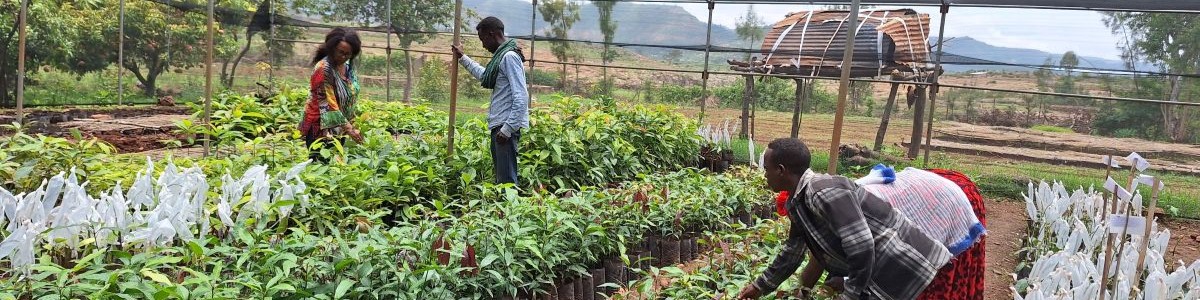
BioRes will clarify the potential for biodiversity to contribute to and improve livelihood security, adaptation to climate change, and resilience in Ethiopia’s newly formed Tama Community Conservation Area (CCA), where there is a lack of data to manage from.
Challenge
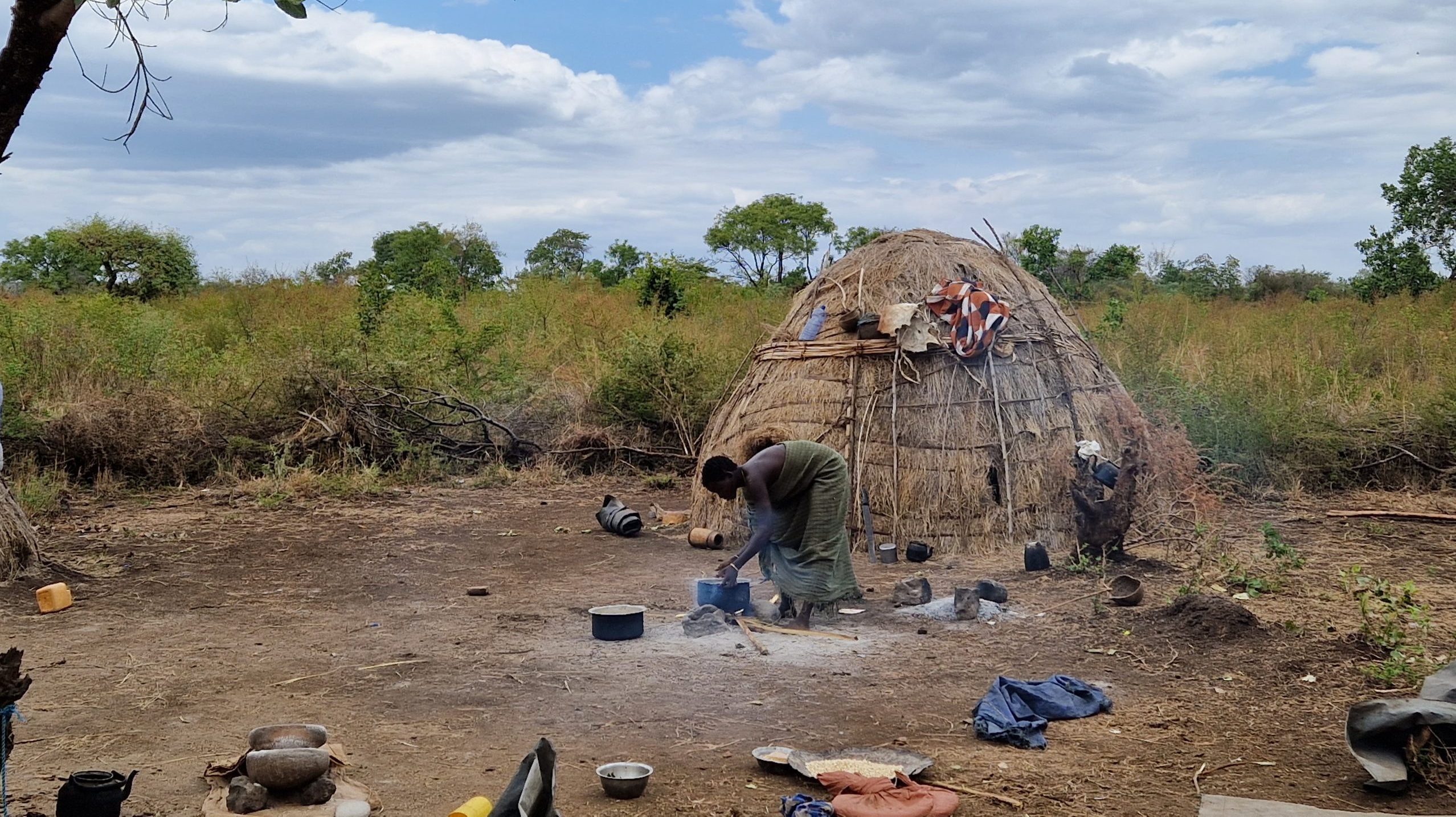
The Lower Omo is a region with high biodiversity that was sustainably managed by the Indigenous populations prior to the implementation of mega-projects by the Ethiopian state (i.e., National Parks, Gibe III dam, Kuraz Sugar Project). Transformation resulting from these projects has led to an un-desirable regime shift from the agro-pastoralist or hunter-gatherer livelihoods embedded in the local cultures to wage labourers on the agricultural estates or out-migration, increasing pressure on biodiversity and not supporting resilient livelihoods.
Insight
The Tama Community Conservation Area has been designed to provide a supplemental sustainable livelihood alternative (ecotourism). BioRes supports that goal by addressing the biodiversity knowledge gaps critical for both food security and ecotourism, so that the CCA regulations can support biodiversity through climate change.
Collaboration
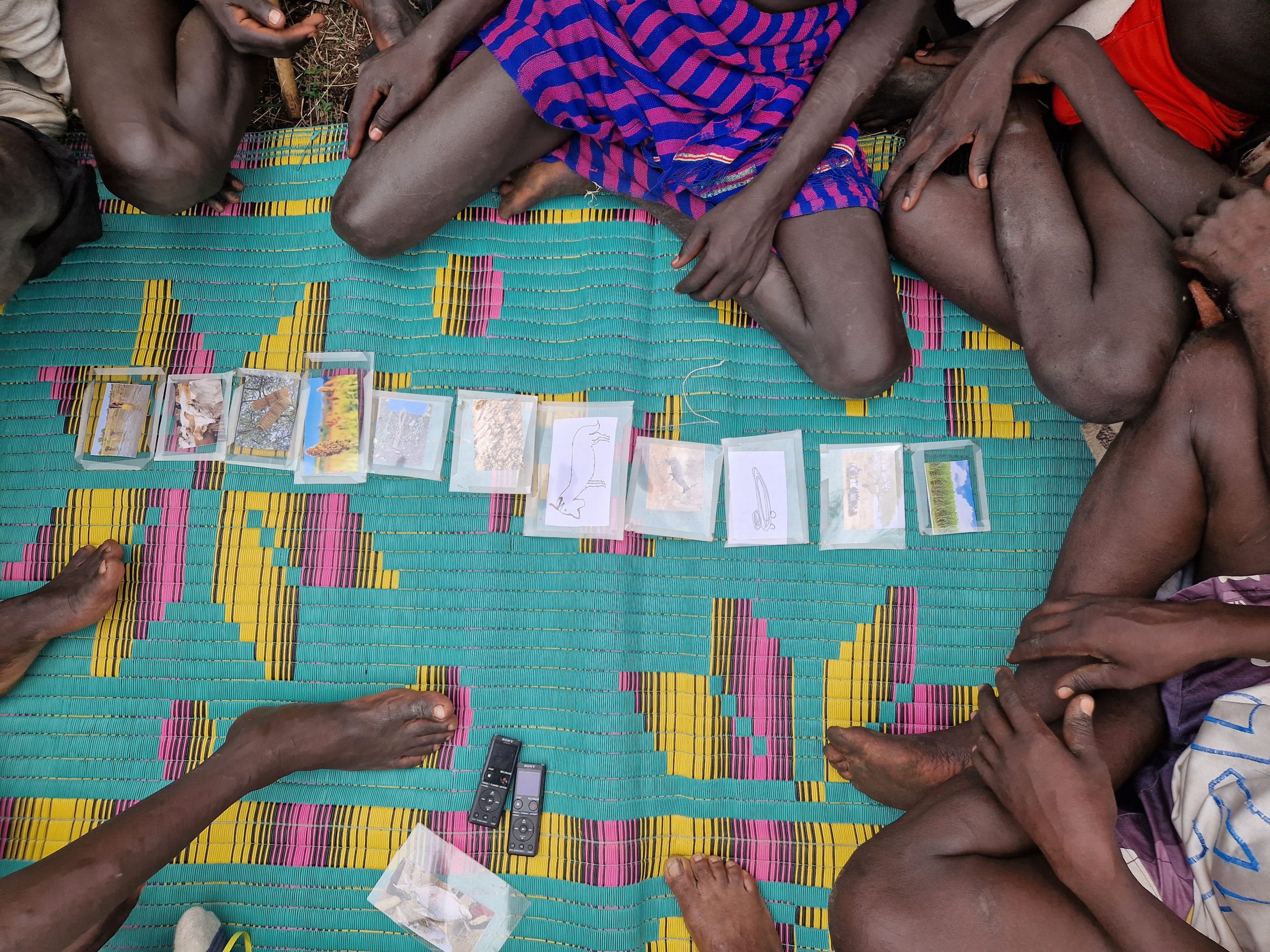
Through a participatory process, the communities and CCA stakeholders will develop capacities for biodiversity monitoring, produce the first biodiversity assessment datasets for the region and accompanying knowledge products, be supported in adapting the CCA management plans to be more inclusive and effective to the sustainable use of biodiversity for climate, and as a result, demonstrate greater resilience to future climate change.
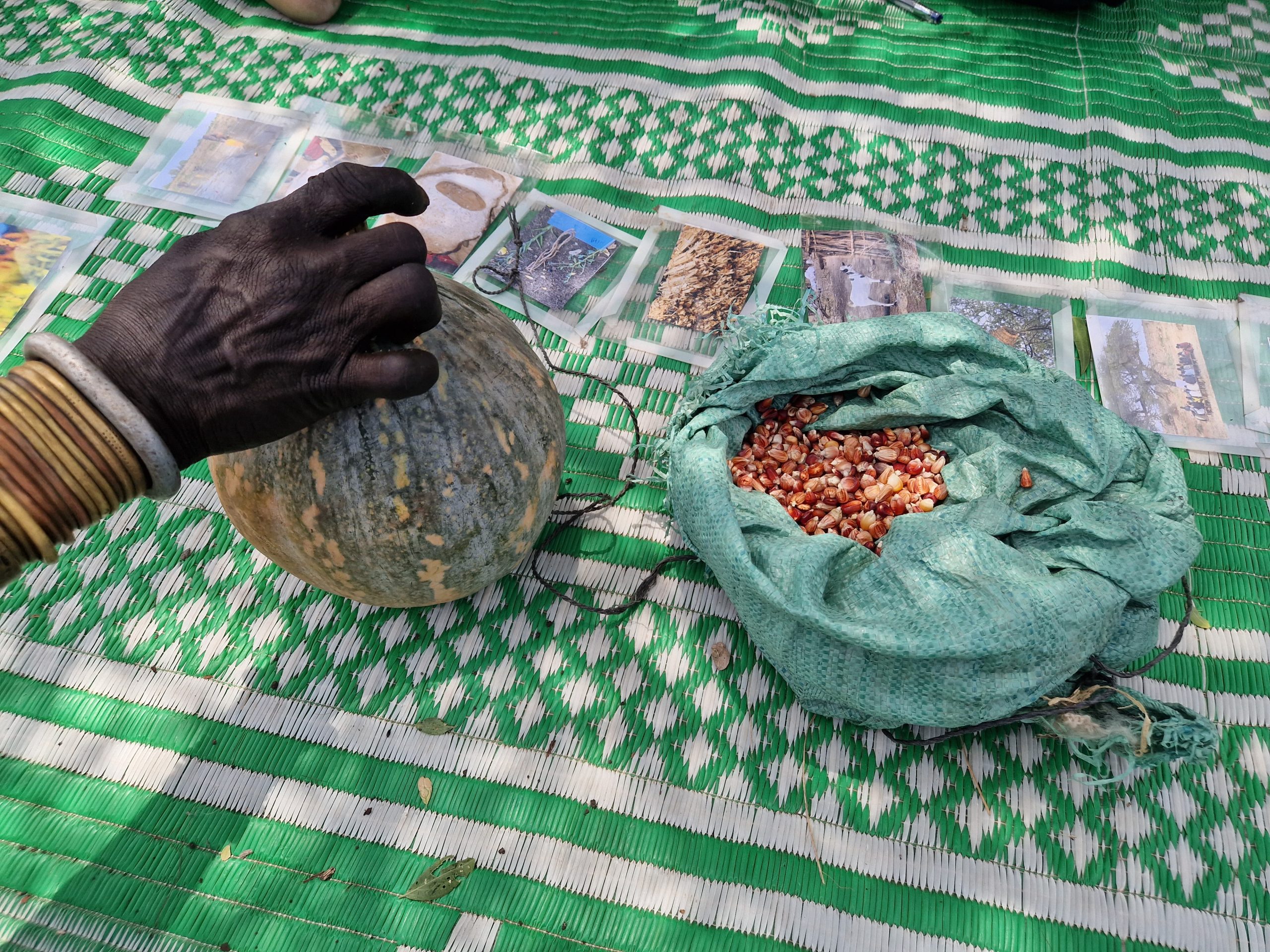
BioRes uses an engaged approach to integrate the rich traditional ecological knowledge held by local communities with systemic biodiversity monitoring. By combining these ethnobotany and ethnozoology approaches with qualitative data, we will address the data gap in the region, build capacity for monitoring to continue after BioRes, and inform CCA management, thus contributing to improved livelihood security, adaptation to climate change, and resilience in Ethiopia’s newly formed Tama Community Conservation Area.
Dr Jenny Hodbod
Jenny Hodbod is an Associate Professor of Environment and Development. Her research explores the creation the resilient and equitable food systems – environmentally and economically sustainable food systems that can feed a growing global population and support their wellbeing whilst adapting to security threats such as climate change, changing preferences, and economic shocks.
Using environmental social science methods, she primarily researches rural dryland systems, addressing issues of environmental degradation and food insecurity in these regions by exploring balances between competing land use strategies – livestock, arable agriculture, conservation – to improve the resilience of these fragile landscapes.
Photo Credits
- Ecosystem Service Ranking
- Discussing Food Culture in the Tama Community Conservation Area
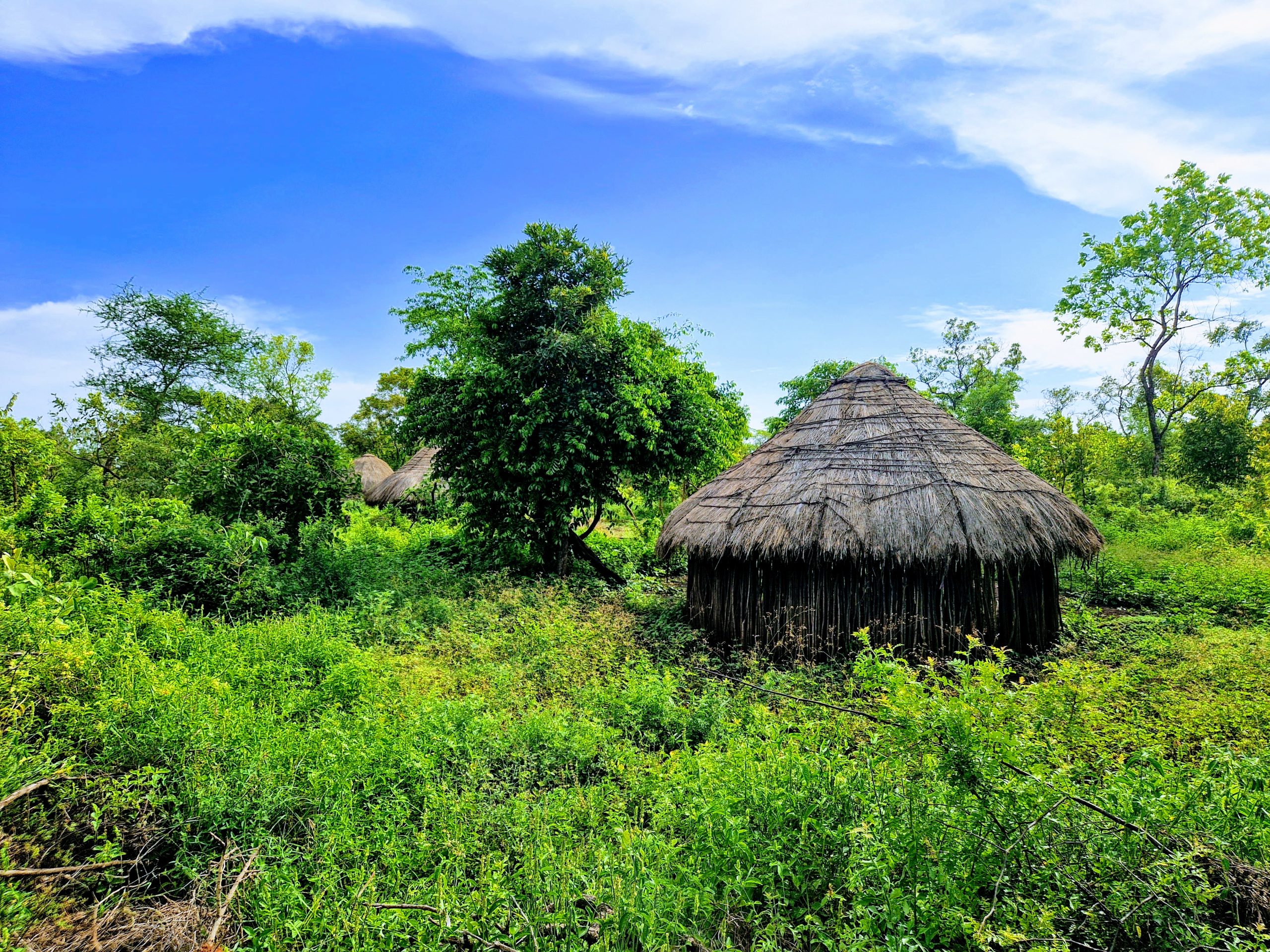
- Bodi Village Life
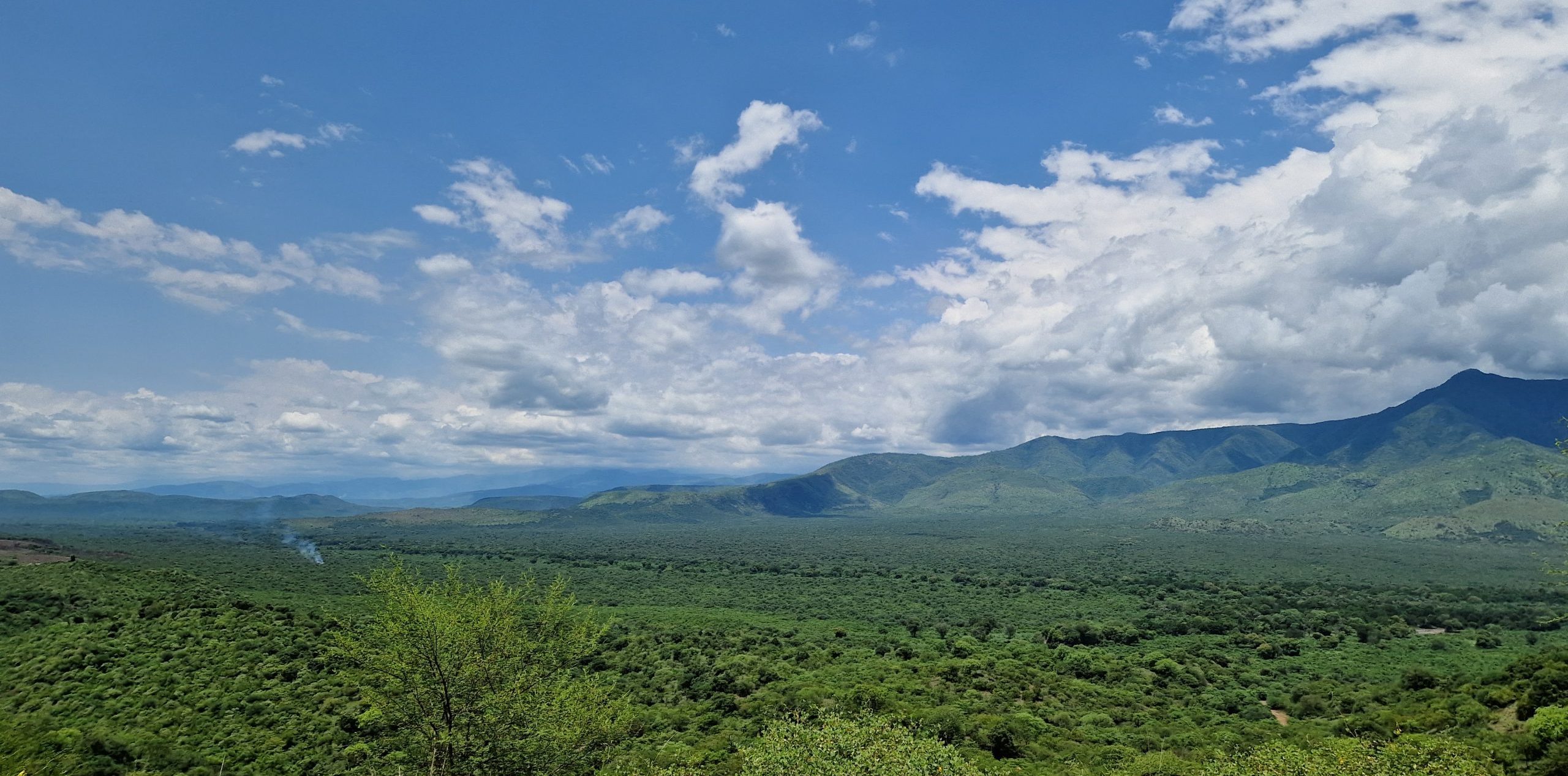
- Tama Community Conservation Area
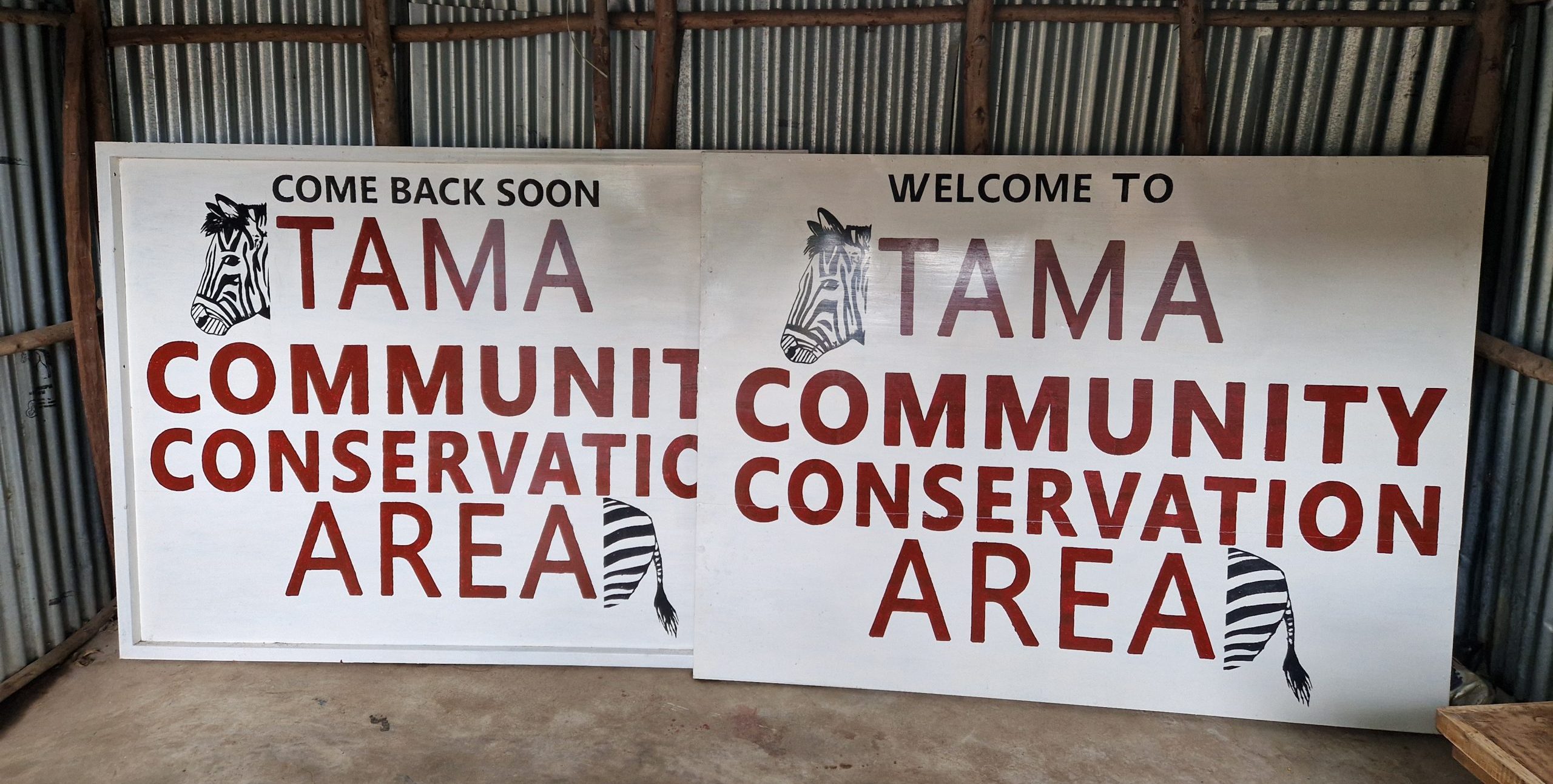
- Tama Community Conservation Area Signs
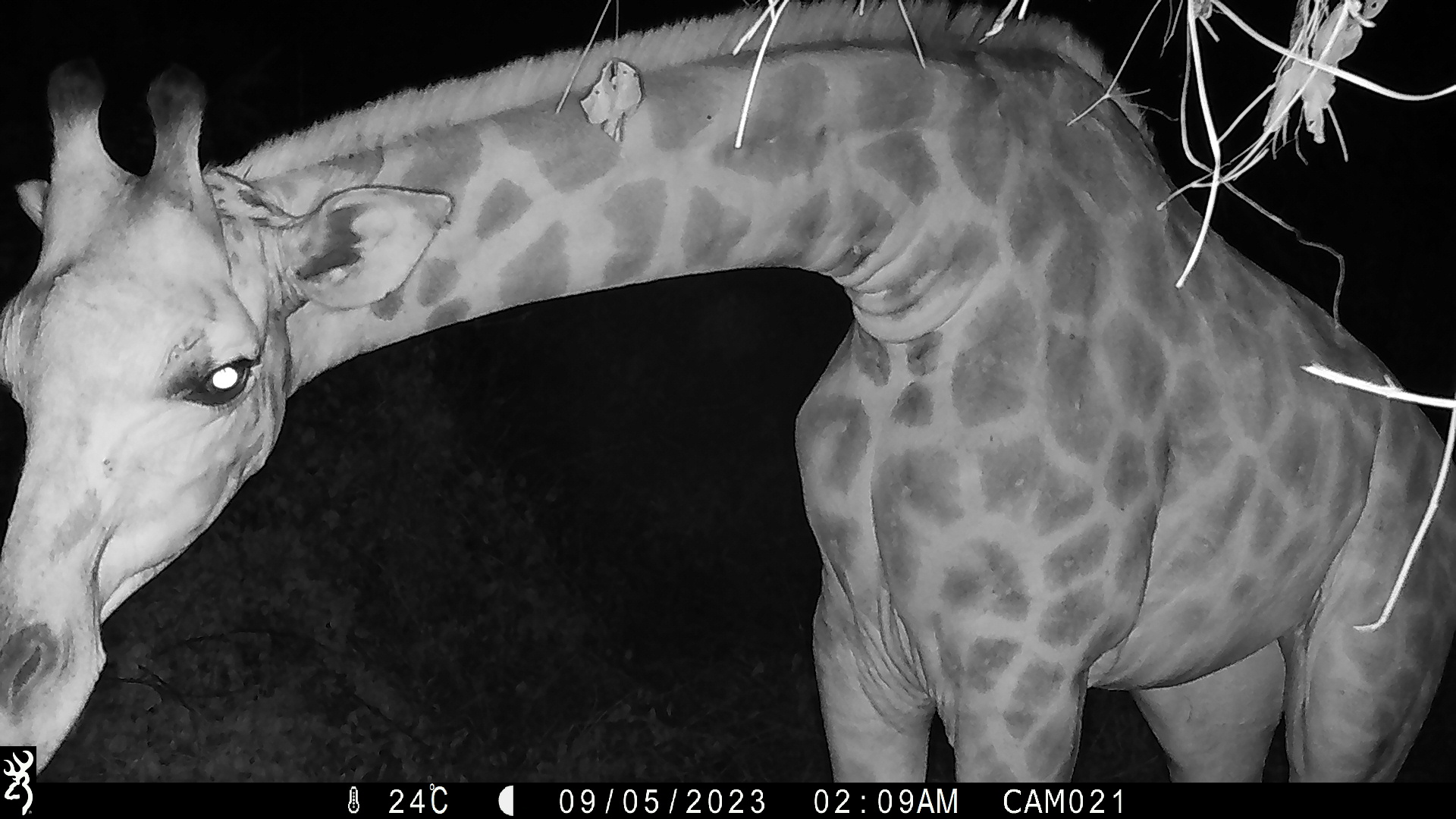
- Giraffe on Camera
- Bodi Land
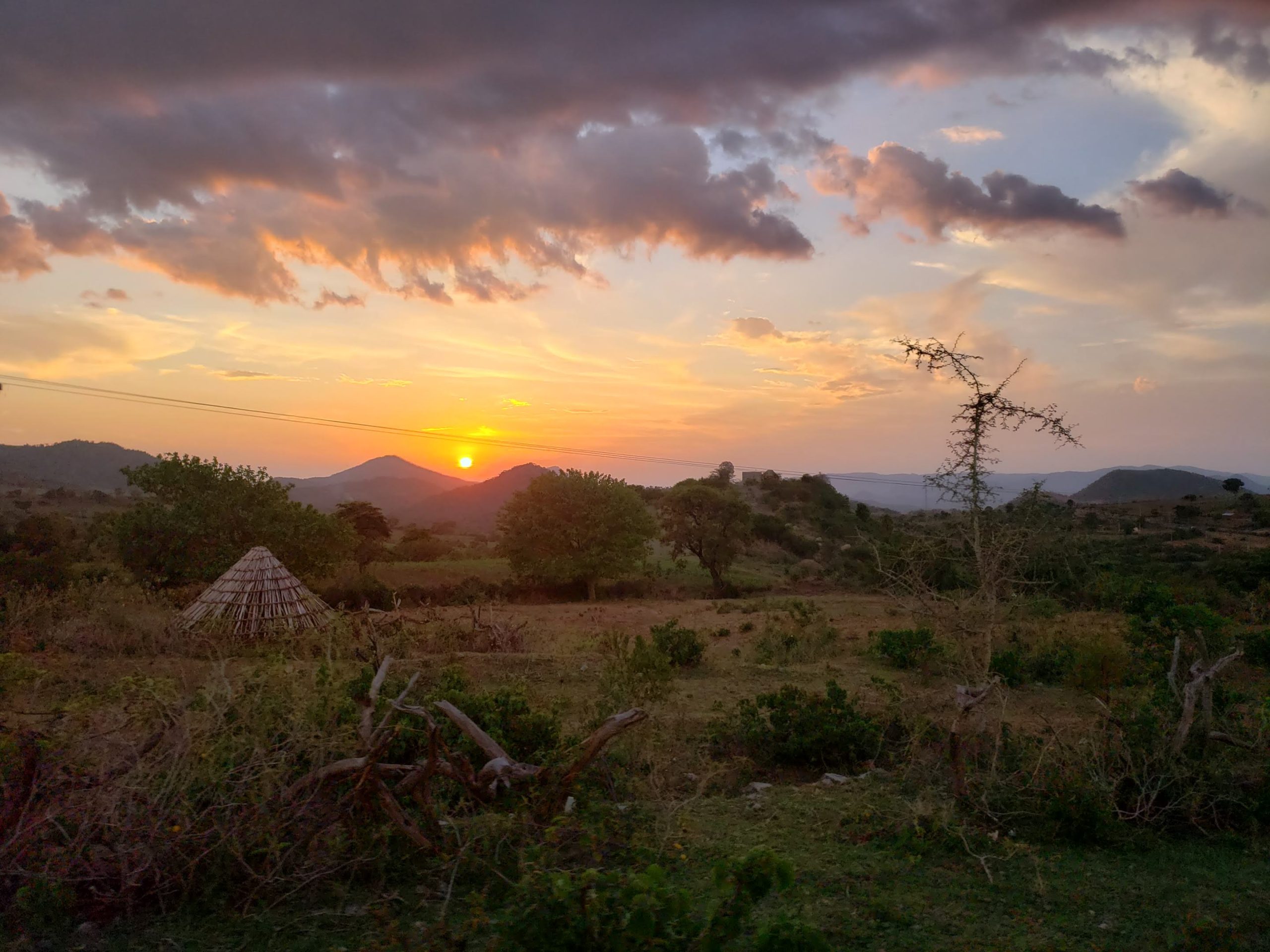
- Sunset in the Lower Omo
- Header Photograph (detail): Rod Waddington