Project Summary
Countries: Indonesia
Delivery Partner: Missouri Botanical Garden (MBG), USA
Project Partners: New York Botanical Garden (NYBG), United States Case Western University (CWU) United States Alliance for Tompotika (ALTO), Indonesia Badan Riset dan Inovasi Nasional (BRIN)
Principal Investigator: Dr Carmen Puglisi, Missouri Botanical Garden, Dr. Kate Farley, Missouri Botanical Garden- CoPI, Dr. Laura Toro, Missouri Botanical Garden- CoPI
Contact: cpuglisi@mobot.org
DICOT works to empower the communities of the Tompotika Peninsula in Central Sulawesi to protect their forests from nickel mining concessions and enhance their nature-based livelihoods.
Challenge
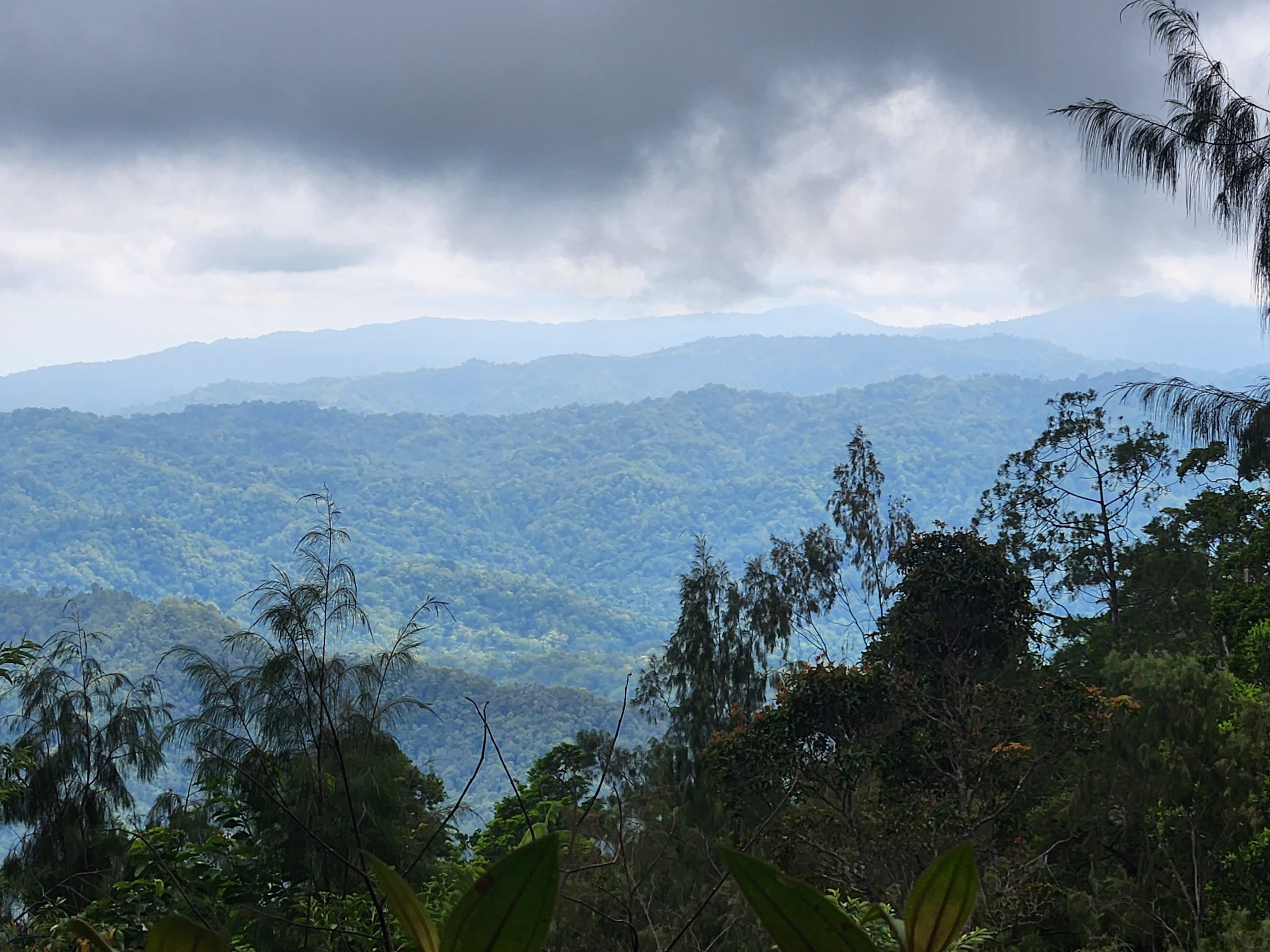
The Tompotika Peninsula in Central Sulawesi is one of Indonesia’s most biodiverse regions. Despite the ecological importance of the Peninsula, scientific information remains limited constraining efforts to implement evidence-based conservation and to align local conservation efforts with national frameworks such as the Indonesian Biodiversity Strategy and Action Plan (IBSAP). Besides, the biodiversity of the Peninsula is under imminent threat from nickel mining and agricultural expansion.
These activities are threatening the integrity of forest ecosystems and have also resulted in the gradual reduction of the suitable habitat of the maleo bird (Macrocephalon maleo), an endangered and endemic bird species of Sulawesi that has been internationally recognized as a conservation priority by the International Union for Conservation of Nature (IUCN).
Insight
To ensure the protection of the biodiversity of Tompotika, the DICOT team will:
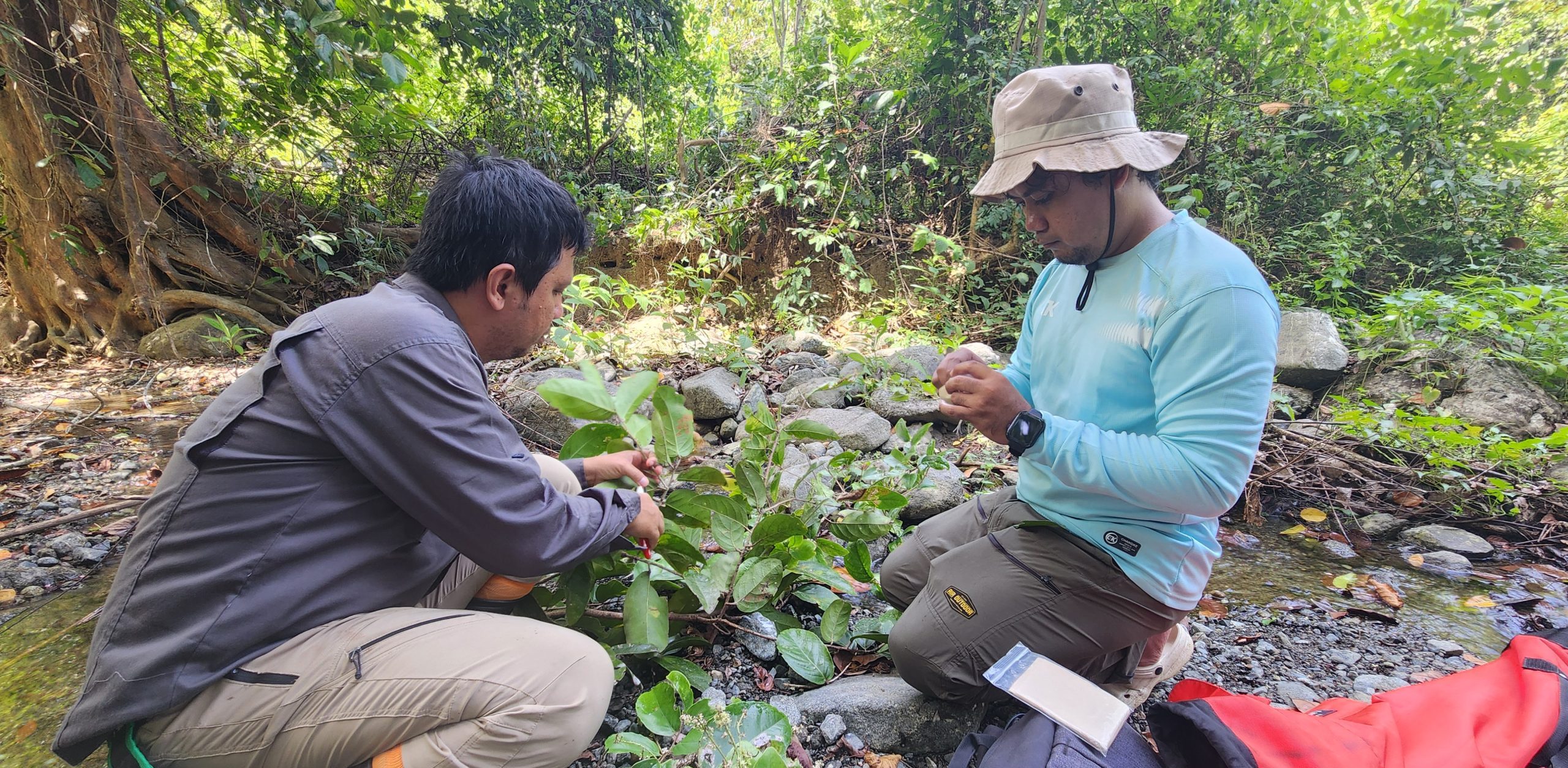
- Characterise the plant biodiversity through botanical inventories, species extinction assessments, climate modeling, and ecosystem services mapping.
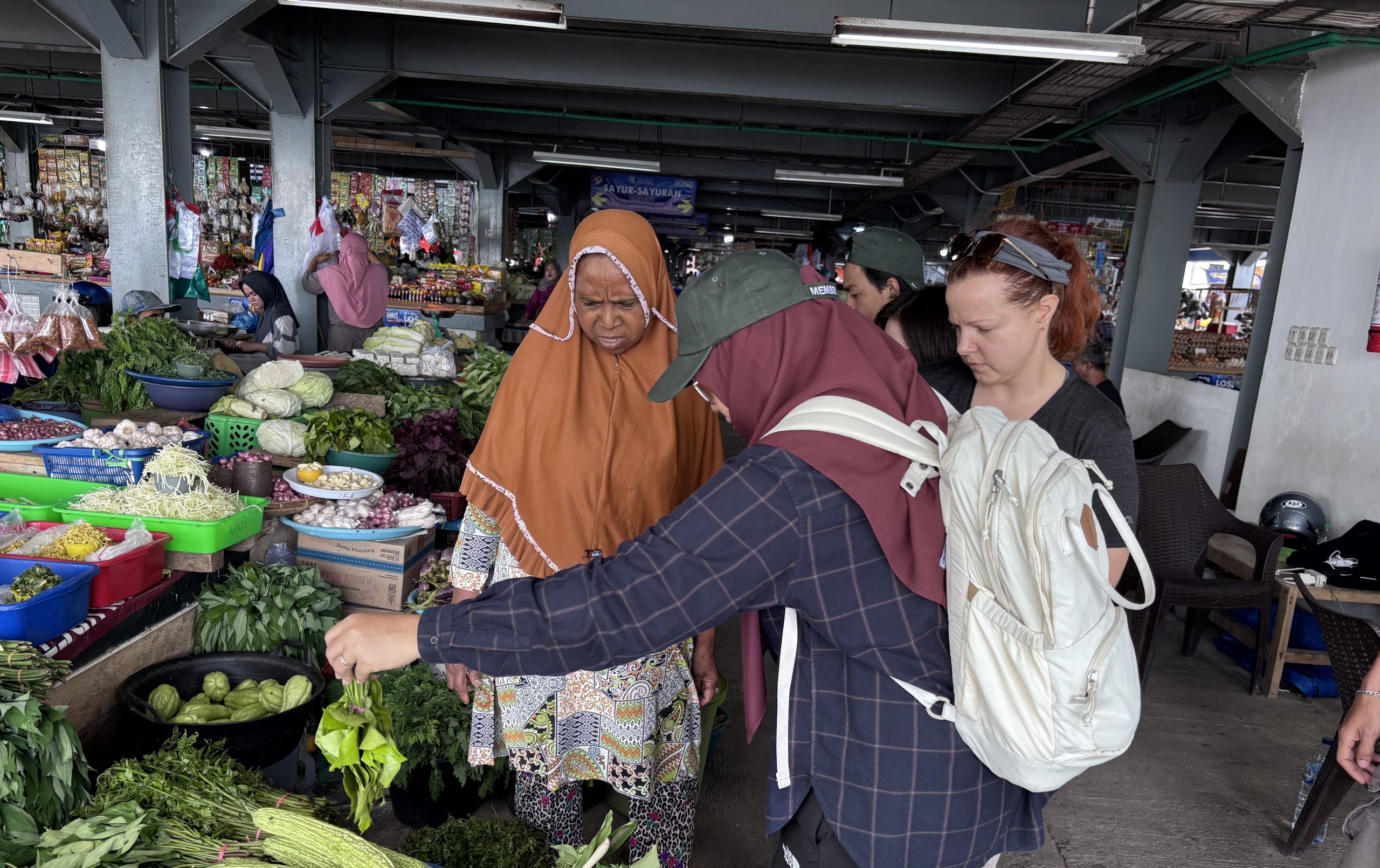
- Document traditional ecological and biocultural knowledge to prioritise climate resilient species that support livelihoods and provide important ecosystem services.
- Establish a community-run plant nursery for cultivation of selected plant species.
- Disseminate the knowledge acquired with local, regional, and international stakeholders through community education and outreach as well as scientific publications and presentations.
Through a combination of biodiversity science and capacity building, this work will support the collaborative development of conservation proposals and promote the sustainable cultivation of economically important plant species to alleviate poverty and support climate resilience for the communities of Tompotika.
Collaboration
DICOT is an international partnership that brings together local people, non-profits, and national and international research institutions, and an interdisciplinary team of experts in plant diversity, ecology, conservation, and anthropology based in Indonesia, Germany, and the United States.
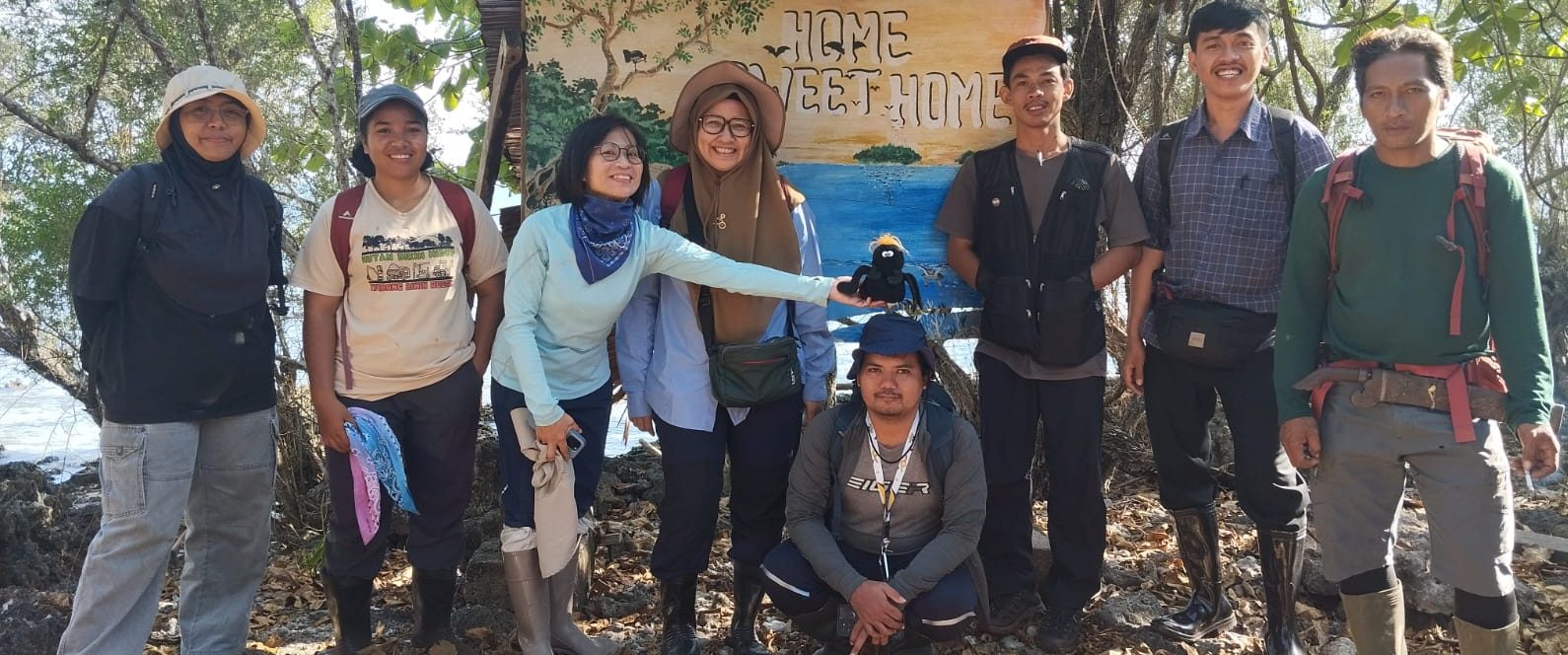

With this project, we will help the local communities of Tompotika protect their forests, livelihoods, and traditional knowledge. More importantly, we hope to engage and inspire the younger generation to become advocates for plant diversity and conservation.
Discover More
Dr. Carmen Puglisi
Dr. Carmen Puglisi is a plant taxonomist that specialises in the systematics of ebonies and gesneriads of Southeast Asia. She worked in the UK and Singapore before becoming the Curator of the Asian herbarium collection at the Missouri Botanical Garden in 2023. Dr. Puglisi is passionate about plant diversity, herbaria, and the training of the next generation of plant taxonomists in Southeast Asia.
Photo Credits
-
Forests of Mount Tompotika. Photo taken by Kate Armstrong
-
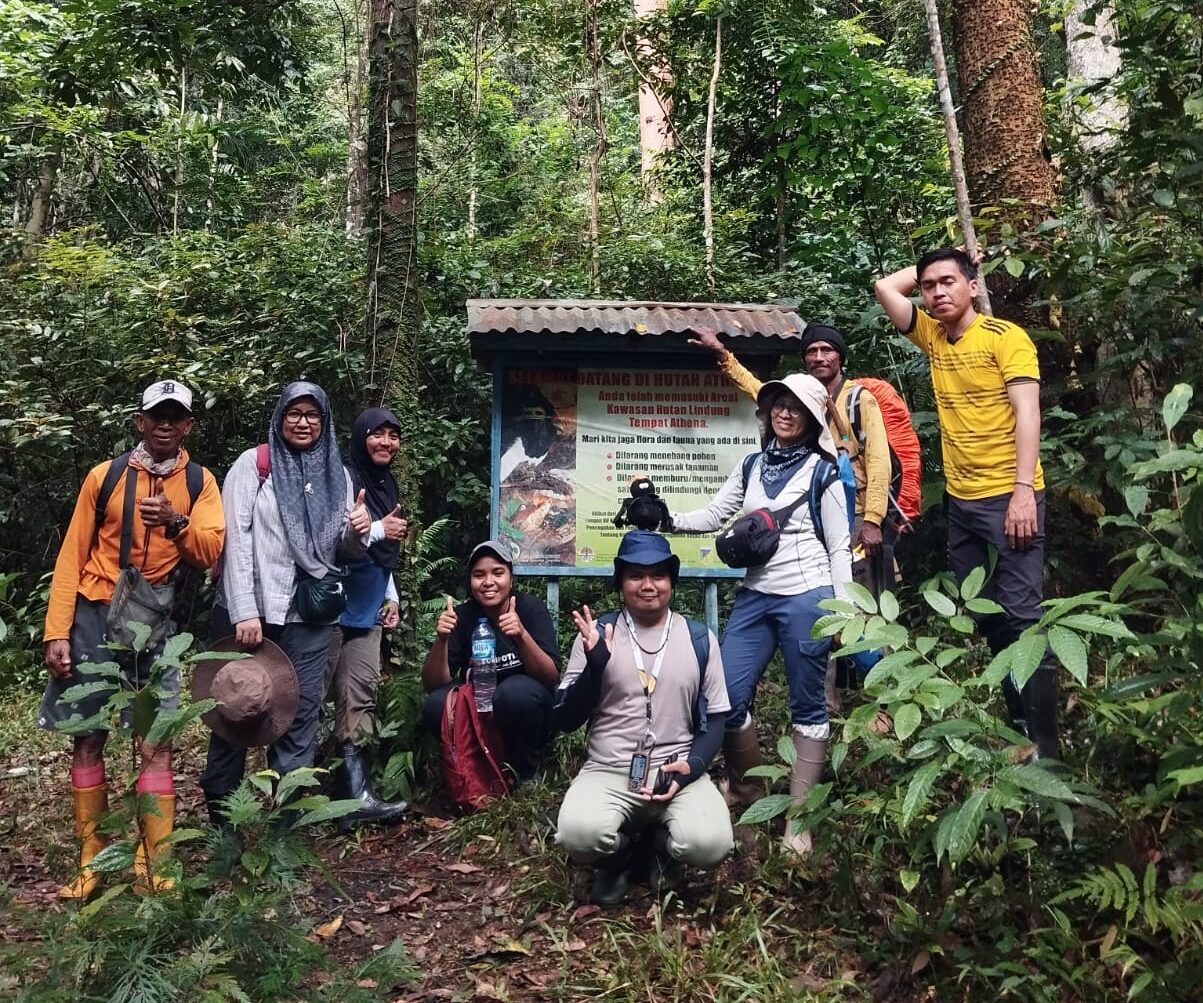
First expedition to the Heart of Tompotika. Photo taken by M. Isfandri
-
Seedlings of Patchouli grown in the Tanah Merah community nursery
-
Plant collection and labeling around Pangkalaseang, Central Sulawesi, left to right – Irvan Fadli Wanda and Muhammad Rifqi Hariri, Photo taken by: Natalie Konig
-
Seedlings of Patchouli grown in the Tanah Merah community nursery
-
Visit to the vegetable stands in the Luwuk market, Photo taken by: Yuli Kunjae
-
First expedition to the Heart of Tompotika. Photo taken by M. Isfandri
-
Header Image Enrico Kumesan