Project Summary
Countries: Kenya
Delivery Partner: Bangor University,
Project Partners: International Livestock Research Institute, University of Eldoret
Principal Investigator: Dr James Gibbons, Senior Lecturer in Ecological Modelling / Dean of Research for the College of Environmental Sciences and Engineering School of Environmental & Natural Sciences, Bangor University, UK
Contact: James Gibbons: j.gibbons@bangor.ac.uk
and Simon Mwaura: s.mwaura@bangor.ac.uk
HABITAT empowers Kenyan smallholders to scale pioneer pasture practices that balance dairy production with biodiversity and greenhouse gas emissions. We are uncovering how farmers can simultaneously boost biodiversity, improve livelihoods, and build resilience against climate change

Challenge
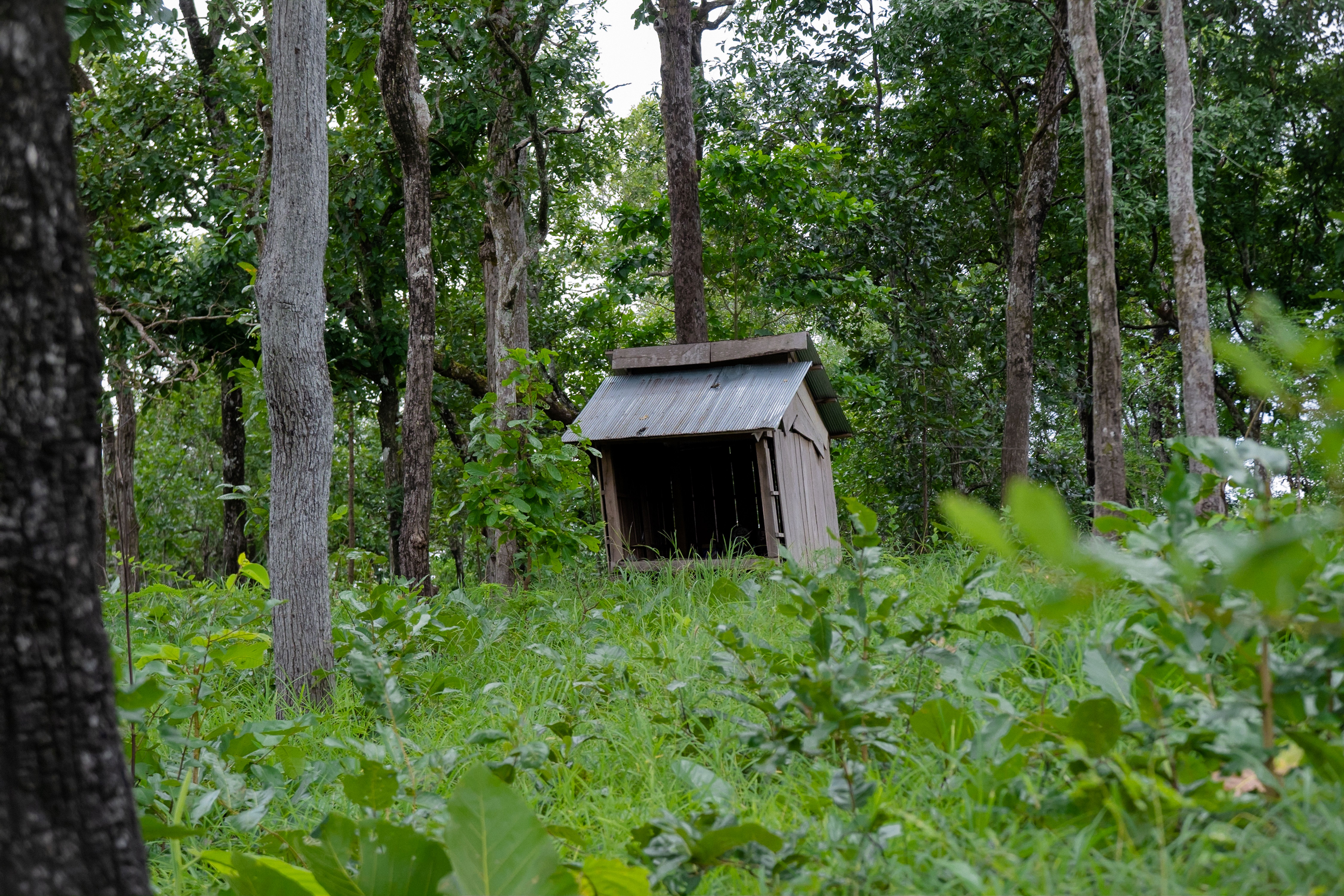
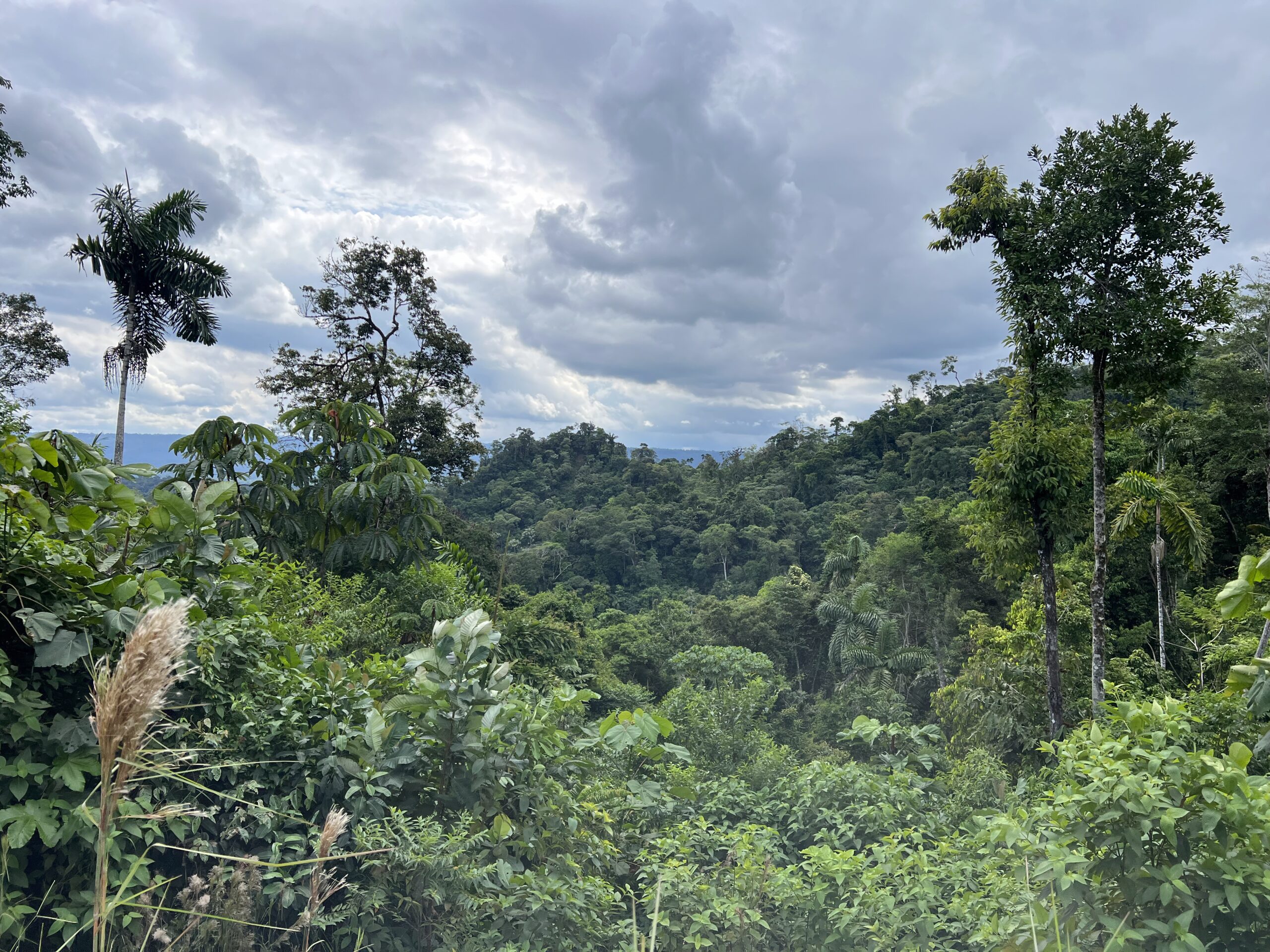
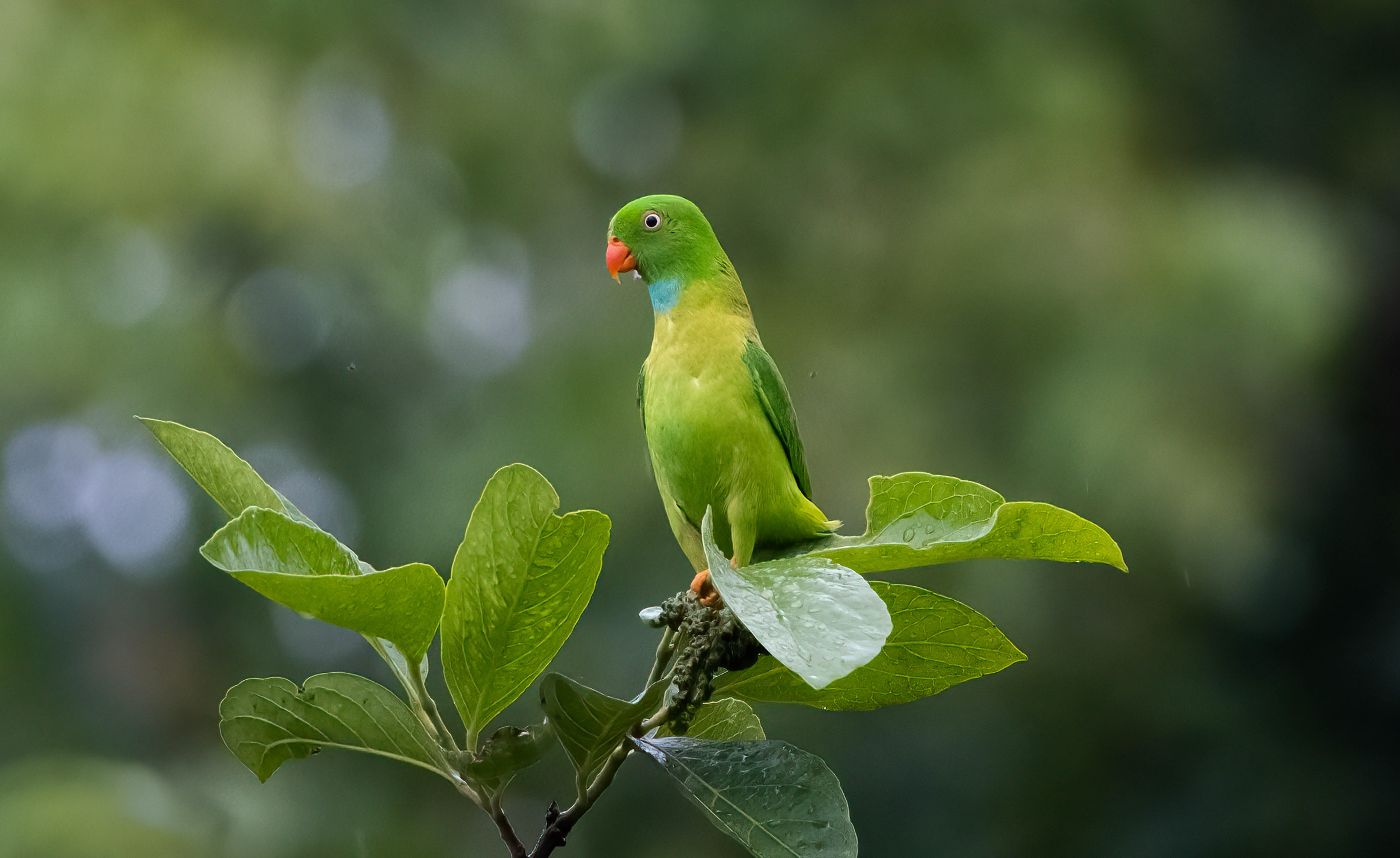
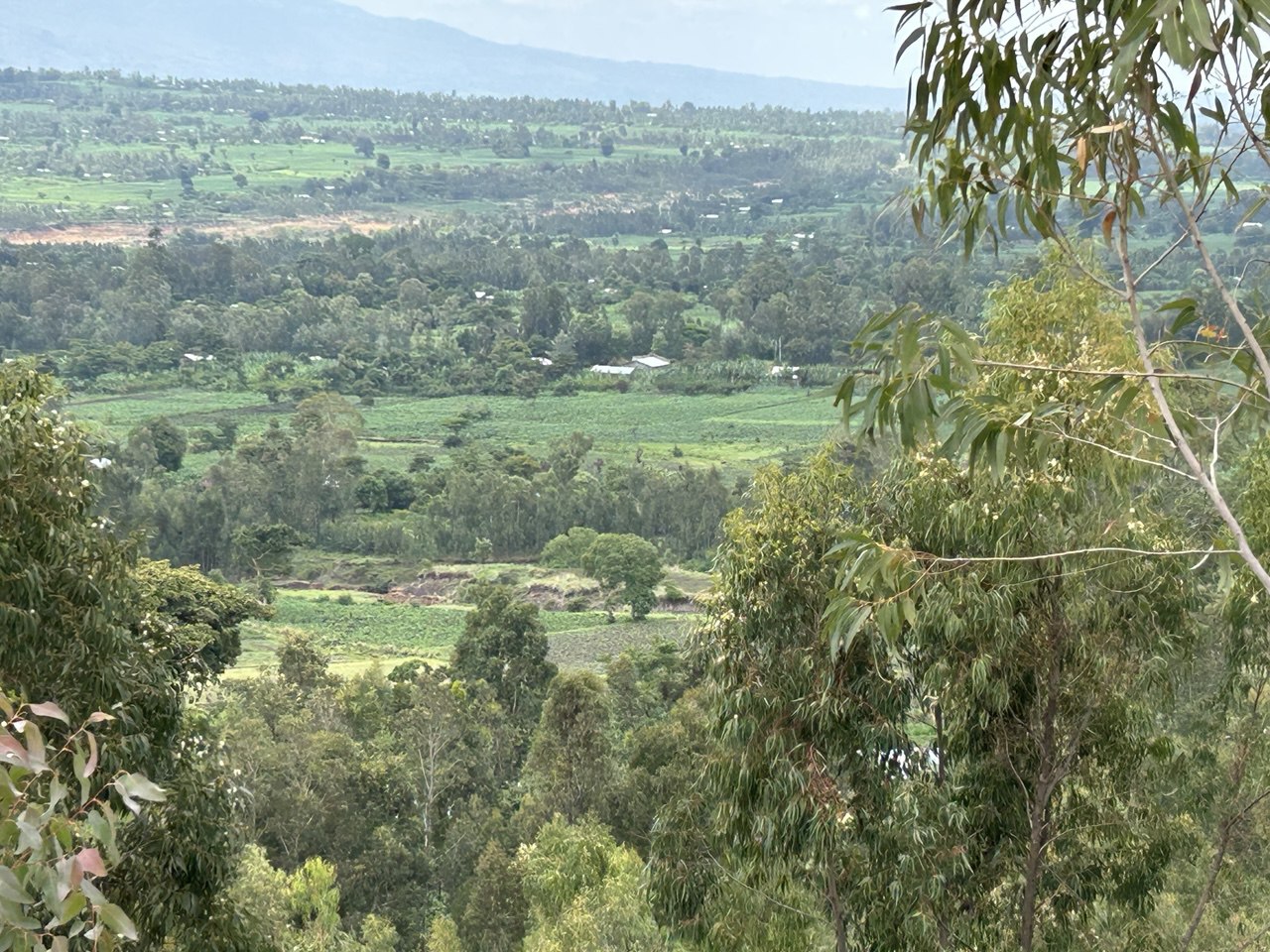
The highlands of Kenya comprise some of the most biodiverse regions of the world. However, these regions are under significant threat from land degradation, human-induced climate change, and unsustainable resource use. Smallholder extensive dairy farms rely on these pastures, yet their management practices often contribute to degradation. While research exists on livestock GHG emissions, a critical gap remains: we know little about the trade-offs and synergies between smallholder pasture management, biodiversity, and productivity. This lack of evidence hinders the ability of climate finance bodies and policymakers to support practices that could simultaneously alleviate poverty and restore ecosystems.
Insight
Adopting a multi- and transdisciplinary approach, HABITAT identifies and scales “positive deviance”—learning from pioneer farmers who are already successfully managing biodiverse, climate-resilient pastures. We combine data collection and farmer-to-farmer learning networks with rigorous modelling to identify bottlenecks and opportunities for adoption. By quantifying the trade-offs between biodiversity, soil health, and milk production, we generate robust evidence to support public and private investment in sustainable livestock systems. Our nuanced recommendations will enable policymakers to scale these successful, locally-rooted practices to similar contexts across the African region.
Collaboration
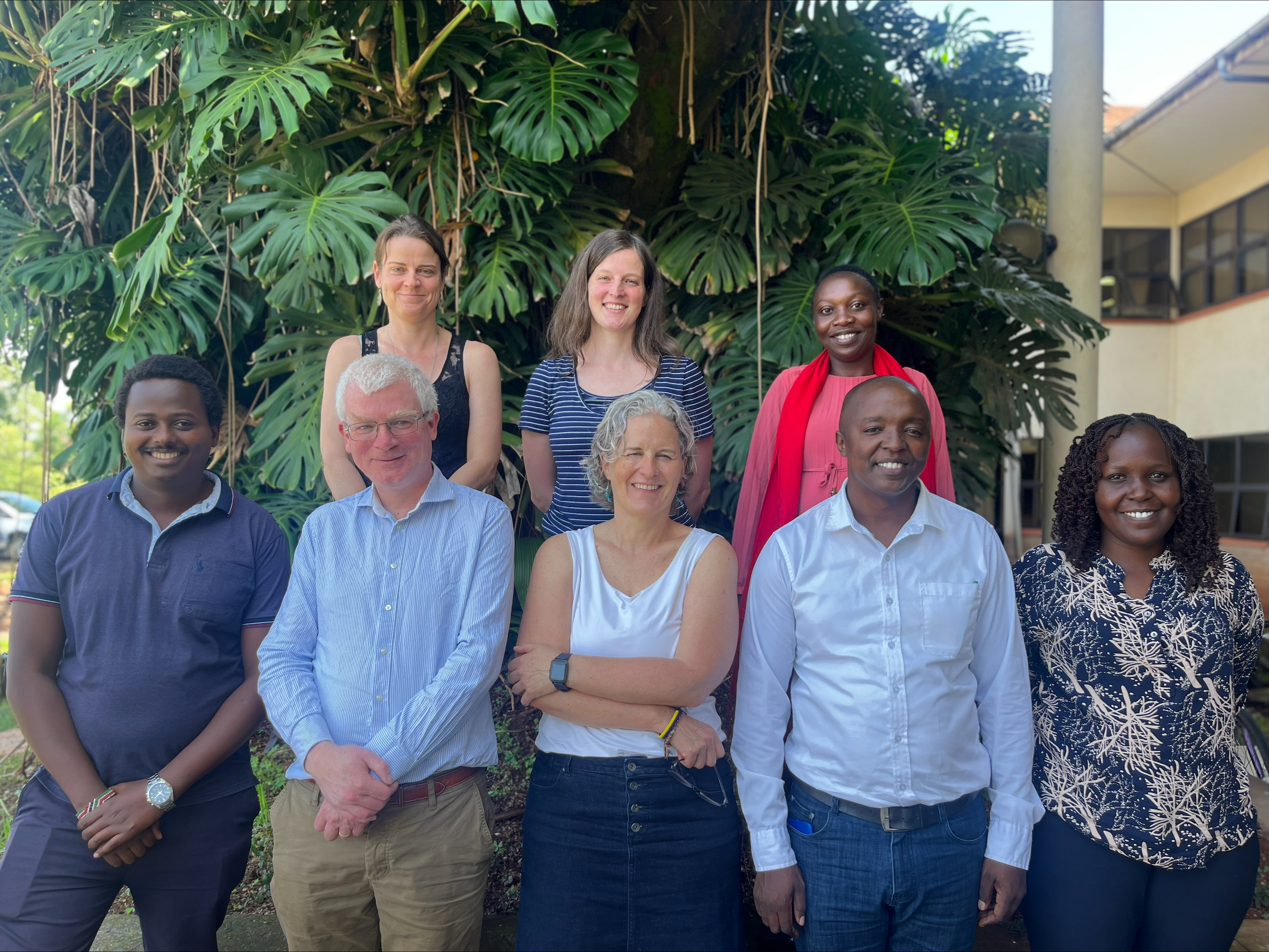
This project leverages a unique North-South collaboration, uniting the ecological modelling expertise of Bangor University with the livestock systems knowledge of the International Livestock Research Institute (ILRI). We partner with the University of Eldoret for local agricultural innovation. We also employ specialized botanical support for biodiversity assessment. This scientific consortium works directly with local county partners and farmer networks to ensure research is grounded in the reality of the Kenyan highlands.
“Smallholder dairy farmers in the Kenyan highlands are the stewards of vital ecosystem services. Our project moves beyond top-down solutions by identifying and scaling the innovative pasture management practices already being used by ‘pioneer’ farmers—practices that prove we can balance productivity with biodiversity and climate resilience.”
Discover More
Meet HABITAT: Harnessing Pasture Biodiversity and Productivity