Challenge
To promote ecologically biodiverse restoration that values the sustainable use of forests in all their diversity, it is essential to close the knowledge gap on optimal conditions for germination and storage of forest seeds through dialogue between local and scientific knowledge systems.
A major challenge is ensuring that Indigenous knowledge, rooted in ancestral and local practices, is recognised and valued in technical and regulatory standards for seed bank management, which often prioritise Western approaches. Equally important is fostering genuine collaboration with academic science on an equal footing, creating a horizontal dialogue in which both knowledge systems are seen as complementary and equally legitimate.
Insight
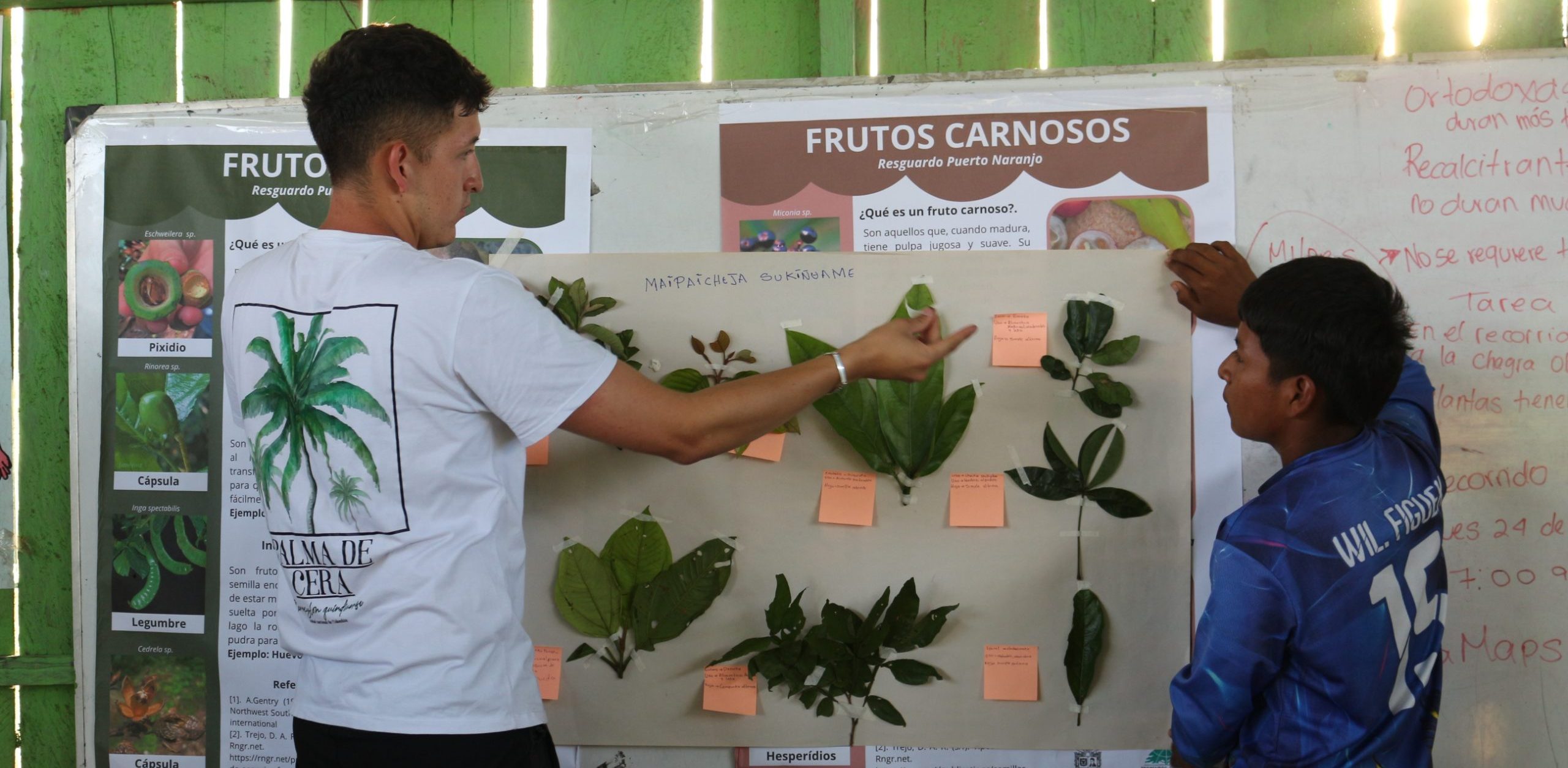
By bringing together undergraduate, master’s, and doctoral students in forestry, environmental sciences, biology, anthropology, and other fields, we seek to carry out joint research processes in which academic knowledge and Indigenous knowledge engage in intercultural dialogue to build research processes on seed germination for restoration.
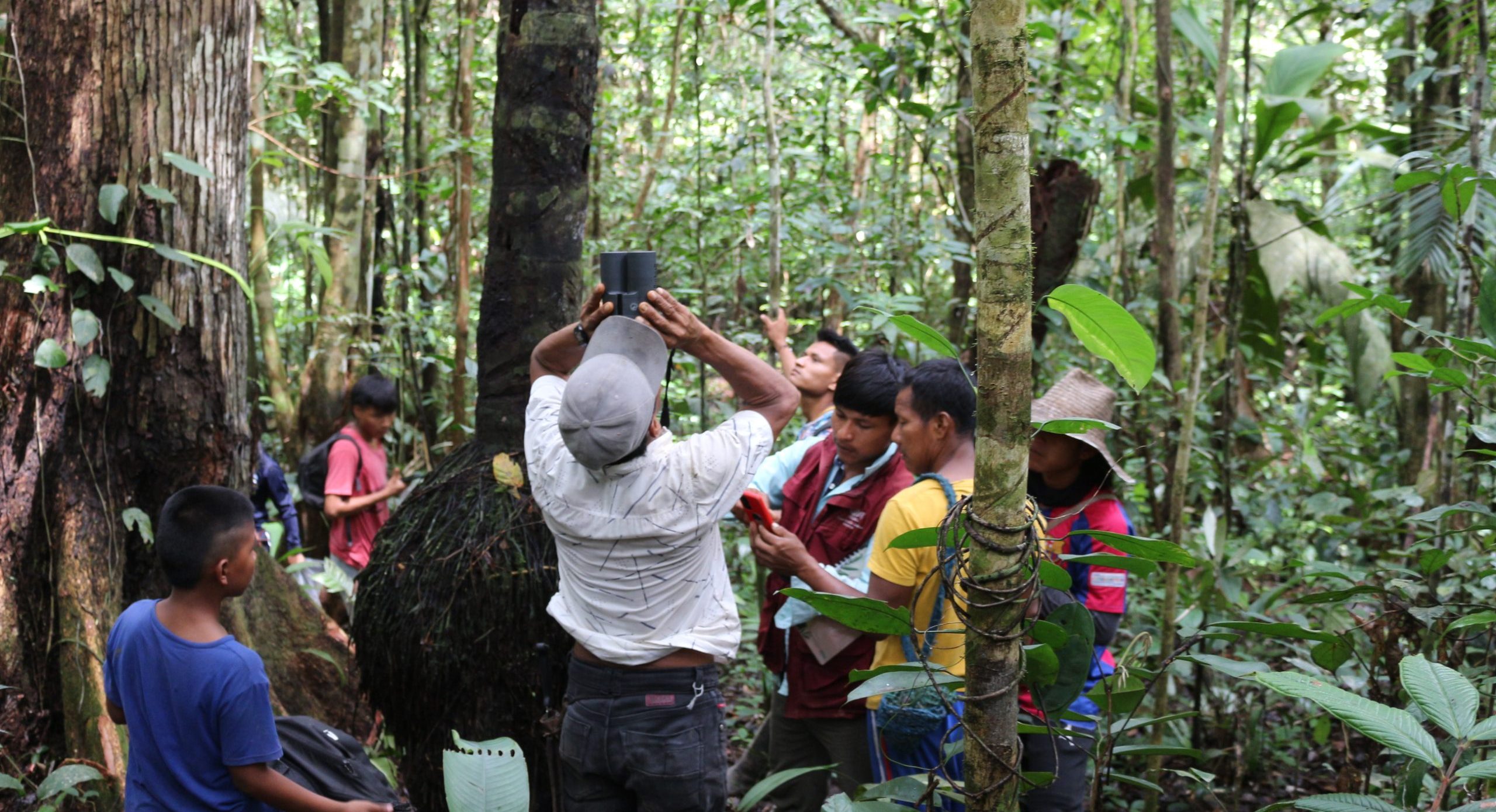
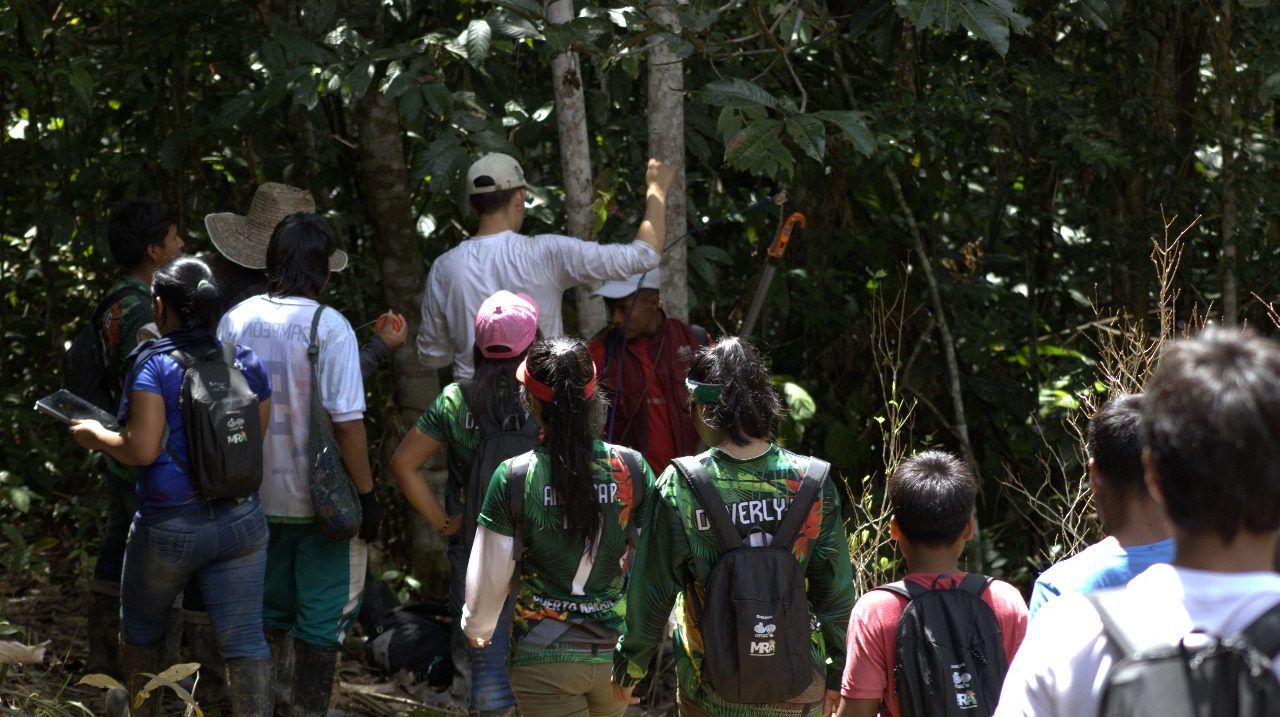
The Indigenous community has a group of young researchers who generate knowledge through intergenerational learning from their elders, monitoring tree phenology, and conducting germination trials, in dialogue with scientific approaches.
The literature review highlighted a knowledge gap concerning seed germination processes in the Amazon rainforest. Research by the community’s young Indigenous members, together with elders’ traditional knowledge, demonstrated both a wealth of Indigenous understanding that supports collaborative dialogue and a strong investigative spirit among the youth.
Collaboration
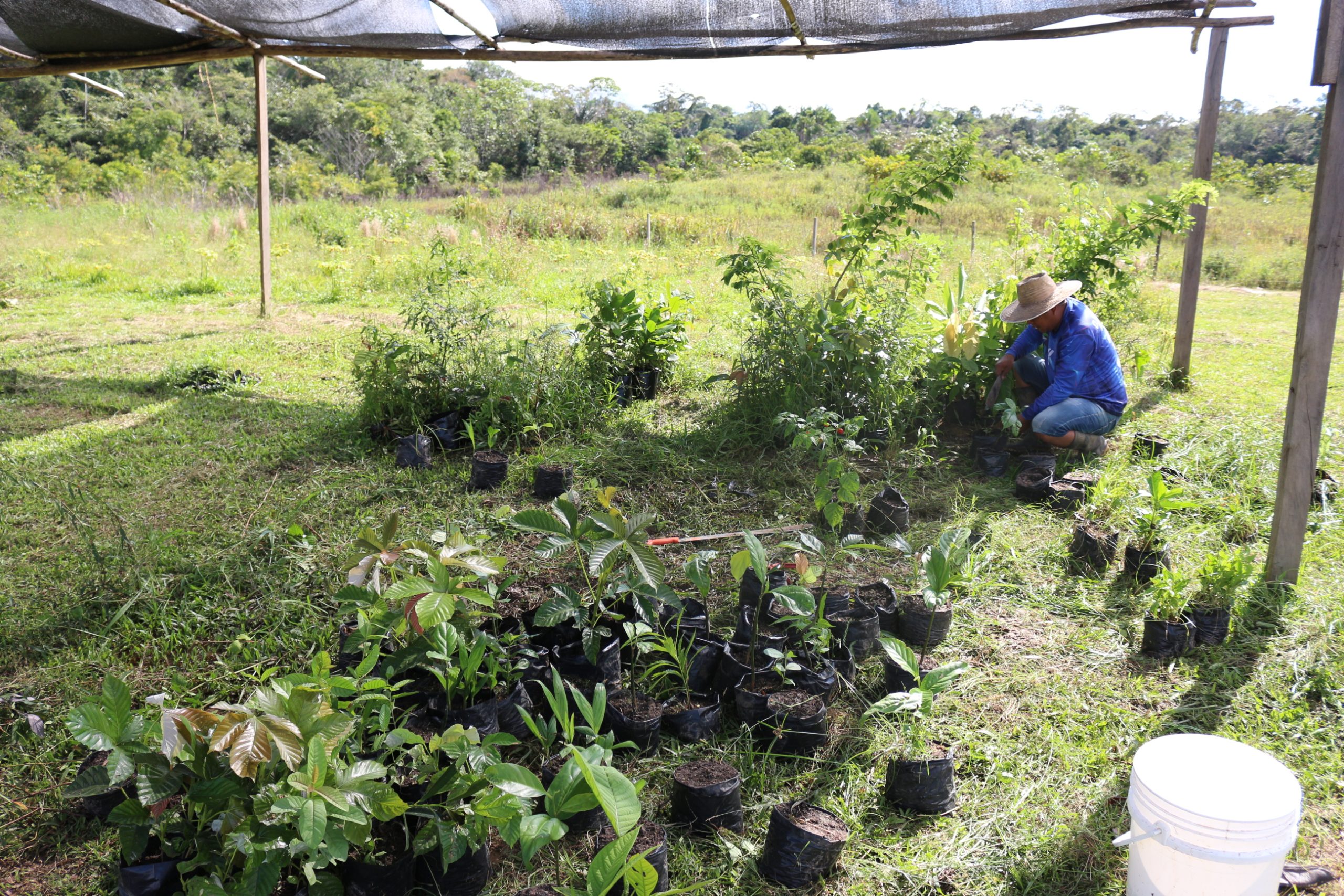
Research agreements with the Indigenous community have facilitated the development of local processes for monitoring tree seeds and forest seedlings, including germination tests. They have also enabled university students to visit the territory and engage in knowledge exchanges with young Indigenous researchers.
The Distrital University is a key partner in these efforts, involving its students in research with Indigenous communities and contributing technical and academic expertise that strengthens the dialogue between scientific and traditional knowledge.
Dr Maria Clara Hamman
María Clara has over thirty years of professional experience in the analysis of socio-ecological systems in rural and intercultural contexts, working collaboratively with Indigenous, peasant, and Afro-descendant communities in Colombia. Her research and professional practice have focused on documenting and systematising local management practices to strengthen governance and inclusive decision-making, using participatory methodologies such as social mapping and community-based research.
Maria has integrated a gender perspective across territorial projects and has extensive experience in interinstitutional collaboration, project coordination, and participation in multi-actor governance platforms.