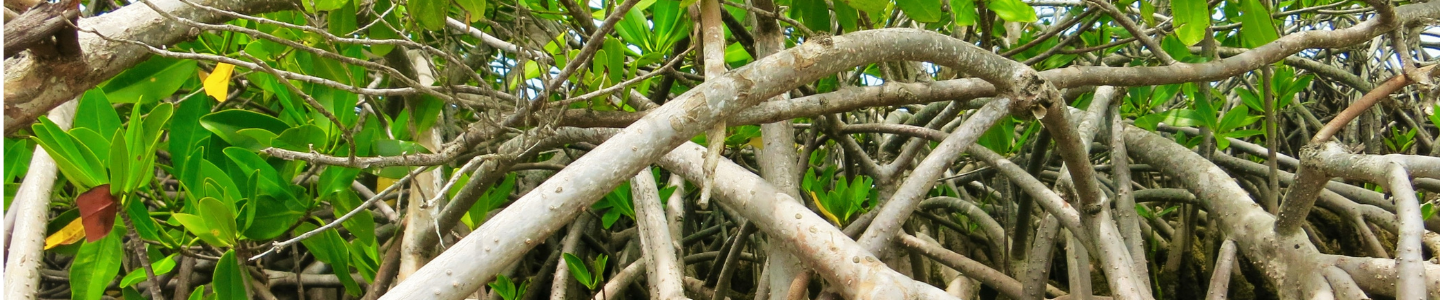
Listening to mangroves: Using Autonomous Recording Units and Machine Learning tools to assess avian biodiversity in the mangroves of coastal Suriname

Listening to Mangroves: Using Autonomous Recording Units and Machine Learning Tools to Assess Avian Biodiversity in the Mangroves of coastal Suriname, presents findings from research conducted across six coastal sites between December 2024 and July 2025.

Using passive acoustic monitoring and the BirdNET algorithm, the study identified 508 bird species and demonstrated statistically significant differences in acoustic complexity between mangrove types. The research highlights the ecological importance of mangroves for biodiversity and coastal protection, and demonstrates how non-invasive, data-driven tools can strengthen ecosystem monitoring and inform climate-resilient coastal management.

Share

Global seaweed stock and Marine Protected Area assessments provide potential opportunities to protect wild seaweeds

This Applied Phycology article presents findings from the GlobalSeaweed SUPERSTAR project, led by the Scottish Association for Marine Science, assessing seaweed aquaculture and wild harvesting in relation to biodiversity protection and Marine Protected Areas.

Using global mapping and multi-dataset analysis across 82 countries, the study identifies 261 commercially used species, highlights major gaps in species identification and production reporting, and shows that nearly half of seaweed activities occur within 1 km of MPAs.

With relevance to Indonesia and Malaysia, findings inform strategies to protect wild stocks, strengthen coastal ecosystems, build capacity and improve livelihoods.

Share

State of the World’s Seaweeds 2025

The State of the World’s Seaweeds 2025, presented by the Natural History Museum and the Scottish Association for Marine Science, provides a global assessment of seaweed biodiversity, production, trade and sustainability, synthesising ecological and socio-economic evidence to inform conservation and responsible industry growth.

It highlights trends in wild harvesting and aquaculture, pressures on coastal ecosystems, governance gaps, and opportunities to strengthen sustainable management and equitable value chains. The analysis supports improved data systems, policy coherence and investment in climate-resilient seaweed sectors.

Share