Working with Indigenous People and local communities: 8 Lessons from GCBC Research

Research conducted in partnership with Indigenous People and local communities (IPLCs) is increasingly shown to develop stronger, more inclusive understanding of our shared environment. By grounding evidence in local realities and lived experience, such approaches improve the relevance, impact, and resilience of interventions.

At the same time, the relationship between researchers and IPLCs may be characterised by very distinct priorities, significant power imbalances, and different ways of interpreting the world. Recognising this complexity, GCBC invited grant recipients to share their reflections on conducting research with Indigenous Peoples and local communities, in particular highlighting the insights they were gaining in the process.

Share

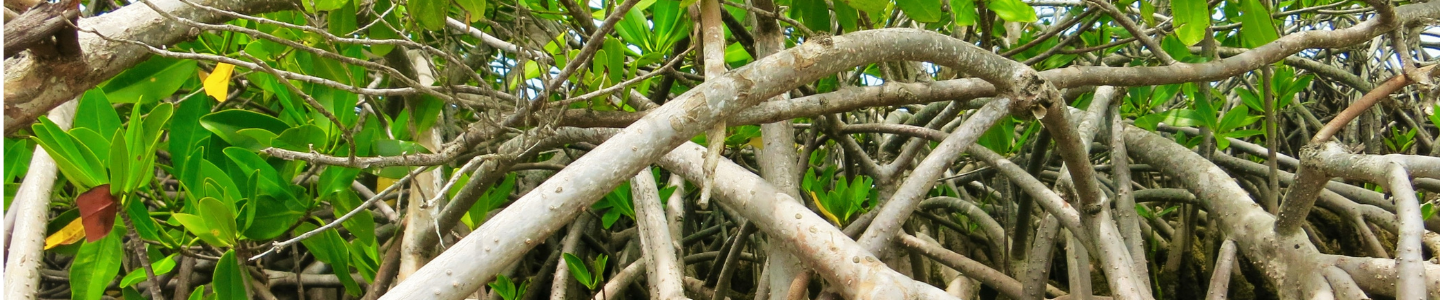
Listening to mangroves: Using Autonomous Recording Units and Machine Learning tools to assess avian biodiversity in the mangroves of coastal Suriname

Listening to Mangroves: Using Autonomous Recording Units and Machine Learning Tools to Assess Avian Biodiversity in the Mangroves of coastal Suriname, presents findings from research conducted across six coastal sites between December 2024 and July 2025.

Using passive acoustic monitoring and the BirdNET algorithm, the study identified 508 bird species and demonstrated statistically significant differences in acoustic complexity between mangrove types. The research highlights the ecological importance of mangroves for biodiversity and coastal protection, and demonstrates how non-invasive, data-driven tools can strengthen ecosystem monitoring and inform climate-resilient coastal management.

Share

Primer Informe Técnico de Restauración Forestal en la Comarca Ngäbe-Buglé (Spanish)

The first Forest Restoration Monitoring Report from the Ngäbe-Buglé Comarca in Panama, produced by the Smithsonian Tropical Research Institute, presents early results from the Intelligent Reforestation Programme.

Monitoring of 14 one-hectare restoration plots and 15 transects, established in 2022, evaluated seedling survival, species richness, and successional dynamics across 27 native tree species.

The findings demonstrate the potential of community-led, science-based restoration using native species to enhance biodiversity recovery, increase carbon sequestration and support resilient, sustainable livelihoods in Indigenous territories.

Share

From Humble Beginnings to Pioneers of Resilient Farming in Kipkewa Village

This blog on resilient farming in Kipkewa Village presents a case study from Bomet County, Kenya, highlighting smallholder-led adoption of climate-resilient and diversified farming systems.

It documents how integrated crop and livestock practices, peer learning and locally adapted approaches have strengthened food security, household incomes and community resilience to climate variability. The story demonstrates how farmer-driven innovation contributes to sustainable land management and scalable, Nature-based Solutions for rural development.

Share