Project Summary
Countries: Ecuador
Delivery Partner: Birdlife International
Project Partners: The UN Environment Programme World Conservation Monitoring Centre (UNEP-WCMC), Durham University, Fundacion Jocotoco
Principal Investigator: Dr Stefano Barchiesi, Senior Ecosystem Services Officer, Birdlife International
Contact: stefano.barchiesi@birdlife.org
This project analyses how climate and land-use change will impact the provision and flow of vital ecosystem services in Ecuador’s Key Biodiversity Areas. We combine scientific models with local knowledge to guide adaptive management and inform policies that safeguard both biodiversity and human well-being.
Challenge
There is a critical lack of understanding of how climate and land-use change will impact the ecosystem services (ES) provided by Ecuador’s Key Biodiversity Areas (KBAs). Without detailed projections of ES flows and climate exposure, effective site management is hampered. This gap limits our ability to foresee risks to human livelihoods, hinders the targeting of conservation finance, and undermines the development of climate-resilient land-use plans.
Insight
The project addresses this by modeling the exposure of KBAs to future climate change and projecting how the provision and flow of key ecosystem services such as water supply and climate regulation will change. We combine high-resolution climate exposure assessments and species distribution models with data from participatory workshops to ground-truth findings and understand local dependencies. This integrated approach allows us to evaluate the potential of Nature-based Solutions (NbS) for adaptive management.
The evidence we generate, which identifies areas and services at highest risk, provides a robust foundation for specific KBA management recommendations. These insights are already feeding into national policies, including Ecuador’s National Biodiversity Strategy and the formal process for KBA recognition, ensuring that future conservation is informed by a clear understanding of climate impacts and changing ES flows.
Collaboration
Success hinges on a unique collaboration between international research institutions and a leading national conservation NGO. Durham University and UNEP-WCMC provide world-class expertise in species distribution modelling, climate exposure analysis, and ecosystem service assessment. Fundación Jocotoco offers critical on-the-ground presence, deep local networks, and extensive experience with KBA management in Ecuador.
This partnership is strengthened through active engagement with the Ecuadorian Ministry of Environment, the KBA National Coordination Group, and local communities, including the Chachi people. Collaborations with NGOs like Fundación Arcoiris are ensuring the replication and scaling of project methodologies, embedding the project’s tools and findings into the national conservation landscape.
Our project bridges the gap between global climate models and local realities. By integrating sophisticated scientific projections with the knowledge and priorities of the communities who depend on these ecosystems, we are co-producing evidence that is not only robust but also actionable and equitable, ensuring conservation strategies are built to last in a changing climate.
Discover More
Stefano Barchiesi
Stefano Barchiesi is a Senior Ecosystem Services Officer at BirdLife International, with nearly two decades of experience linking conservation science with policy and practice. His work focuses on quantifying and valuing nature’s benefits to people to inform better environmental decision-making. He specialises in the application of tools like TESSA to assess ecosystem services and design Nature-based Solutions in partnership with local stakeholders. In this project, he leads the consortium’s efforts to integrate participatory data with scientific modelling to enhance the climate resilience of Ecuador’s vital biodiversity areas.
Images:
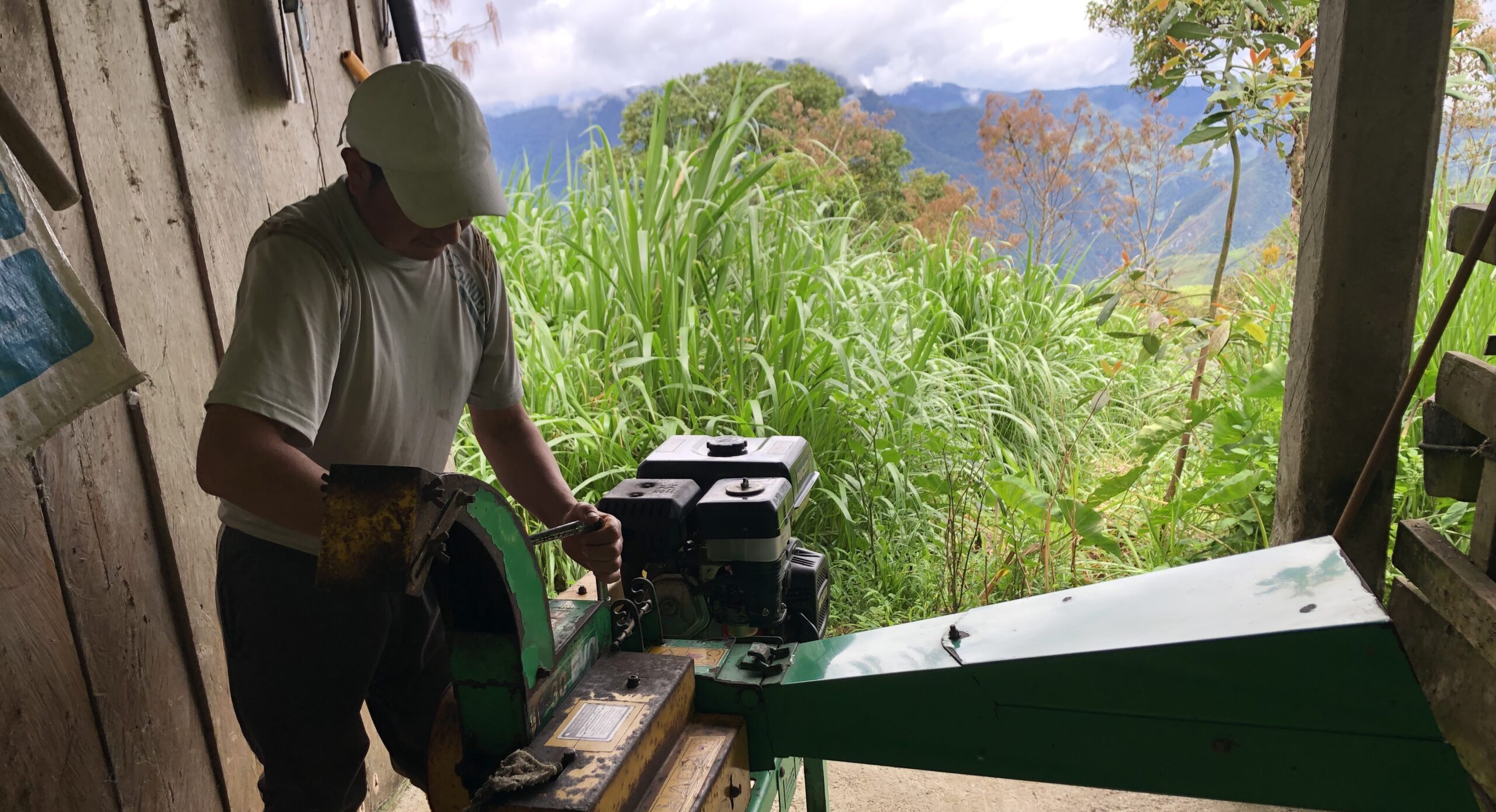
- Mixing of cattle fodder near Palanda – Podocarpus-El Cóndor cluster
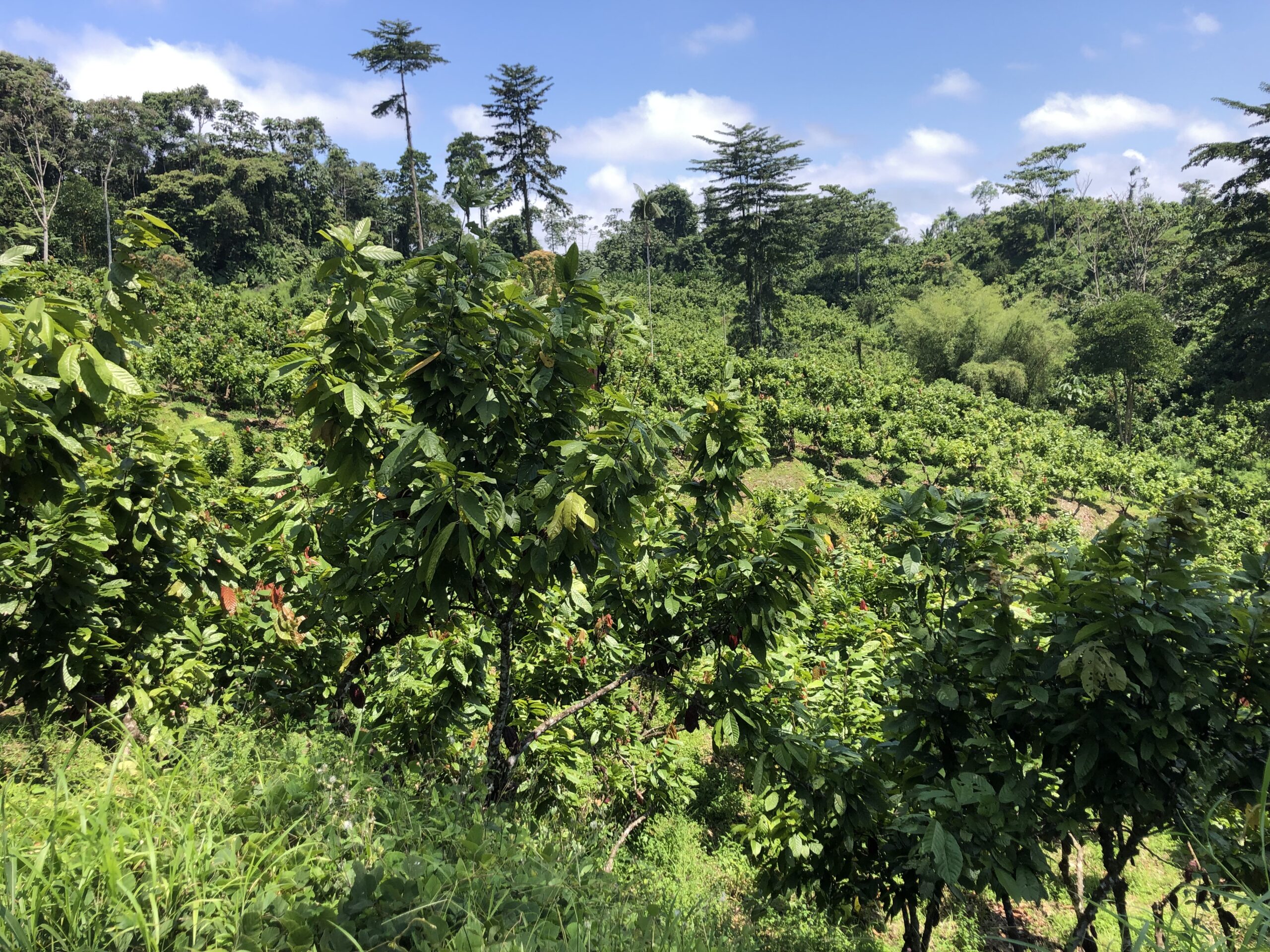
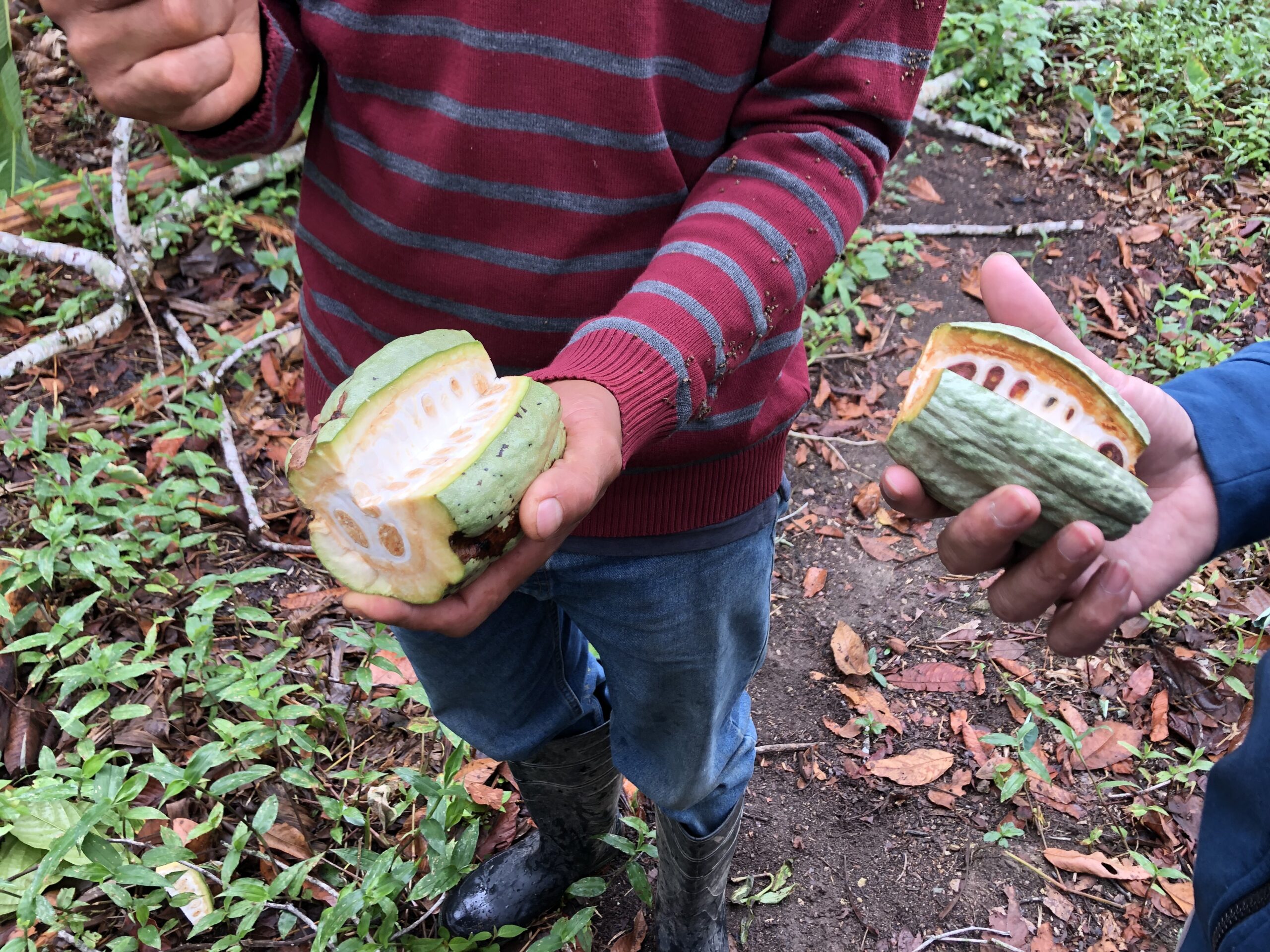
- Cacao field – Chocó cluster
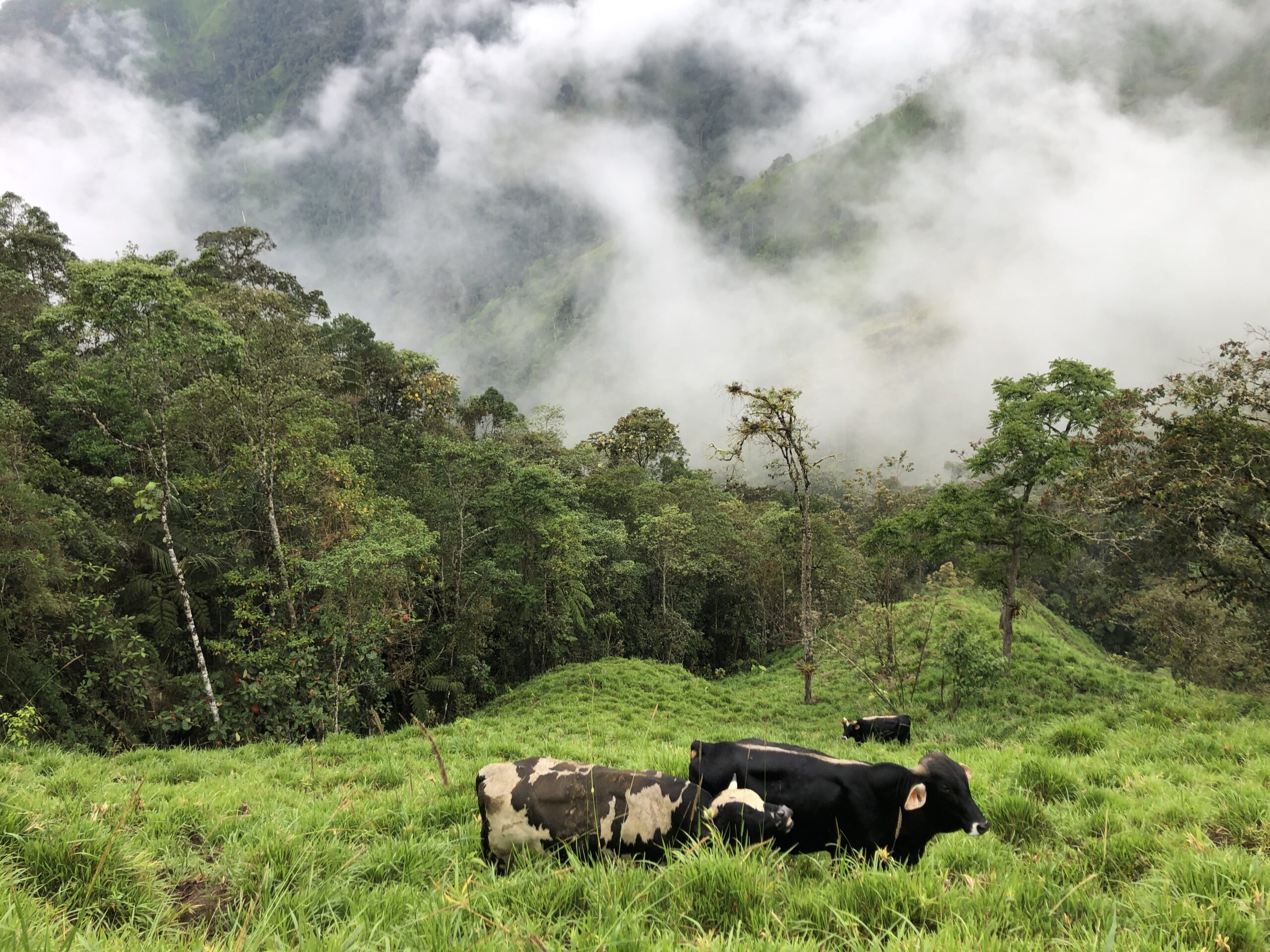
- Cattle farming near Palanda – Podocarpus-El Cóndor cluster
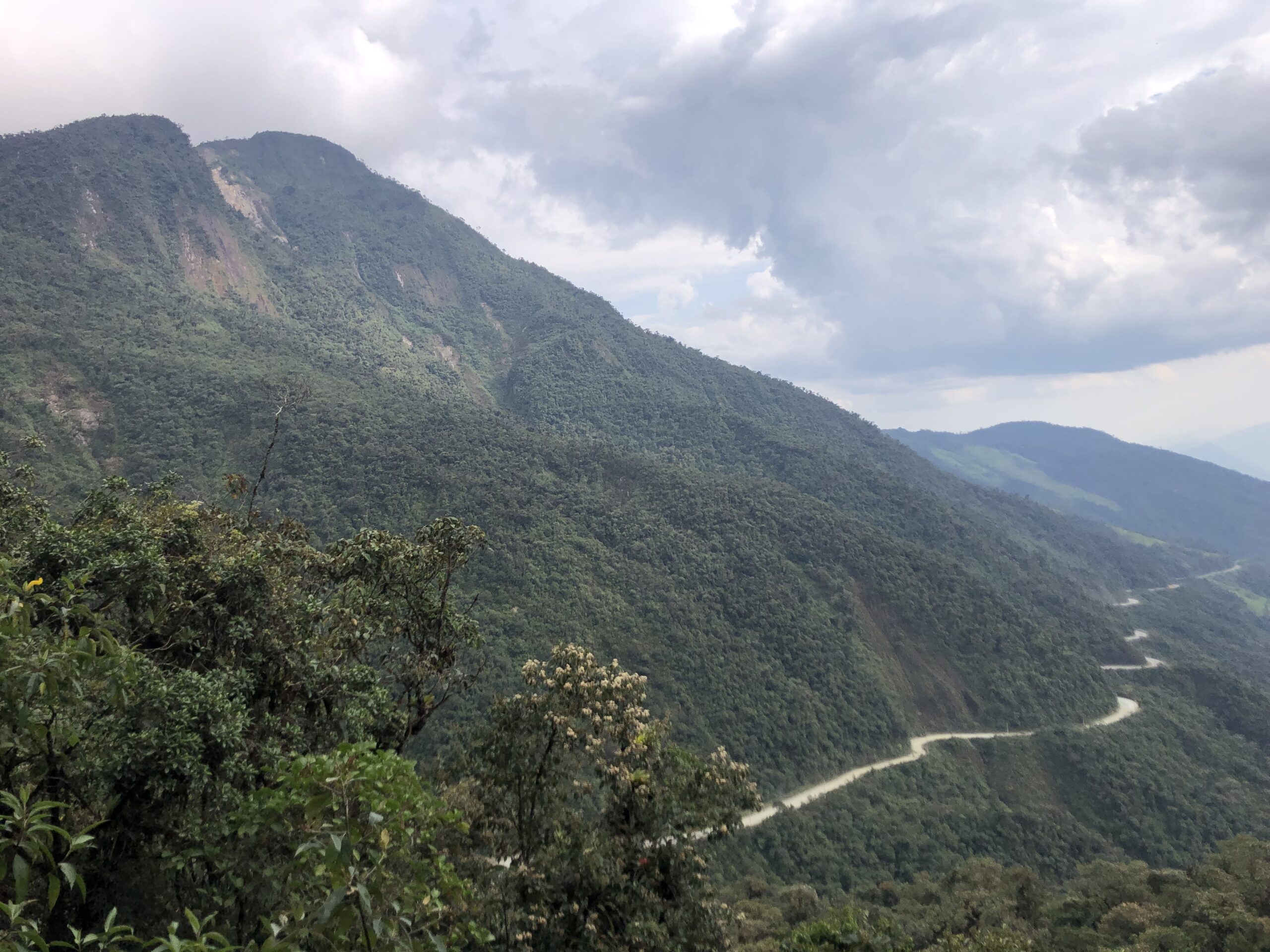
- Landslide risk along the road from the Tapichalaca Reserve – Podocarpus-El Cóndor cluster
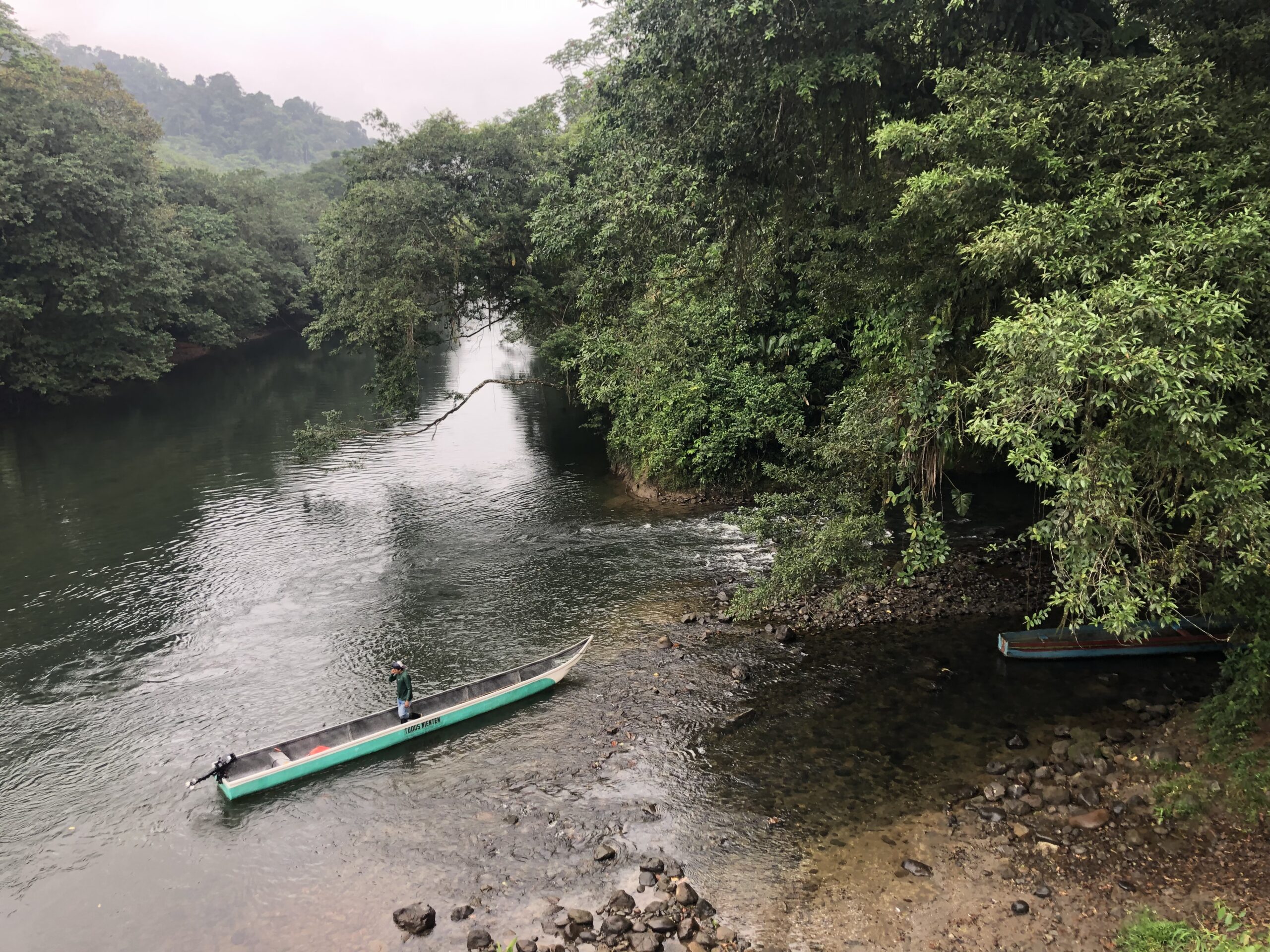
- Navigation along the Canandé River near Cristóbal Colón – Chocó cluster
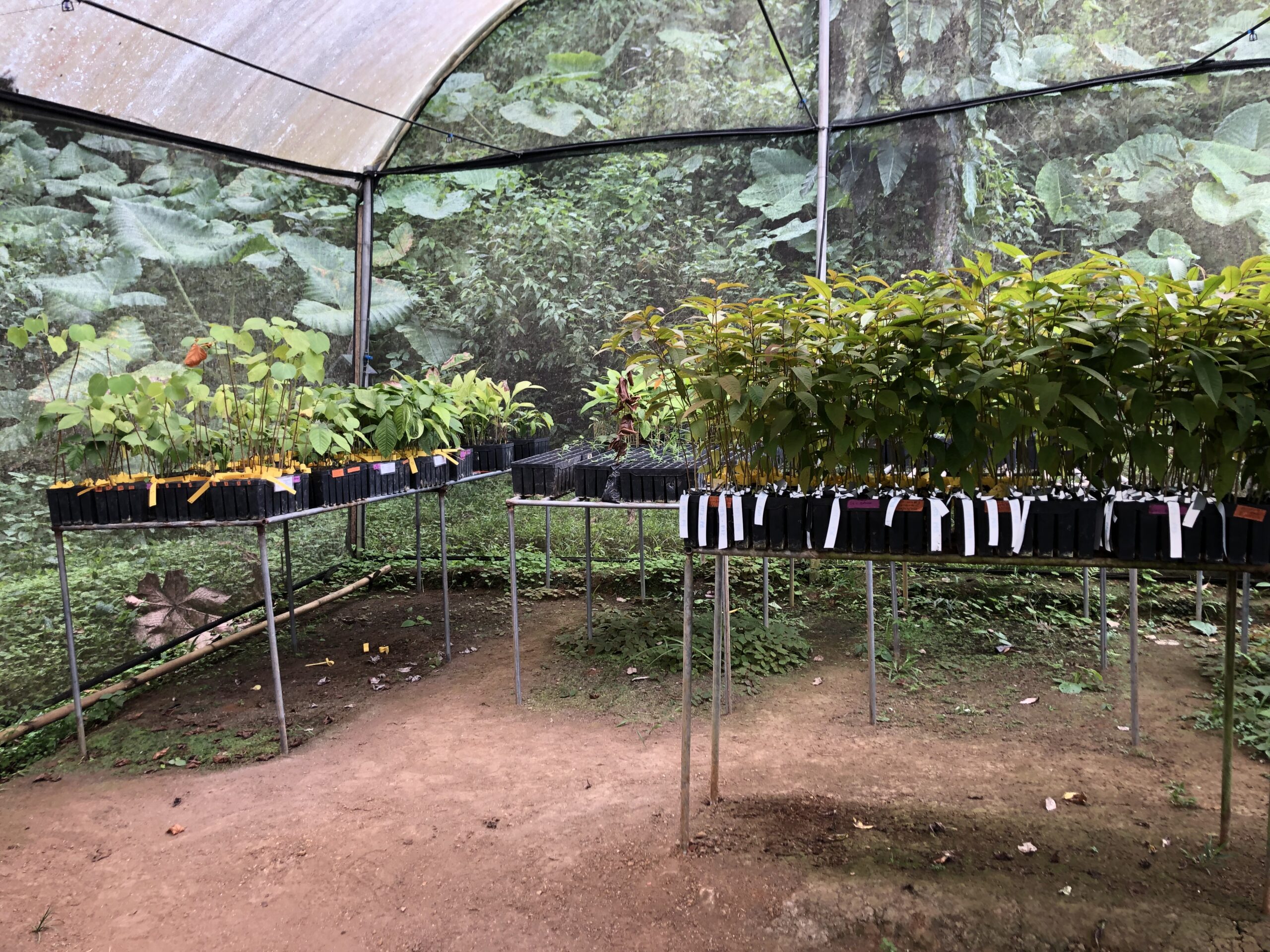
- Rare magnolia tree nursery in Canandé Reserve – Chocó cluster
- Wild cacao varieties in farms near Palanda – Podocarpus-El Cóndor cluster