Project Summary
Countries: Indonesia
Delivery Partner: University of Sussex
Project Partners: Monash Indonesia, Universitas Negeri Gorontalo,Universitas Papua
Principal Investigator: Professor Fiona Marshall, Professor of Environment and Development (SPRU – Science Policy Research Unit), University of Sussex
Contact: F.Marshall@sussex.ac.uk
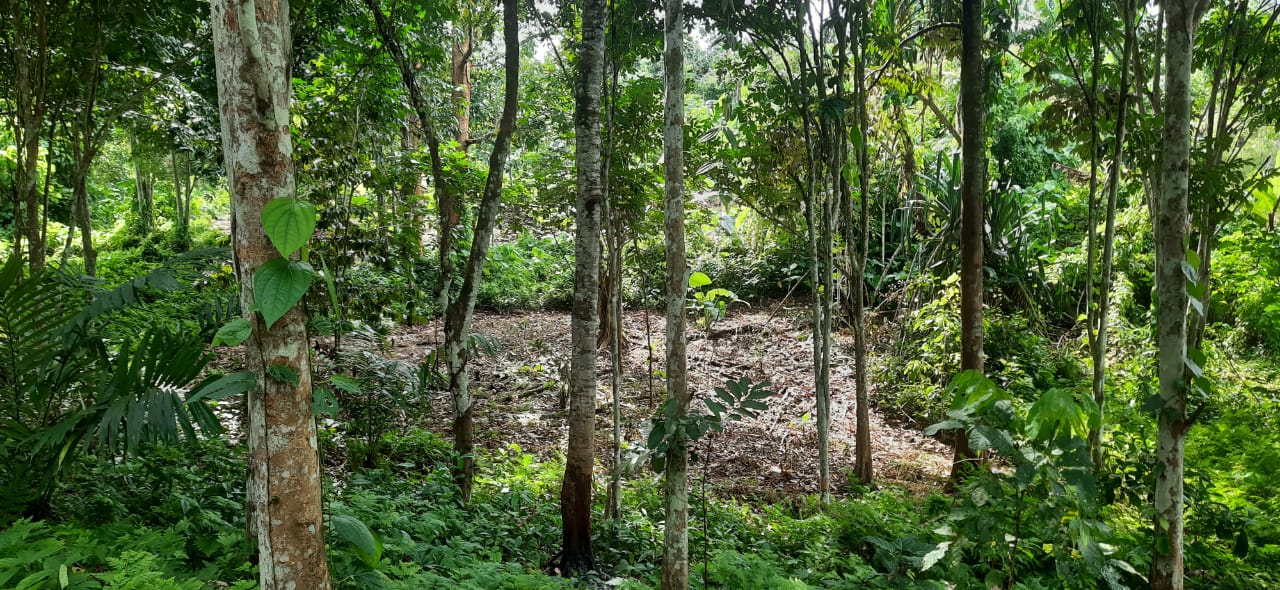
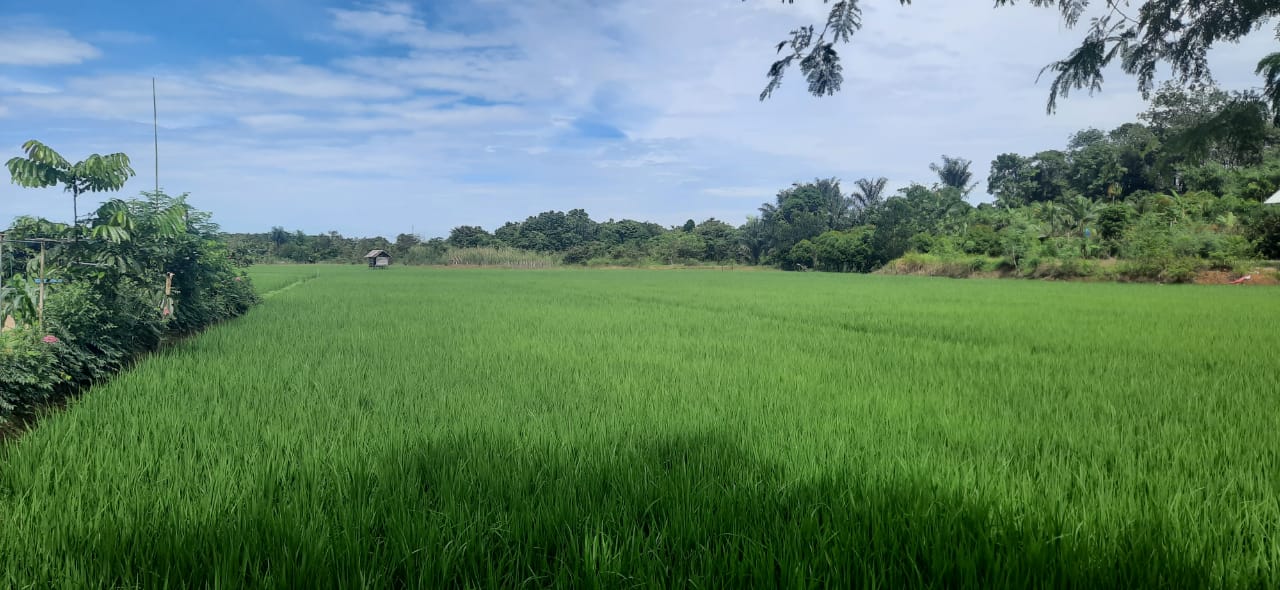
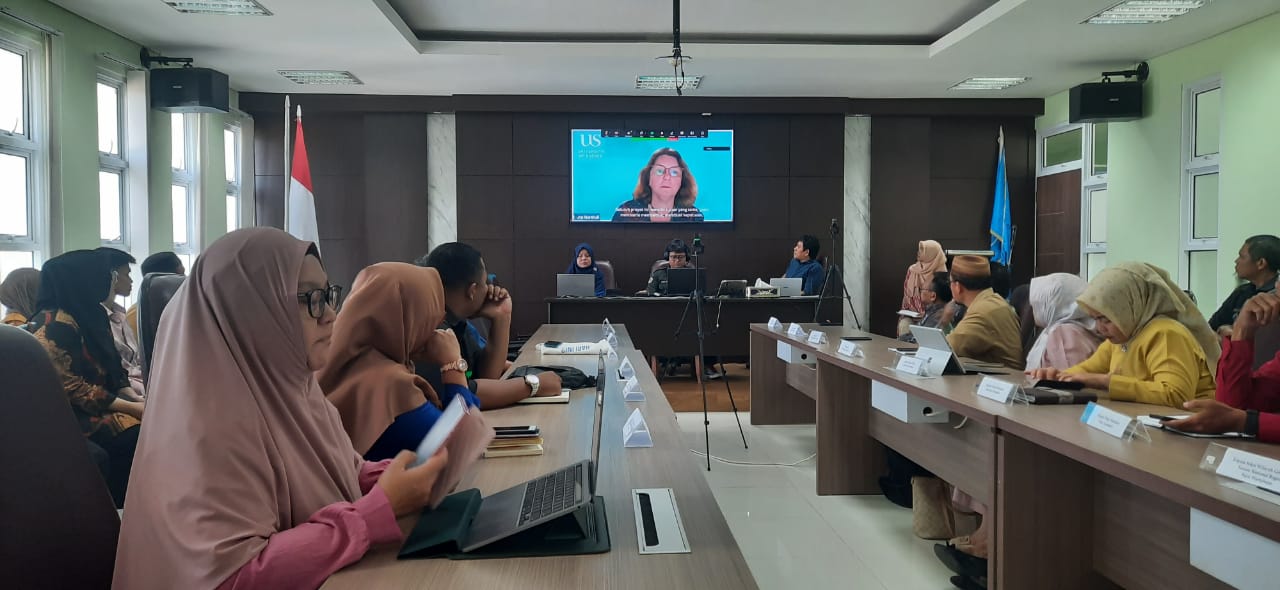
LEAF Indonesia is working with Indonesian farming communities, government agencies and NGOs to find ways for land-use to balance the country’s food security goals with environmental protection and the well-being of local communities.
Challenge
To achieve future food security, Indonesia is vastly scaling up its agricultural capacity. While expanding monocrop plantations aim to achieve food sufficiency, the plans carry both risks and opportunities for protecting the country’s rich natural environment and the diverse rural communities that have farmed it for generations. The abundant biodiversity of Indonesia – one of the world’s megadiverse countries – contributes to the natural resilience of its agriculture against increasingly severe climate hazards including floods, droughts and forest fires.
Meanwhile, a diversity of traditional mixed cropping practices contributes to livelihoods at the local level. This complements ongoing national efforts to combat food security and undernourishment across the population, 6% of whom in 2021 still experienced ‘moderate or severe food insecurity’ according to the United Nations. To address all aspects of food security, land-use decisions should grasp the trade-offs and mutual benefits for food production, biodiversity, climate resilience and local livelihoods.
Insight
To meet these challenges, LEAF Indonesia is working with government agencies and NGOs, as well as communities on the ground, towards a more sustainable, inclusive and evidence-driven approach to land-use.
It is bringing their diverse formal and informal knowledge together with a swathe of geospatial biodiversity, climate resilience and socioeconomic data. The project is embedding this into future scenarios and action plans and building a shared understanding of the trade-offs and synergies between food security, biodiversity and climate, and livelihood goals in land-use planning. At the core of this are the potential solutions offered by multifunctional land-use and integrated cropping.
The team is focussing its efforts across three provinces targeted for food production development and encompassing the environmental, socioeconomic and cultural diversity of Indonesia: Gorontalo, East Kalimantan and West Papua. Through ongoing work with key partners and communities, LEAF Indonesia has identified two priority areas to tangibly strengthen sustainable and inclusive land-use:
1) Supporting integrated decision-making between regional planning agencies and other sectoral organisations and enabling their use of diverse data sources, and through consultation with farmer groups.
2) Building capacity in sustainability and inclusivity in agricultural practice between communities, and in monitoring within organisations.
Collaboration
LEAF Indonesia is a transdisciplinary project bringing together the interdisciplinary expertise of institutions in the United Kingdom and across Indonesia. The five core partners include the University of Sussex, Monash University, Indonesia, Universitas Negeri Gorontalo, Universitas Mulawarman, and Universitas Papua.
Core Indonesian partners also draw on the professional expertise of existing research links with BAPPEDAs (regional development planning agencies), national park authorities, NGOs and farmers’ groups.
Land use to ensure national food security goals can pose serious trade-offs with biodiversity, local livelihoods and climate resilience. But by making the system dynamics more visible and bringing local experiential knowledge and innovation together with formal knowledge for integrated decision making, there is enormous potential to build synergies in the form of climate-resilient agriculture.
Discover More
Professor Fiona Marshall
Fiona Marshall is Professor of Environment and Development at University of Sussex Business School’s Science Policy Research Unit (SPRU). She is a transdisciplinary systems researcher. Through partnerships in the UK, Africa, Asia, Latin America, and Oceania, she has collaborated across disciplines, sectors, and cultures to connect theory and practice and to advance understanding of how social, environmental, and technological change intersect to address complex sustainability challenges. She has a particular interest in the links between sustainable land-use, ecosystem service and well-being, and in food and agricultural systems.
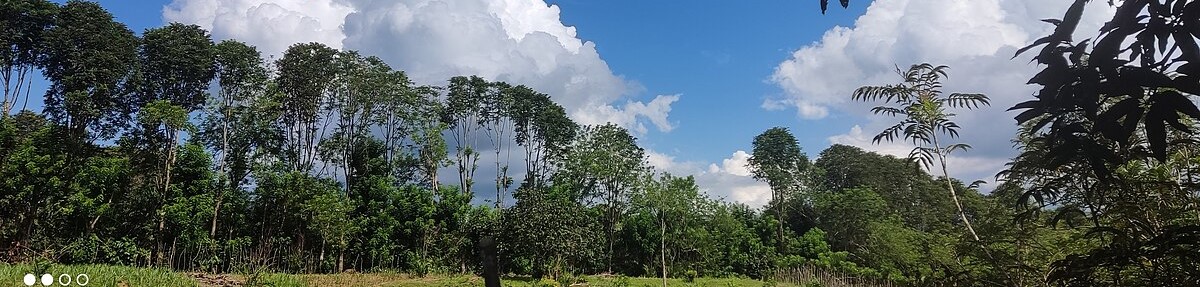
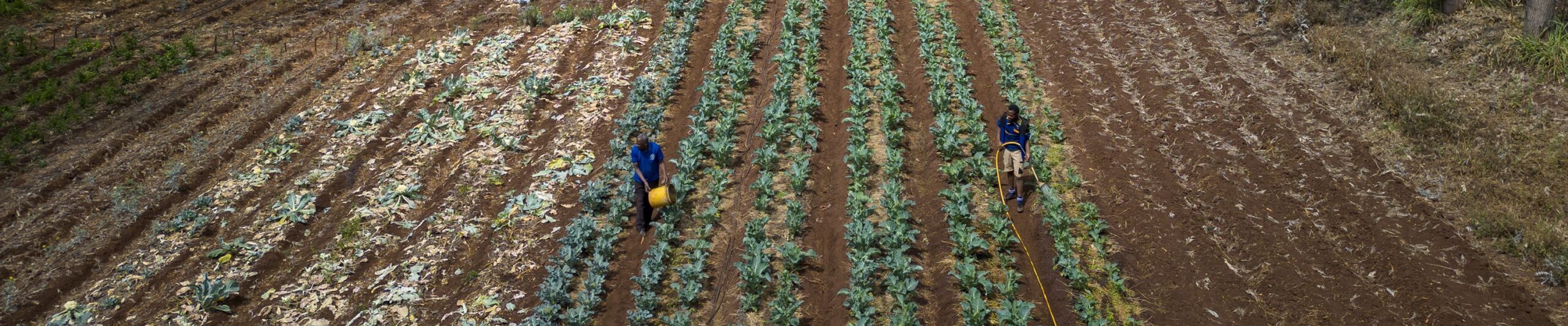
Photos show representative corn monoculture landscapes in Gorontalo, Indonesia and rice paddies in Kalimantan, Borneo – subjects of research into sustainable and diversified agroecological practices by LEAF Indonesia. The other image depicts Professor Fiona Marshall introducing the project to workshop participants. Head image: Vyacheslav Argenberg