


Jornada de Puertas Abiertas del Simposio de Investigación GCBC 2025

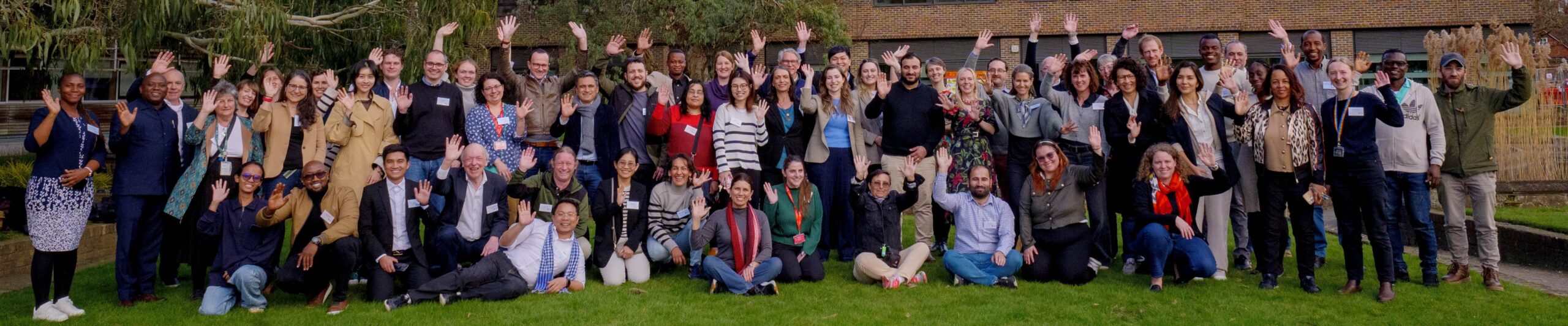
Cada año, el Centro Global de Biodiversidad para el Clima organiza un simposio de investigación centrado en compartir grandes ideas, prácticas transformadoras e historias de impacto.

Este año, invitamos a toda la comunidad del GCBC a participar en el evento a través de una Jornada de Puertas Abiertas online el martes 4 de marzo de 2025.

El programa de la Jornada de Puertas Abiertas incluyó cuatro atractivas sesiones con ponentes de todo el mundo. Puedes acceder a las grabaciones de las sesiones más abajo.

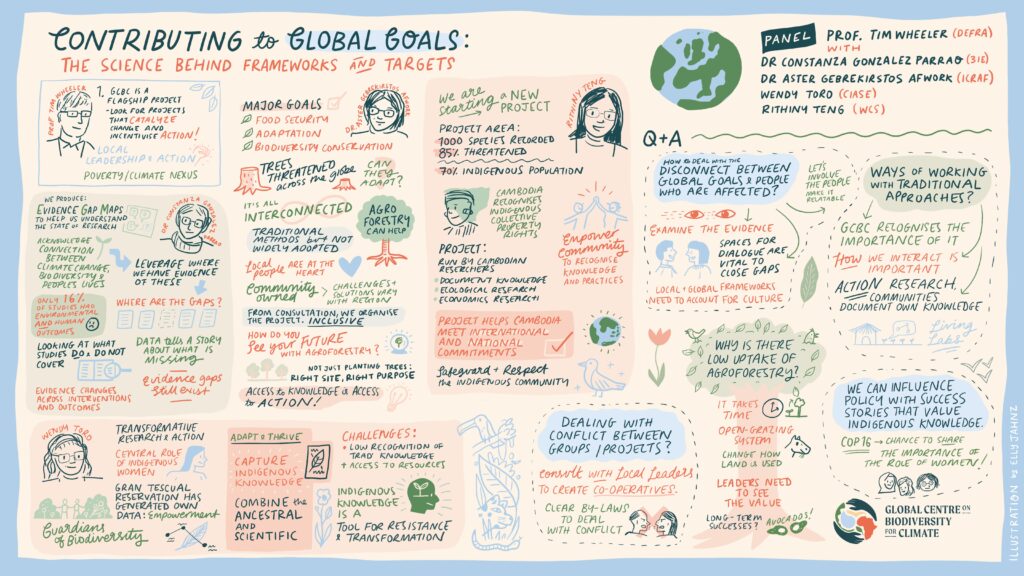
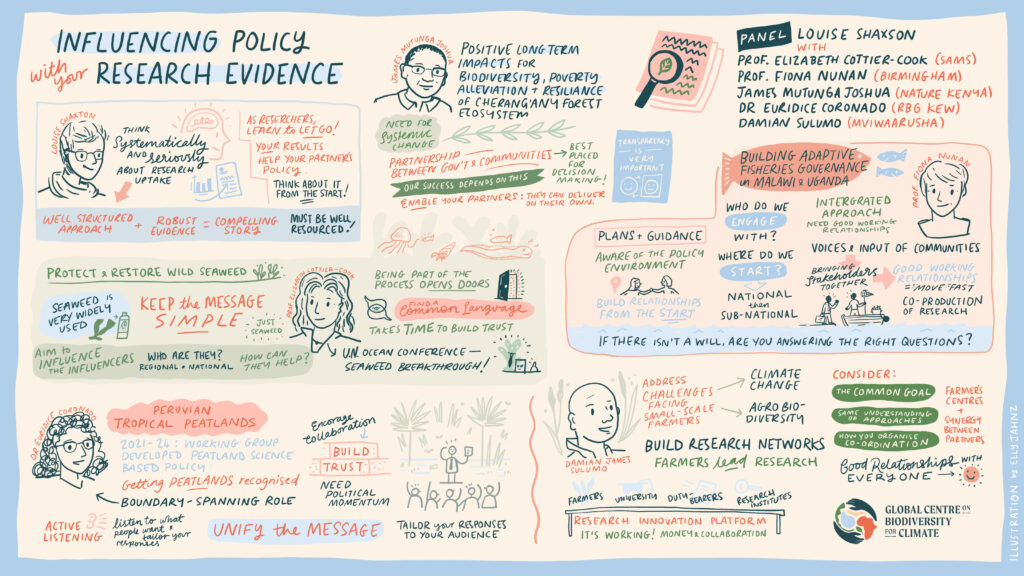
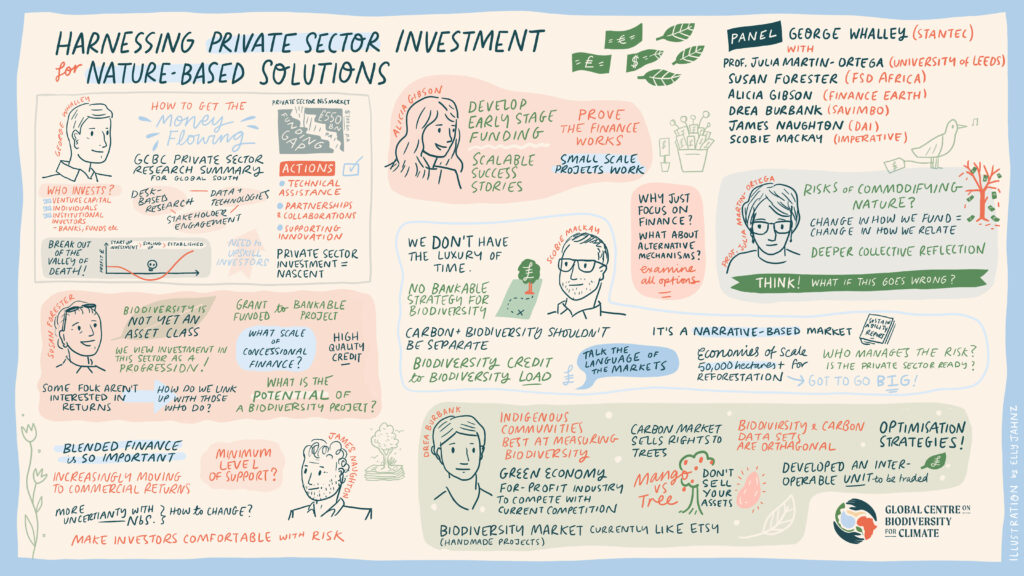
Además, las principales conclusiones de cada mesa redonda han cobrado vida gracias a las ilustraciones de Elly Jahnz.
 

Sesión inaugural: Por qué es importante apoyar la investigación innovadora en la intersección del cambio climático, la pérdida de biodiversidad y la mitigación de la pobreza.


Mesa redonda 1: Contribuir a los objetivos globales – Explorar la ciencia que subyace a los marcos y objetivos nacionales y globales.


Mesa redonda 2: Reforzar la conexión entre las pruebas y la política con un enfoque práctico de toda la comunidad del GCBC.


Mesa redonda 3: Aprovechar la inversión del sector privado en soluciones basadas en la naturaleza.


Para más información, lee nuestro blog sobre el Simposio, escrito por Samantha Morris, en el que se analizan los principales resultados del evento completo de tres días.

Muchas gracias a todos los miembros de nuestra comunidad de investigación del GCBC que se unieron a nosotros en persona y por Internet para el simposio, y a nuestros maravillosos ponentes, panelistas y presidentes por su perspicacia, experiencia y por dedicar generosamente su tiempo a estar con nosotros.

Assessing Carbon Credits as a Sustainable Funding Mechanism for Participatory Forest Management in Tanzania

Project Summary

Countries: Tanzania

Project Partners: Bangor University

Principle Investigator: Dr. Kajenje Magessa Nkukurah, Sokoine University of Agriculture

Project Description

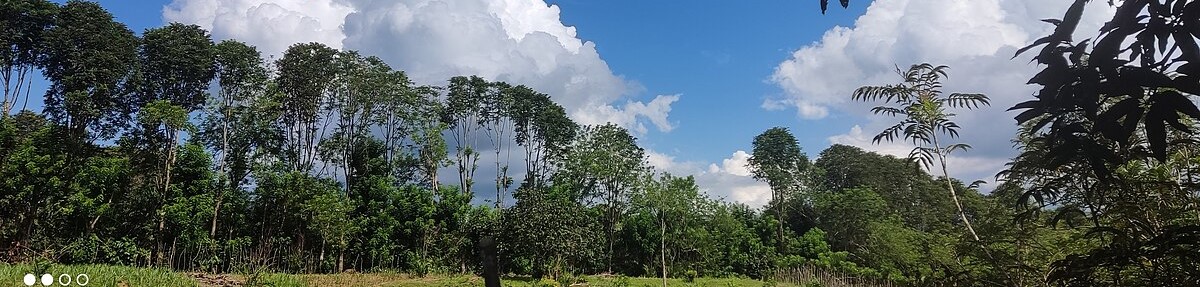
Tanzania is rich in biodiversity but faces rapid deforestation and severe poverty. Villages own 46% of forests, but resource limitations hinder effective management and deforestation continues apace. Carbon credits offer potential incentives for climate mitigation and biodiversity preservation, yet their applicability to village forests remains unproven at scale.

This project aims to collaborate closely with local communities to evaluate the feasibility of carbon credit schemes, considering costs, benefits and governance. Additionally, it will focus on capacity-building initiatives for village governments and stakeholders, empowering them to navigate carbon markets effectively. Through this approach, the project aims to harness the power of carbon markets to combat climate change, safeguard biodiversity, and alleviate poverty in Tanzania’s forested areas.

Photograph (detail): Laitche
Biodiversity Science in Support of Community-led Conservation of Threatened Forests in Tompotika, Central Sulawesi: Protecting Biodiversity, Ecosystem Services, and Climate Resilient Local Livelihoods

Project Summary

Project Summary

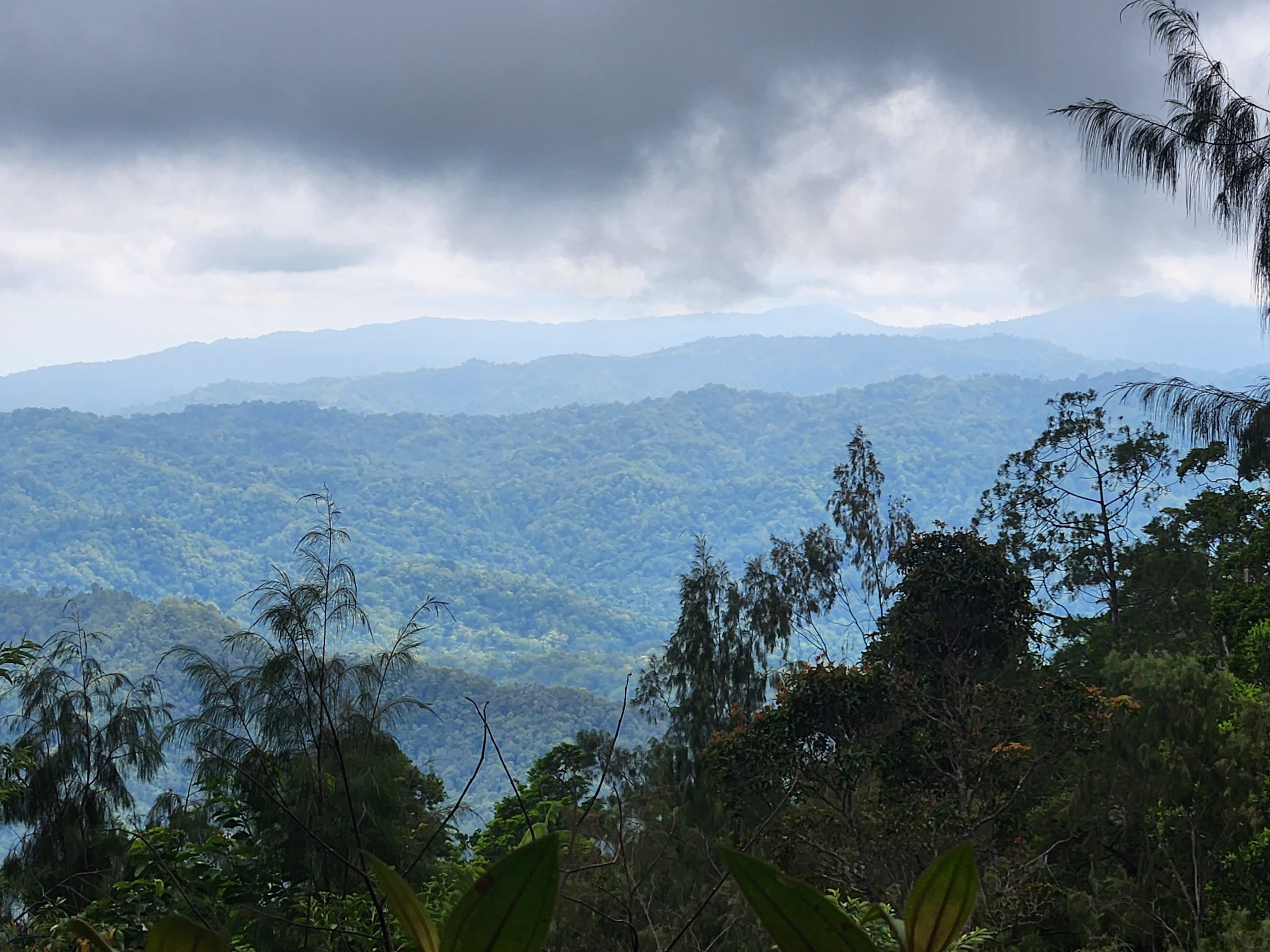
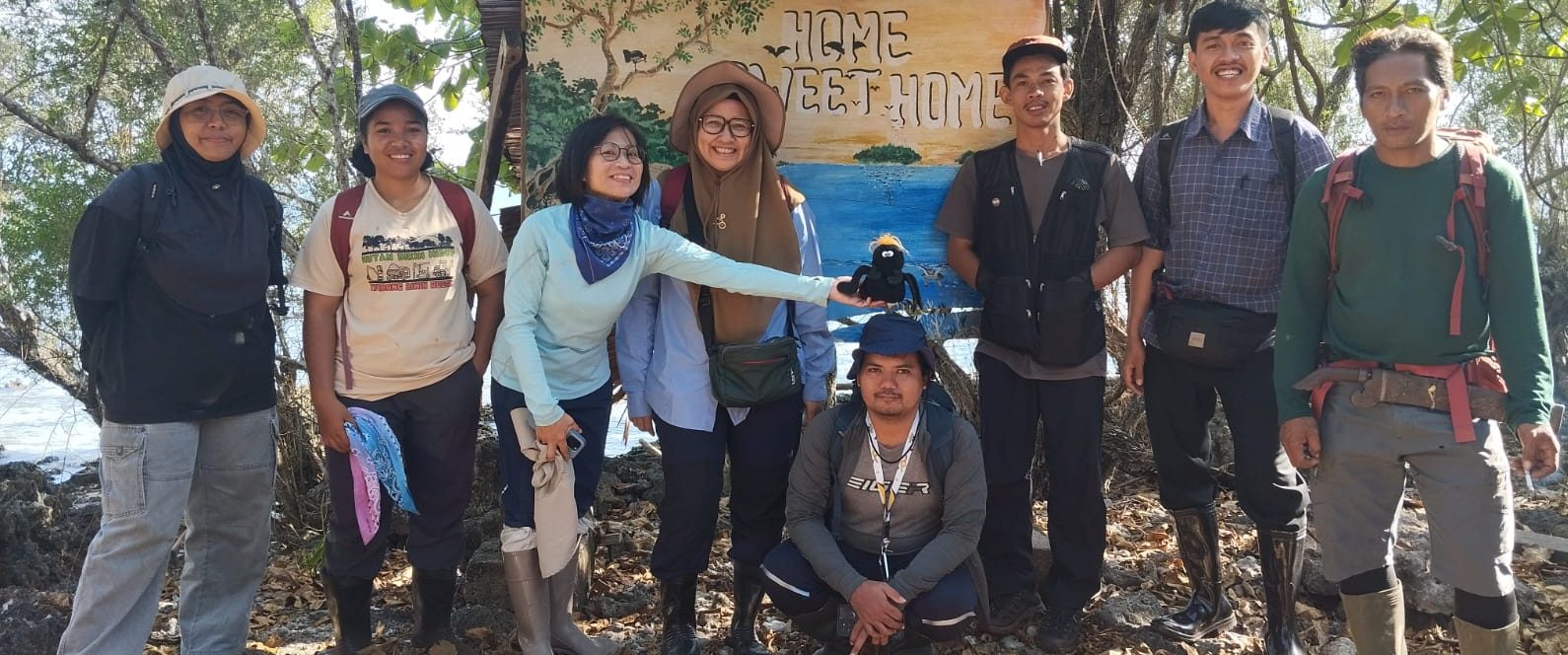
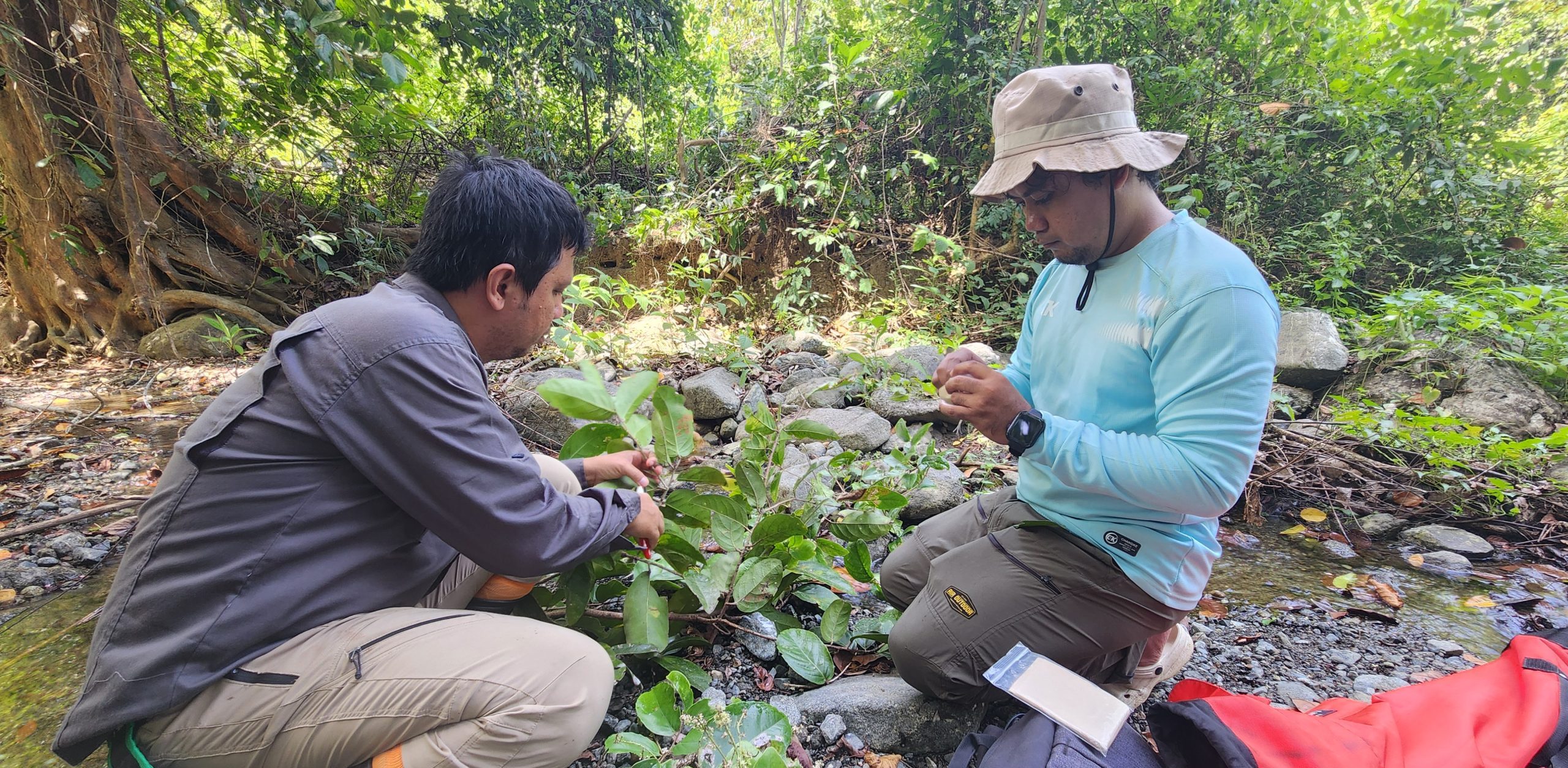
This project will empower the communities of Tompotika, Sulawesi to protect their forests from the urgent threat of nickel mining concessions and enhance their nature-based livelihoods. The project will collaboratively (1) characterise Tompotika’s plant biodiversity through botanical inventories, species extinction assessments, climate modelling, and key ecosystem services; (2) document traditional ecological and biocultural knowledge to prioritise climate resilient species that support livelihoods and provide important ecosystem services; (3) establish a community-run plant nursery for cultivation of selected species; and (4) disseminate this knowledge to internal and external stakeholders through community education and outreach as well as scientific publications and presentations.

Through a combination of biodiversity science and capacity building, this work will support the collaborative development of conservation proposals and promote the sustainable cultivation of economically important species to alleviate poverty and support climate resilience for the communities of Tompotika.

Photograph (detail): Enrico Kumesan


BREL-Borneo: Benefits of Biodiverse Restoration for Ecosystems and Livelihoods in Borneo

Project Summary

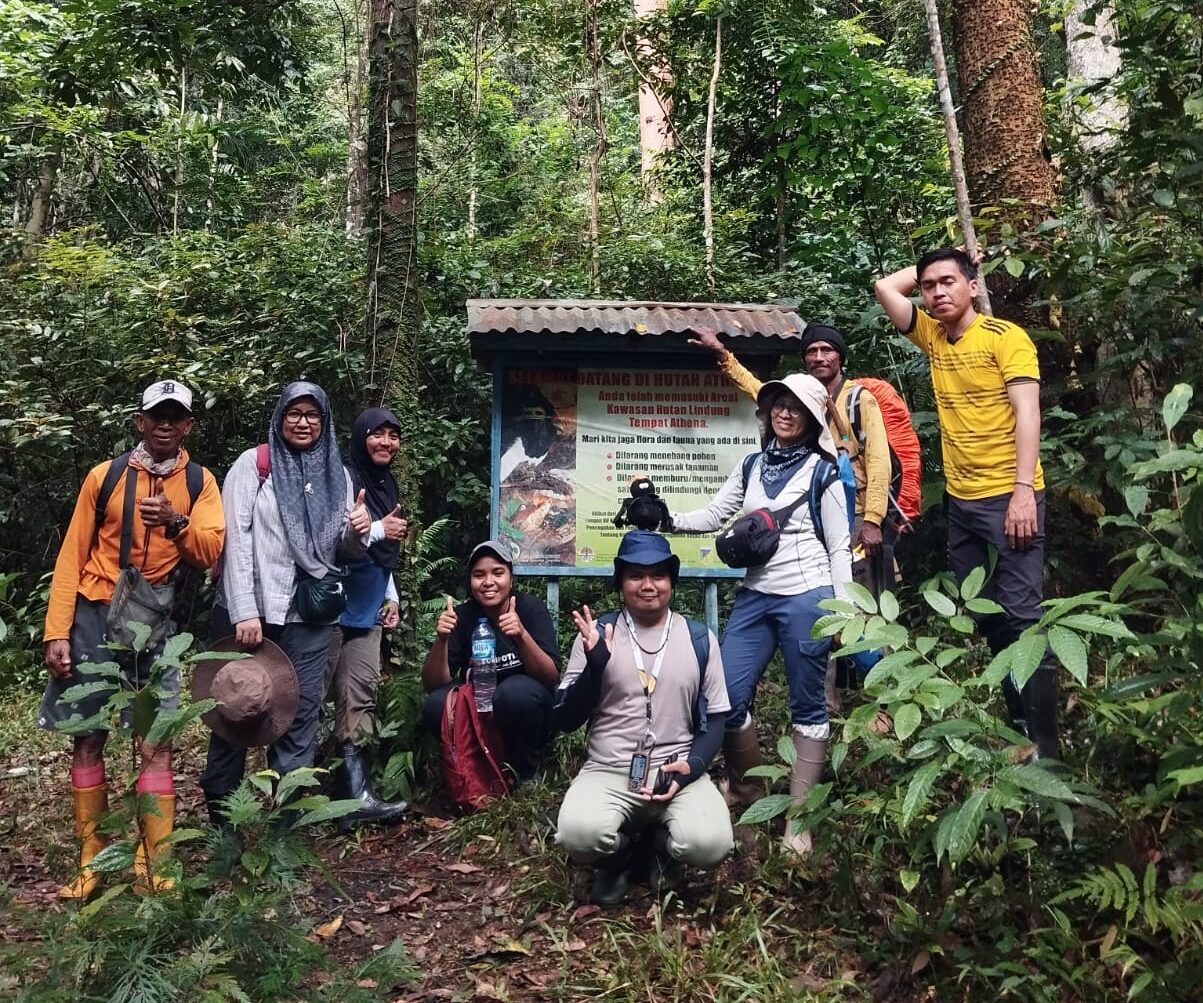
The BREL project aims to enhance forest restoration in Kalimantan by increasing the use of under-utilised tree species through innovative research, stakeholder engagement, and digital planning and monitoring tools, enhancing biodiversity, climate resilience, and community livelihoods.

Challenge

Species choices in existing restoration efforts have not been systematically documented and compared to the known native species diversity to assess gaps, and understanding of the current and potential species’ functional traits and resilience under future climates remains unknown. There is also a lack of knowledge on how under-utilised species can promote sustainable livelihoods as part of restoration activity through facilitating access to species with trade and utility value. This hampers further development of a bespoke and diverse species pool for use in Kalimantan lowland forests. There is introduced legislation to support the production and use of quality planting material in forest restoration, but implementation remains focused on a limited number of tree species.


Insight

Using a multi-disciplinary approach, we will produce novel protocols to optimise restoration outcomes through selection of resilient plant communities which will support climate change mitigation and suit local socio-ecological contexts across lowland forests of Kalimantan.
We aim to:
  • Publish a policy brief identifying key gaps in tree diversity (species, functional, economic) used in restoration and agroforestry when compared to the native tree flora, and analysing their impact on productivity and resilience in Kalimantan.
  • Create new knowledge of species-site matching for diverse landscape contexts and land use objectives in a changing climate, released in the Diversity for Restoration tool with bespoke content for Kalimantan.
  • Release the MyFarmTree app for Kalimantan to address bottlenecks in incorporating under-utilized species into seed and seedling supply chains and streamline the adoption of innovations in germplasm supply.
  • Validate rapid/remote surveys for plant biodiversity metrics, to achieve efficient plant biodiversity monitoring methodology and demonstrate route to full Biodiversity Credit Certification for a selected site as a pilot.
  • Disseminate decision support tools and new knowledge resources to enhance plant biodiversity in restoration efforts across Kalimantan, and link to existing seed supply chain infrastructure.
  • Create new partnerships and joint infrastructure established for long-term enhancement and monitoring of plant biodiversity in restoration and associated livelihood benefits.

Collaboration

The BREL project team brings together a blend of applied research and community-based expertise to enhance forest restoration in Kalimantan. Led by the Royal Botanic Garden Edinburgh, the consortium includes the Indonesian institutions BRIN, IPB, and YTAN, alongside international partners Bioversity International, UKCEH, the University of Aberdeen, and Plan Vivo Foundation. Their combined strengths span taxonomy, forest ecology, climate modelling, germplasm supply, biodiversity monitoring, and socio-economic development. Together, these partnerships form a robust foundation for scalable, inclusive, and climate-resilient forest restoration.


Conservation can only succeed when the local context is understood and incorporated – our aim is to enable enhanced species choices in restoration projects which benefit both communities and biodiversity.

Dr Mark Hughes, Royal Botanic Garden, Edinburgh

Dr Hughes is Taxonomy Research Leader at the Royal Botanic Garden Edinburgh, with over 20 years research experience. His research focuses on better understanding the globally important plant diversity of the region and the threats it is facing, and using this knowledge to support meaningful and sustainable conservation action, with a particular focus on economically and ecologically important plants.


Header photograph (detail): Shahibul Anwar

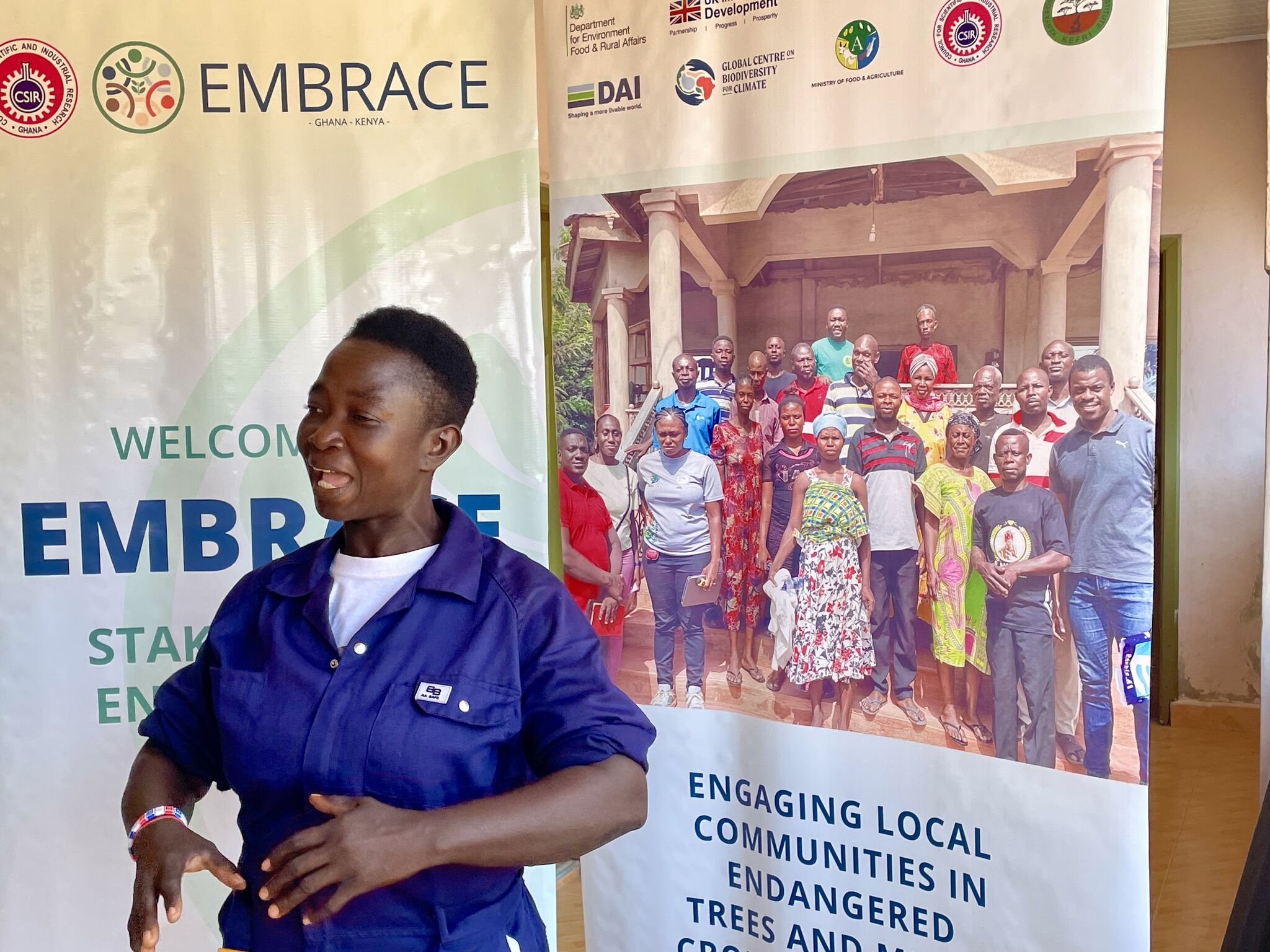
EMBRACE: Engaging Local Communities on Endangered Trees and Minor Crops Utilization for Biodiversity Conservation and Livelihood Enrichment

Project Summary

Countries: Ghana, Kenya

Project Partners: AgroCircle, Kumasi-Ghana, Biodiversity Research Support Services, UK, iSLED, Kumasi-Ghana, Rowetwo Tree Nursery, West Pokot-Kenya

Principle Investigators: Dr Clement Oppong Peprah, Research Scientist, Council for Scientific and Industrial Research-Crops Research Institute and Dr. Jeannette Aduhene-Chinbuah, Research Scientist, Head of the Plantain and Banana Section at CSIR–Crops Research Institute, Ghana and adjunct lecturer at KNUST.

Challenge 

EMBRACE responds to the pressing challenge of biodiversity loss and climate vulnerability in smallholder farming systems across Ghana and Kenya. Rural communities depend heavily on natural resources for food, income, and cultural identity, yet rapid deforestation, land degradation, and the neglect of underutilized crops and endangered tree species threaten their resilience. Traditional knowledge on sustainable land management is gradually being lost, while modern farming practices often overlook the importance of ecological balance. This creates a dual challenge: how to restore degraded ecosystems while also improving livelihoods in ways that are socially inclusive and climate-resilient. The project therefore seeks to bridge scientific evidence with community knowledge, developing agroforestry models and conservation strategies that safeguard genetic diversity, enhance ecosystem services, and ensure fair benefit-sharing.

Insight

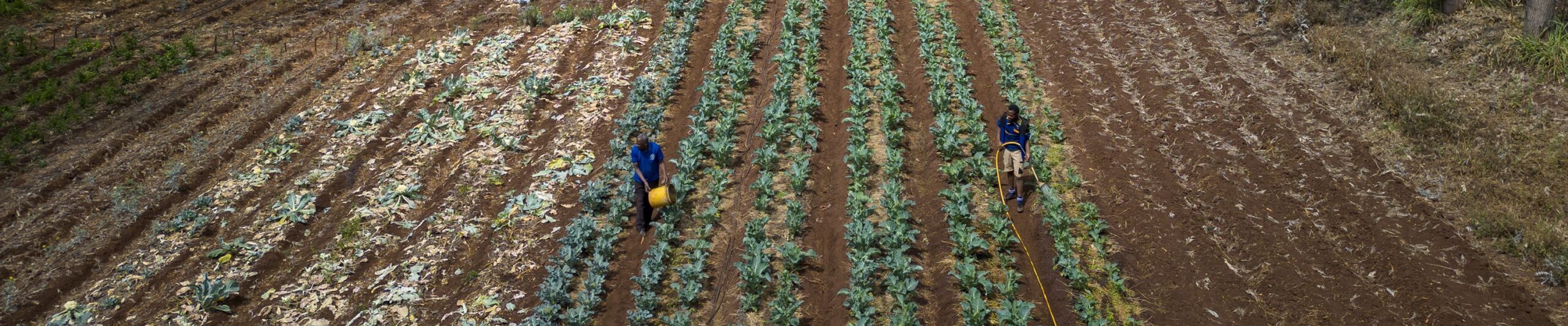
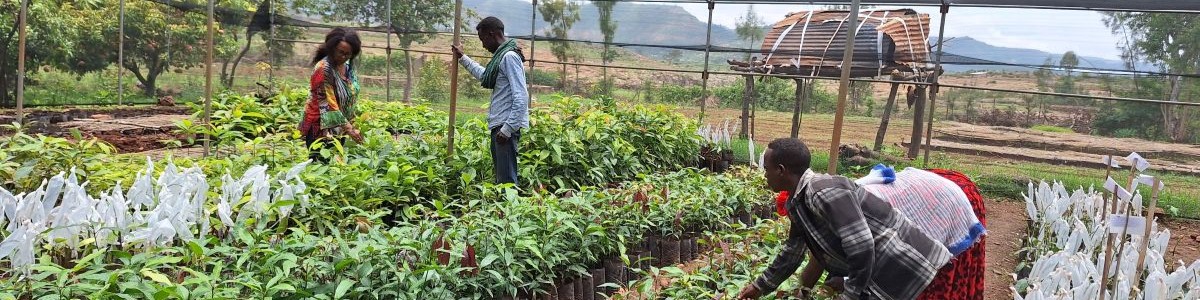
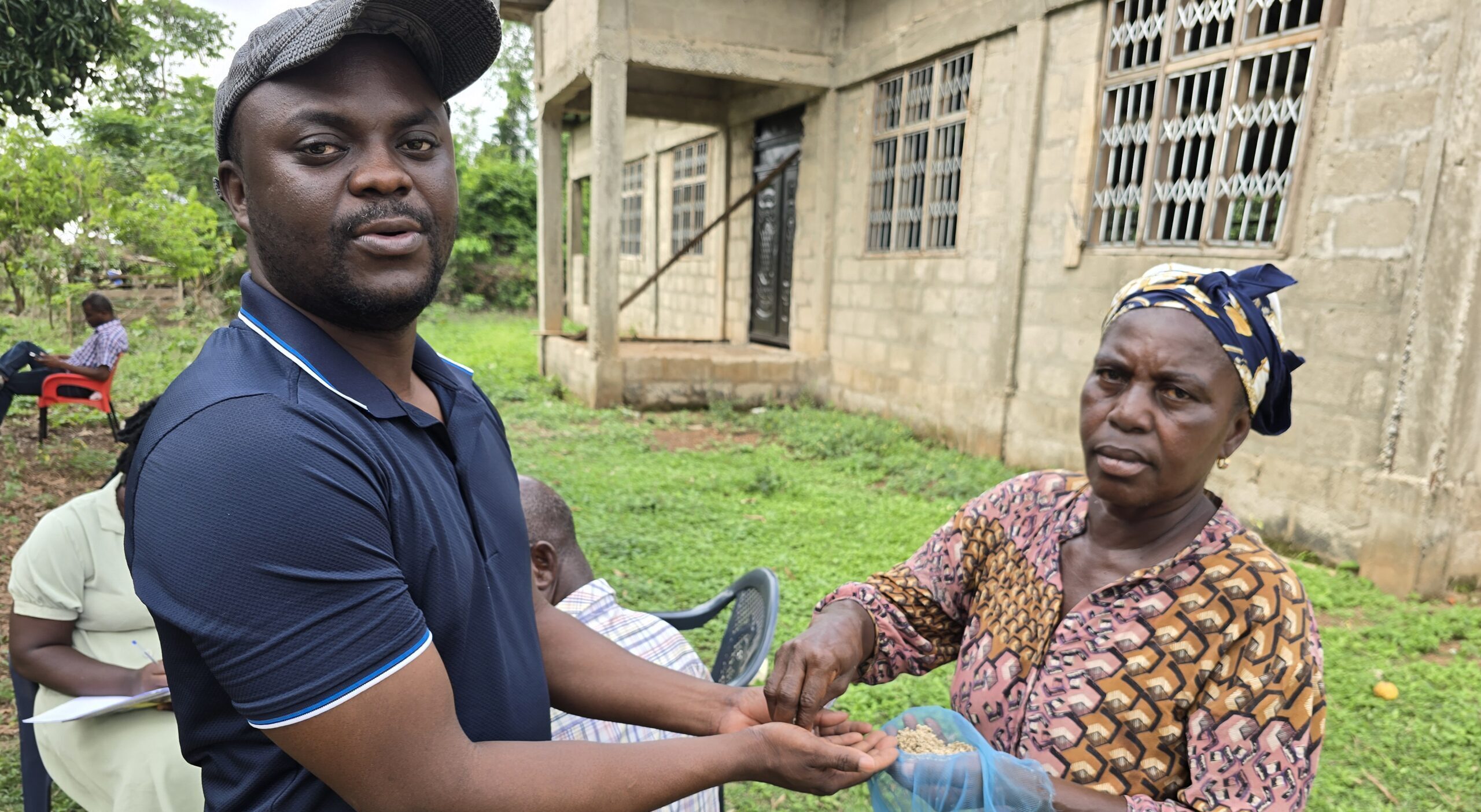
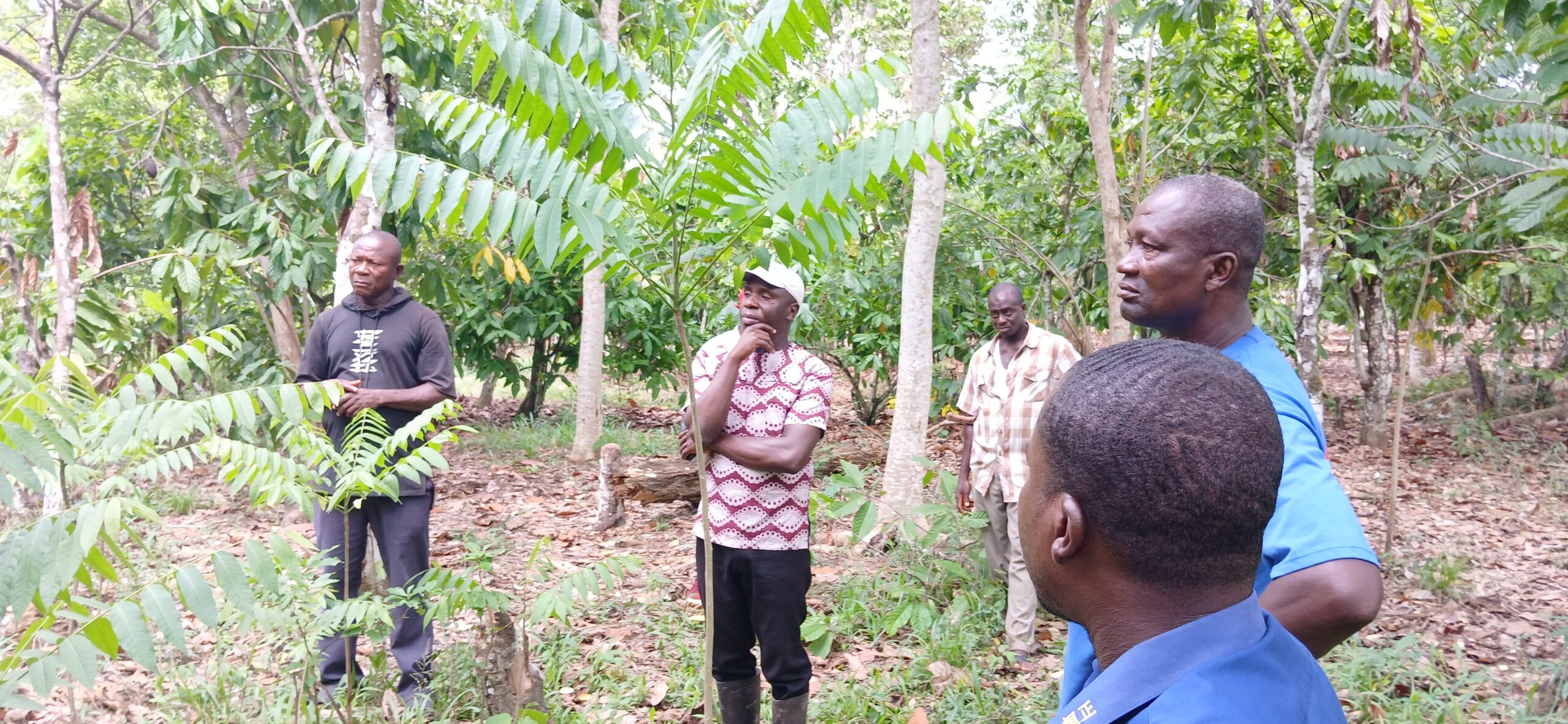
Through ecological surveys and aerial mapping, EMBRACE has built a robust evidence base to understand the richness of species, the extent of land degradation, and the potential for restoration. This scientific foundation is being paired with community co-creation, where farmers, traditional leaders, and local institutions help design agroforestry farmstead models that integrate endangered tree species with underutilized food crops. These farmsteads not only safeguard genetic diversity but also provide sustainable livelihood opportunities through practices such as beekeeping, snail rearing, and mushroom cultivation.


Collaboration

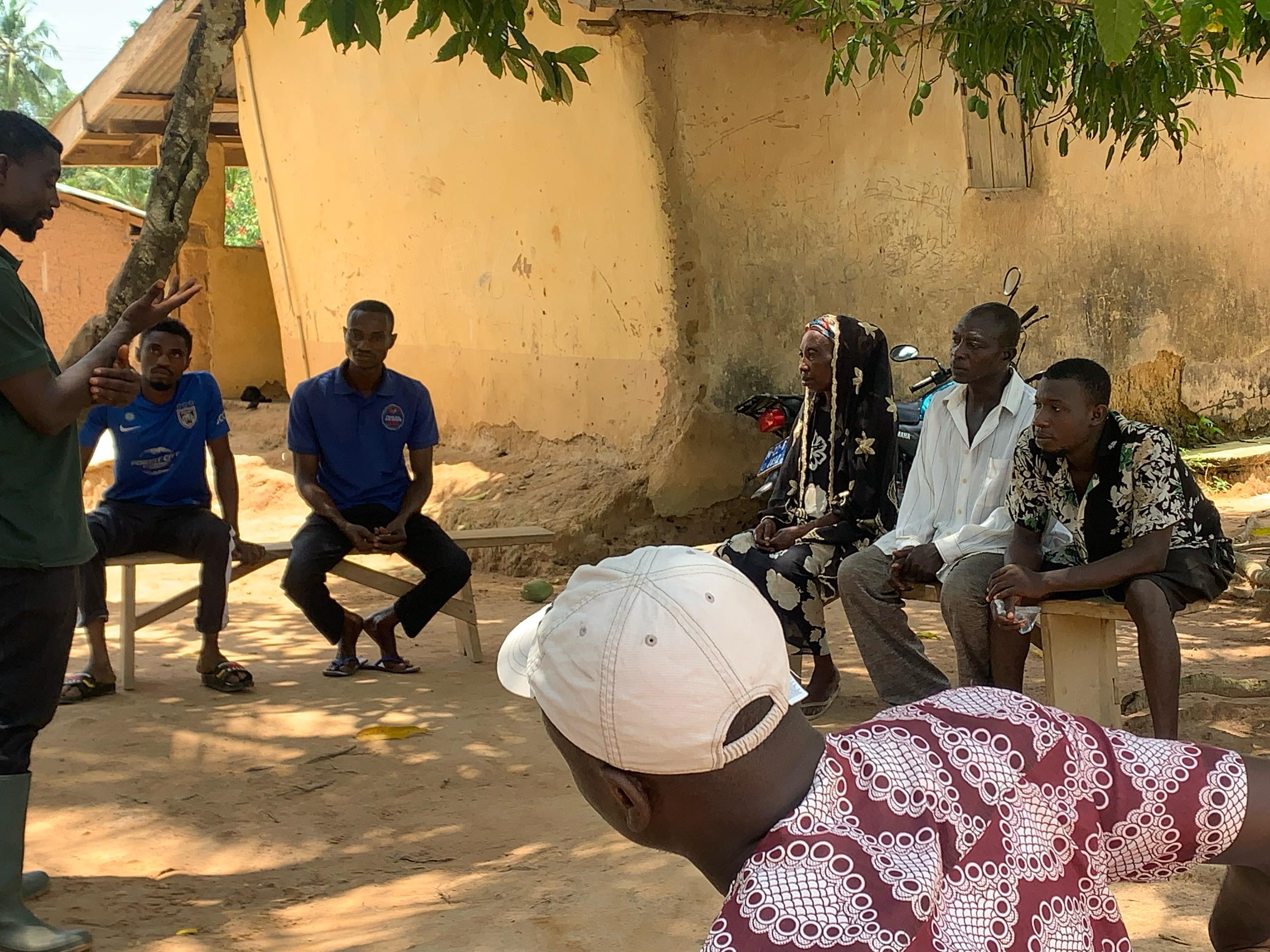
EMBRACE thrives on strong partnerships that bridge science, policy, and community action. At its core, the collaboration between the Council for Scientific and Industrial Research Crops Research Institute (CSIR-CRI) in Ghana, CSIR-Forestry Research Institute, the Kenya Forestry Research Institute (KEFRI), and the University of Eldoret in Kenya, ensures a cross-country exchange of expertise and experiences. These institutions provide scientific rigour, technical capacity, and policy engagement pathways to embed project findings into national strategies. Beyond research partners, the project works closely with local communities, traditional authorities, district-level Forestry and Agriculture offices, and smallholder farmer groups, ensuring co-creation and ownership of solutions.

With EMBRACE, we are together with local communities planting legacies. Every seed conserved, every degraded land restored, carries the promise of biodiversity, culture, and resilience for posterity.

Dr Clement Oppong Peprah, Principle Investigator, Council for Scientific and Industrial Research-Crops Research Institute

Dr. Clement Oppong Peprah

Dr. Clement Oppong Peprah is a Research Scientist (Agronomist) at the Council for Scientific and Industrial Research-Crops Research Institute (CSIR-CRI), Ghana. He co-leads the EMBRACE project, focusing on biodiversity conservation, climate resilience, and sustainable agroecosystems. His research spans food systems, agroforestry, and community-based adaptation strategies, with a strong emphasis on gender equality and social inclusion. Dr. Peprah has worked on multi-institutional projects across sub-Saharan Africa and contributed to policy dialogues on climate-smart agriculture. Passionate about bridging science and community action, he works to ensure that research translates into practical solutions for resilient livelihoods. He holds a PhD in Agricultural Science from the Tokyo University of Agriculture and Technology, Japan.

Dr. Jeanette Aduhene-Chinbuah

Dr. Jeannette Aduhene-Chinbuah is a Research Scientist and Head of the Plantain and Banana Section at CSIR–Crops Research Institute, Ghana, and an Adjunct Lecturer at KNUST. She co-leads the EMRACE Project, advancing biodiversity conservation, climate resilience, and sustainable agroecosystems. She earned a PhD in Biological Production Science (Soil Chemistry) from Tokyo University of Agriculture and Technology, where she also served as Assistant Professor. Her work integrates science and practice to strengthen farming communities through food systems, agroforestry, and inclusive climate adaptation. With expertise in gender-responsive approaches, she contributes to multi-disciplinary projects and climate-smart agriculture policy.

Restauración forestal en tierras indígenas: Restauración de la biodiversidad para múltiples servicios ecosistémicos, resiliencia comunitaria y sostenibilidad financiera mediante estrategias e incentivos informados localmente.

País: Panamá Socio principal: Instituto Smithsonian de Investigaciones Tropicales, Panamá Resumen: El proyecto se centra en un sistema socioecológico con investigación y formación social y biofísica participativa y vinculada que conduce a una innovadora iniciativa indígena de restauración forestal. Los principios de justicia social y equidad impulsarán los pagos por servicios ecosistémicos para proteger la biodiversidad, mitigar el cambio climático y mejorar la vida de las personas que rechazaron una industria extractiva. Los resultados contextualizados de la compleja gobernanza local a la nacional proporcionan información vital para la ampliación regional. Fotografía (detalle): Fran Hogan

Permitir la restauración forestal a gran escala y resistente al clima en la Amazonia Oriental

País: Brasil Socio principal: Universidad de Lancaster, Reino Unido Resumen: El estado amazónico brasileño de Pará tiene el ambicioso objetivo de restaurar 7,4 millones de hectáreas de bosque tropical para 2036, lo que representa >el 50% de los objetivos de restauración de Brasil. Restaurar bosques diversos a escala requiere liberar el potencial de la regeneración natural. Este proyecto lo logrará orientando dónde debe producirse la restauración para maximizar los beneficios para el clima, las personas y la biota. También investigará cómo garantizar la permanencia a largo plazo de la regeneración natural, también llamada bosques secundarios, en el paisaje; actualmente, la mayor parte de la regeneración natural se convierte de nuevo en agricultura en un plazo de cinco años. Este trabajo, creado conjuntamente con diversas partes interesadas de la Amazonia, aborda tres retos que se pasan por alto cuando se trata de restaurar las selvas tropicales. En primer lugar, al situar la biodiversidad en el centro de la planificación de la restauración, define dónde la restauración maximizará la diversidad de especies, la conectividad del paisaje y apoyará a las especies de interés para la conservación. En segundo lugar, va más allá del secuestro de carbono y hace una evaluación novedosa de los beneficios climáticos locales y regionales de la restauración. En tercer lugar, ayuda a garantizar la permanencia de la restauración mediante la comprensión de las amenazas clave, como los incendios. Por último, el proyecto codesarrollará una herramienta de priorización fácil de usar para ayudar a guiar la aplicación y hacer de la regeneración natural una solución escalable para las crisis climática y de biodiversidad de la Amazonia.

Aprovechamiento del potencial de los biorecursos vegetales como nuevas oportunidades económicas para la Amazonia ecuatoriana: desarrollo de una bioindustria sostenible y resistente al clima

País: Ecuador Socio principal: Universidad Técnica Particular de Loja Resumen: La región amazónica ecuatoriana tiene pocas y muy marginales oportunidades económicas para las comunidades locales y los agricultores. Los factores de estrés económico suelen desencadenar la necesidad de extraer recursos valiosos de los bosques primarios, es decir, especies maderables de gran valor. Algunas de estas especies pueden utilizarse para la producción de aceites esenciales. Los parámetros técnicos legales, económicos y biofísicos, así como el potencial de producción de aceites esenciales de estas especies prometedoras, se evaluarán mediante métodos científicos sólidos. Esto servirá para establecer una industria sostenible e inteligente desde el punto de vista climático como alternativa económica, que produzca aceites esenciales muy demandados. Esto, a su vez, detendrá la pérdida de biodiversidad de las especies seleccionadas, al tiempo que contribuirá a los medios de subsistencia locales.

Los becarios del GCBC participan en la 16ª reunión de la Conferencia de las Partes del Convenio sobre la Diversidad Biológica (COP 16)