Deploying Diversity for Resilience and Livelihoods

Project Summary

Countries: Ethiopia

Delivery Partner: Bioversity International

Principal Investigator: Dejene K. Mengistu, Alliance Bioversity International and CIAT

Evidence generation on the impact of Ethiopia’s Green Legacy Initiative (GLI) on the regeneration of local plant species, habitat restoration, and other ecosystem services improvements to ensure resilience and livelihood improvement.


Challenge

We aim at understanding i) the improvement brought by GLI on local plant species diversity, ecosystem services improvement, including local climate, ii) the impact of GLI on socioeconomic aspects of the local community, and iii) the perception of the local community on the positive and negative (if any) aspects of GLI to drive lessons on its sustainability and upscaling.

Insight

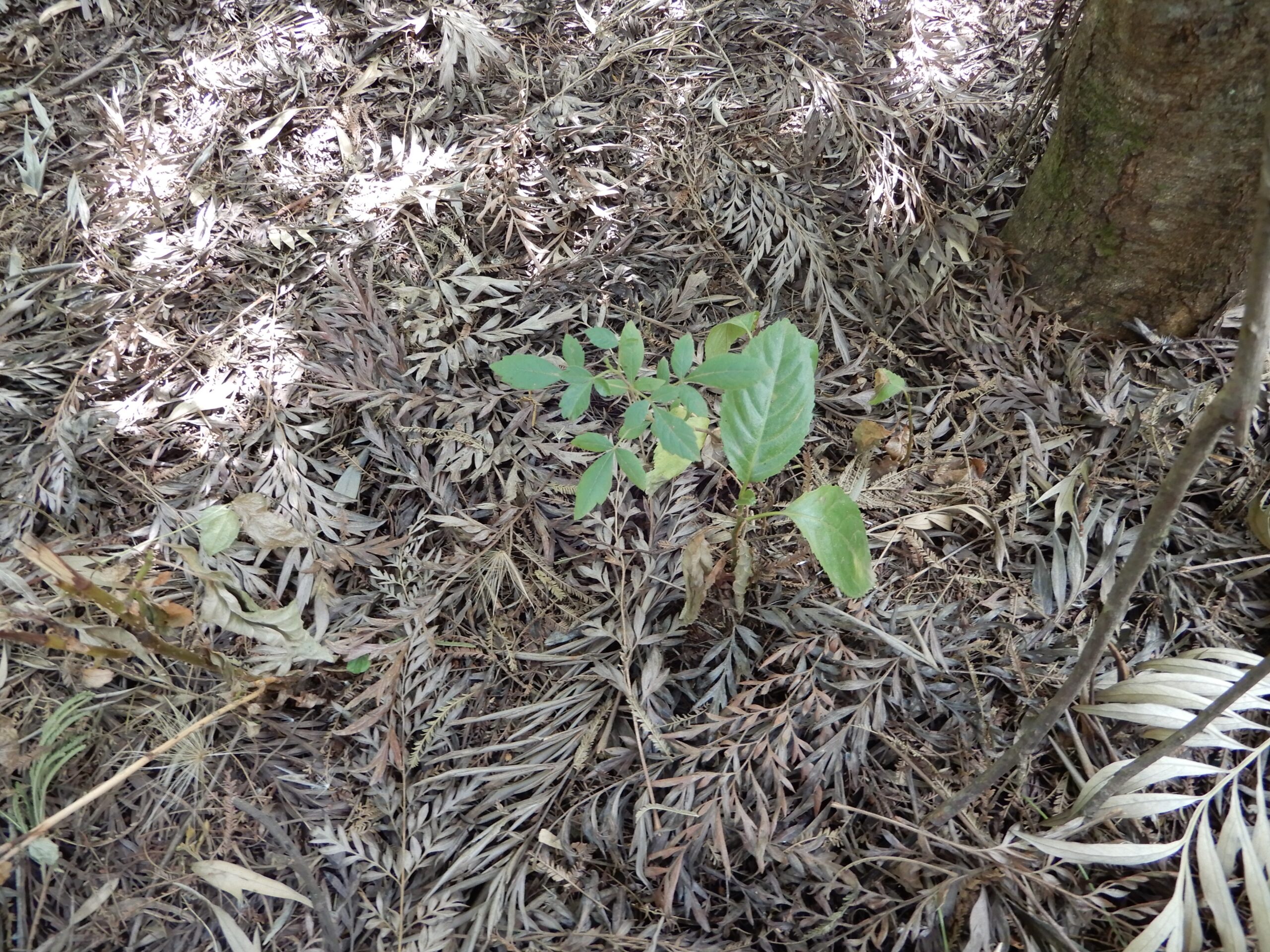
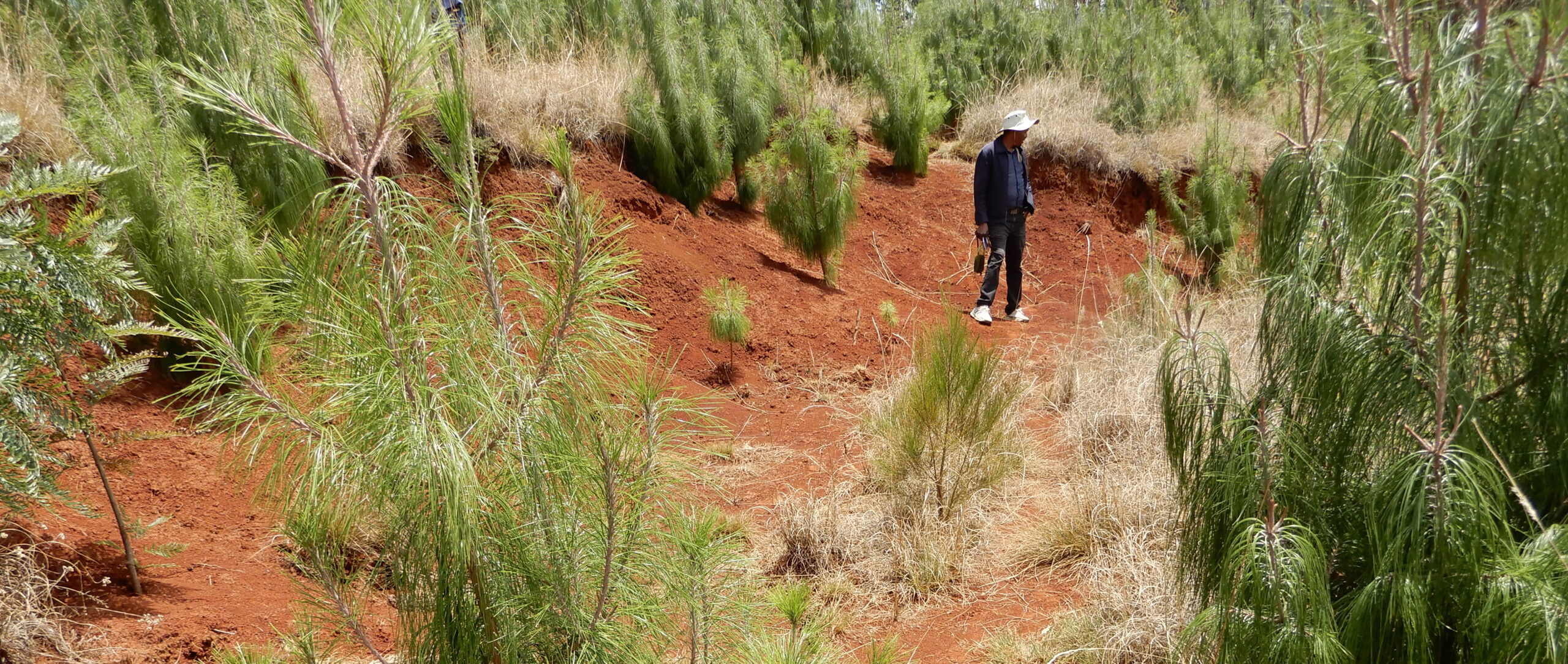
The project undertakes participatory discussions to understand the perception of the local community on GLI, species registry, and ecosystem improvement audits. In studied areas, planting one tree species has assisted natural regeneration of 7 to 10 local plant species, largely improved habitats, and restored degraded lands and ecosystem services. The benefits to the local community span from the moderation of local climate to increased agricultural productivity. The enhancement of water resources is remarkable. There are also jobs and employment opportunities created for the locals. An extremely positive attitude developed towards GLI, which triggered interest in local communities to protect natural resources through sustainable utilization. We learned that the integration of economic activities into the forest resources is quite important.

Collaboration

We collaborate with local community, regional, zonal, and district-level offices of environmental protection, climate change, and biodiversity to implement project activities, participate in capacity-building training sessions, and engage in discussions.

Our results generated so far imply that the climate-resilient green economy growth model of Ethiopia is fast achieving its biodiversity conservation and ecosystem services restoration objectives.

Dejene K. Mengistu, Alliance Bioversity International and CIAT

Dr Dejene K. Mengistu

Dr Dejene K. Mengistu, a scientist at the Alliance of Bioversity International and CIAT, has a passion for enhancing the resilience and livelihood of the local community by working closely with them. His research focuses on deploying diversities for climate change adaptation, improving farm productivity and its diversity, and empowering the farming community through full participation in decision-making. Awareness creation through training and engaged discussion is his priority in his research areas. Dejene has published many journal articles, a book chapter, and books in his area of expertise.
 

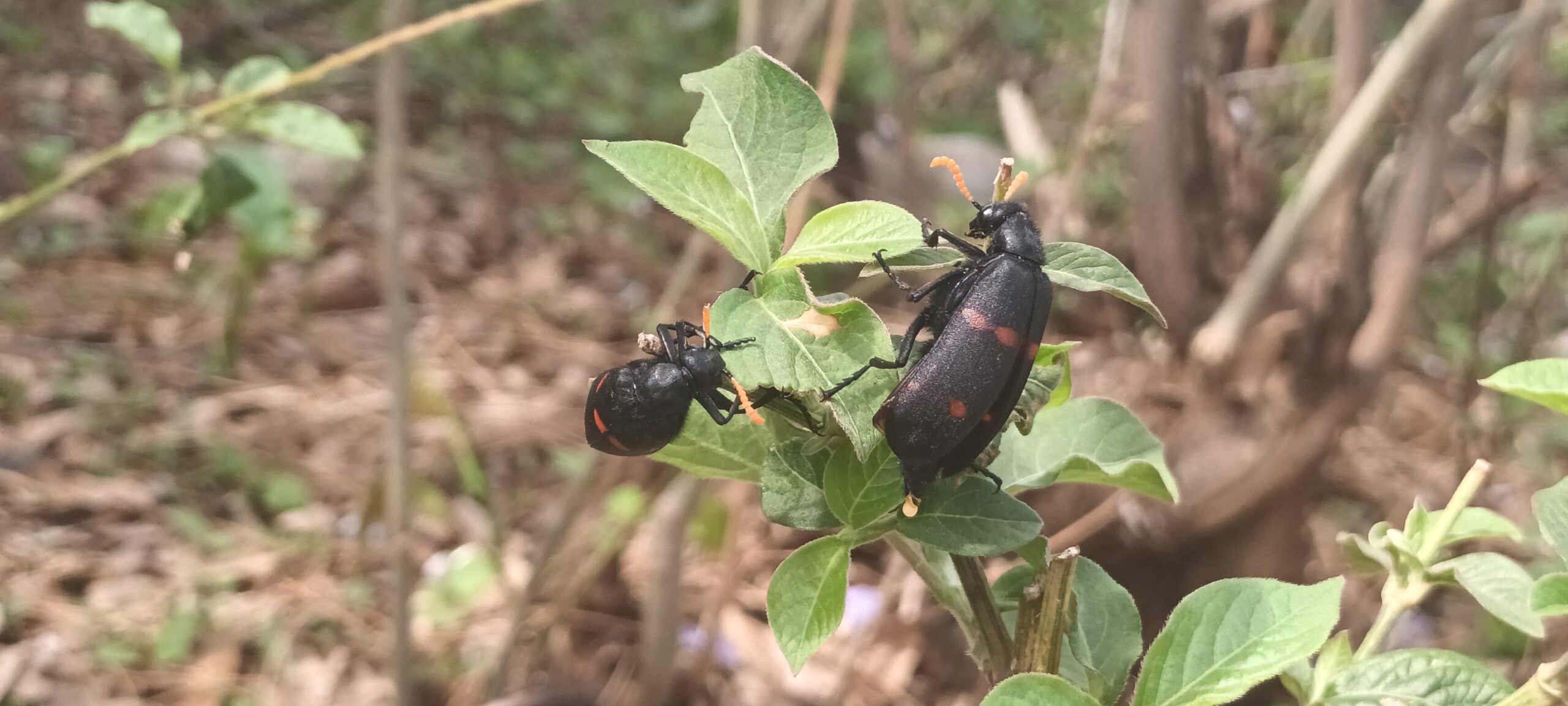
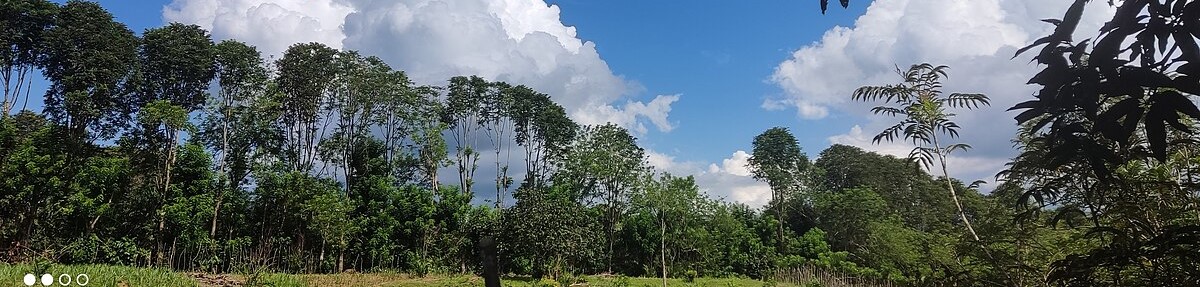
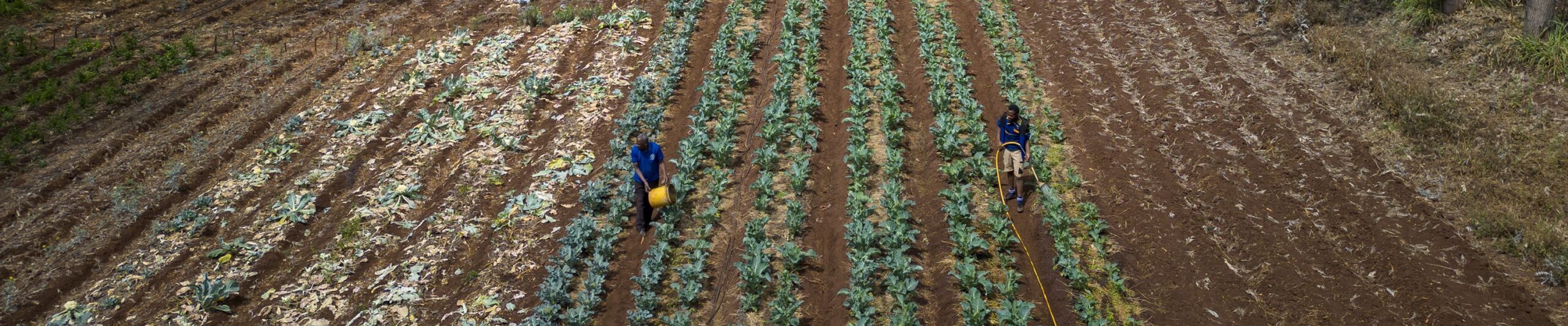
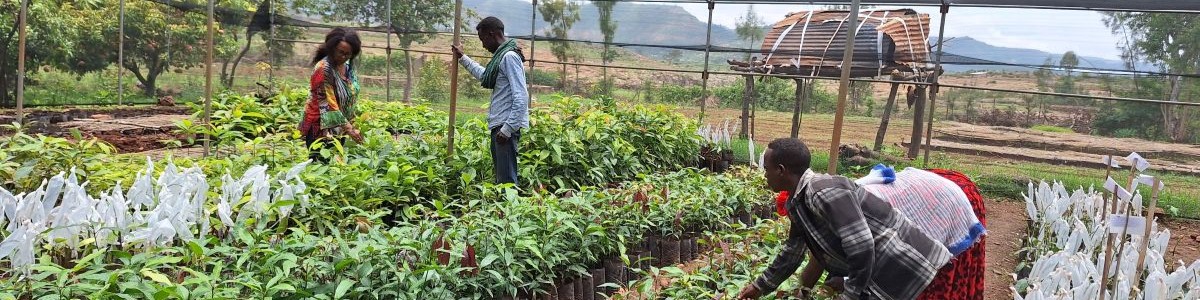
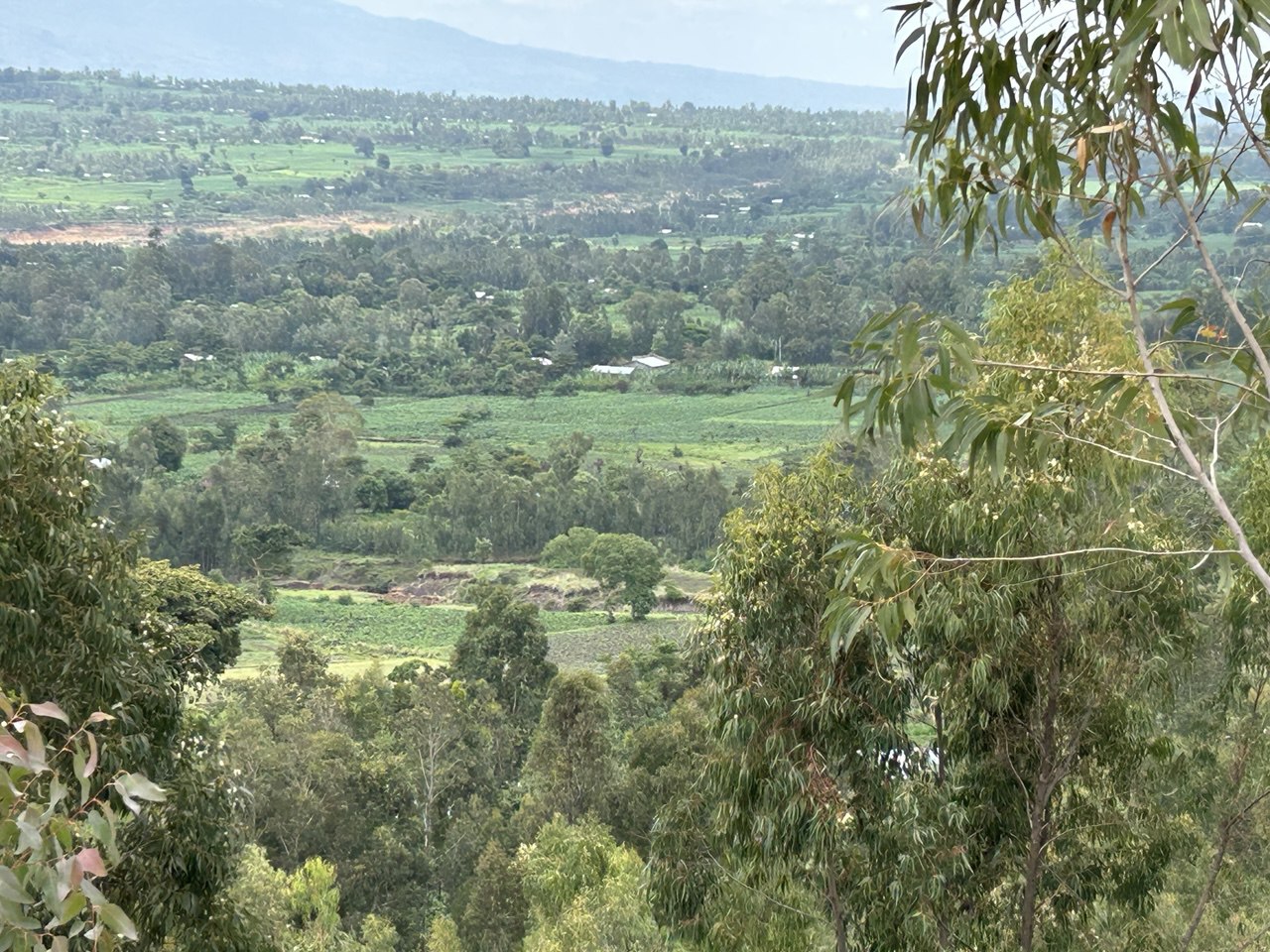
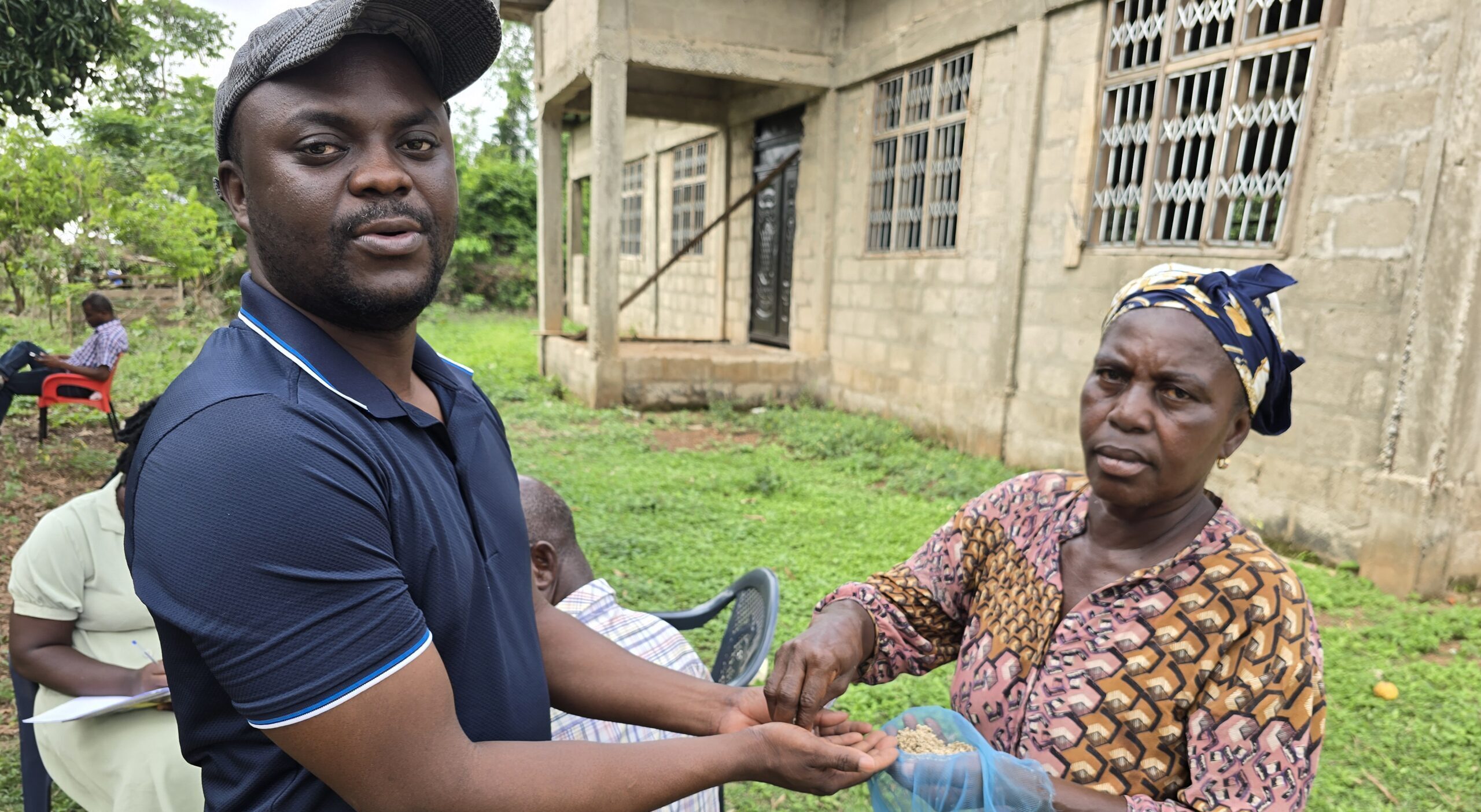
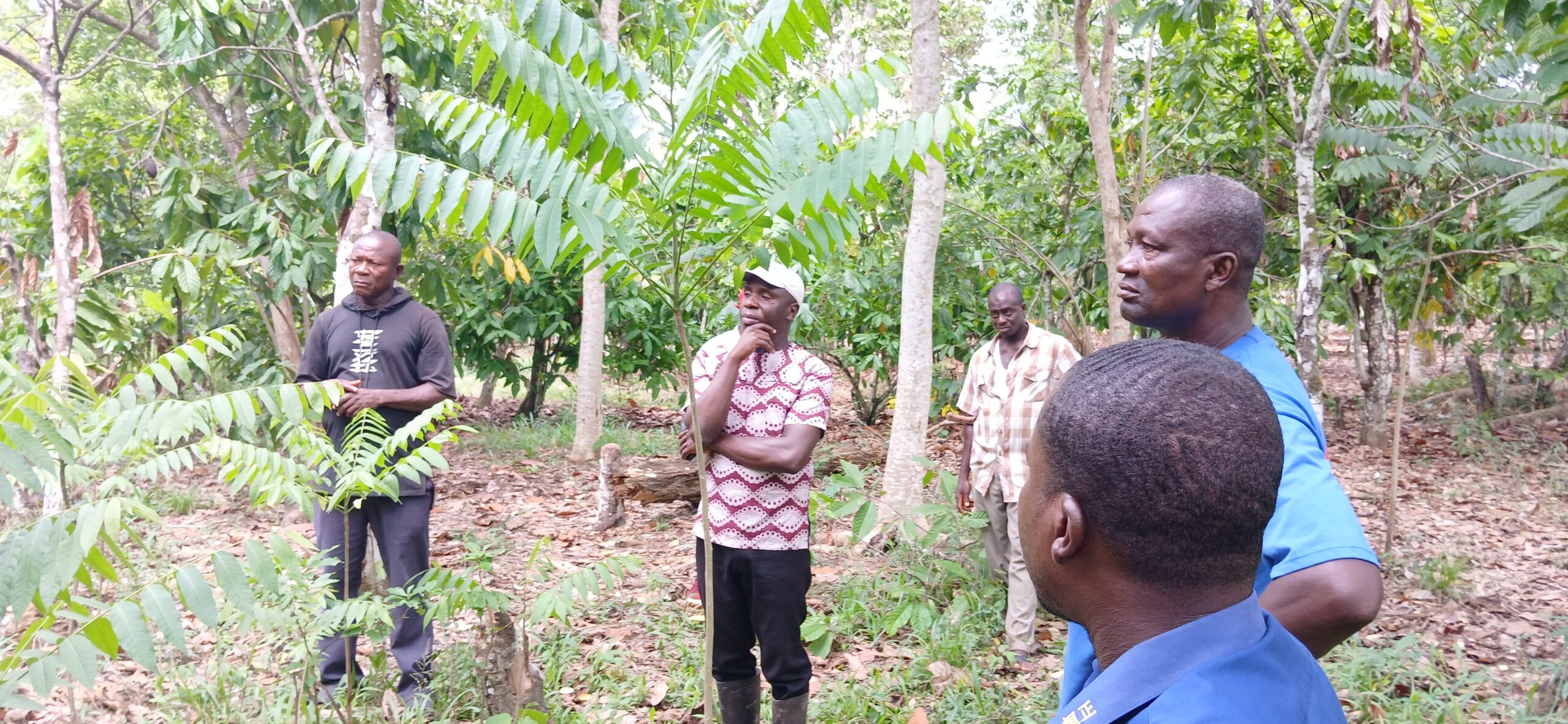
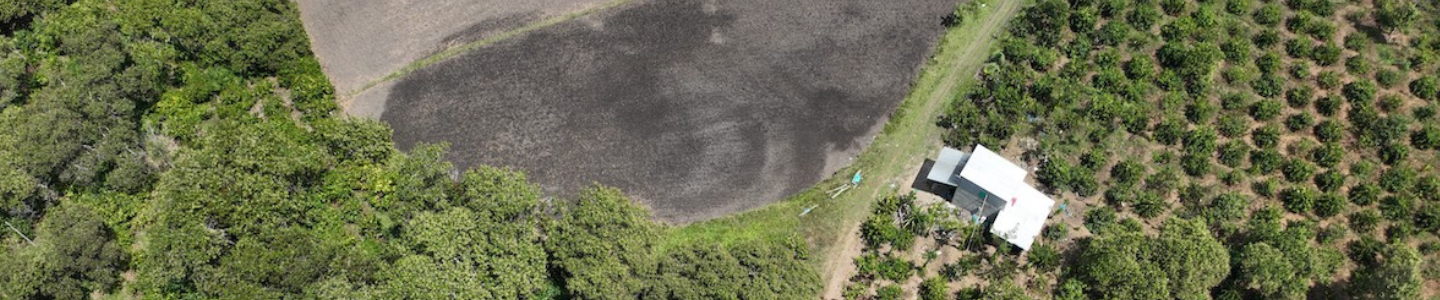
Images show: 2) GLI assisted in the natural regeneration of local plant species 3) GLI supported restoration of degraded landscape 4) GLI improves habitat restoration for beneficial insects. Credit: Dejene K. Mengistu

Kaboni kwa Misitu Yetu: Assessing Carbon Credits as a Sustainable Funding Mechanism for Tanzanian Village Forests

Project Summary

Countries: Tanzania

Principal Investigator: Dr. Kajenje Magessa, Lecturer, Researcher and Consultant in policy and natural resources governance, Department of Forest Resources Assessment and Management, College of Forestry, Wildlife and Tourism (CFWT), Sokoine University of Agriculture (SUA). 

Kaboni Kwa Misitu Yetu is evaluating the economic, social and governance feasibility of accessing carbon markets to help sustainably manage village forests in Tanzania.

Challenge

Villages manage nearly half of all forests in Tanzania but are struggling to ensure management is economically and socially sustainable. Potentially, selling carbon credits could provide vital revenues and there are some high-profile examples of Tanzanian villages accessing carbon finance.

However, the feasibility of accessing these funds is untested for most village forests: considerable economic, social, technical and governance challenges must be surmounted if this approach is to be scalable across the country. Capacity needs to be built in communities, districts and at the national level and the experiences of villages already benefitting from carbon finance need to be shared widely so that more communities can make well informed decisions about whether and how to participate in carbon markets.


Insight

To address these challenges, we are working with communities who have expressed an interest in accessing carbon markets.

We will;

• Evaluate the economic and social viability of carbon finance for village forests;
• Assess the capacity and governance needs of communities and other stakeholders;
• Assess the potential for carbon revenues from sustainably managing village forests;
• Organise peer-peer exchanges to promote learning between villages engaged in carbon markets, and those interested in engaging;
• Recommend how national and international policy should develop to help villages capture the global benefits generated by their forest management.

Collaboration

The project is led by researchers from Sokoine University of Agriculture, working closely with communities from five Village Land Forest Reserves as well as experts from Tanzania’s National Carbon Monitoring Centre and Bangor University, Wales, UK.


We aim to evaluate the viability of carbon credits as a source of funding for Tanzanian village forests, and build stakeholders’ capacity to make informed decisions about how to harness carbon markets to combat climate change, safeguard biodiversity, and alleviate poverty in Tanzania’s forested areas.

Dr Kajenje Magessa, Principal Investigator, Sokoine University of Agriculture.

Discover More

Dr Kajenje Magessa

Dr Kajenje Magessa is a distinguished social scientist primarily focused on forests and their role in sustainable development. She has an extensive background in empirical research, across a range of topics including Participatory Forest Management, policy analysis, natural resource governance and the socio-economic impacts of conservation on rural livelihoods. Prior to her current role Dr. Kajenje served as a research officer at Tanzania Forestry Research Institute for more than a decade and has been a visiting lecturer at the University of Göttingen in Germany and Bangor University in the United Kingdom.


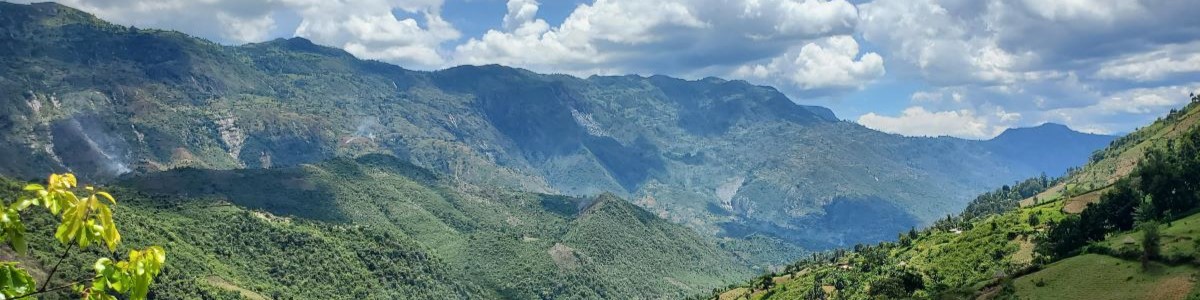
Photograph (detail): Laitche

Biodiversity Potential for Resilient Livelihoods in the Lower Omo, Ethiopia

Project Summary

Countries: Ethiopia

Delivery Partner: University of Leeds

Project Partners: Arba Minch University, Cool Ground

Principle Investigator: Dr Marta Gaworek-Michalczenia, University of Leeds

Project Description

The project will fill knowledge gaps and elucidate the potential for biodiversity to contribute to and improve livelihood security, adaptation to climate change, and resilience in Ethiopia’s new Tama Community Conservation Area (CCA), where there is a data paucity to manage from.

As the local communities hold rich traditional ecological knowledge, the project will combine systemic biodiversity monitoring with ethnobotany and ethnozoology qualitative data, to address the biodiversity-livelihoods knowledge gap. Datasets will then be input into population models with climate projections to explore future change in biodiversity and thus livelihoods.

The project will co-create management plans for the CCA with its staff, making them climate-resilient. Throughout all activities, capacity building will take place for continuing biodiversity monitoring and resilience assessment by CCA staff through linkages with AMU, so that the CCA can practice evidence-informed adaptive management in the future.

The main impact is to improve social-ecological resilience for beneficiaries in the Mursi, Bodi, Bacha, and Aari communities. The project will contribute to outcomes across the following strategic science principles – creating wide participation to support capacity building for the CCA and communities through robust data collection, sharing best practices and demonstrating what works to inform policy in the Tama CCA, but also other CCAs to inform their sustainable management.

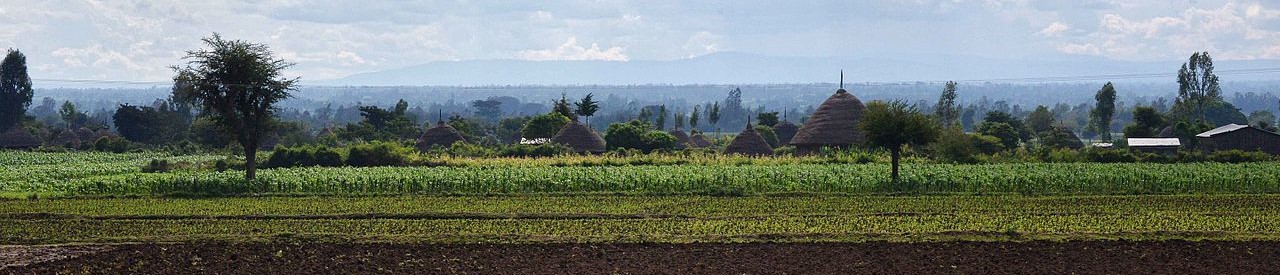
Photograph (detail): Rod Waddington

CROSSROADS-SSA: Cataloguing and Rating of Opportunities for Side-lined Species in Restoration of Agriculturally Degraded Soils in Sub-Saharan Africa

Project Summary

Countries: Ethiopia

Delivery Partner: The University of Aberdeen

Project Partners: International Water Management Institute, Hawassa University (HU) Central Ethiopia Agricultural Research Institute (CEARI)

Contact: jo.smith@abdn.ac.uk

We will catalogue and test use of “side-lined” or “underutilised” native plants to restore degraded soils in Ethiopia, characterising impacts on biodiversity, poverty alleviation, and climate adaptation and mitigation.

Challenge

Ethiopia faces the urgent challenge of restoring soil health while strengthening biodiversity, climate resilience and rural livelihoods. Despite the wealth of underutilized plant species in Ethiopia, such as drought-tolerant local crops, resilient perennials, nutrient-enhancing legumes, and bank-stabilizing vegetation, their potential remains largely untapped. Harnessing these species requires transformative land management that integrates indigenous practices with modern science.

The challenge is to build tools that capture traditional knowledge, new measurements and systems-based insights into soil, water, food, climate and farmer wellbeing. These tools must be adaptable, practical and co-designed with smallholder farmers, who are the primary agents of change, ensuring solutions are attractive, usable and widely disseminated. At the same time, policymakers need concise, actionable information to enable supportive frameworks. Achieving this integration across diverse stakeholders will determine whether Ethiopia can pioneer scalable approaches to soil restoration and resilience, offering lessons applicable across Sub-Saharan Africa.


Insight

Our project addresses the challenge of restoring soil health in Ethiopia by systematically cataloguing and characterising underutilised plant species with proven potential across Sub-Saharan Africa. Through systematic review, meta-analysis and systems modelling, we will build a comprehensive catalogue of species, enriched by community engagement in the Bilate catchment to ensure local relevance. Laboratory and field studies will then characterise their impacts on soil health, water retention, erosion control, crop productivity, climate adaptation, biodiversity and livelihoods. This integrated approach combines scientific expertise in microbial and plant diversity, dynamic simulation modelling, and socio-economic analysis with traditional knowledge and farmer perspectives.

The expected impact is a set of co-designed tools and dissemination methods, ranging from mobile apps and decision-support systems to paper-based formats in local languages, that empower smallholder farmers and inform policymakers. By evaluating dissemination strategies and framing training toolkits, we aim to ensure uptake and sustained use. Insights gained to date highlight the importance of combining indigenous practices with scientific studies and modelling to capture system-wide interactions between soil, water, biodiversity and livelihoods. This participatory, systems-based approach will generate scalable solutions for soil restoration and resilience, with lessons applicable across Sub-Saharan Africa.


Collaboration

The project is led by the University of Aberdeen, bringing multidisciplinary expertise across soil science, biodiversity, economics and climate resilience. Jo Smith (soil modelling) and Georgios Leontidis (machine learning) contribute to cataloguing under-utilised species, while Hawassa University contribute expertise in conservation and community engagement (led by Awdenegest Moges). From the University of Aberdeen, Paul Hallett (soil health, erosion), David Burslem (tropical biodiversity), Cecile Gubry Rangin (microbial ecology), Pete Smith (global change) and Euan Phimister (rural economics) bring expertise to characterise impacts on soil health, biodiversity, climate resilience and livelihoods.

Work led by Wolde Bori (International Water Management Institute) adds strengths in soil stabilisation, hydrology, irrigation, food production and gender inclusion. Getahun Yakob (Central Ethiopia Institute of Agricultural Research, Ethiopia), brings expertise in agroforestry and soil management, supporting field sites, and leading dissemination and community engagement. Together, these partnerships ensure robust, interdisciplinary delivery and impact.

For years we have focussed on using organic wastes to increase soil organic matter. This often doesn’t work because households have other pressing needs for organic wastes, such as energy provision or building. By drawing on under-utilized plants, we open up new ways to improve soil health, benefitting the community by increasing crop production and climate resilience, while also promoting the unique biodiversity of these rich ecosystems.

Prof Jo Smith, University of Aberdeen


Professor Jo Smith

Jo Smith is Professor of Soil Organic Matter and Nutrient Modelling at the University of Aberdeen, specialising in systems modelling and sustainable land management. She has extensive experience leading interdisciplinary projects on agriculture, climate resilience and ecosystem services, with a strong track record of collaboration across international research networks.

Her work integrates biophysical modelling with socio-economic perspectives to assess impacts of land use change, organic waste recycling and underutilised plants on soil health, biodiversity, and livelihoods. As Principal Investigator, she will coordinate project delivery, ensuring robust scientific outputs and effective dissemination to global policy and practitioner communities.


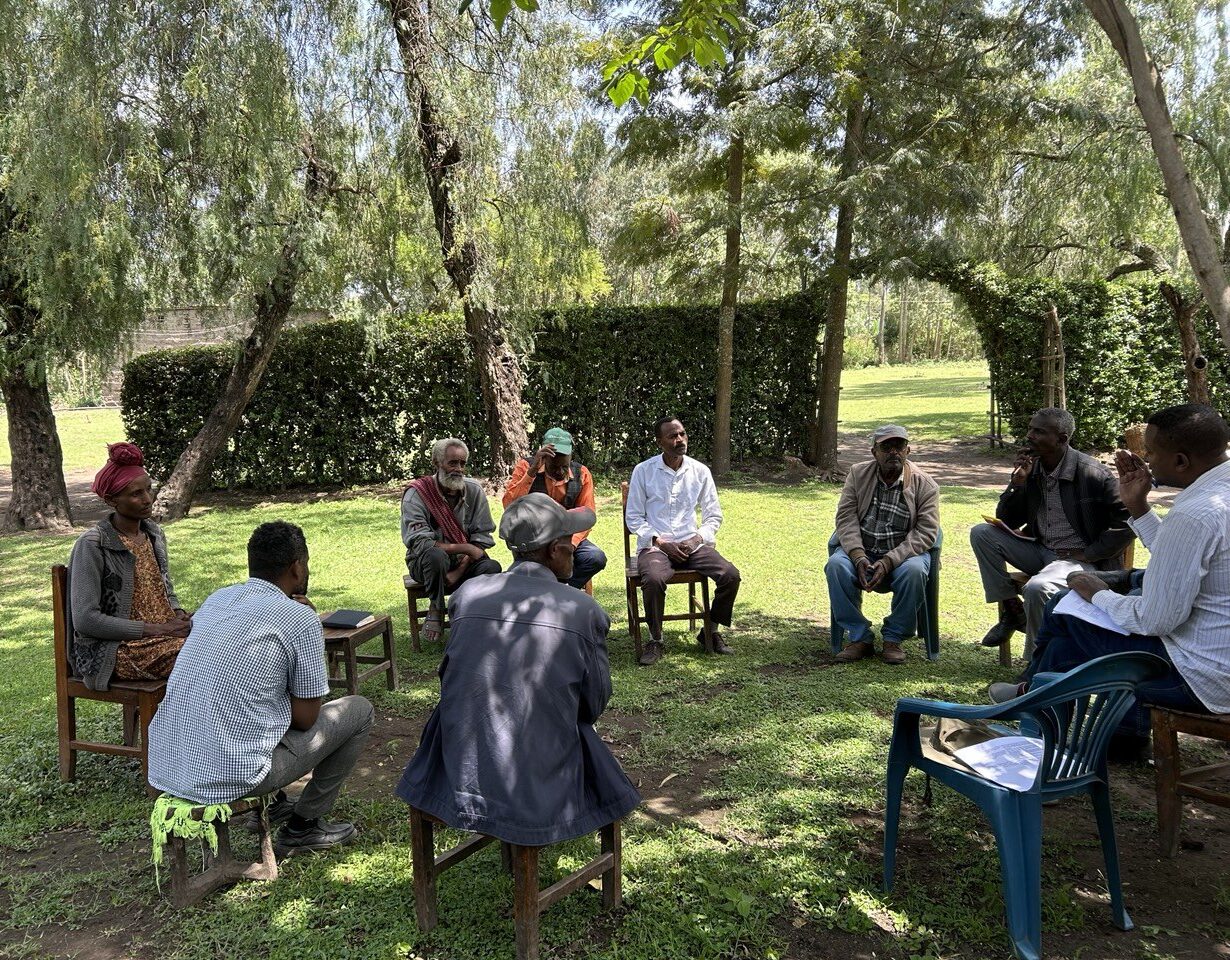
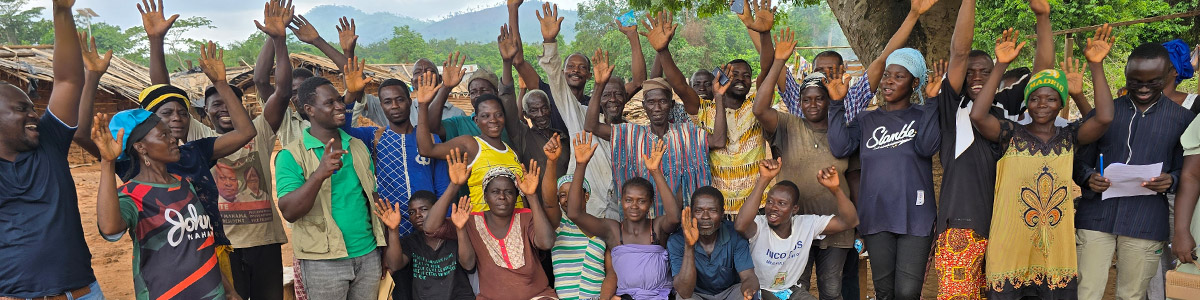
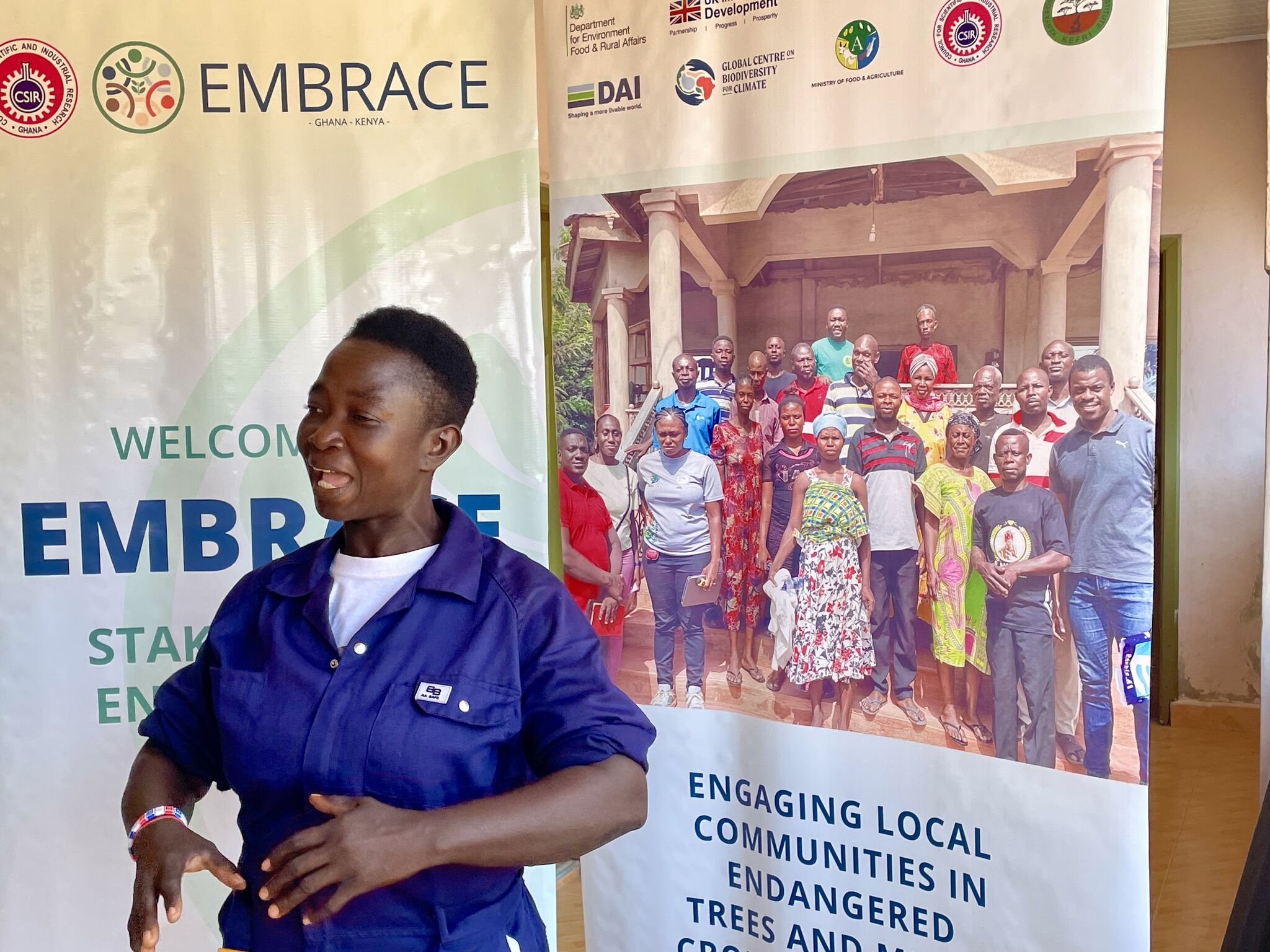
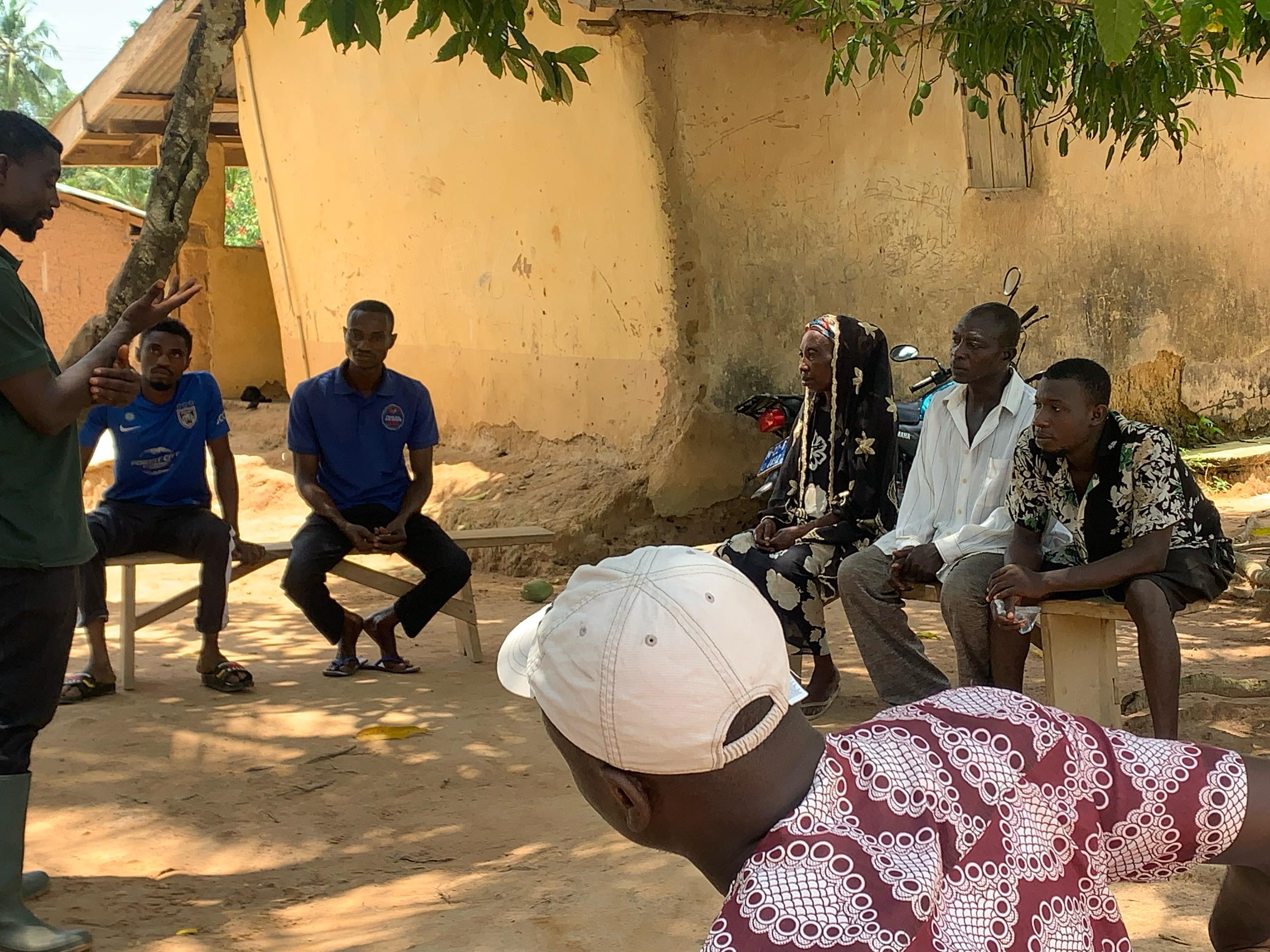
Photo Credits: 1) Scientists from the project and participating farmers sit together in an outdoor circle, engaged in discussion. Photo credit: Prof. Awdenegest Moges. Header Image: Photography (detail): A. Davey

EMBRACE: Engaging Local Communities on Endangered Trees and Minor Crops Utilization for Biodiversity Conservation and Livelihood Enrichment

Project Summary

Countries: Ghana, Kenya

Project Partners: AgroCircle, Kumasi-Ghana, Biodiversity Research Support Services, UK, iSLED, Kumasi-Ghana, Rowetwo Tree Nursery, West Pokot-Kenya

Principal Investigators: Dr Clement Oppong Peprah, Research Scientist, Council for Scientific and Industrial Research-Crops Research Institute and Dr. Jeannette Aduhene-Chinbuah, Research Scientist, Head of the Plantain and Banana Section at CSIR–Crops Research Institute, Ghana and adjunct lecturer at KNUST.

Challenge 

EMBRACE responds to the pressing challenge of biodiversity loss and climate vulnerability in smallholder farming systems across Ghana and Kenya. Rural communities depend heavily on natural resources for food, income, and cultural identity, yet rapid deforestation, land degradation, and the neglect of underutilized crops and endangered tree species threaten their resilience. Traditional knowledge on sustainable land management is gradually being lost, while modern farming practices often overlook the importance of ecological balance. This creates a dual challenge: how to restore degraded ecosystems while also improving livelihoods in ways that are socially inclusive and climate-resilient. The project therefore seeks to bridge scientific evidence with community knowledge, developing agroforestry models and conservation strategies that safeguard genetic diversity, enhance ecosystem services, and ensure fair benefit-sharing.

Insight

Through ecological surveys and aerial mapping, EMBRACE has built a robust evidence base to understand the richness of species, the extent of land degradation, and the potential for restoration. This scientific foundation is being paired with community co-creation, where farmers, traditional leaders, and local institutions help design agroforestry farmstead models that integrate endangered tree species with underutilized food crops. These farmsteads not only safeguard genetic diversity but also provide sustainable livelihood opportunities through practices such as beekeeping, snail rearing, and mushroom cultivation.


Collaboration

EMBRACE thrives on strong partnerships that bridge science, policy, and community action. At its core, the collaboration between the Council for Scientific and Industrial Research Crops Research Institute (CSIR-CRI) in Ghana, CSIR-Forestry Research Institute, the Kenya Forestry Research Institute (KEFRI), and the University of Eldoret in Kenya, ensures a cross-country exchange of expertise and experiences. These institutions provide scientific rigour, technical capacity, and policy engagement pathways to embed project findings into national strategies. Beyond research partners, the project works closely with local communities, traditional authorities, district-level Forestry and Agriculture offices, and smallholder farmer groups, ensuring co-creation and ownership of solutions.

With EMBRACE, we are together with local communities planting legacies. Every seed conserved, every degraded land restored, carries the promise of biodiversity, culture, and resilience for posterity.

Dr Clement Oppong Peprah, Principal Investigator, Council for Scientific and Industrial Research-Crops Research Institute

Dr. Clement Oppong Peprah

Dr. Clement Oppong Peprah is a Research Scientist (Agronomist) at the Council for Scientific and Industrial Research-Crops Research Institute (CSIR-CRI), Ghana. He co-leads the EMBRACE project, focusing on biodiversity conservation, climate resilience, and sustainable agroecosystems. His research spans food systems, agroforestry, and community-based adaptation strategies, with a strong emphasis on gender equality and social inclusion. Dr. Peprah has worked on multi-institutional projects across sub-Saharan Africa and contributed to policy dialogues on climate-smart agriculture. Passionate about bridging science and community action, he works to ensure that research translates into practical solutions for resilient livelihoods. He holds a PhD in Agricultural Science from the Tokyo University of Agriculture and Technology, Japan.

Dr. Jeanette Aduhene-Chinbuah

Dr. Jeannette Aduhene-Chinbuah is a Research Scientist and Head of the Plantain and Banana Section at CSIR–Crops Research Institute, Ghana, and an Adjunct Lecturer at KNUST. She co-leads the EMRACE Project, advancing biodiversity conservation, climate resilience, and sustainable agroecosystems. She earned a PhD in Biological Production Science (Soil Chemistry) from Tokyo University of Agriculture and Technology, where she also served as Assistant Professor. Her work integrates science and practice to strengthen farming communities through food systems, agroforestry, and inclusive climate adaptation. With expertise in gender-responsive approaches, she contributes to multi-disciplinary projects and climate-smart agriculture policy.

Gestión Integrada de Tierras y Aguas del Sistema de Humedales del Gran Amanzule

País: Ghana Líder del proyecto: Universidad de Educación, Winneba – Ghana Resumen: El Humedal del Gran Amanzule (GAW) está amenazado por la minería artesanal, el cambio climático, las plantaciones de caucho y la agricultura de subsistencia, a pesar de su apoyo ecológico a la fauna y la flora. Las principales intervenciones se han centrado menos en los sistemas hidrológicos del SAM. Este proyecto pretende colmar esta laguna de conocimientos mediante paquetes de trabajo: análisis de los sistemas hidrológicos y los servicios ecosistémicos; agricultura climáticamente inteligente para los hogares; y desarrollo de herramientas de decisión e informes políticos para mejorar los esfuerzos de conservación. Los resultados previstos son i) mapas de uso del suelo y base de datos espaciales que indiquen las zonas de degradación significativa para informar sobre las actividades de restauración; ii) mapas hidrológicos e informes sobre el nivel de contaminación; iii) informe sobre los servicios ecosistémicos para comprender el beneficio ecosistémico de las VAG para los hogares y los retos que afectan a los servicios; iv) mejora de las actividades de subsistencia de más de 400 hogares que recibirán formación en apicultura, agrosilvicultura y viveros de especies autóctonas; v) mapas e informes que indiquen el paisaje restaurado; vi) herramientas de apoyo a la toma de decisiones para que los funcionarios del gobierno y las partes interesadas mejoren la planificación y las decisiones ecológicas; y vii) difusión de informes y notas sobre políticas. El objetivo último es ayudar a mejorar los medios de subsistencia de los hogares y los servicios ecosistémicos de la VAG bajo las crecientes presiones del hombre y el cambio climático. Asimismo, ayudar a Ghana a conservar sus humedales y mantener sus Contribuciones Nacionales Determinadas con respecto al carbono.

Utilizar la biodiversidad para apoyar medios de vida resilientes al clima en turberas tropicales intactas

Países: Perú, República del Congo y República Democrática del Congo Socio principal: Real Jardín Botánico de Kew, Reino Unido Resumen: Las turberas tropicales están amenazadas por el cambio climático y la presión humana. El reciente aumento de las graves inundaciones y sequías amenaza a las especies de las turberas y a los medios de subsistencia de las personas que dependen de ellas. En el sudeste asiático, la agricultura comercial intensiva ha degradado gravemente las turberas mediante el drenaje a gran escala y la conversión en plantaciones. Mientras tanto, las turberas del Amazonas y de la cuenca del Congo permanecen prácticamente intactas, pero están en peligro por la expansión de la agricultura y las nuevas infraestructuras. Proteger las turberas ricas en carbono de las cuencas del Amazonas y del Congo es vital para preservar la biodiversidad, apoyar los medios de subsistencia y mitigar el cambio climático. Este proyecto dará un paso adelante en la comprensión de (i) la biodiversidad de las turberas, (ii) la resistencia de las especies útiles de las turberas a sequías o inundaciones más frecuentes, y (iii) las oportunidades de utilizar la biodiversidad para apoyar los medios de subsistencia. Los resultados informarán a la política mediante la identificación de las especies en las que debería centrarse la gestión de las turberas.

Naturaleza

Países: Indonesia, Tanzania, Filipinas

Socio de ejecución: Instituto Internacional de Medio Ambiente y Desarrollo

Resumen del proyecto: En estrecha colaboración con pequeños agricultores de Indonesia, Filipinas y Tanzania, el proyecto abordará la pérdida de agrobiodiversidad, que reduce las opciones de subsistencia y la resiliencia climática. Utilizando las últimas metodologías de coproducción de la investigación, mejorará las pruebas sobre cómo ampliar a escala mundial los sistemas de producción agrobiodiversos, inclusivos y resilientes. Construirá redes de investigación locales y vinculadas internacionalmente que mejoren el aprendizaje continuo a largo plazo y el apoyo a la capacidad en torno a las mejores prácticas con los pequeños productores, fomentando asociaciones multidisciplinares que aboguen eficazmente por mejores políticas, aprovechen las inversiones públicas y privadas e impulsen la transformación de la forma en que producimos alimentos, combustibles, fibras y medicinas que sean buenos para la naturaleza, el clima y los medios de vida.

Agroforestería multifuncional para Etiopía

Socio de ejecución: Centro Internacional de Investigación Agroforestal

Resumen del proyecto: El proyecto generará pruebas sobre cómo podrían mejorarse los sistemas de tierras altas en Etiopía para lograr un futuro más biodiverso que apoye la mejora de los medios de subsistencia y la reducción de la pobreza. Mediante la comparación de sistemas agroforestales tradicionales y modernos en cuatro regiones de Etiopía, el proyecto pondrá en práctica un conjunto de sistemas agroforestales multifuncionales basados en el conocimiento en granjas, zonas agrícolas y centros de recursos rurales modelo para promover la adopción de la agroforestería multifuncional. El proyecto generará herramientas escalables, enfoques, productos de conocimiento y desarrollo de capacidades para miles de agricultores de las tierras altas. También desarrollará una estrategia, asociaciones e infraestructuras para sentar las bases de una mayor restauración de tierras, protección de la biodiversidad, mitigación de la pobreza y mejora de la resiliencia de los ecosistemas.