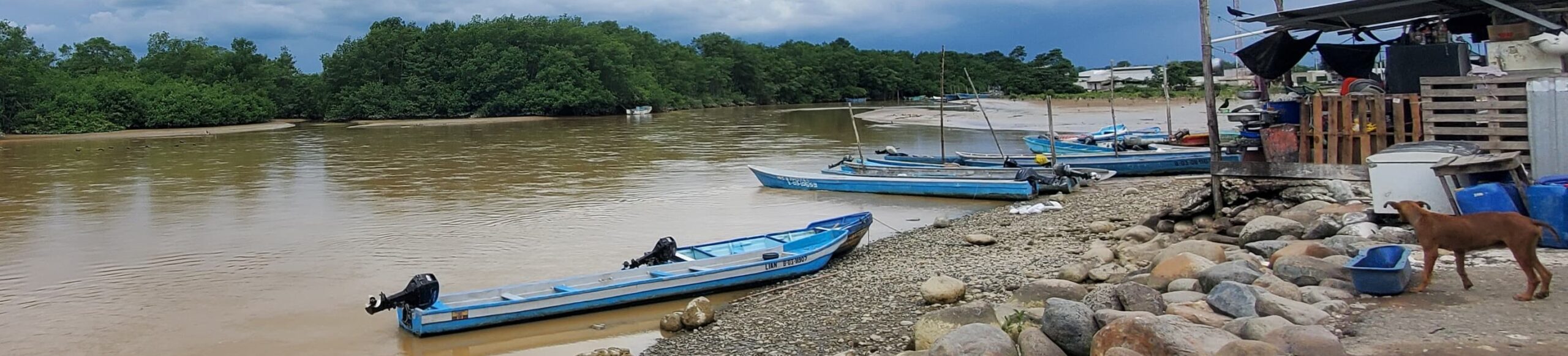
Biodiversity for Climate and Social Resilience: Empowerment of Coastal Communities in Sustainable Production Practices in Ecuador

Project Summary

Countries: Ecuador

Principle Investigator: Professor Julia Nieto Wigby, ESPOL

Project Description

The project aims to mitigate climate change by enhancing mangrove health, reducing human impact, and increasing fishing communities’ resilience while providing fair alternative incomes. Innovative techniques and approaches are applied to improve environmental, climate and social resilience along with novel finance solutions.

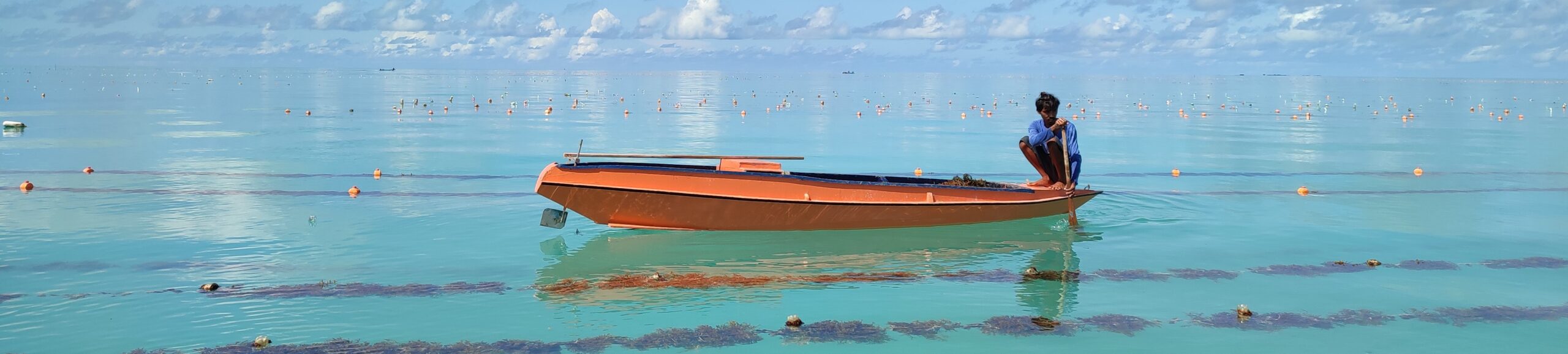
This involves: a) Ecosystem recovery – evaluating trophic structure recovery through habitat restoration strategies such as cultured black cockle (BC) restocking and red mangrove afforestation; b) Ecosystem protection – offering alternative livelihoods to reduce fishing pressure on natural banks by transferring technical mariculture capacities to fisher communities, along with environmental education and social empowerment for inclusive community governance systems; and c) Valorisation – internalising ecosystem services to determine real BC extraction and trade costs, and functional ecology valuation.

Communities will use key information to demand national policies to protect their territories and livelihoods.

Photograph (detail): Diego Tirira

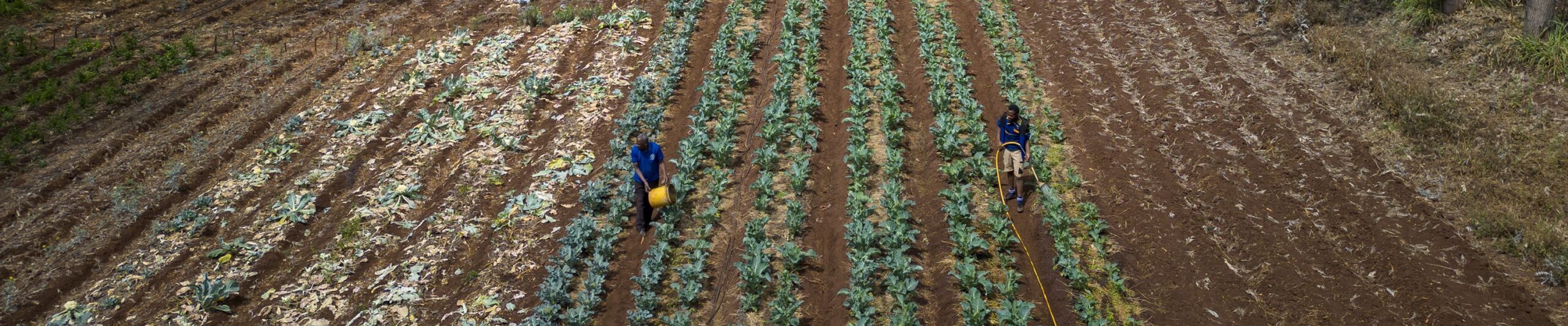
Kaboni kwa Misitu Yetu: Assessing Carbon Credits as a Sustainable Funding Mechanism for Tanzanian Village Forests

Project Summary

Countries: Tanzania

Principal Investigator: Dr. Kajenje Magessa, Lecturer, Researcher and Consultant in policy and natural resources governance, Department of Forest Resources Assessment and Management, College of Forestry, Wildlife and Tourism (CFWT), Sokoine University of Agriculture (SUA). 

Kaboni Kwa Misitu Yetu is evaluating the economic, social and governance feasibility of accessing carbon markets to help sustainably manage village forests in Tanzania.

Challenge

Villages manage nearly half of all forests in Tanzania but are struggling to ensure management is economically and socially sustainable. Potentially, selling carbon credits could provide vital revenues and there are some high-profile examples of Tanzanian villages accessing carbon finance.

However, the feasibility of accessing these funds is untested for most village forests: considerable economic, social, technical and governance challenges must be surmounted if this approach is to be scalable across the country. Capacity needs to be built in communities, districts and at the national level and the experiences of villages already benefitting from carbon finance need to be shared widely so that more communities can make well informed decisions about whether and how to participate in carbon markets.


Insight

To address these challenges, we are working with communities who have expressed an interest in accessing carbon markets.

We will;

• Evaluate the economic and social viability of carbon finance for village forests;
• Assess the capacity and governance needs of communities and other stakeholders;
• Assess the potential for carbon revenues from sustainably managing village forests;
• Organise peer-peer exchanges to promote learning between villages engaged in carbon markets, and those interested in engaging;
• Recommend how national and international policy should develop to help villages capture the global benefits generated by their forest management.

Collaboration

The project is led by researchers from Sokoine University of Agriculture, working closely with communities from five Village Land Forest Reserves as well as experts from Tanzania’s National Carbon Monitoring Centre and Bangor University, Wales, UK.


We aim to evaluate the viability of carbon credits as a source of funding for Tanzanian village forests, and build stakeholders’ capacity to make informed decisions about how to harness carbon markets to combat climate change, safeguard biodiversity, and alleviate poverty in Tanzania’s forested areas.

Dr Kajenje Magessa, Principal Investigator, Sokoine University of Agriculture.

Discover More

Dr Kajenje Magessa

Dr Kajenje Magessa is a distinguished social scientist primarily focused on forests and their role in sustainable development. She has an extensive background in empirical research, across a range of topics including Participatory Forest Management, policy analysis, natural resource governance and the socio-economic impacts of conservation on rural livelihoods. Prior to her current role Dr. Kajenje served as a research officer at Tanzania Forestry Research Institute for more than a decade and has been a visiting lecturer at the University of Göttingen in Germany and Bangor University in the United Kingdom.


Photograph (detail): Laitche

DICOT: Biodiversity Science in Support of Community-led Conservation of Threatened Forests in Tompotika, Central Sulawesi: Protecting Biodiversity, Ecosystem Services, and Climate Resilient Local Livelihoods

Project Summary

Countries: Indonesia

Principal Investigator: Dr Carmen Puglisi, Missouri Botanical Garden, Dr. Kate Farley, Missouri Botanical Garden- CoPI, Dr. Laura Toro, Missouri Botanical Garden- CoPI

Contact: cpuglisi@mobot.org

DICOT works to empower the communities of the Tompotika Peninsula in Central Sulawesi to protect their forests from nickel mining concessions and enhance their nature-based livelihoods.


Challenge

The Tompotika Peninsula in Central Sulawesi is one of Indonesia’s most biodiverse regions. Despite the ecological importance of the Peninsula, scientific information remains limited constraining efforts to implement evidence-based conservation and to align local conservation efforts with national frameworks such as the Indonesian Biodiversity Strategy and Action Plan (IBSAP). Besides, the biodiversity of the Peninsula is under imminent threat from nickel mining and agricultural expansion.

These activities are threatening the integrity of forest ecosystems and have also resulted in the gradual reduction of the suitable habitat of the maleo bird (Macrocephalon maleo), an endangered and endemic bird species of Sulawesi that has been internationally recognized as a conservation priority by the International Union for Conservation of Nature (IUCN).


Insight

To ensure the protection of the biodiversity of Tompotika, the DICOT team will:

  • Characterise the plant biodiversity through botanical inventories, species extinction assessments, climate modeling, and ecosystem services mapping.
  • Document traditional ecological and biocultural knowledge to prioritise climate resilient species that support livelihoods and provide important ecosystem services.
  • Establish a community-run plant nursery for cultivation of selected plant species.
  • Disseminate the knowledge acquired with local, regional, and international stakeholders through community education and outreach as well as scientific publications and presentations.

Through a combination of biodiversity science and capacity building, this work will support the collaborative development of conservation proposals and promote the sustainable cultivation of economically important plant species to alleviate poverty and support climate resilience for the communities of Tompotika.


Collaboration

DICOT is an international partnership that brings together local people, non-profits, and national and international research institutions, and an interdisciplinary team of experts in plant diversity, ecology, conservation, and anthropology based in Indonesia, Germany, and the United States.

With this project, we will help the local communities of Tompotika protect their forests, livelihoods, and traditional knowledge. More importantly, we hope to engage and inspire the younger generation to become advocates for plant diversity and conservation.

Dr. Carmen Puglisi, Missouri Botanical Garden, USA

Dr. Carmen Puglisi

Dr. Carmen Puglisi is a plant taxonomist that specialises in the systematics of ebonies and gesneriads of Southeast Asia. She worked in the UK and Singapore before becoming the Curator of the Asian herbarium collection at the Missouri Botanical Garden in 2023. Dr. Puglisi is passionate about plant diversity, herbaria, and the training of the next generation of plant taxonomists in Southeast Asia.


Photo Credits

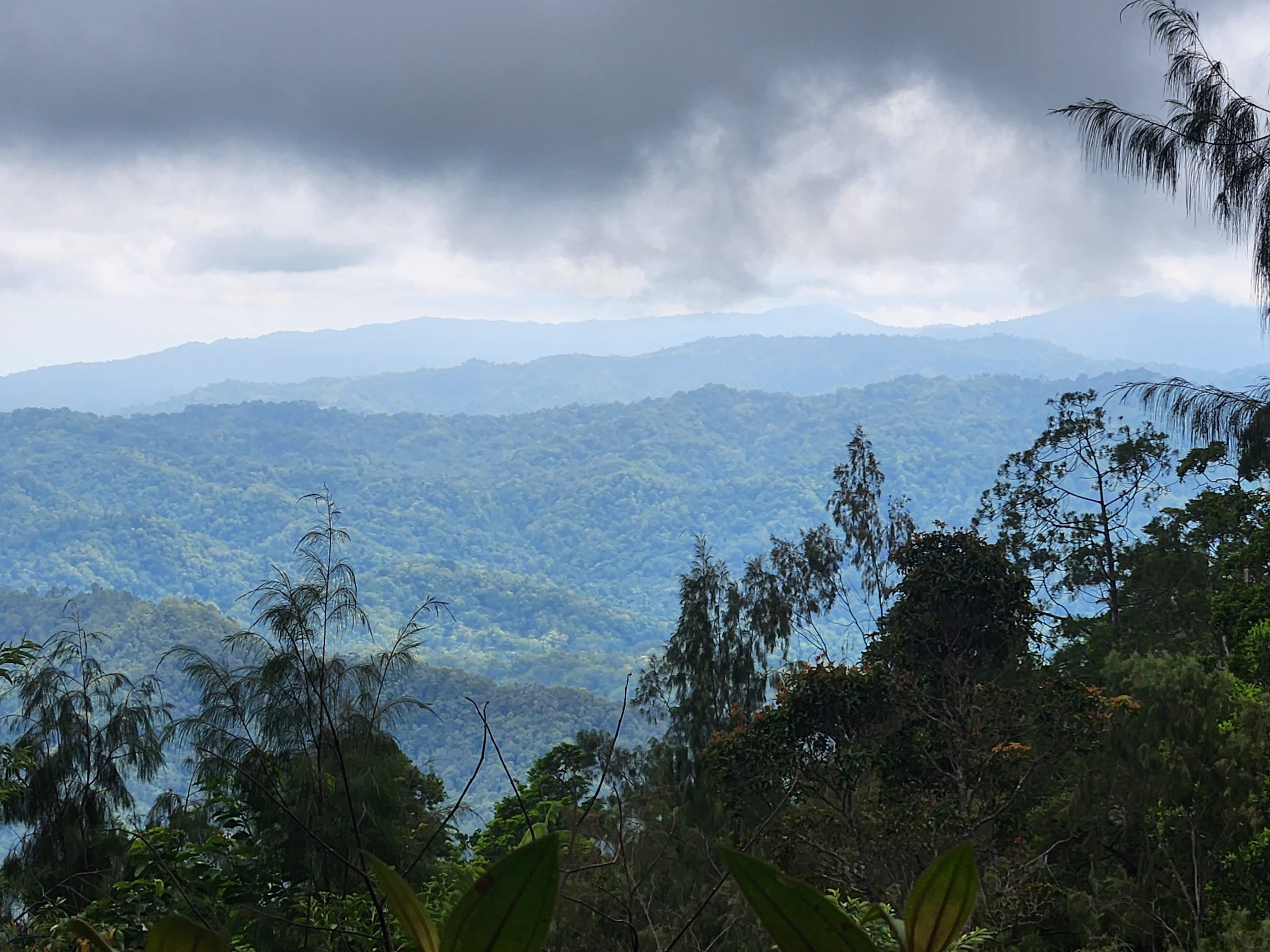
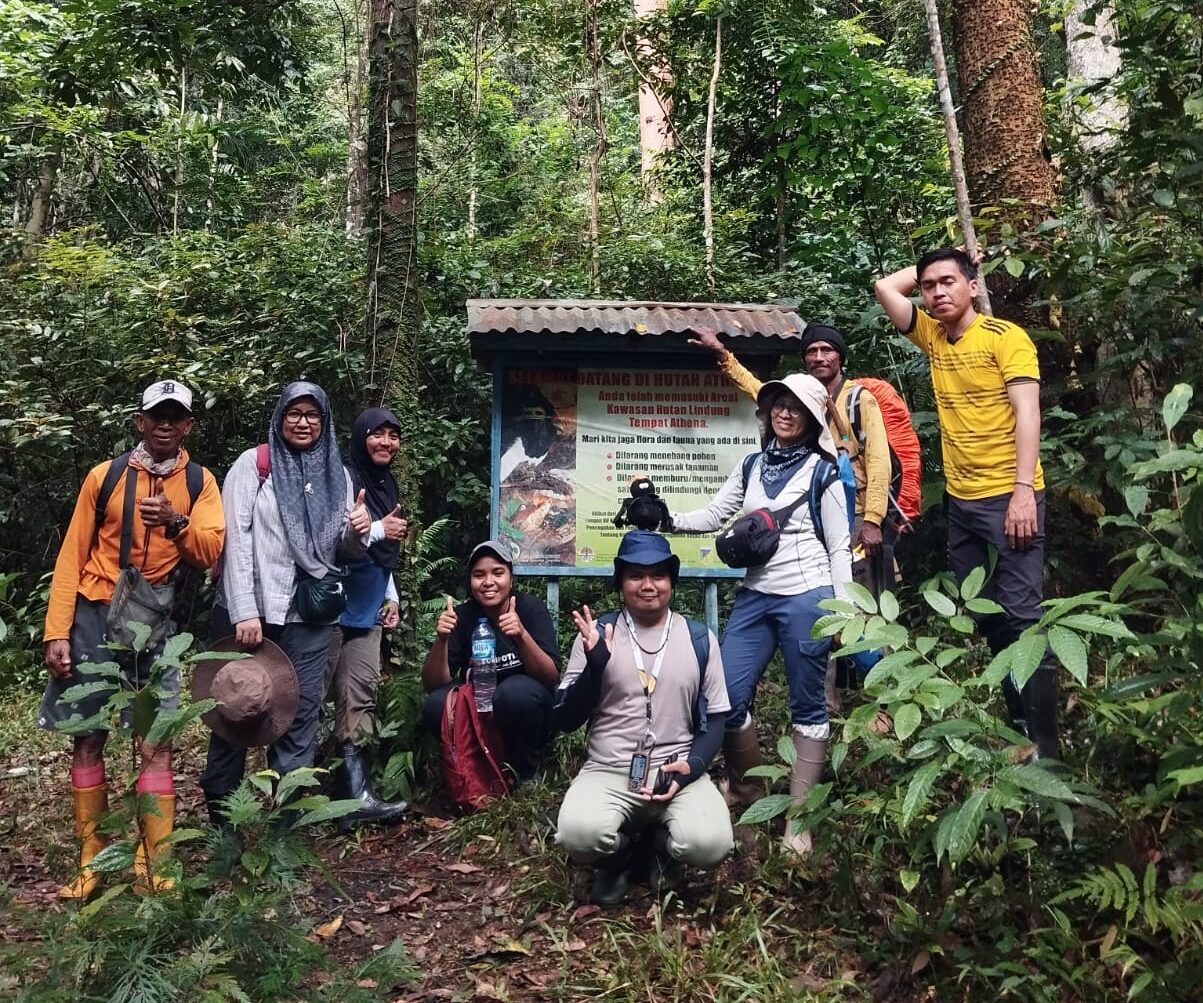
  1. Forests of Mount Tompotika. Photo taken by Kate Armstrong
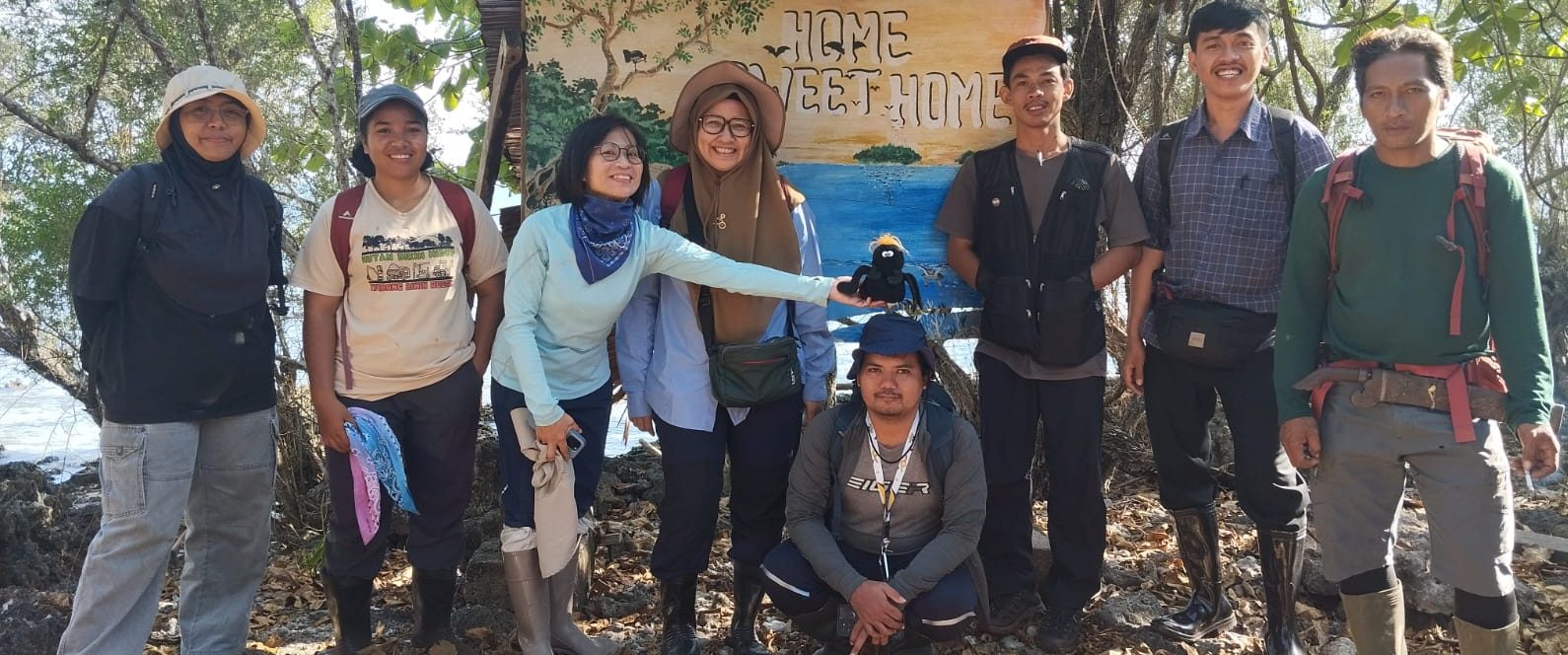
  2. First expedition to the Heart of Tompotika. Photo taken by M. Isfandri
  3. Seedlings of Patchouli grown in the Tanah Merah community nursery
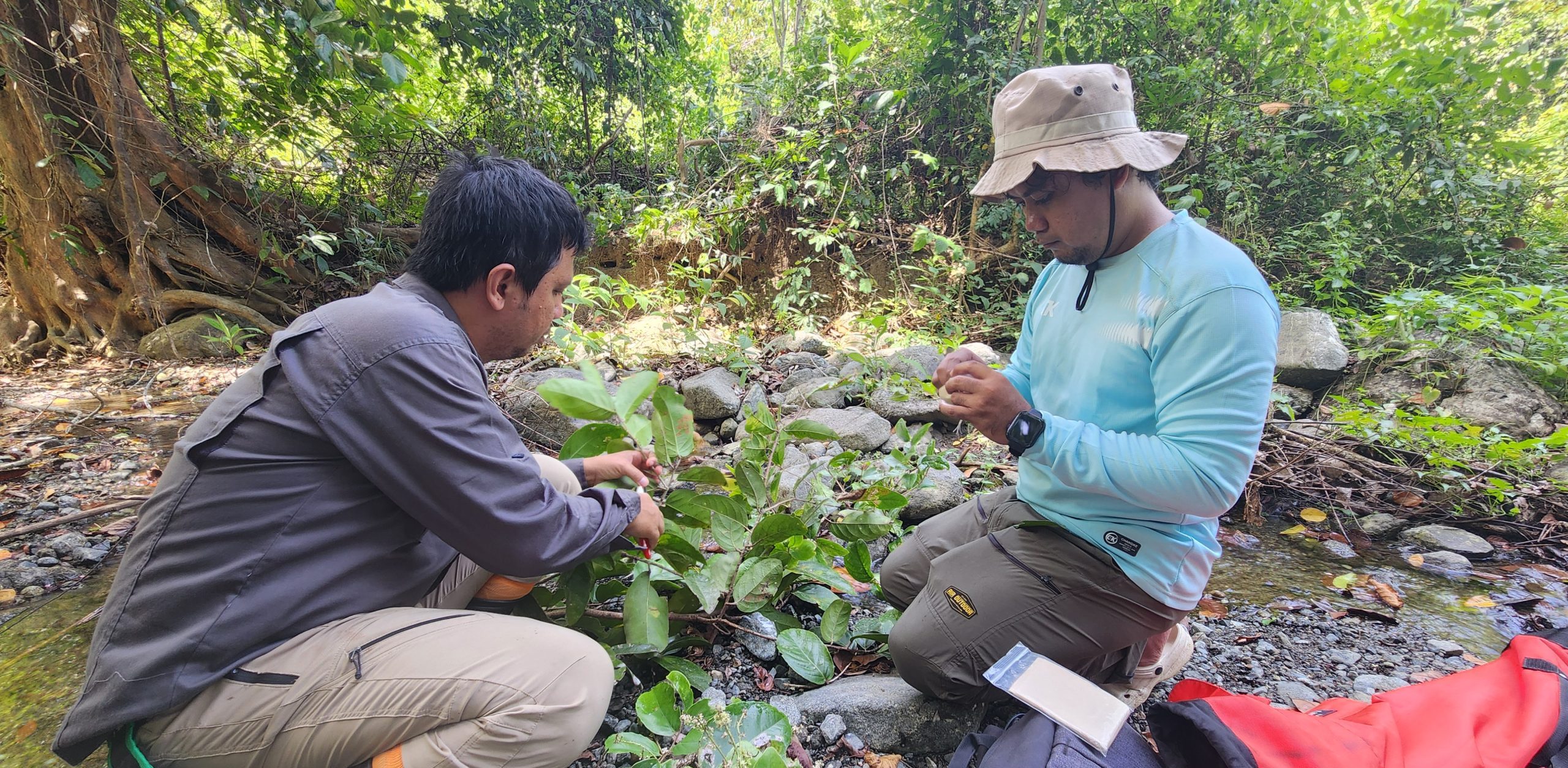
  4. Plant collection and labeling around Pangkalaseang, Central Sulawesi, left to right – Irvan Fadli Wanda and Muhammad Rifqi Hariri, Photo taken by: Natalie Konig
  5. Seedlings of Patchouli grown in the Tanah Merah community nursery
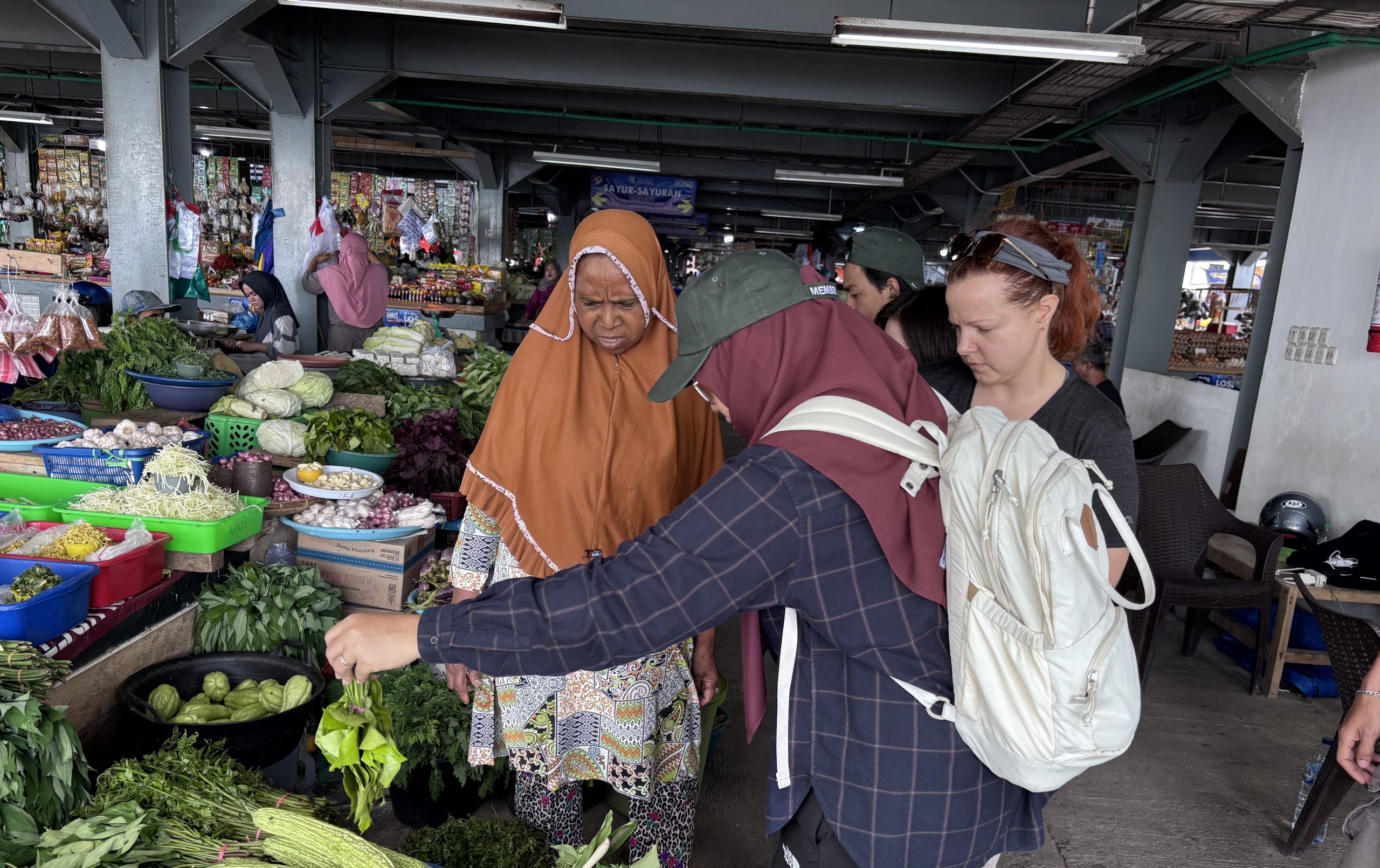
  6. Visit to the vegetable stands in the Luwuk market, Photo taken by: Yuli Kunjae
  7. First expedition to the Heart of Tompotika. Photo taken by M. Isfandri
  8. Header Image Enrico Kumesan


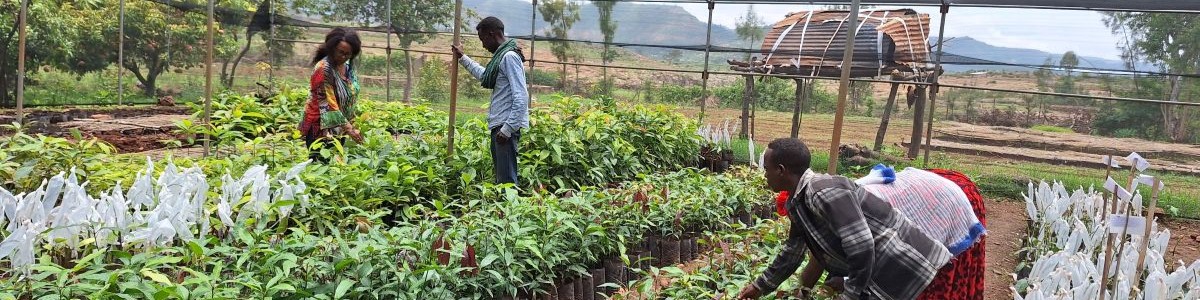
BioRes: Biodiversity Potential for Resilient Livelihoods in the Lower Omo, Ethiopia

Project Summary

Countries: Ethiopia

Delivery Partner: University of Leeds

Project Partners: Arba Minch University, Cool Ground

Principal Investigator: Dr Jennifer Hodbod, University of Leeds

BioRes will clarify the potential for biodiversity to contribute to and improve livelihood security, adaptation to climate change, and resilience in Ethiopia’s newly formed Tama Community Conservation Area (CCA), where there is a lack of data to manage from.

Challenge

The Lower Omo is a region with high biodiversity that was sustainably managed by the Indigenous populations prior to the implementation of mega-projects by the Ethiopian state (i.e., National Parks, Gibe III dam, Kuraz Sugar Project). Transformation resulting from these projects has led to an un-desirable regime shift from the agro-pastoralist or hunter-gatherer livelihoods embedded in the local cultures to wage labourers on the agricultural estates or out-migration, increasing pressure on biodiversity and not supporting resilient livelihoods.

Insight

The Tama Community Conservation Area has been designed to provide a supplemental sustainable livelihood alternative (ecotourism). BioRes supports that goal by addressing the biodiversity knowledge gaps critical for both food security and ecotourism, so that the CCA regulations can support biodiversity through climate change.

Collaboration

Through a participatory process, the communities and CCA stakeholders will develop capacities for biodiversity monitoring, produce the first biodiversity assessment datasets for the region and accompanying knowledge products, be supported in adapting the CCA management plans to be more inclusive and effective to the sustainable use of biodiversity for climate, and as a result, demonstrate greater resilience to future climate change.


BioRes uses an engaged approach to integrate the rich traditional ecological knowledge held by local communities with systemic biodiversity monitoring. By combining these ethnobotany and ethnozoology approaches with qualitative data, we will address the data gap in the region, build capacity for monitoring to continue after BioRes, and inform CCA management, thus contributing to improved livelihood security, adaptation to climate change, and resilience in Ethiopia’s newly formed Tama Community Conservation Area.

Dr Jenny Hodbod, University of Leeds


Dr Jenny Hodbod

Jenny Hodbod is an Associate Professor of Environment and Development. Her research explores the creation the resilient and equitable food systems – environmentally and economically sustainable food systems that can feed a growing global population and support their wellbeing whilst adapting to security threats such as climate change, changing preferences, and economic shocks.

Using environmental social science methods, she primarily researches rural dryland systems, addressing issues of environmental degradation and food insecurity in these regions by exploring balances between competing land use strategies – livestock, arable agriculture, conservation – to improve the resilience of these fragile landscapes.


Photo Credits

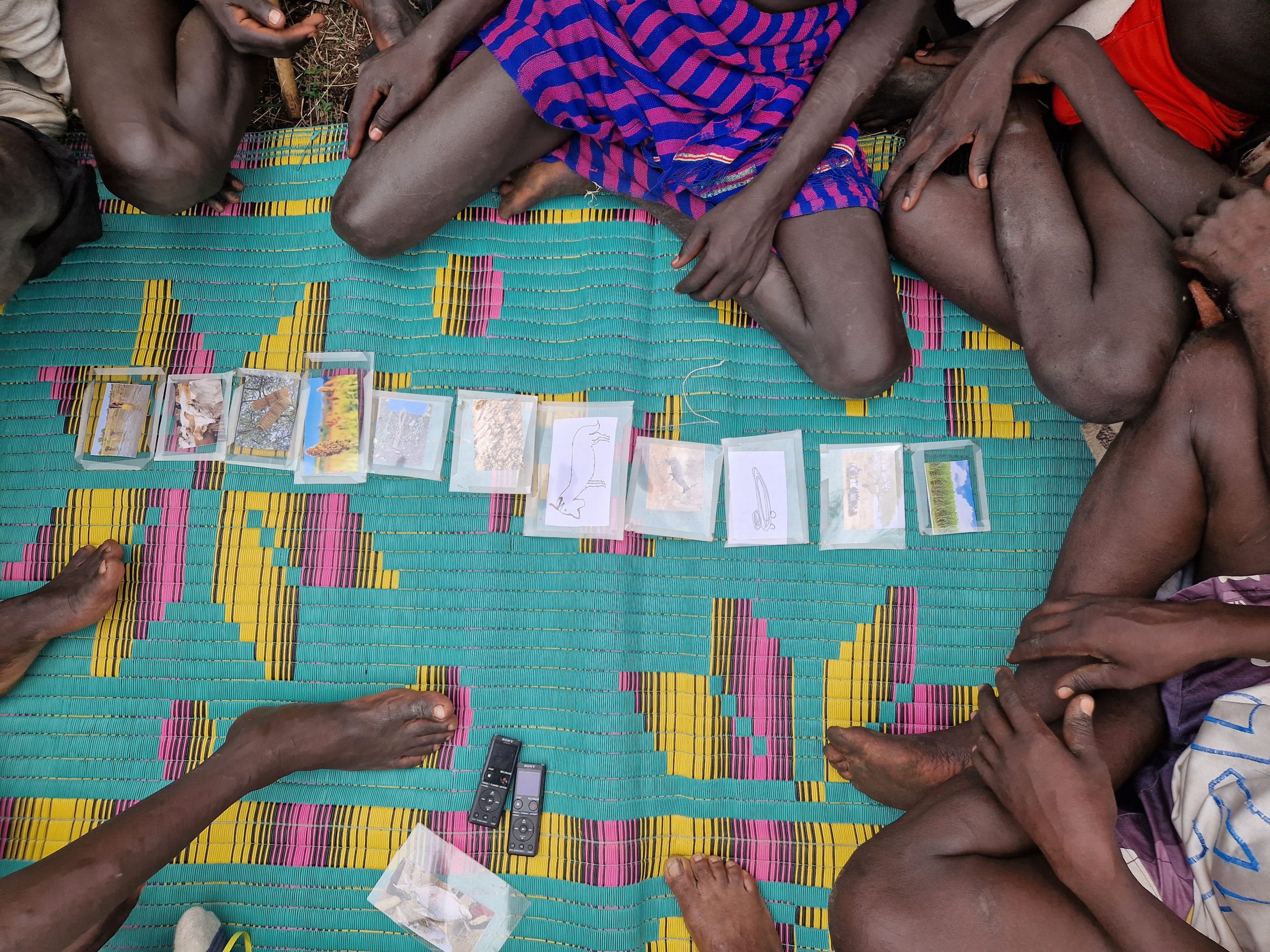
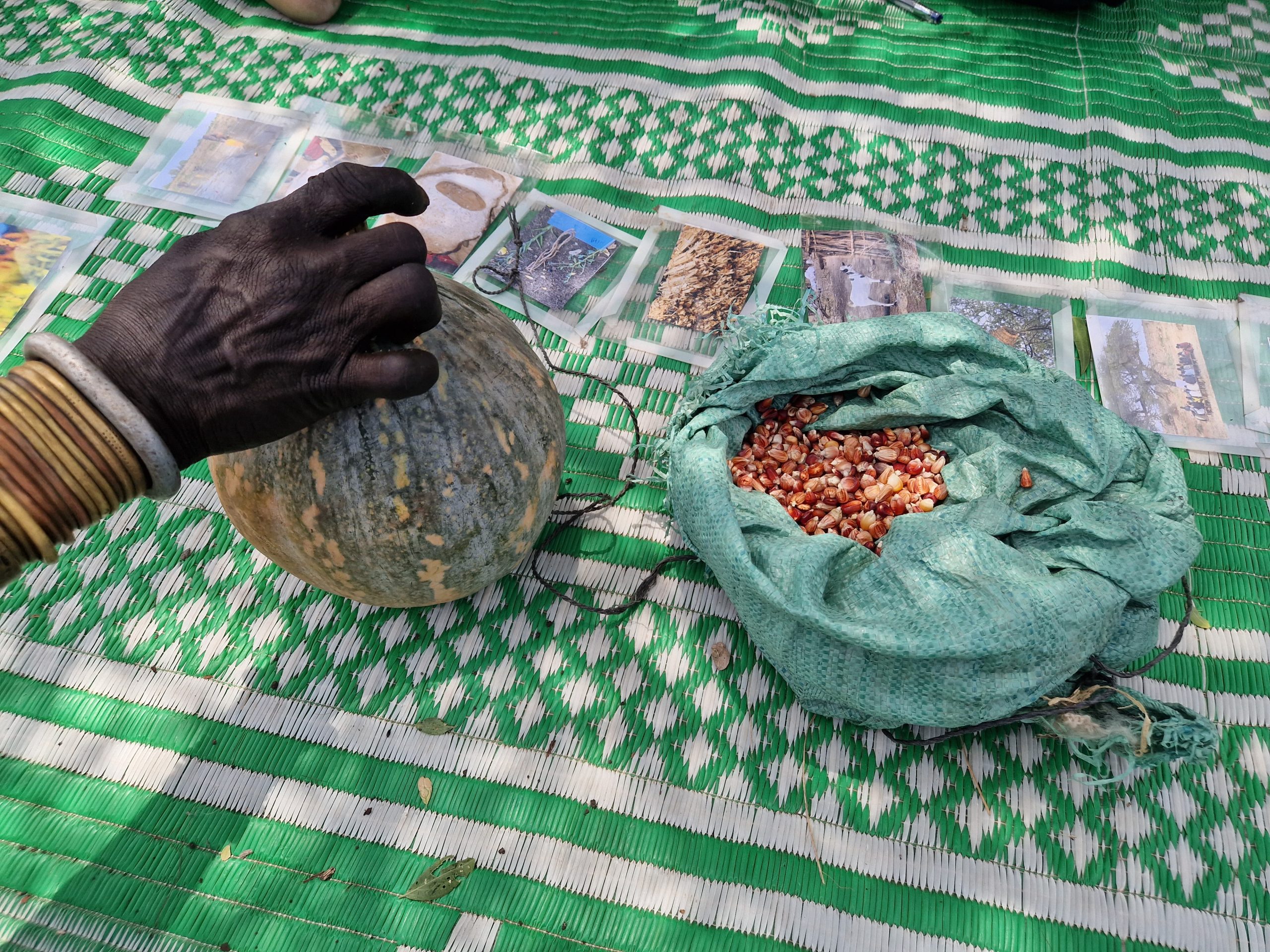
  1. Ecosystem Service Ranking
  2. Discussing Food Culture in the Tama Community Conservation Area
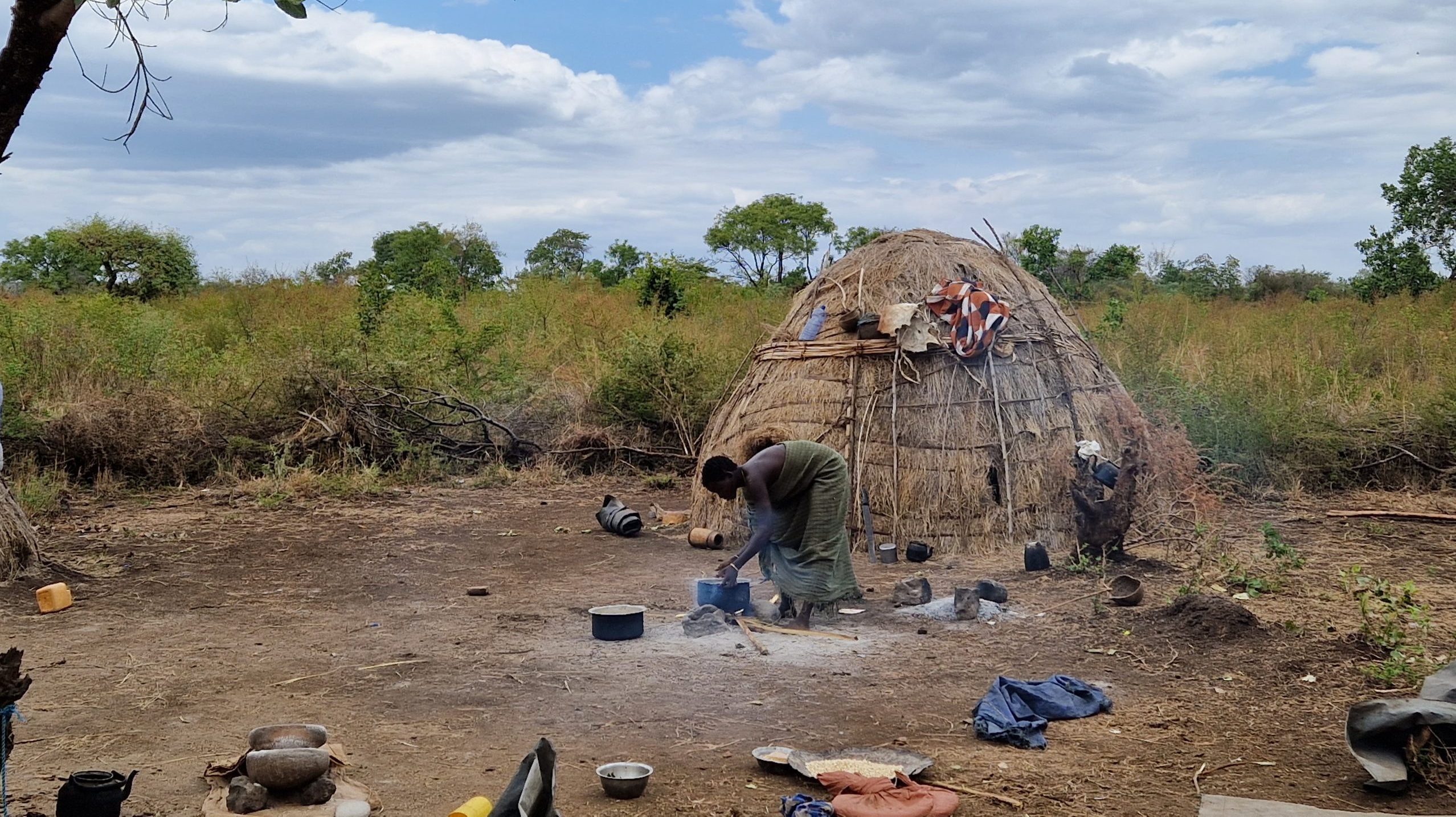
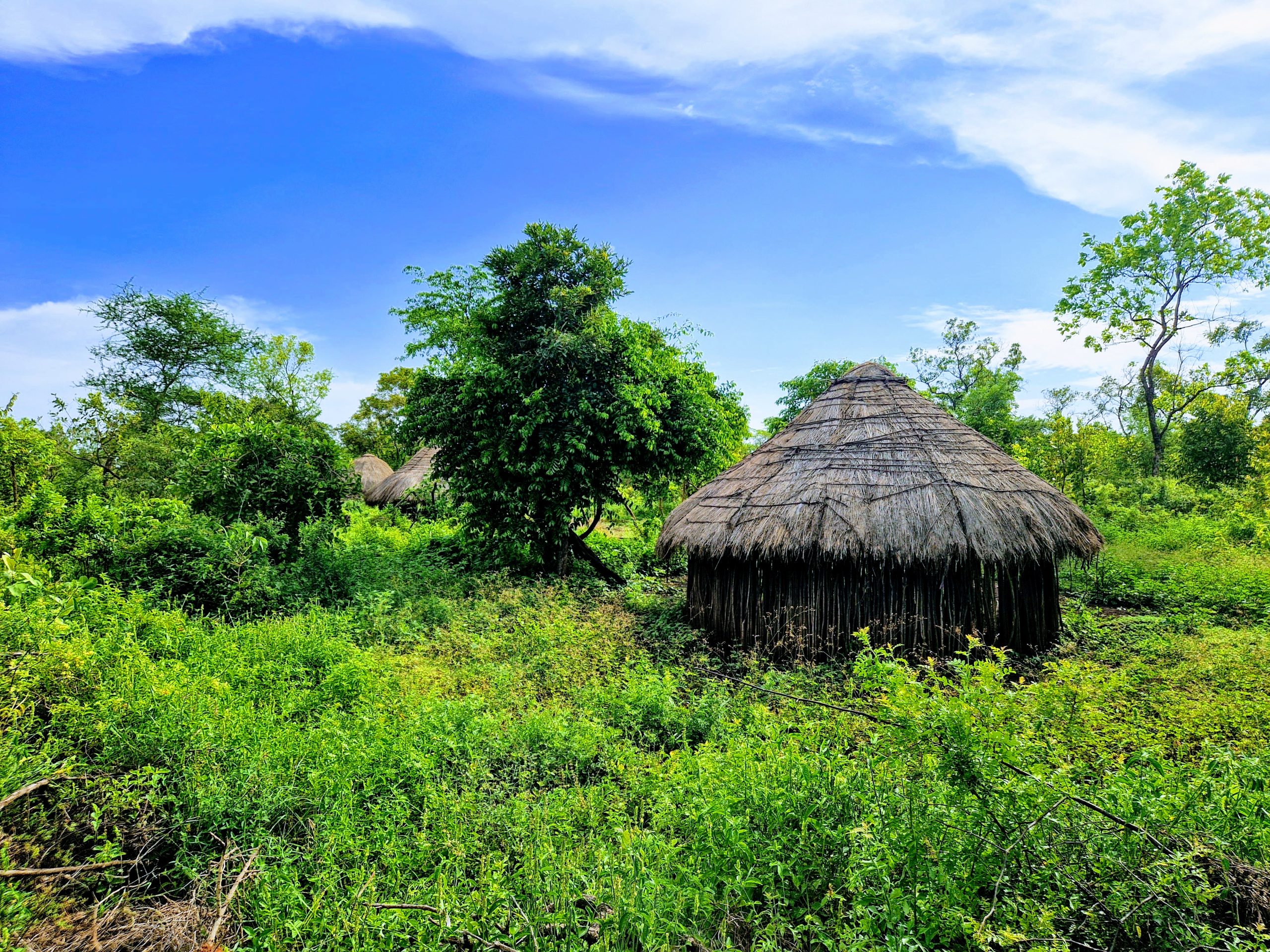
  3. Bodi Village Life
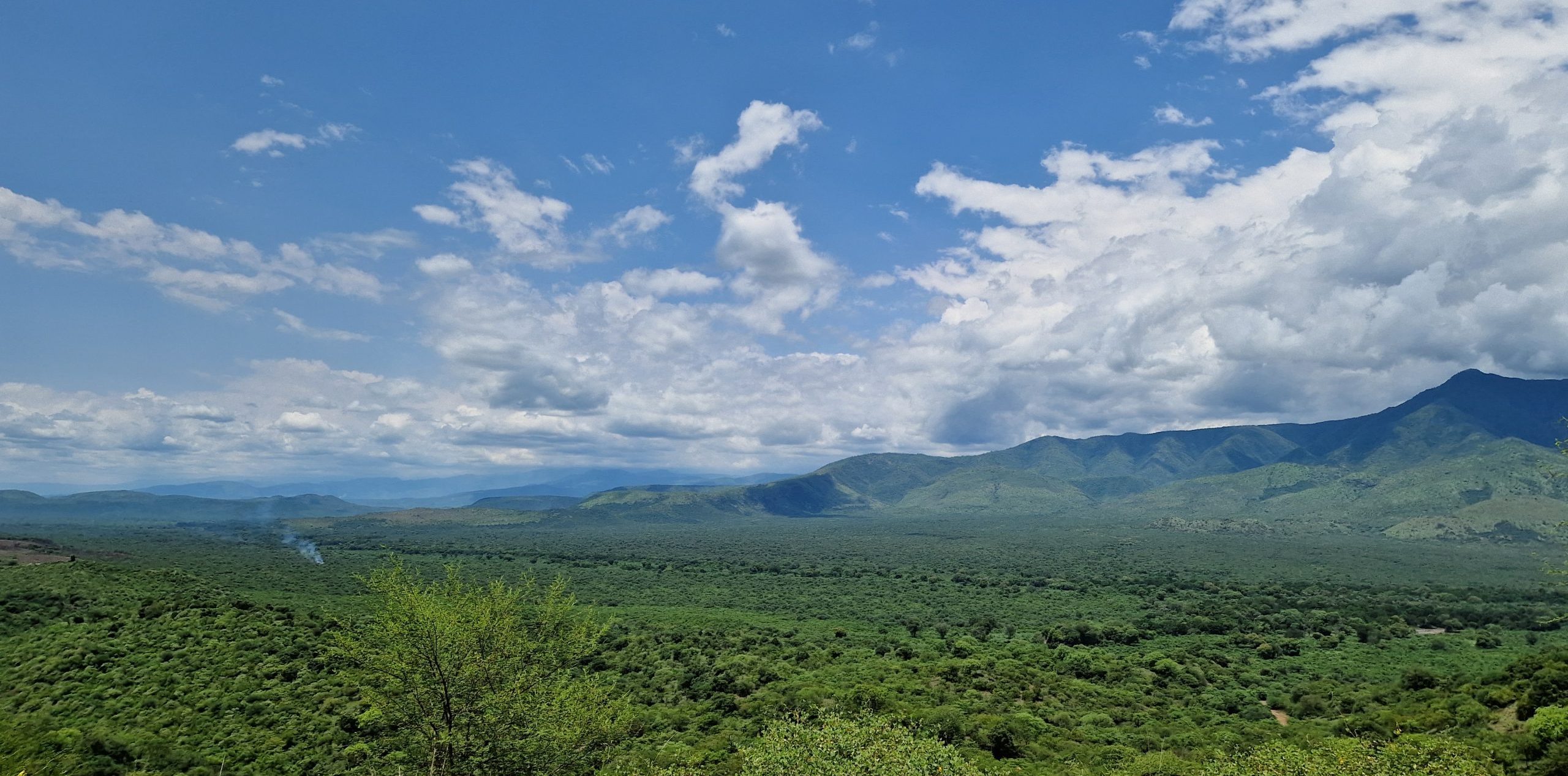
  4. Tama Community Conservation Area
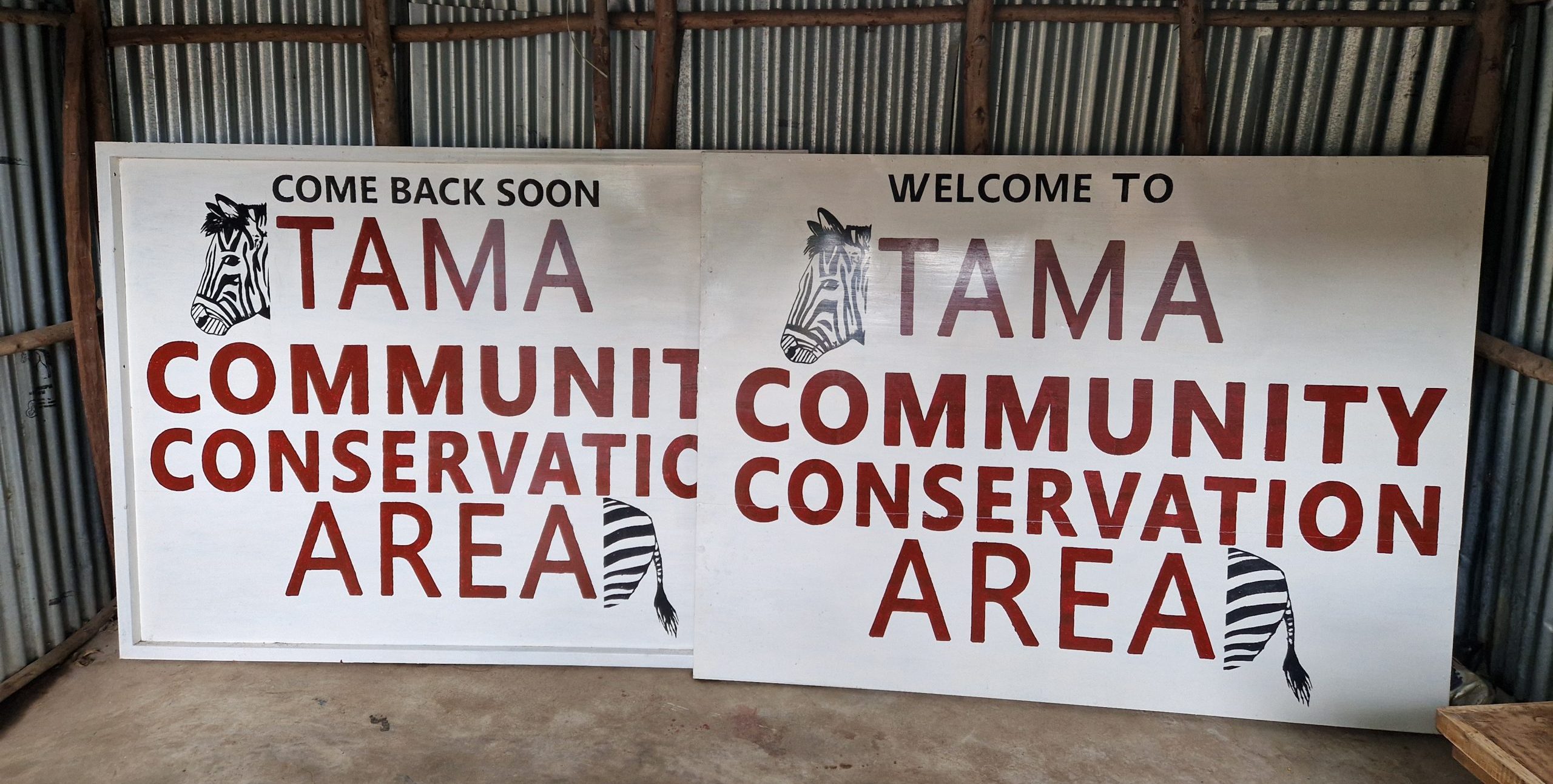
  5. Tama Community Conservation Area Signs
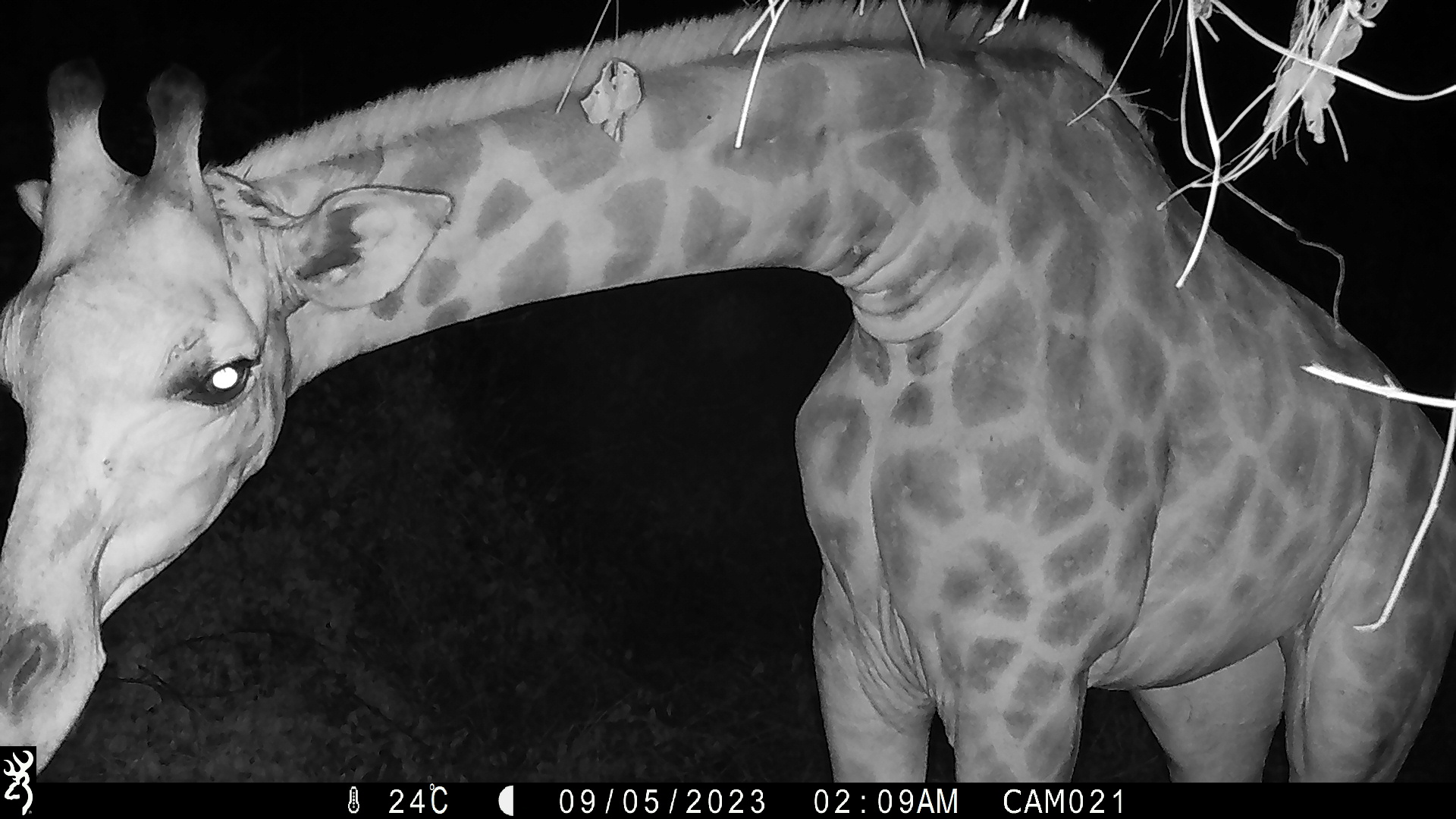
  6. Giraffe on Camera
  7. Bodi Land
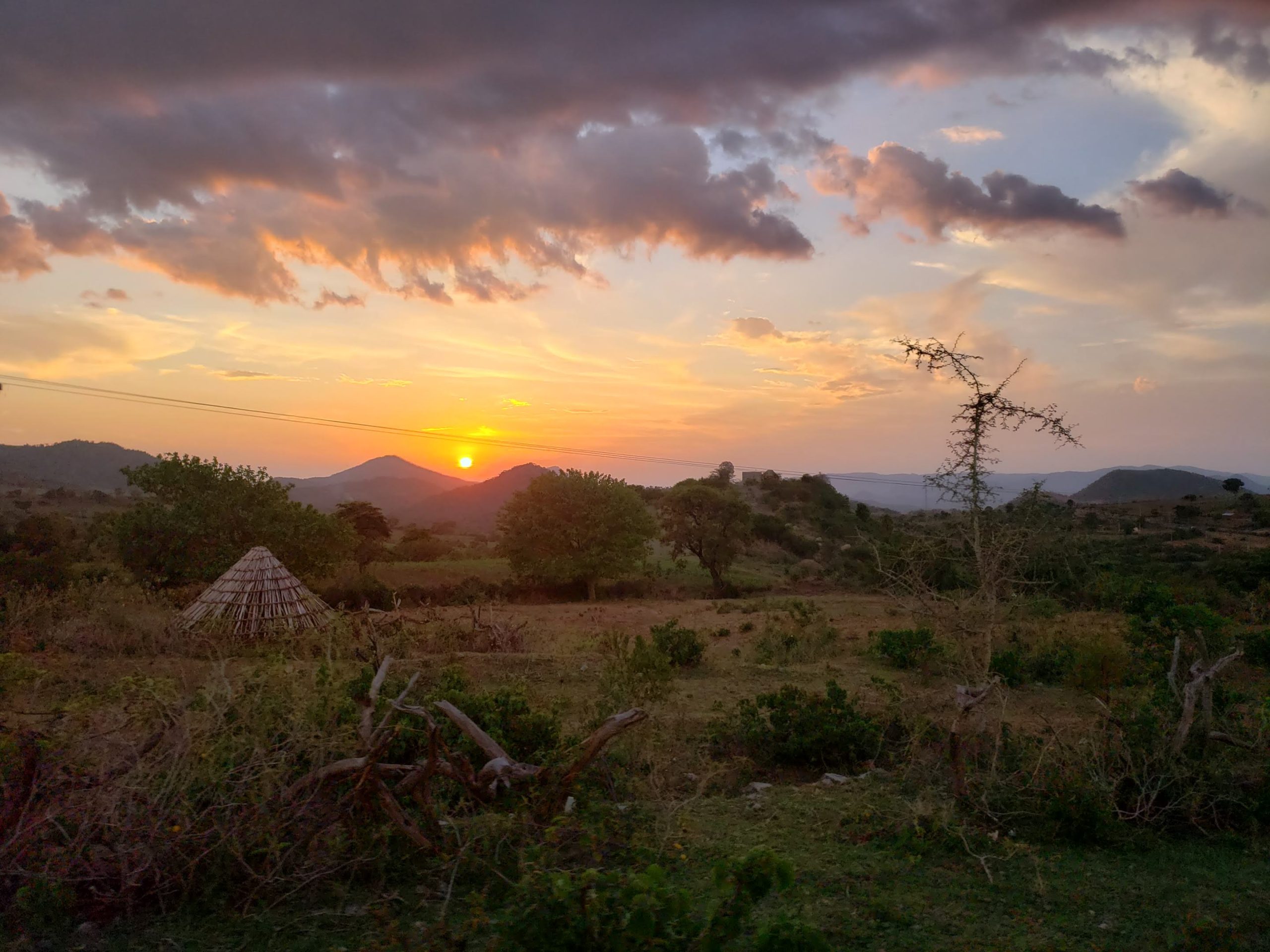
  8. Sunset in the Lower Omo
  9. Header Photograph (detail): Rod Waddington

BREL-Borneo: Benefits of Biodiverse Restoration for Ecosystems and Livelihoods in Borneo

Project Summary

The BREL project aims to enhance forest restoration in Kalimantan by increasing the use of under-utilised tree species through innovative research, stakeholder engagement, and digital planning and monitoring tools, enhancing biodiversity, climate resilience, and community livelihoods.

Challenge

Species choices in existing restoration efforts have not been systematically documented and compared to the known native species diversity to assess gaps, and understanding of the current and potential species’ functional traits and resilience under future climates remains unknown. There is also a lack of knowledge on how under-utilised species can promote sustainable livelihoods as part of restoration activity through facilitating access to species with trade and utility value. This hampers further development of a bespoke and diverse species pool for use in Kalimantan lowland forests. There is introduced legislation to support the production and use of quality planting material in forest restoration, but implementation remains focused on a limited number of tree species.


Insight

Using a multi-disciplinary approach, we will produce novel protocols to optimise restoration outcomes through selection of resilient plant communities which will support climate change mitigation and suit local socio-ecological contexts across lowland forests of Kalimantan.
We aim to:
  • Publish a policy brief identifying key gaps in tree diversity (species, functional, economic) used in restoration and agroforestry when compared to the native tree flora, and analysing their impact on productivity and resilience in Kalimantan.
  • Create new knowledge of species-site matching for diverse landscape contexts and land use objectives in a changing climate, released in the Diversity for Restoration tool with bespoke content for Kalimantan.
  • Release the MyFarmTree app for Kalimantan to address bottlenecks in incorporating under-utilized species into seed and seedling supply chains and streamline the adoption of innovations in germplasm supply.
  • Validate rapid/remote surveys for plant biodiversity metrics, to achieve efficient plant biodiversity monitoring methodology and demonstrate route to full Biodiversity Credit Certification for a selected site as a pilot.
  • Disseminate decision support tools and new knowledge resources to enhance plant biodiversity in restoration efforts across Kalimantan, and link to existing seed supply chain infrastructure.
  • Create new partnerships and joint infrastructure established for long-term enhancement and monitoring of plant biodiversity in restoration and associated livelihood benefits.

Collaboration

The BREL project team brings together a blend of applied research and community-based expertise to enhance forest restoration in Kalimantan. Led by the Royal Botanic Garden Edinburgh, the consortium includes the Indonesian institutions BRIN, IPB, and YTAN, alongside international partners Bioversity International, UKCEH, the University of Aberdeen, and Plan Vivo Foundation. Their combined strengths span taxonomy, forest ecology, climate modelling, germplasm supply, biodiversity monitoring, and socio-economic development. Together, these partnerships form a robust foundation for scalable, inclusive, and climate-resilient forest restoration.


Conservation can only succeed when the local context is understood and incorporated – our aim is to enable enhanced species choices in restoration projects which benefit both communities and biodiversity.

Dr Mark Hughes, Royal Botanic Garden, Edinburgh

Dr Hughes is Taxonomy Research Leader at the Royal Botanic Garden Edinburgh, with over 20 years research experience. His research focuses on better understanding the globally important plant diversity of the region and the threats it is facing, and using this knowledge to support meaningful and sustainable conservation action, with a particular focus on economically and ecologically important plants.


Header photograph (detail): Shahibul Anwar

CROSSROADS-SSA: Cataloguing and Rating of Opportunities for Side-lined Species in Restoration of Agriculturally Degraded Soils in Sub-Saharan Africa

Project Summary

Countries: Ethiopia

Delivery Partner: The University of Aberdeen

Project Partners: International Water Management Institute, Hawassa University (HU) Central Ethiopia Agricultural Research Institute (CEARI)

Contact: jo.smith@abdn.ac.uk

We will catalogue and test use of “side-lined” or “underutilised” native plants to restore degraded soils in Ethiopia, characterising impacts on biodiversity, poverty alleviation, and climate adaptation and mitigation.

Challenge

Ethiopia faces the urgent challenge of restoring soil health while strengthening biodiversity, climate resilience and rural livelihoods. Despite the wealth of underutilized plant species in Ethiopia, such as drought-tolerant local crops, resilient perennials, nutrient-enhancing legumes, and bank-stabilizing vegetation, their potential remains largely untapped. Harnessing these species requires transformative land management that integrates indigenous practices with modern science.

The challenge is to build tools that capture traditional knowledge, new measurements and systems-based insights into soil, water, food, climate and farmer wellbeing. These tools must be adaptable, practical and co-designed with smallholder farmers, who are the primary agents of change, ensuring solutions are attractive, usable and widely disseminated. At the same time, policymakers need concise, actionable information to enable supportive frameworks. Achieving this integration across diverse stakeholders will determine whether Ethiopia can pioneer scalable approaches to soil restoration and resilience, offering lessons applicable across Sub-Saharan Africa.


Insight

Our project addresses the challenge of restoring soil health in Ethiopia by systematically cataloguing and characterising underutilised plant species with proven potential across Sub-Saharan Africa. Through systematic review, meta-analysis and systems modelling, we will build a comprehensive catalogue of species, enriched by community engagement in the Bilate catchment to ensure local relevance. Laboratory and field studies will then characterise their impacts on soil health, water retention, erosion control, crop productivity, climate adaptation, biodiversity and livelihoods. This integrated approach combines scientific expertise in microbial and plant diversity, dynamic simulation modelling, and socio-economic analysis with traditional knowledge and farmer perspectives.

The expected impact is a set of co-designed tools and dissemination methods, ranging from mobile apps and decision-support systems to paper-based formats in local languages, that empower smallholder farmers and inform policymakers. By evaluating dissemination strategies and framing training toolkits, we aim to ensure uptake and sustained use. Insights gained to date highlight the importance of combining indigenous practices with scientific studies and modelling to capture system-wide interactions between soil, water, biodiversity and livelihoods. This participatory, systems-based approach will generate scalable solutions for soil restoration and resilience, with lessons applicable across Sub-Saharan Africa.


Collaboration

The project is led by the University of Aberdeen, bringing multidisciplinary expertise across soil science, biodiversity, economics and climate resilience. Jo Smith (soil modelling) and Georgios Leontidis (machine learning) contribute to cataloguing under-utilised species, while Hawassa University contribute expertise in conservation and community engagement (led by Awdenegest Moges). From the University of Aberdeen, Paul Hallett (soil health, erosion), David Burslem (tropical biodiversity), Cecile Gubry Rangin (microbial ecology), Pete Smith (global change) and Euan Phimister (rural economics) bring expertise to characterise impacts on soil health, biodiversity, climate resilience and livelihoods.

Work led by Wolde Bori (International Water Management Institute) adds strengths in soil stabilisation, hydrology, irrigation, food production and gender inclusion. Getahun Yakob (Central Ethiopia Institute of Agricultural Research, Ethiopia), brings expertise in agroforestry and soil management, supporting field sites, and leading dissemination and community engagement. Together, these partnerships ensure robust, interdisciplinary delivery and impact.

For years we have focussed on using organic wastes to increase soil organic matter. This often doesn’t work because households have other pressing needs for organic wastes, such as energy provision or building. By drawing on under-utilized plants, we open up new ways to improve soil health, benefitting the community by increasing crop production and climate resilience, while also promoting the unique biodiversity of these rich ecosystems.

Prof Jo Smith, University of Aberdeen


Professor Jo Smith

Jo Smith is Professor of Soil Organic Matter and Nutrient Modelling at the University of Aberdeen, specialising in systems modelling and sustainable land management. She has extensive experience leading interdisciplinary projects on agriculture, climate resilience and ecosystem services, with a strong track record of collaboration across international research networks.

Her work integrates biophysical modelling with socio-economic perspectives to assess impacts of land use change, organic waste recycling and underutilised plants on soil health, biodiversity, and livelihoods. As Principal Investigator, she will coordinate project delivery, ensuring robust scientific outputs and effective dissemination to global policy and practitioner communities.


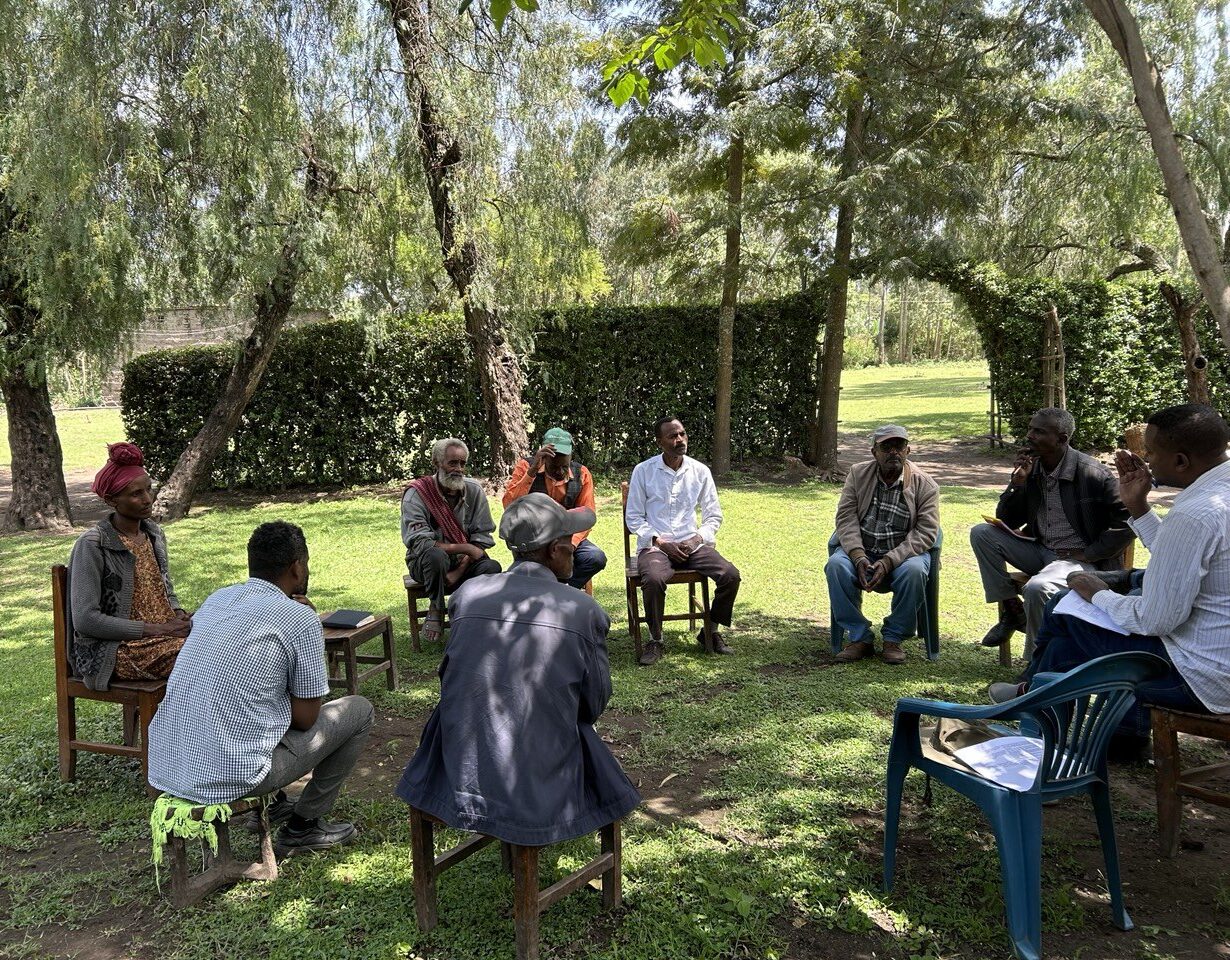
Photo Credits: 1) Scientists from the project and participating farmers sit together in an outdoor circle, engaged in discussion. Photo credit: Prof. Awdenegest Moges. Header Image: Photography (detail): A. Davey

Towards the Creation of Intercultural Biodiverse Seed Banks in Solano, Caquetá

Project Summary

Countries: Colombia

Delivery Partner: Fundación Tropenbos Colombia

Project Partners: Universidad Distrital Francisco José de Caldas, Resguardo Indígena Koreguaje Puerto Naranajo, Solano, Caquetá

Principal Investigator: Dr Maria Clara van der Hammen, PhD and MA in Anthropology, Tropenbos Colombia

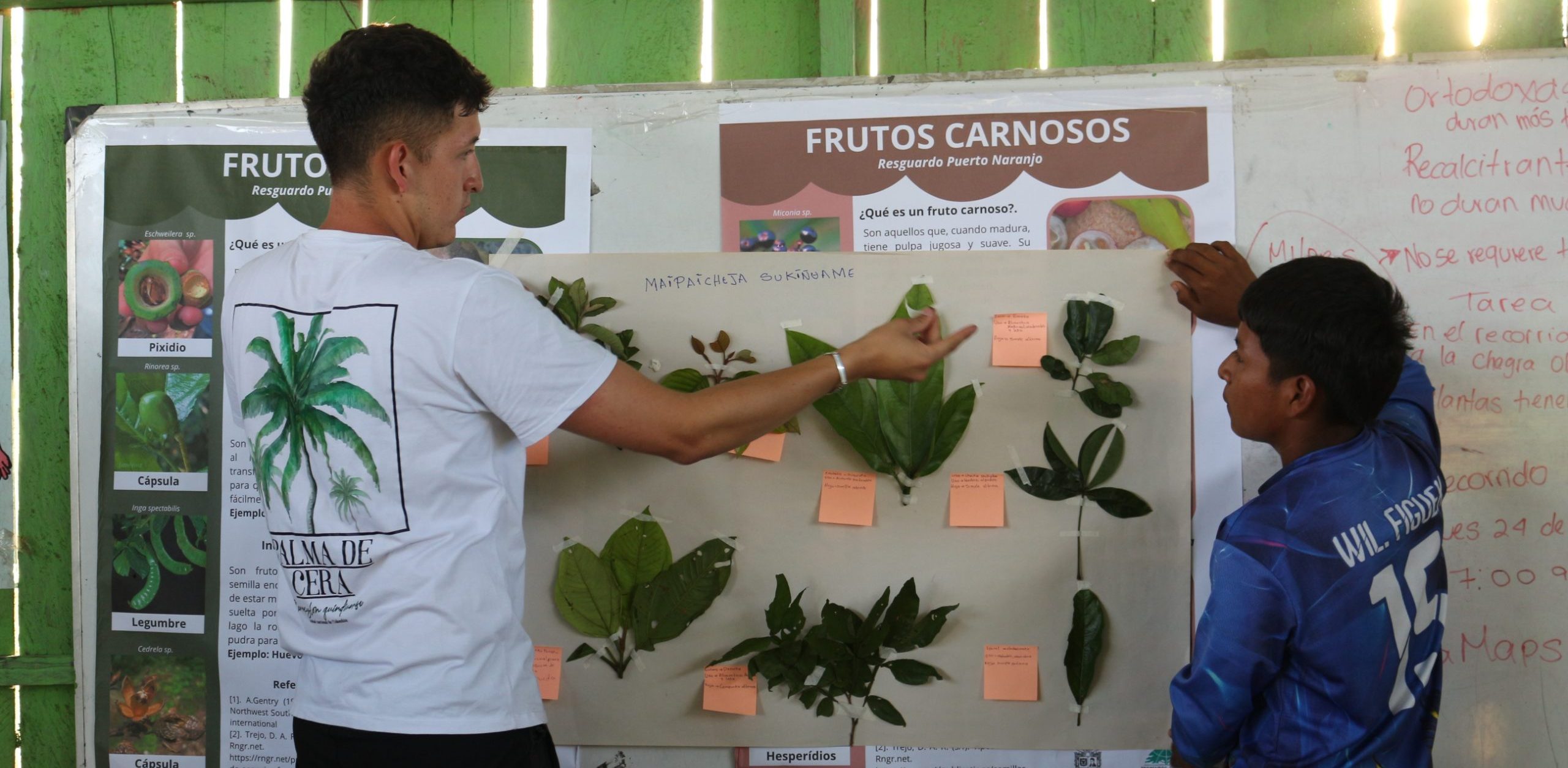
The project aims to establish an intercultural, biodiverse seed bank to restore degraded Amazon forests and strengthen climate resilience. Grounded in Indigenous knowledge, chagras, and women’s leadership, it employs participatory research to improve seed storage and reproduction, supporting food security, medicine, cultural practices, and scalable, inclusive forest restoration.

Challenge

To promote ecologically biodiverse restoration that values the sustainable use of forests in all their diversity, it is essential to close the knowledge gap on optimal conditions for germination and storage of forest seeds through dialogue between local and scientific knowledge systems.

A major challenge is ensuring that Indigenous knowledge, rooted in ancestral and local practices, is recognised and valued in technical and regulatory standards for seed bank management, which often prioritise Western approaches. Equally important is fostering genuine collaboration with academic science on an equal footing, creating a horizontal dialogue in which both knowledge systems are seen as complementary and equally legitimate.

Insight

By bringing together undergraduate, master’s, and doctoral students in forestry, environmental sciences, biology, anthropology, and other fields, we seek to carry out joint research processes in which academic knowledge and Indigenous knowledge engage in intercultural dialogue to build research processes on seed germination for restoration.

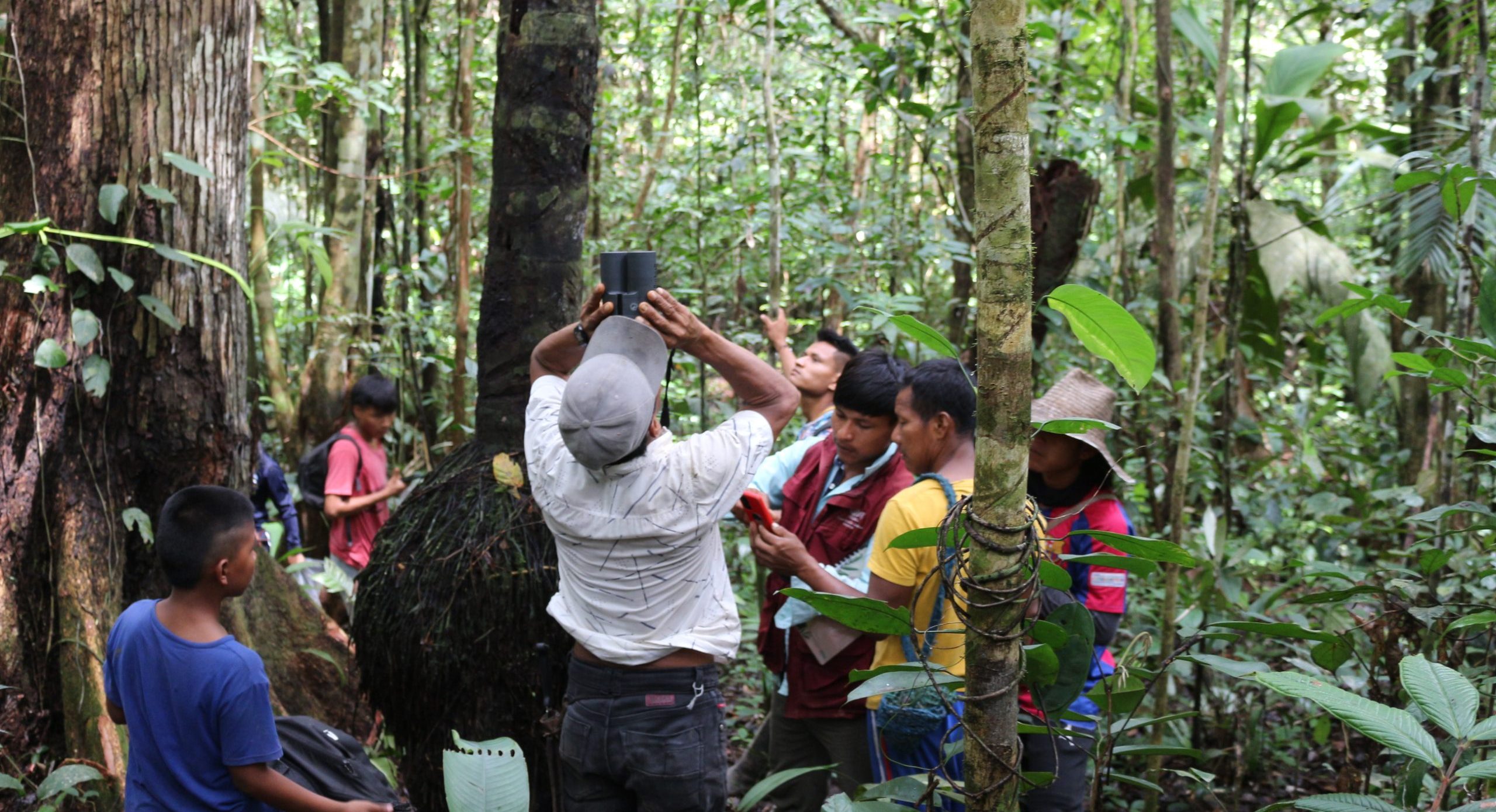
The Indigenous community has a group of young researchers who generate knowledge through intergenerational learning from their elders, monitoring tree phenology, and conducting germination trials, in dialogue with scientific approaches.

The literature review highlighted a knowledge gap concerning seed germination processes in the Amazon rainforest. Research by the community’s young Indigenous members, together with elders’ traditional knowledge, demonstrated both a wealth of Indigenous understanding that supports collaborative dialogue and a strong investigative spirit among the youth.

Collaboration

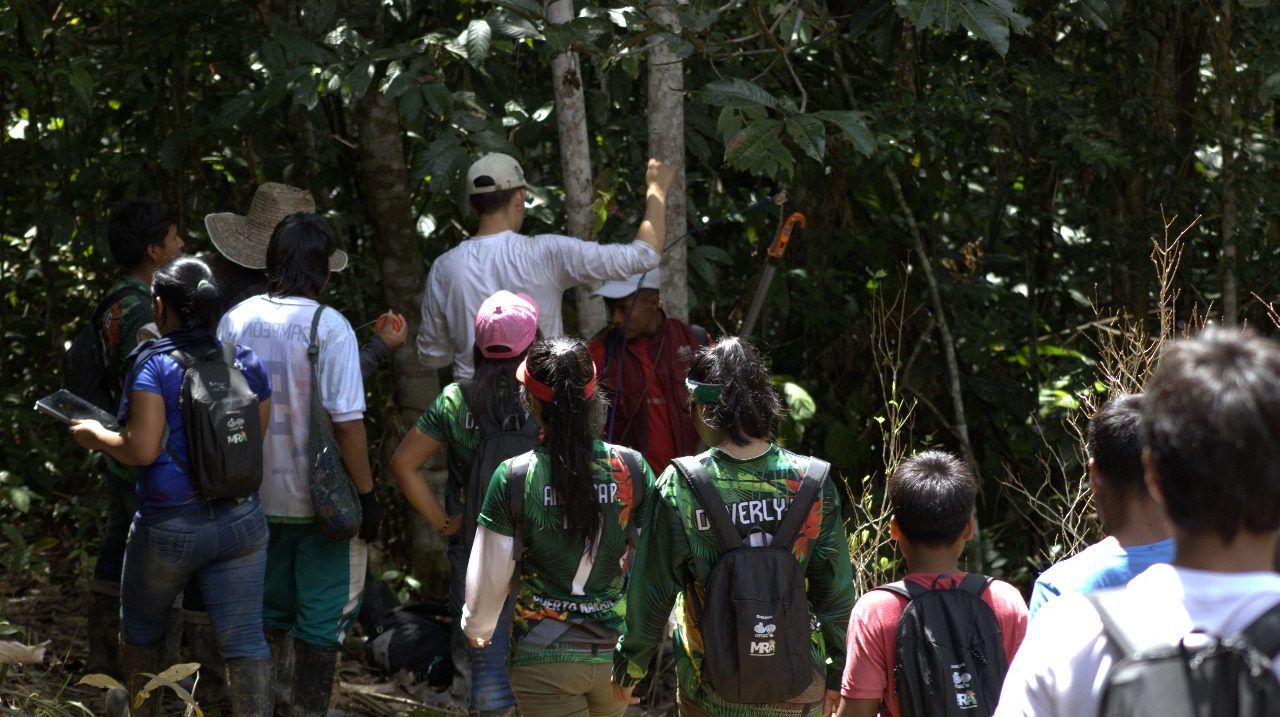
Research agreements with the Indigenous community have facilitated the development of local processes for monitoring tree seeds and forest seedlings, including germination tests. They have also enabled university students to visit the territory and engage in knowledge exchanges with young Indigenous researchers.
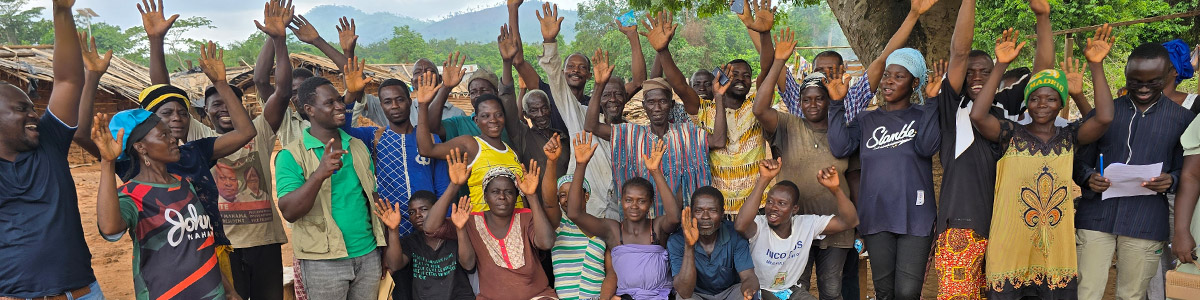
The Distrital University is a key partner in these efforts, involving its students in research with Indigenous communities and contributing technical and academic expertise that strengthens the dialogue between scientific and traditional knowledge.

The heart of the project approach is the belief that local communities hold valuable knowledge, rooted in both their cultural heritage and everyday experiences. A intercultural research effort starts with co-creating meaningful research questions

Dr Maria Clara van der Hammen, Tropenbos Colombia

Dr Maria Clara Hamman

María Clara has over thirty years of professional experience in the analysis of socio-ecological systems in rural and intercultural contexts, working collaboratively with Indigenous, peasant, and Afro-descendant communities in Colombia. Her research and professional practice have focused on documenting and systematising local management practices to strengthen governance and inclusive decision-making, using participatory methodologies such as social mapping and community-based research.

Maria has integrated a gender perspective across territorial projects and has extensive experience in interinstitutional collaboration, project coordination, and participation in multi-actor governance platforms.


Photo Credits

  1. Identification of Timber Trees
  2. Route Marking Transects for Monitoring
  3. Monitoring of Timber Trees
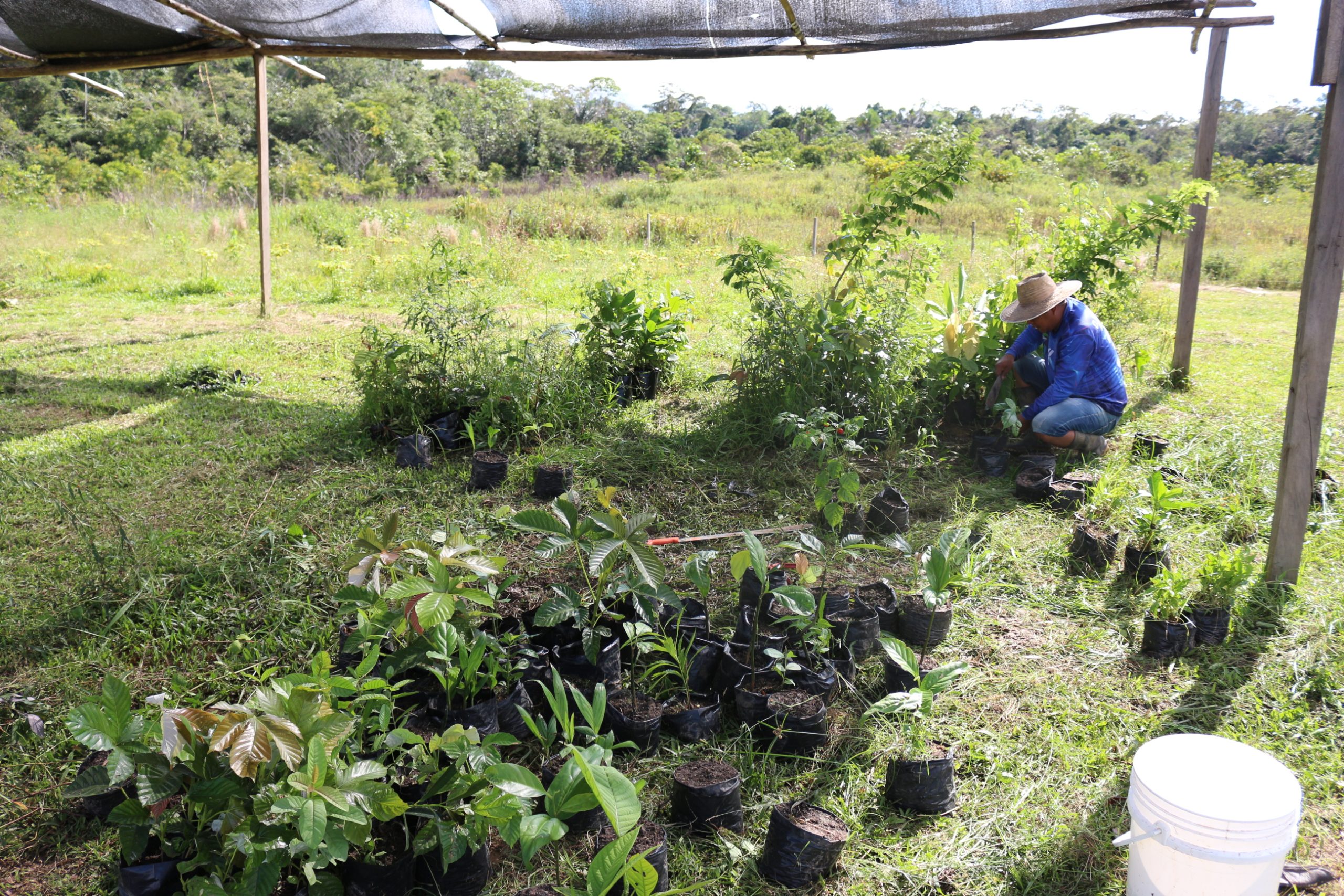
  4. Nursey for Timber Seeds and Seedlings
  5. Header Image: Dmitry Makeev


EMBRACE: Engaging Local Communities on Endangered Trees and Minor Crops Utilization for Biodiversity Conservation and Livelihood Enrichment

Project Summary

Countries: Ghana, Kenya

Project Partners: AgroCircle, Kumasi-Ghana, Biodiversity Research Support Services, UK, iSLED, Kumasi-Ghana, Rowetwo Tree Nursery, West Pokot-Kenya

Principal Investigators: Dr Clement Oppong Peprah, Research Scientist, Council for Scientific and Industrial Research-Crops Research Institute and Dr. Jeannette Aduhene-Chinbuah, Research Scientist, Head of the Plantain and Banana Section at CSIR–Crops Research Institute, Ghana and adjunct lecturer at KNUST.

Challenge 

EMBRACE responds to the pressing challenge of biodiversity loss and climate vulnerability in smallholder farming systems across Ghana and Kenya. Rural communities depend heavily on natural resources for food, income, and cultural identity, yet rapid deforestation, land degradation, and the neglect of underutilized crops and endangered tree species threaten their resilience. Traditional knowledge on sustainable land management is gradually being lost, while modern farming practices often overlook the importance of ecological balance. This creates a dual challenge: how to restore degraded ecosystems while also improving livelihoods in ways that are socially inclusive and climate-resilient. The project therefore seeks to bridge scientific evidence with community knowledge, developing agroforestry models and conservation strategies that safeguard genetic diversity, enhance ecosystem services, and ensure fair benefit-sharing.

Insight

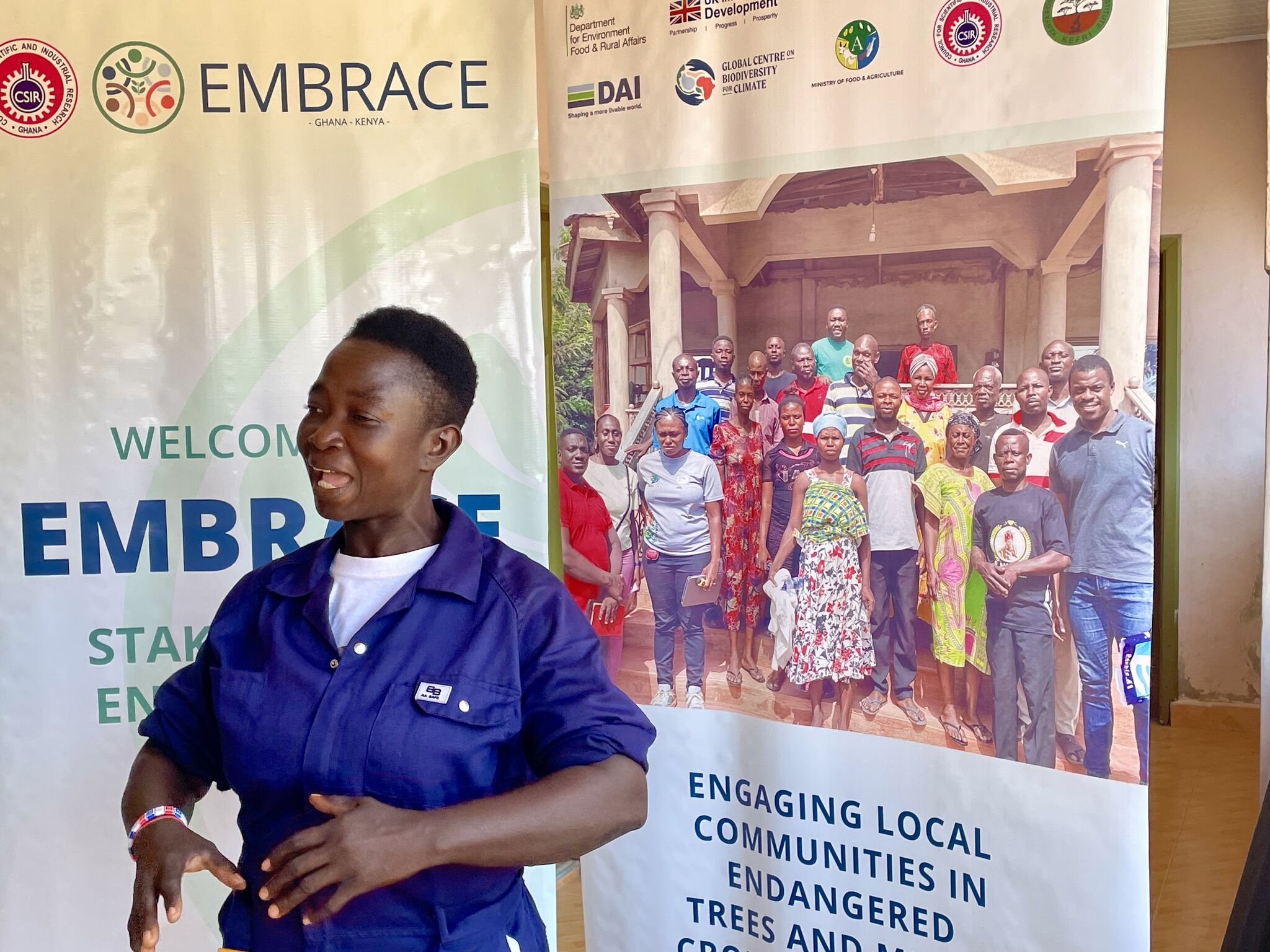
Through ecological surveys and aerial mapping, EMBRACE has built a robust evidence base to understand the richness of species, the extent of land degradation, and the potential for restoration. This scientific foundation is being paired with community co-creation, where farmers, traditional leaders, and local institutions help design agroforestry farmstead models that integrate endangered tree species with underutilized food crops. These farmsteads not only safeguard genetic diversity but also provide sustainable livelihood opportunities through practices such as beekeeping, snail rearing, and mushroom cultivation.


Collaboration

EMBRACE thrives on strong partnerships that bridge science, policy, and community action. At its core, the collaboration between the Council for Scientific and Industrial Research Crops Research Institute (CSIR-CRI) in Ghana, CSIR-Forestry Research Institute, the Kenya Forestry Research Institute (KEFRI), and the University of Eldoret in Kenya, ensures a cross-country exchange of expertise and experiences. These institutions provide scientific rigour, technical capacity, and policy engagement pathways to embed project findings into national strategies. Beyond research partners, the project works closely with local communities, traditional authorities, district-level Forestry and Agriculture offices, and smallholder farmer groups, ensuring co-creation and ownership of solutions.

With EMBRACE, we are together with local communities planting legacies. Every seed conserved, every degraded land restored, carries the promise of biodiversity, culture, and resilience for posterity.

Dr Clement Oppong Peprah, Principal Investigator, Council for Scientific and Industrial Research-Crops Research Institute

Dr. Clement Oppong Peprah

Dr. Clement Oppong Peprah is a Research Scientist (Agronomist) at the Council for Scientific and Industrial Research-Crops Research Institute (CSIR-CRI), Ghana. He co-leads the EMBRACE project, focusing on biodiversity conservation, climate resilience, and sustainable agroecosystems. His research spans food systems, agroforestry, and community-based adaptation strategies, with a strong emphasis on gender equality and social inclusion. Dr. Peprah has worked on multi-institutional projects across sub-Saharan Africa and contributed to policy dialogues on climate-smart agriculture. Passionate about bridging science and community action, he works to ensure that research translates into practical solutions for resilient livelihoods. He holds a PhD in Agricultural Science from the Tokyo University of Agriculture and Technology, Japan.

Dr. Jeanette Aduhene-Chinbuah

Dr. Jeannette Aduhene-Chinbuah is a Research Scientist and Head of the Plantain and Banana Section at CSIR–Crops Research Institute, Ghana, and an Adjunct Lecturer at KNUST. She co-leads the EMRACE Project, advancing biodiversity conservation, climate resilience, and sustainable agroecosystems. She earned a PhD in Biological Production Science (Soil Chemistry) from Tokyo University of Agriculture and Technology, where she also served as Assistant Professor. Her work integrates science and practice to strengthen farming communities through food systems, agroforestry, and inclusive climate adaptation. With expertise in gender-responsive approaches, she contributes to multi-disciplinary projects and climate-smart agriculture policy.

LEAF Indonesia: Exploring Sustainable Land Use Pathways for Ecosystems, Food Security and Poverty Alleviation: Opportunities for Indonesia’s Food Estate Programme

Project Summary

Countries: Indonesia

Delivery Partner: University of Sussex

Principal Investigator: Professor Fiona Marshall, Professor of Environment and Development (SPRU – Science Policy Research Unit), University of Sussex

LEAF Indonesia is working with Indonesian farming communities, government agencies and NGOs to find ways for land-use to balance the country’s food security goals with environmental protection and the well-being of local communities.


Challenge

To achieve future food security, Indonesia is vastly scaling up its agricultural capacity. While expanding monocrop plantations aim to achieve food sufficiency, the plans carry both risks and opportunities for protecting the country’s rich natural environment and the diverse rural communities that have farmed it for generations. The abundant biodiversity of Indonesia – one of the world’s megadiverse countries – contributes to the natural resilience of its agriculture against increasingly severe climate hazards including floods, droughts and forest fires.

Meanwhile, a diversity of traditional mixed cropping practices contributes to livelihoods at the local level. This complements ongoing national efforts to combat food security and undernourishment across the population, 6% of whom in 2021 still experienced ‘moderate or severe food insecurity’ according to the United Nations. To address all aspects of food security, land-use decisions should grasp the trade-offs and mutual benefits for food production, biodiversity, climate resilience and local livelihoods.


Insight

To meet these challenges, LEAF Indonesia is working with government agencies and NGOs, as well as communities on the ground, towards a more sustainable, inclusive and evidence-driven approach to land-use.

It is bringing their diverse formal and informal knowledge together with a swathe of geospatial biodiversity, climate resilience and socioeconomic data. The project is embedding this into future scenarios and action plans and building a shared understanding of the trade-offs and synergies between food security, biodiversity and climate, and livelihood goals in land-use planning. At the core of this are the potential solutions offered by multifunctional land-use and integrated cropping.

The team is focussing its efforts across three provinces targeted for food production development and encompassing the environmental, socioeconomic and cultural diversity of Indonesia: Gorontalo, East Kalimantan and West Papua. Through ongoing work with key partners and communities, LEAF Indonesia has identified two priority areas to tangibly strengthen sustainable and inclusive land-use:

1) Supporting integrated decision-making between regional planning agencies and other sectoral organisations and enabling their use of diverse data sources, and through consultation with farmer groups.

2) Building capacity in sustainability and inclusivity in agricultural practice between communities, and in monitoring within organisations.


Collaboration

LEAF Indonesia is a transdisciplinary project bringing together the interdisciplinary expertise of institutions in the United Kingdom and across Indonesia. The five core partners include the University of Sussex, Monash University, Indonesia, Universitas Negeri Gorontalo, Universitas Mulawarman, and Universitas Papua.

Core Indonesian partners also draw on the professional expertise of existing research links with BAPPEDAs (regional development planning agencies), national park authorities, NGOs and farmers’ groups.

Land use to ensure national food security goals can pose serious trade-offs with biodiversity, local livelihoods and climate resilience. But by making the system dynamics more visible and bringing local experiential knowledge and innovation together with formal knowledge for integrated decision making, there is enormous potential to build synergies in the form of climate-resilient agriculture.

Professor Fiona Marshall, University of Sussex


Professor Fiona Marshall

Fiona Marshall is Professor of Environment and Development at University of Sussex Business School’s Science Policy Research Unit (SPRU). She is a transdisciplinary systems researcher. Through partnerships in the UK, Africa, Asia, Latin America, and Oceania, she has collaborated across disciplines, sectors, and cultures to connect theory and practice and to advance understanding of how social, environmental, and technological change intersect to address complex sustainability challenges. She has a particular interest in the links between sustainable land-use, ecosystem service and well-being, and in food and agricultural systems.


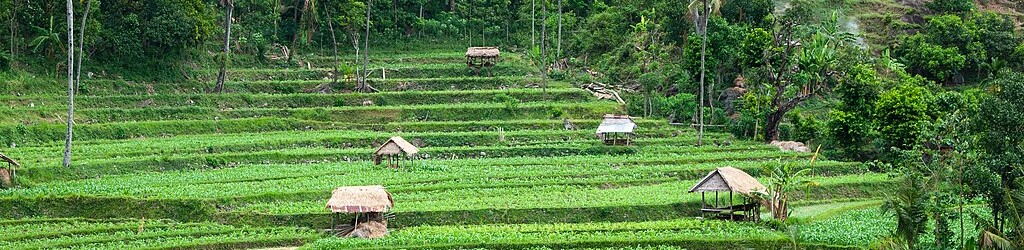
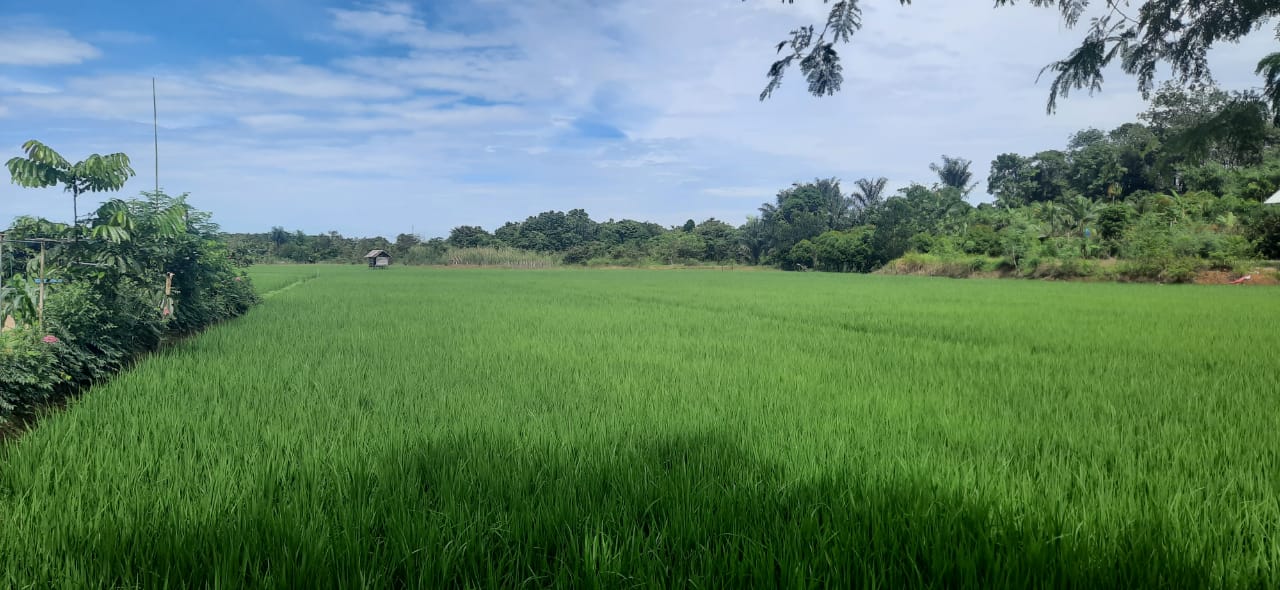
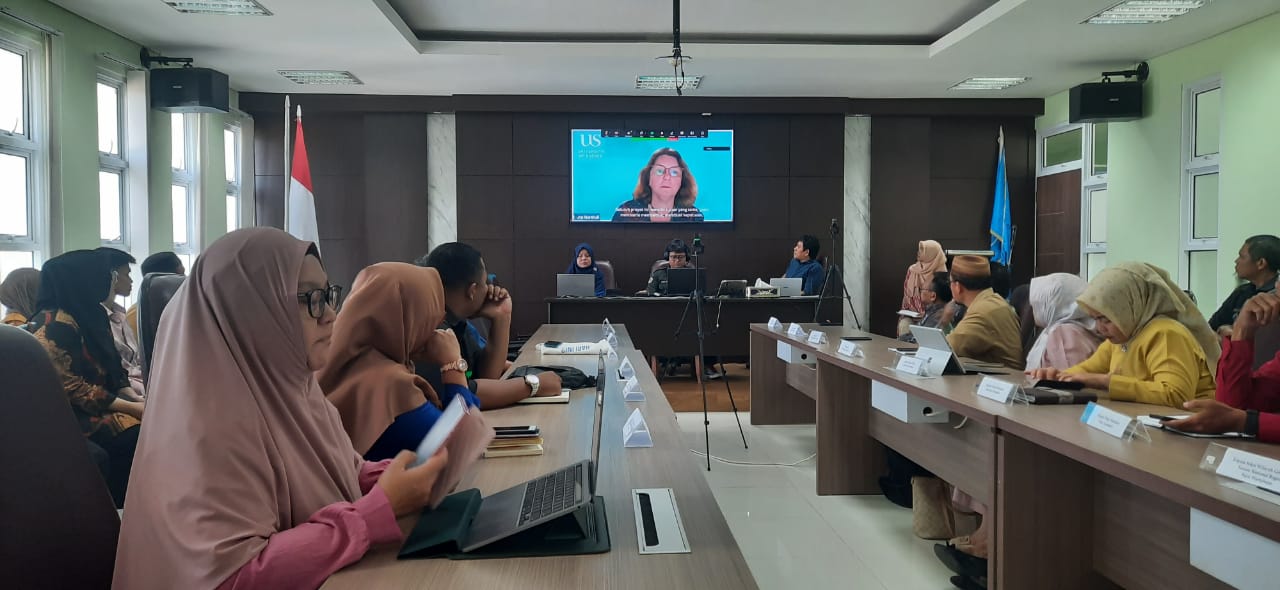
Photos show representative corn monoculture landscapes in Gorontalo, Indonesia and rice paddies in Kalimantan, Borneo – subjects of research into sustainable and diversified agroecological practices by LEAF Indonesia. The other image depicts Professor Fiona Marshall introducing the project to workshop participants. Head image: Vyacheslav Argenberg


ForRest-ERS: Forest Restoration on Indigenous Lands: Restoring Biodiversity for Multiple Ecosystem Services, Community Resilience and Financial Sustainability through Locally Informed Strategies and Incentives

Project Summary

Countries: Panama

Principal Investigator: Jefferson Hall, Smithsonian Tropical Research Institute

Contact: hallje@si.edu

ForRest-ERS leverages transdisciplinary forest restoration research in the Ngäbe-Buglé Comarca, Panama to harness the potential for Indigenous and other rural peoples to leverage biodiversity to combat climate change while keeping them on their land and improving their livelihoods.

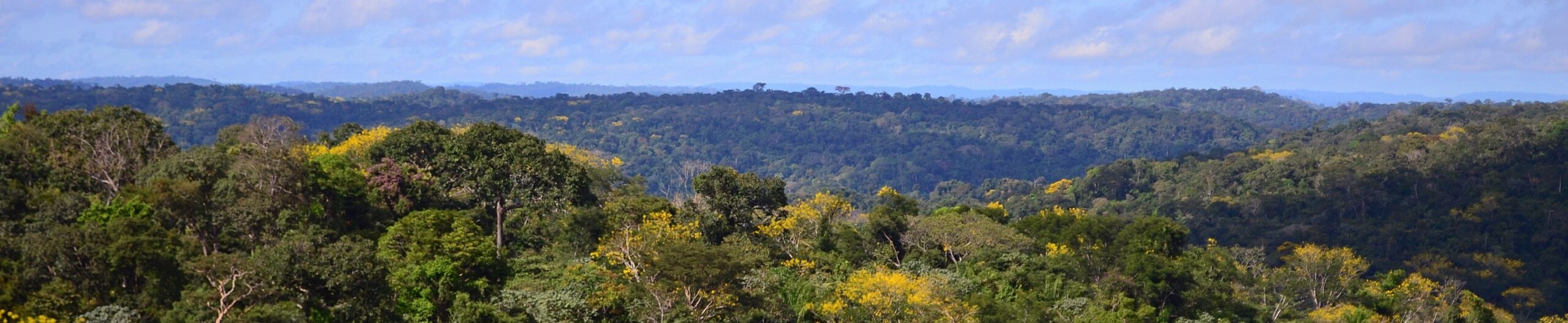
Brazilian Forest Landscape

Challenge

Forest restoration is a widely promoted strategy for climate change mitigation, biodiversity restoration, and livelihood improvement. In practice, the landscape is littered with failures and “success” in the tropics often relies on planting a few exotic species. The lack of just and sustainable forest restoration examples has hampered the ability of Indigenous peoples and partner organizations to achieve the multiple objectives of restoration.

We harness knowledge gained working with individual native tree species that are rarely used in restoration to test our ability to overcome biophysical limitations to restore forests and ecosystem functions in an Indigenous area in Panama. While effects of incentive-based mechanisms on conservation behaviors and local livelihoods are well studied, similar studies in the context of restoration are limited. Our work will produce strategies to overcome the barriers imposed by complex governance structures, social costs, and biophysical limitations that dominate these tropical landscapes and impede restoration.

Insight

Our transdisciplinary research will serve as a transformative model for just and sustainable forest restoration enhancing biodiversity, livelihoods, and climate resilience on Indigenous lands. We seek to demonstrate how environmental payments based on carbon can serve as an umbrella for key ecosystem services that improve livelihoods and resilience, and how this can be done by building equitable and empowering partnerships with traditional authorities and residents of Indigenous territories.

Our systems approach is producing new science on linkages between under-utilized species, ecosystem services, livelihoods, incentive-based land management behaviors, and governance complexity, which will be translated into best practices and decision support tools for use by policymakers, investors, practitioners, and landholders in Panama and beyond.

Our capacity building and learning exchange strategies ensure that the next generation of scientists and practitioners are trained in biophysical and social science research methods, the integration of Indigenous knowledge, and conducting respectful and meaningful research with Indigenous peoples. In examining governance complexity, and through our communications strategy that leverages existing networks, our actionable, scalable, evidence-based framework will maximize impact on policy and practice and enhance Indigenous representation in land-use decision making.

Our economic model can serve as an alternative to extractive industries on Indigenous lands.


Collaboration

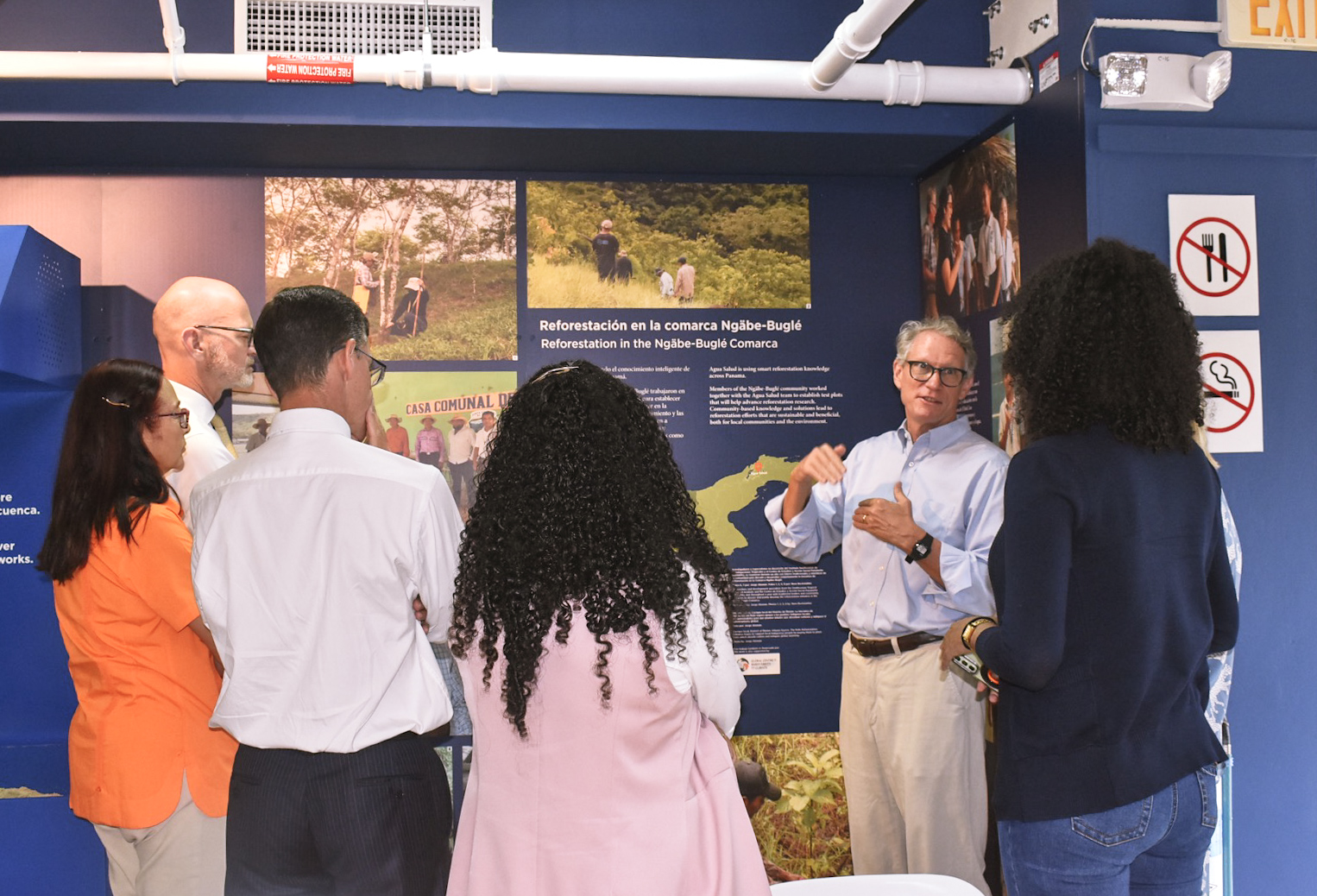
Professor Francisco Herrera of the Centro de Estudios y Acción Social Panameño (CEASPA) walked across the Ngäbe-Buglé Comarca with Sr. Camilo Ortega, the founder of the comarca 50 years ago. His life-long friendship with Sr. Ortega and other members of the Traditional Leadership make this project possible. He introduced Project Principal Investigator, Jefferson Hall, to the leadership. Reem Hajjar (Cornell University) has decades of experience analyzing forest governance and livelihoods linked to community and local forest management and leads socio-economic and governance studies.
Professor Emilio Mariscal, a forester at the Universidad de Panamá, Penonomé has collaborated with Hall for 20 years. His students work on biophysical research with community participants, helping to train local people in inventory and restoration management techniques. Pollinator (native bees) and microbial inventories are led by STRI scientists, William Wcislo and Kristin Saltonstall, respectively, while hydrological studies are supported by Melinda Daniels (Stroud Water Research Center).

“Tropical forest restoration should empower rather than disenfranchise Indigenous and other local peoples. Our work tests a socially just and equitable model of forest restoration that protects biodiversity, combats climate change, and improves local livelihoods.”

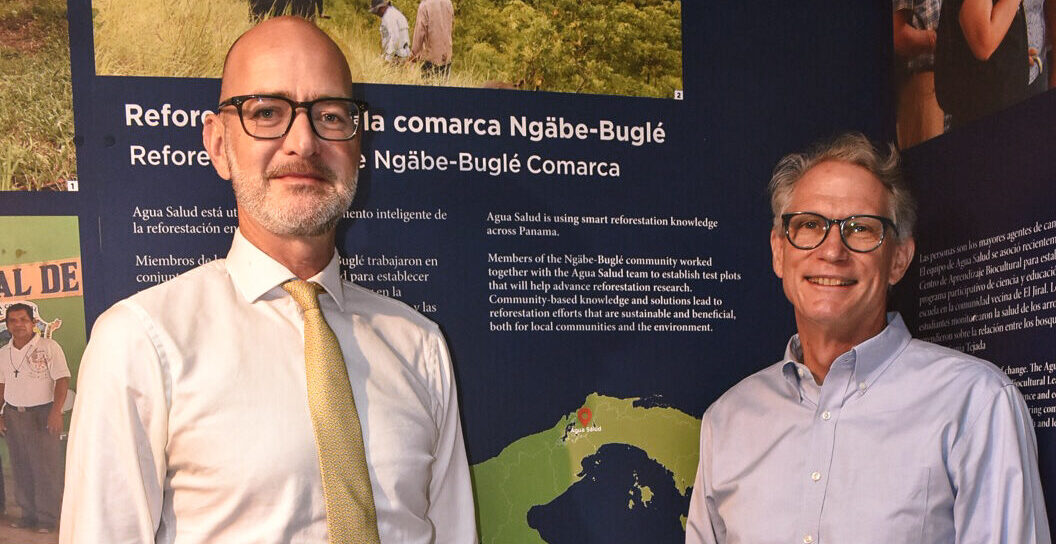
Dr. Jefferson Hall, Smithsonian Tropical Research Institute (STRI)

Dr Jefferson Hall

Jeff is a Staff Scientist at the Smithsonian Tropical Research Institute (STRI), Principal Investigator for work in the Ngäbe-Buglé Comarca and Director of the Agua Salud Project (https://striresearch.si.edu/aguasalud/ ). A major research focus is on understanding the flow of goods and services provided by tropical forests and how they change with land use and climate change, work undertaken by multi- and trans-disciplinary teams. During the last 10 years, Jeff and his team have combined more equitable carbon payments to Indigenous peoples and other rural residents with their forest restoration trials.


Header Photograph (detail): Fran Hogan