Project Summary
Countries: Cambodia
Delivery Partner: Wildlife Conservation Society (WCS), USA
Project Partners: Interdisciplinary Center for Conservation Science, University of Oxford, Monash Business School, Cambodia Indigenous Peoples Organization (CIPO), Faculty of Agricultural Economics and Rural Development, Royal University of Agriculture
Principal Investigator: Dr Emiel De Lange, Conservation Social Scientist, Wildlife Conservation Society, Cambodia
Contact: edelange@wcs.org
SAKIRA seeks to generate evidence and build the research capacity to enable Bunong Indigenous communities in Cambodia to demonstrate the value of their traditional knowledges and practices for biodiversity conservation, starting with the Keo Seima Wildlife Sanctuary REDD+ program.



Challenge
In Cambodia, existing conservation governance models inadequately recognise the rights and capabilities of Indigenous communities to manage biodiversity, resulting in inequities and poor outcomes. New governance and financing models at community and household scales are required which centre Indigenous knowledge to uphold biodiverse socio-ecological systems. A lack of evidence for the benefits of Indigenous knowledge and governance, and a lack of examples of how to support this through design of financial mechanisms, have limited innovation in policy and practice. Furthermore, generating this evidence requires more equitable partnership between researchers, communities, practitioners, and policymakers.
Insight
- Indigenous researchers are working with three communities to document their knowledge and practices. The researchers are joining elders on forest walks and engaging diverse parts of the community in participatory methods. Through this, the community has started collating incredible stories about the protection of forests where spirits are believed to dwell.
- Ecologists will use drones and acoustic recorders to measure biodiversity on the land of one Indigenous community, relating this to their different land-use practices.
- Using impact evaluation methods and satellite data, we will assess how formally recognising Indigenous land titles impacts forest outcomes across the Keo Seima wildlife sanctuary.
- Using tools from economics, such as hypothetical auctions, we will work with Indigenous communities to explore how financing mechanisms can be designed to support land-use practices that contribute to biodiversity.
Collaboration
As Cambodia seeks to access increased financing for forest conservation through mechanisms like REDD+, it is increasingly important to meet international standards on the rights and respect for Indigenous peoples’ knowledges, as embedded in the Global Biodiversity Framework and carbon market standards. Our project will catalyse a transformation in conservation practice in Cambodia and beyond, and support the Ministry of Environment in demonstrating leadership on these commitments.
Discover More
Dr Emiel De Lange
Emiel has been conducting interdisciplinary and action-oriented conservation research in Cambodia for ten years and a Research & Impact team at WCS since 2022. Impact-oriented research is only possible through partnership, and Emiel is excited to be supporting the project researchers. Rachana Sam At, a Bunong woman, is the lead researcher at CIPO. Nivicheta Chamroeun, is lead researcher and a PhD student at the RUA. At WCS, the research is supported by Henry Travers, Hélène Birot, Emeline Auda, Nay Sonsak, and Rithiny Teng. The project is also supported by Professor Dame E.J. Milner-Gulland (Oxford) and Dr Paulo Santos (Monash).
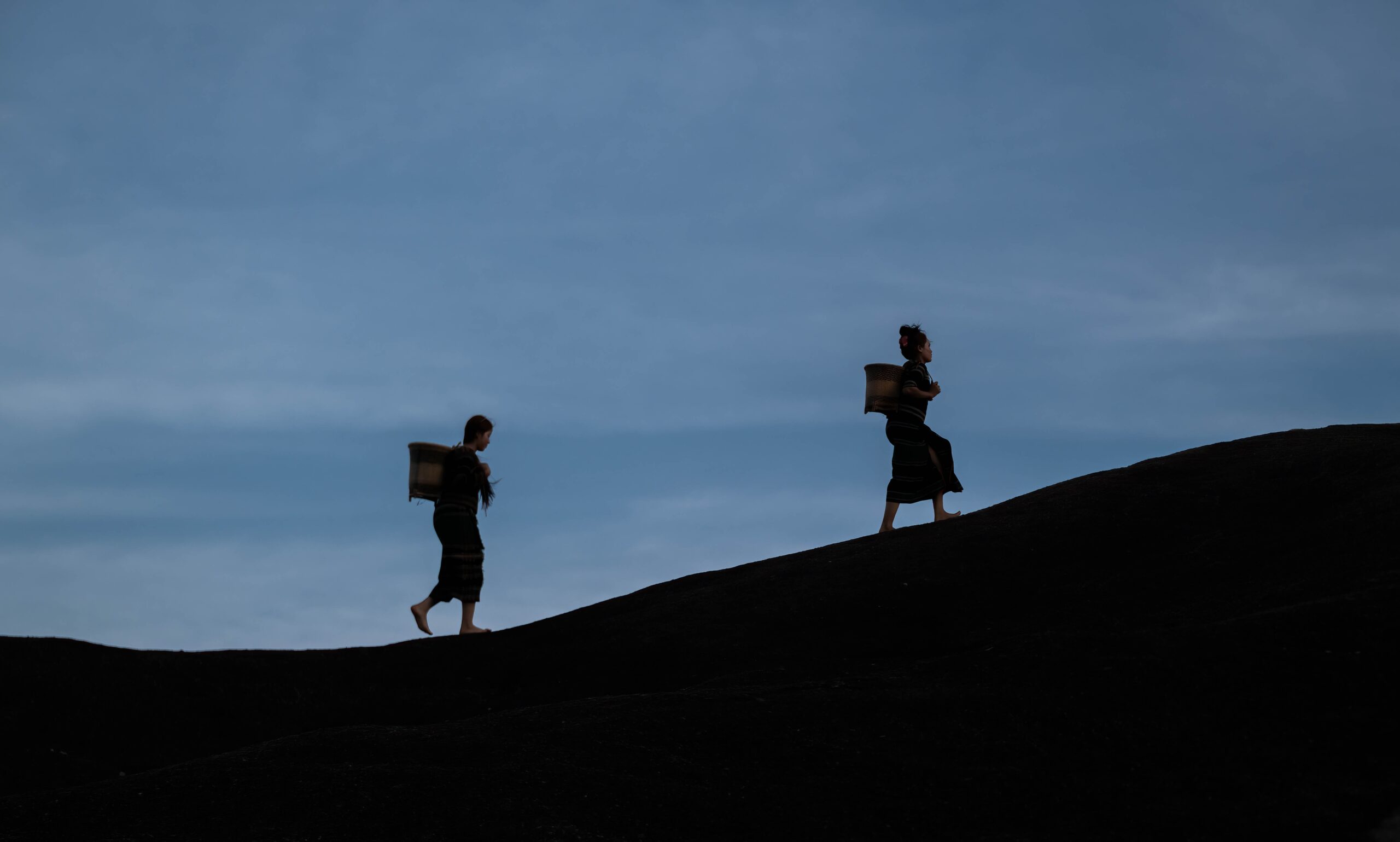
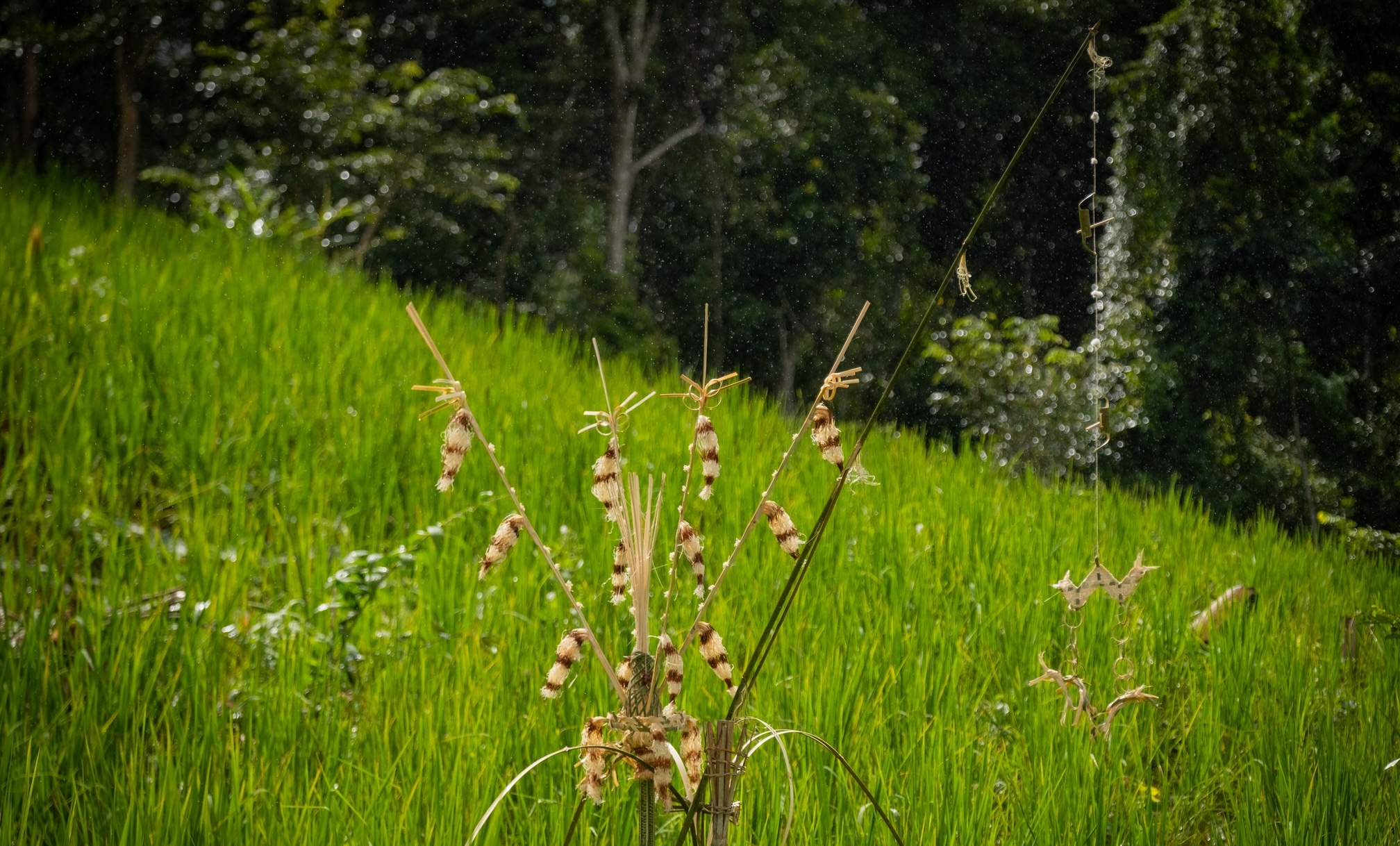
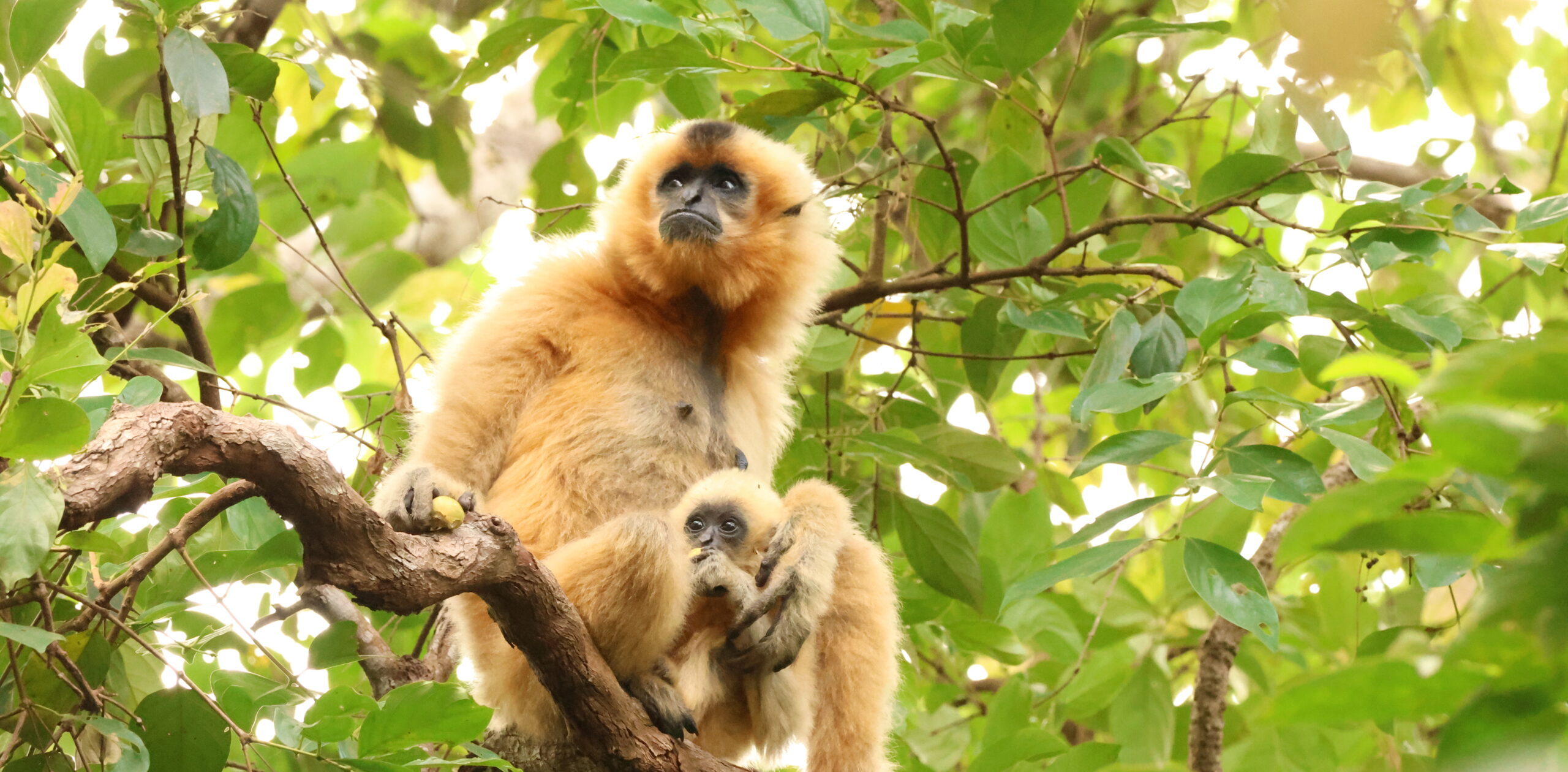
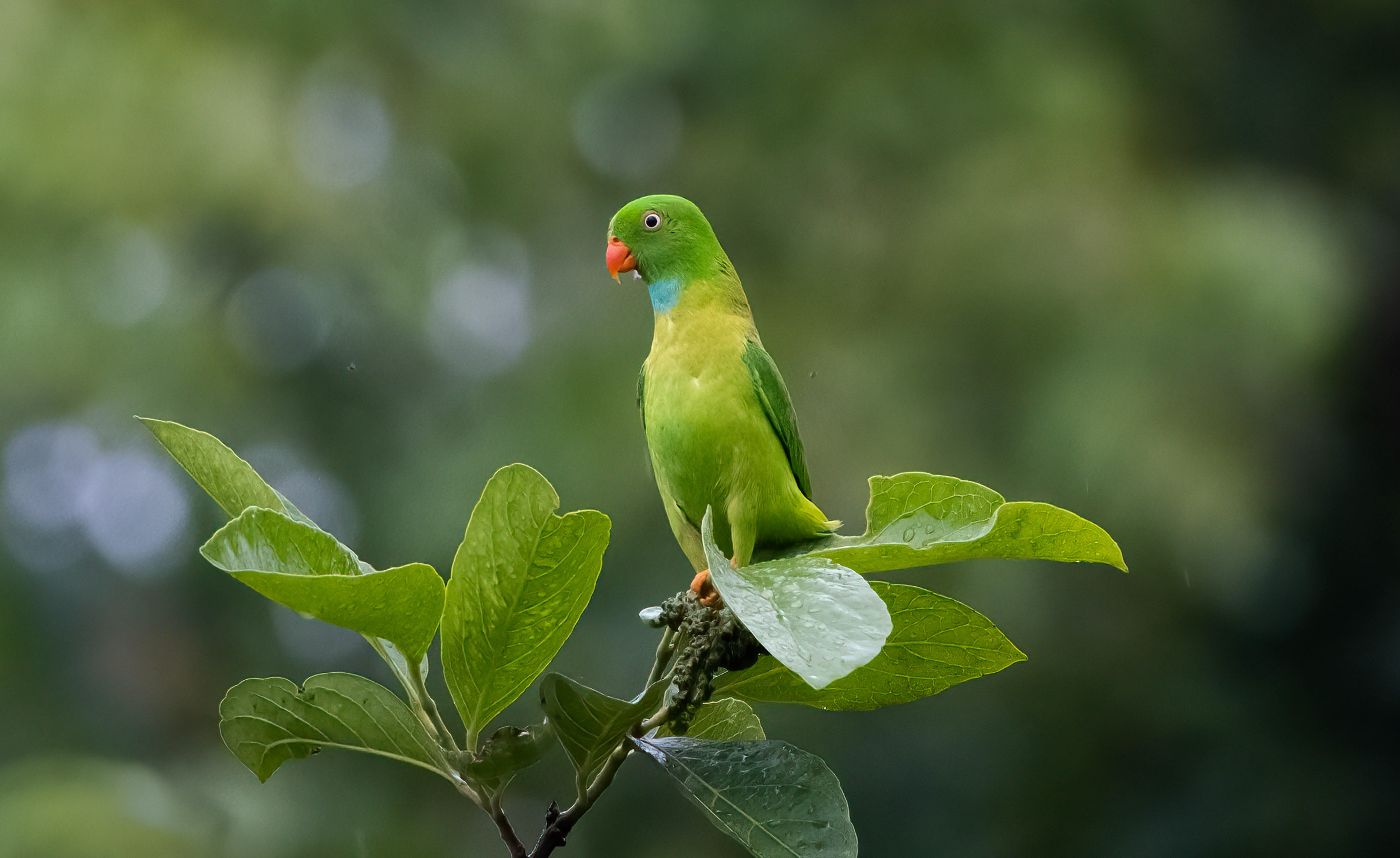
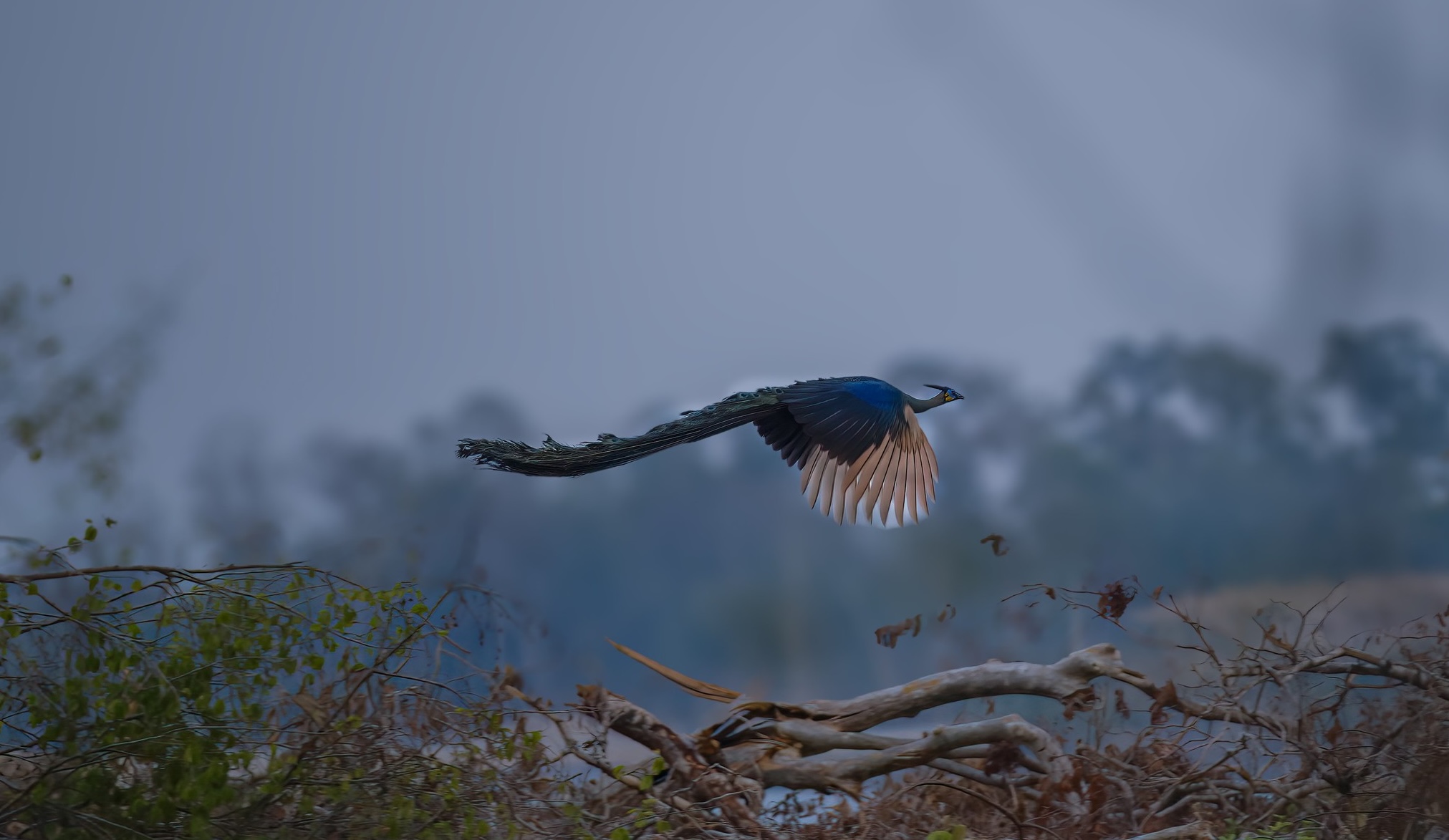
Photos show 1) Bunong mother collecting forest fruit in Keo Seima with her child 2) Bunong families in Keo Seima 3) Women carrying foraged produce across the hills of Mondulkiri Province, where Indigenous livelihoods remain tied to the land 3) Traditional shifting cultivation sustains families while maintaining the health and integrity of local forests 4) Keo Seima’s upland grasslands, shrouded in morning fog 5) Dense evergreen forests in Keo Seima hold some of Southeast Asia’s richest carbon and wildlife reserves 6) Keo Seima is home to the world’s largest population of Southern Yellow-cheeked Crested Gibbons 7) The Green Peafowl, a threatened species across Asia, still finds refuge in Cambodia’s Eastern Plains 8) Once heavily trapped for the pet trade, the Blue-naped Parrot is now a common sight in Keo Seima. All photos taken by Tong Len, an Indigenous Bunong photographer in Keo Seima. Photos commissioned by WCS Cambodia and digital usage extends to GCBC.