Community-led Conservation in Ethiopia’s Tama CCA
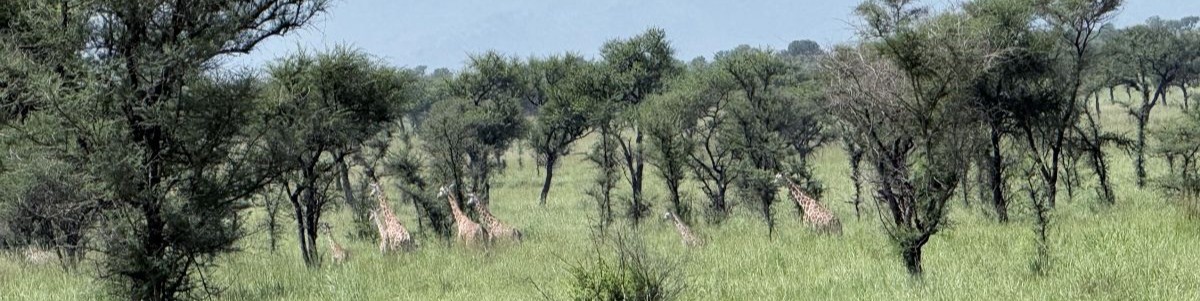
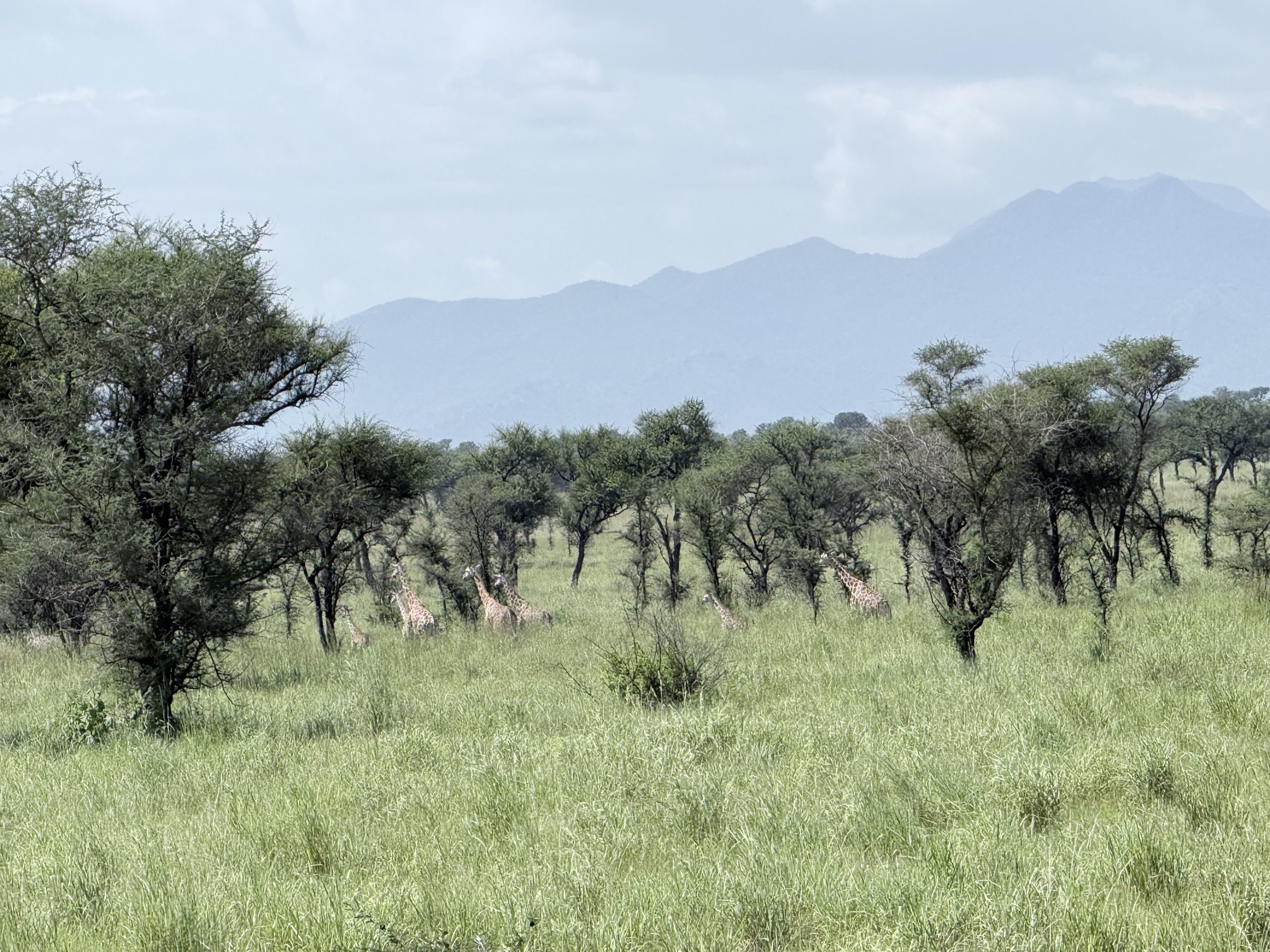
The Tama Community Conservation Area (CCA) is the newest and largest CCA in Ethiopia. It stands as a powerful example of community-led stewardship, through the leadership of the resident agropastoralist Mursi (Mun) and Bodi (Me’en), and hunter-gatherer Bacha (Kwegu) people. A mosaic of low forest, hill forest, grassland, and riverine landscapes, the Tama CCA is a sanctuary for biodiversity.
We think there are over 300 different species of birdlife plus multiple endangered mammal species and antelope species critical for food security in hunger times. The CCA offers communities’ formal land tenure protecting them from mega projects nearby (such as the Kuraz Sugar Development Project) which allows conservation, cultural resilience, and local livelihoods to align and pave a path to a sustainable future.
While these communities have rich traditional ecological knowledge about the biodiversity, there are major data gaps in accounting for the biodiversity with western scientific metrics, which makes informing CCA rules for hunting, grazing, and cultivation challenging. The BioRes project aims to fill these data gaps, explore the linkages between livelihoods, biodiversity, and climate, and inform co-design of the CCA’s adaptive management rules and regulations to support both conservation and sustainable livelihoods of the resident communities.
On World Conservation Day, it’s critical to remember that wildlife and cultural heritage exist side by side and need management that supports both.
This summer was our final period of biodiversity data collection. Our interdisciplinary team had two areas of research:
Ethnobotany
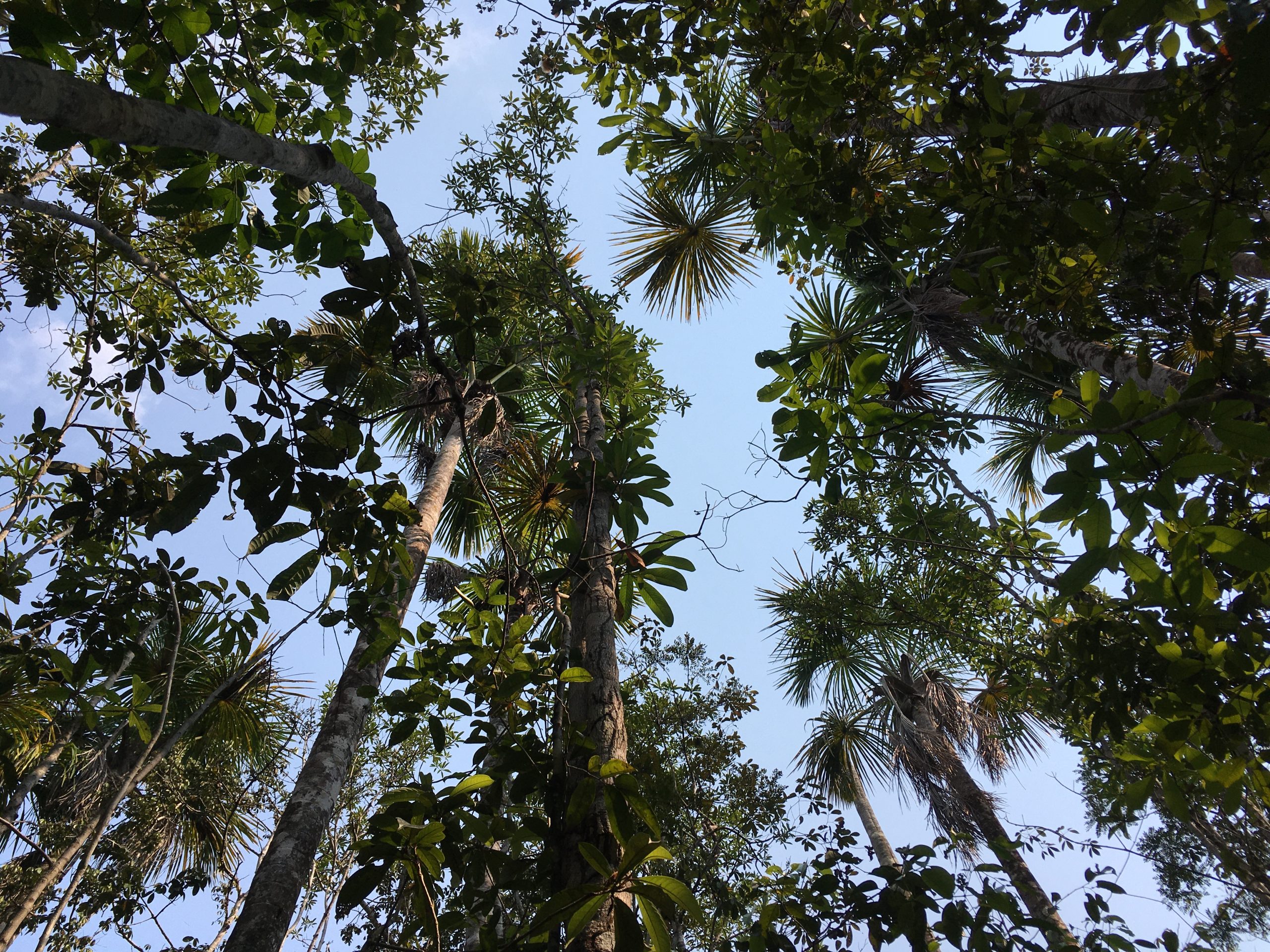
Dr. Tizazu Gebre and Dr. Marta Gaworek-Michalczenia are taking different approaches to the study of botanical biodiversity. Dr. Tizazu has been carrying out vegetation surveys with his team from Arba Minch University, documenting the plant species present in the Tama, their population structures, and regeneration status following standard ecological methodologies. By surveying plant communities at regular, fixed intervals along transects across the CCA’s land cover types, Dr. Tizazu and his team can map changes across environmental gradients to evaluate plant communities, species composition, and ecosystem health across diverse environments.
Additionally, his team employed semi-structured interviews and guided field walks with elders and key herbalists to document local plant names and specific uses (e.g. medicinal, edible, construction etc.). Linking ethnobotanical information with floristic composition in a data sparse region like the Lower Omo bridges Indigenous ecological knowledge with quantitative ecological data, ensuring the resulting quantitative indices and spatial distribution analyses are grounded in the context of the riverine and savanna ecosystems in the Lower Omo Valley.
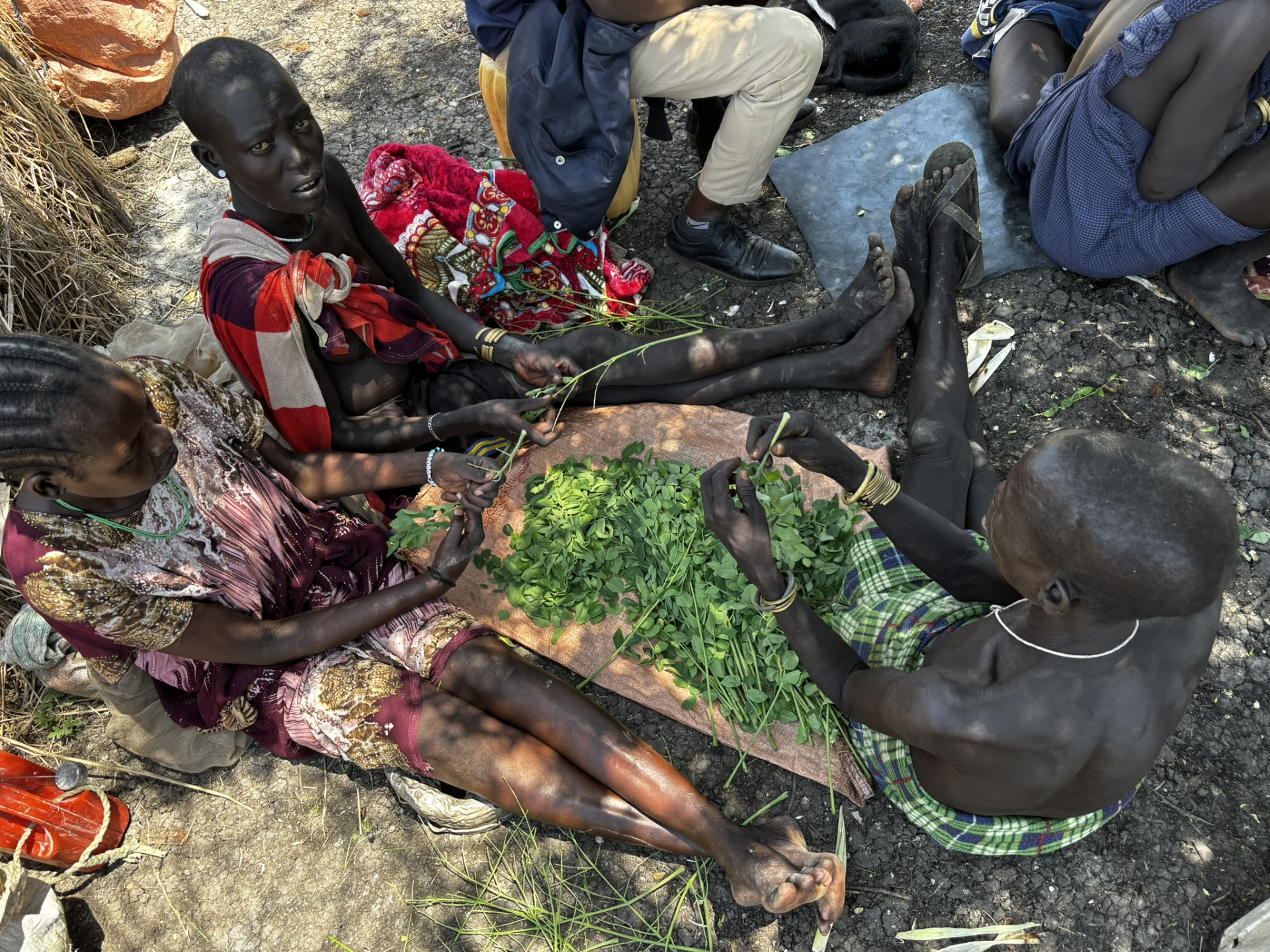
Dr. Marta has extended this understanding as this summer her research explored an often-overlooked dimension of conservation: the relationships between people and plants. Using a multispecies ethnographic approach, her team (University of Leeds and our local community liaisons) investigated how agropastoral communities in the Tama CCA interact with, depend on, and coexist with a remarkable diversity of plant species.
Rather than viewing plants simply as natural resources, this approach recognises them as active participants in human social worlds. Throughout her fieldwork, she documented local ecological knowledge and the many ways plants shape everyday life. The data provides insights into the complex interdependencies between people and plants, revealing how biodiversity supports not only ecosystem functions but also cultural identities, social relationships, and community wellbeing.
Ethnozoology
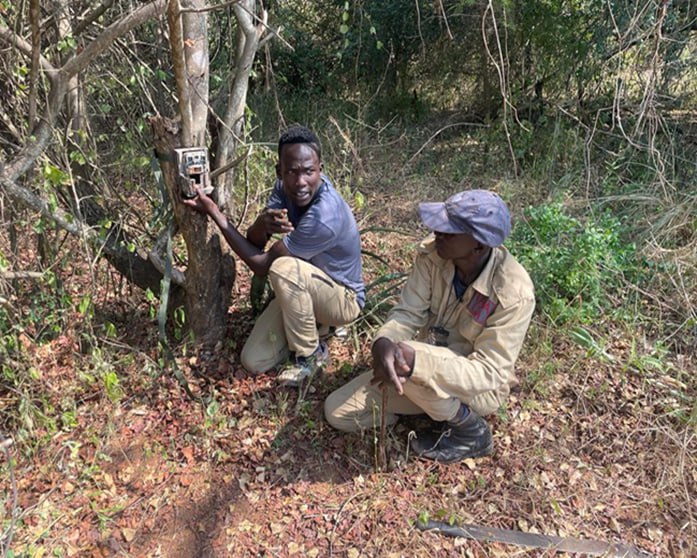
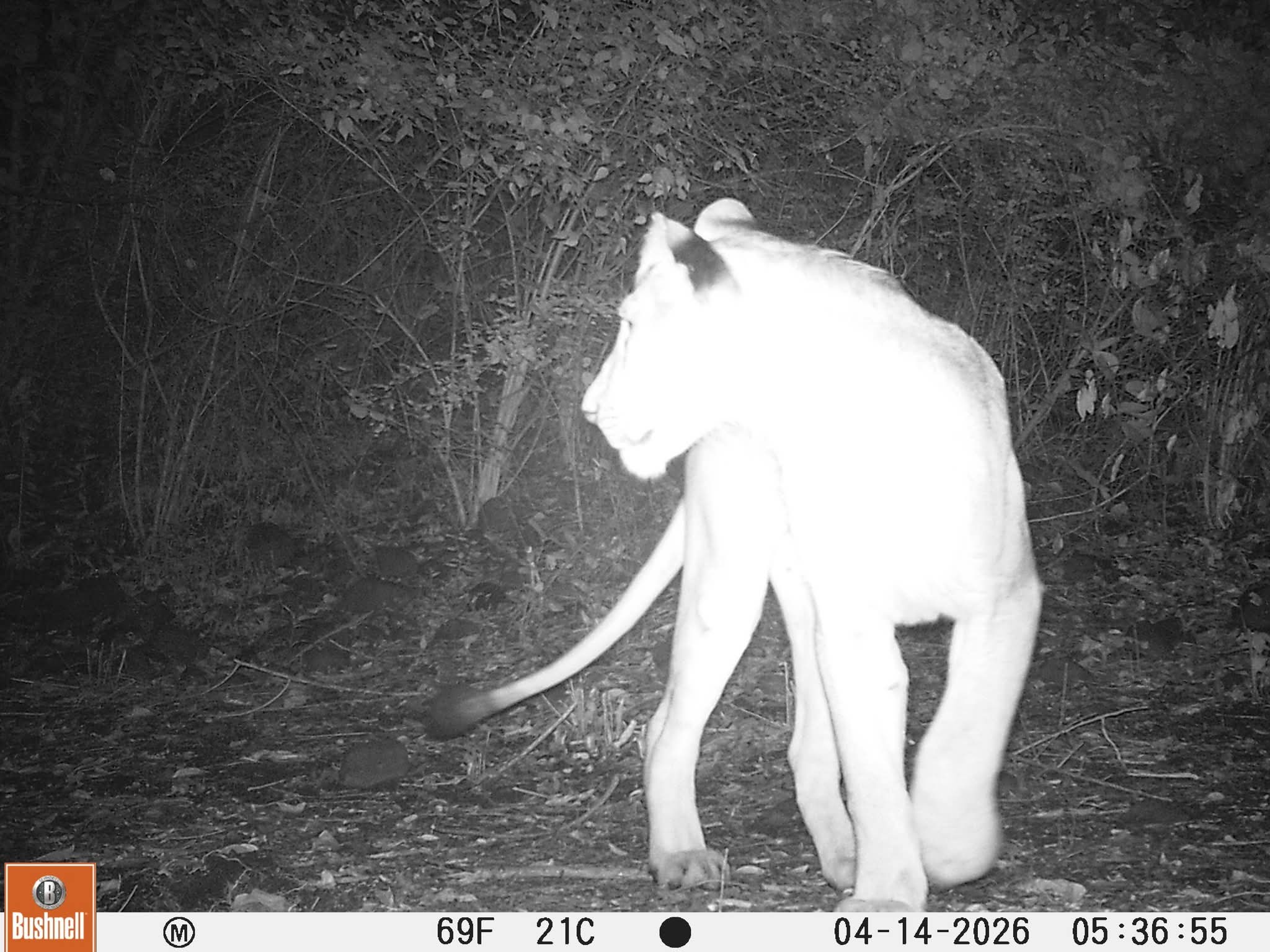
Tsyon Asfaw Gizaw (University of Leeds) and her team (Ethiopian Wildlife Conservation Authority, Barkede Kulumadere from local NGO OPEN, and CCA scouts) carried out an integrated study related to the zoological biodiversity in the Tama. Building on her prior research in the dry season, Tsyon employed 50 camera traps and 15 audiomoths using a grid across the CCA during the wet season, so we can compare the two datasets and look at seasonal differences in species richness (unique species present in the CCA) as well as start to build an idea of occupancy and abundance. A total of 32 mammalian species have been recorded from analysis thus far, including threatened and iconic wildlife such as the African lion, leopard, giraffe, plains zebra, African buffalo, patas monkey, and ground pangolin, highlighting the area’s rich biodiversity and seasonal wildlife movements.
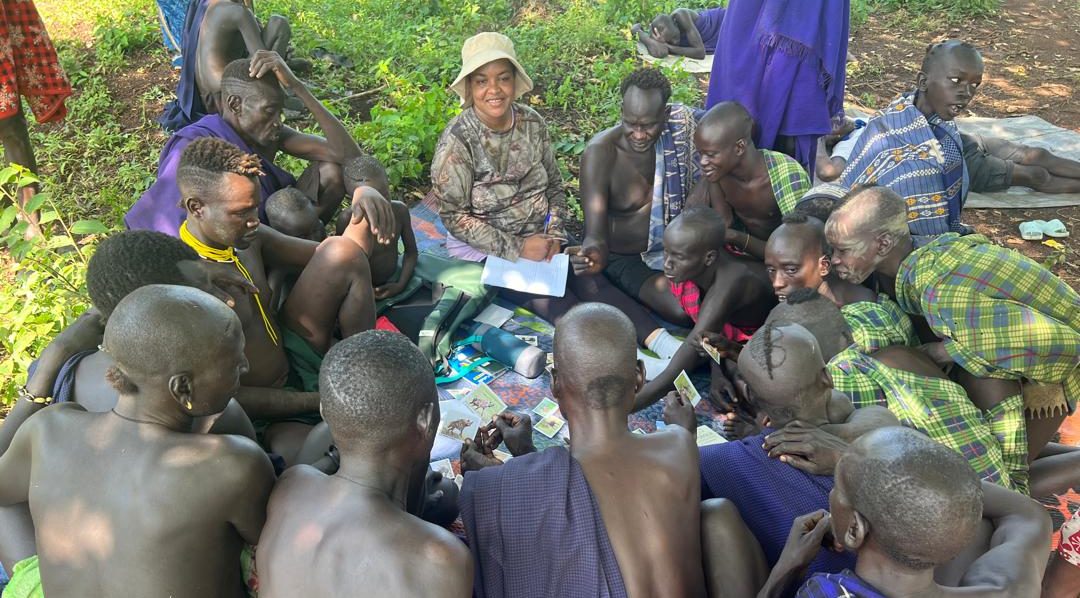
Her ecological data collection was coupled with focus groups, building on the approach from the ethnobotany team, to collect traditional ecological knowledge about these species. These conversations found that communities classify wildlife as favourable if the cultural, spiritual, and economic value of the wildlife outweighs the cost. Carnivores and primates are often considered as problem animals as they cause the perceived and actual threats of livestock loss and crop damage, which can result in retaliatory killing and conservation concerns.
Wildlife remains deeply rooted in identity, traditions, and practices of the Omo people, and participants reported the irreplaceable cultural and spiritual significance of wildlife. Conserving wildlife is therefore essential for preserving traditional governance systems, cultural heritage, and community identity.
Moving Forwards
Integrating Indigenous knowledge with ecological monitoring has allowed us to document these complex cultural and spiritual landscapes of human–wildlife relationships – critical to develop culturally appropriate, evidence-based conservation strategies that can support biodiversity conservation, sustainable livelihoods, and community resilience. We now better understand which species are most important to communities, why they matter, and how changes in availability may affect livelihoods and food security.
Particularly important to this is climate variability, so one of our next steps is to work with climate modelers to a) construct an understanding of prior climate in the region for the first time (given there are no weather stations in the Tama) and b) explore what climate projections will mean for land cover, and thus biodiversity and livelihoods.
In the final phase of BioRes we will then work with CCA staff and the governing Council to integrate such understandings into their rules and regulations, so to support adaptive management of the CCA under climate change. Importantly, our research demonstrates that conservation cannot be separated from the cultural and relational values that communities attach to landscapes.
Protecting biodiversity also means protecting the knowledge, practices, and relationships that have developed between people, wildlife, and plants over generations and we want to see this embedded in the CCA’s governance moving forwards.
This blog was prepared by Dr. Jenny Hodbod, Associate Professor of Environment and Development, University of Leeds. Jenny’s research explores the creation the resilient and equitable food systems – environmentally and economically sustainable food systems that can feed a growing global population and support their wellbeing whilst adapting to security threats such as climate change, changing preferences, and economic shocks.
Please visit the BioRes: Biodiversity Potential for Resilient Livelihoods in the Lower Omo, Ethiopia page for more on the project.
Photo Credits
1. The plains of the Tama CCA (header image), Tsyon Asfaw Gizaw
2. Women in Botech (Bodi) sorting through bush cabbage, Marta Gaworek-Michalczenia
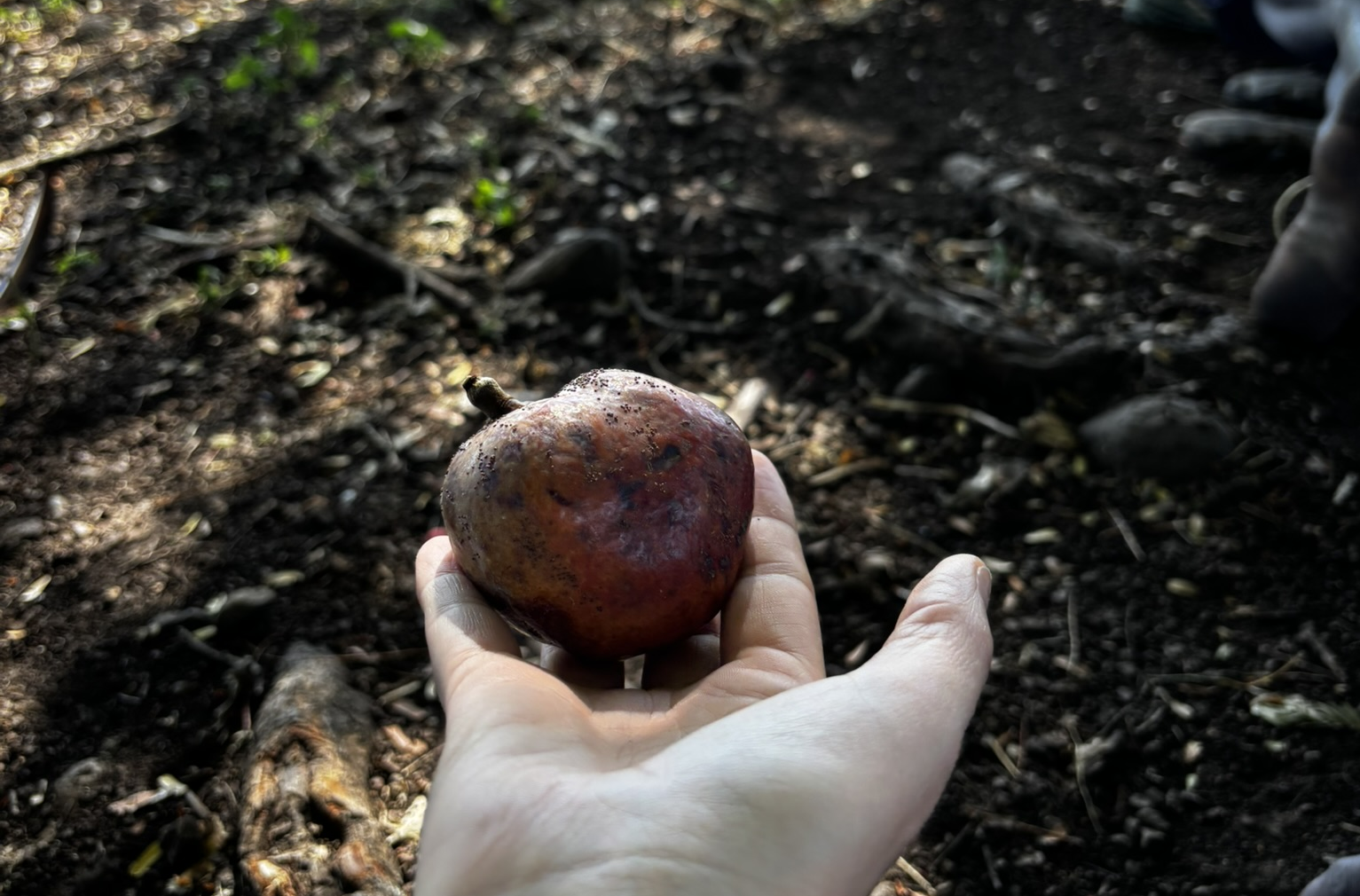
3. Tikawoch one of the most important dry season survival fruit, Marta Gaworek-Michalczenia
4. Setting out camera traps, Tsyon Asfaw Gizaw
5. Lion, captured on the camera traps this field season, Tsyon Asfaw Gizaw
6. Tsyon facilitating a focus group, Tsyon Asfaw Gizaw
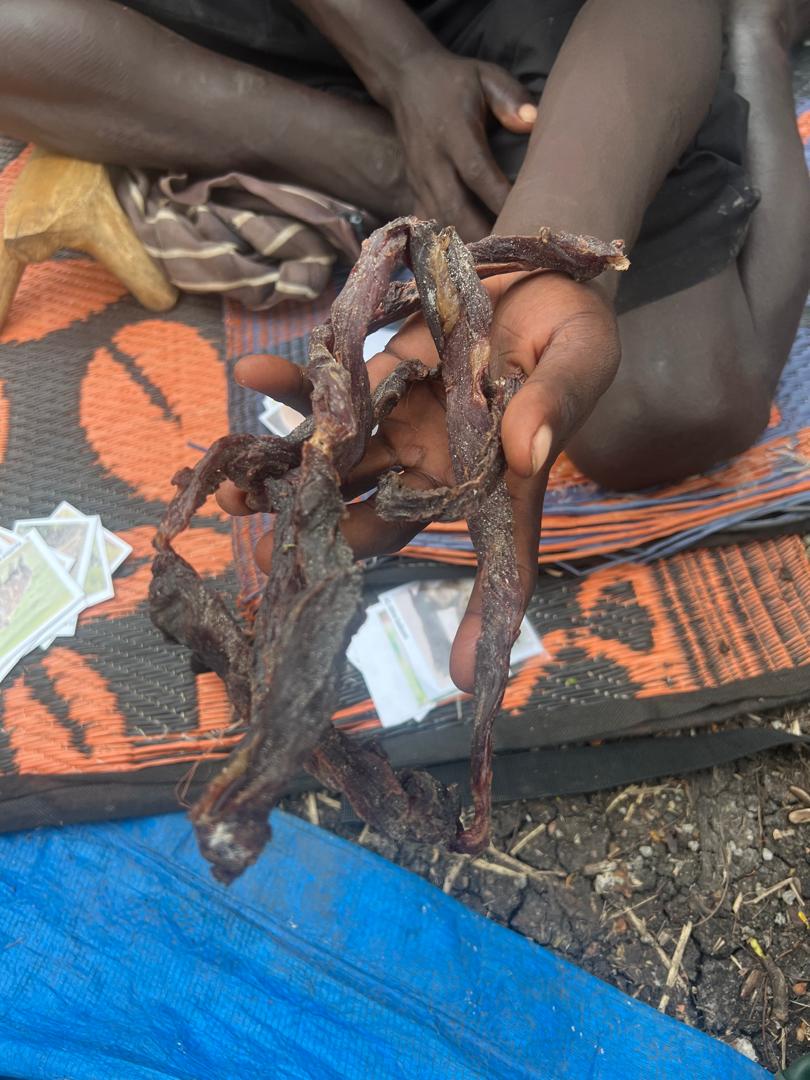
7. Dried hippo meat being discussed during a focus group, Tsyon Asfaw Gizaw
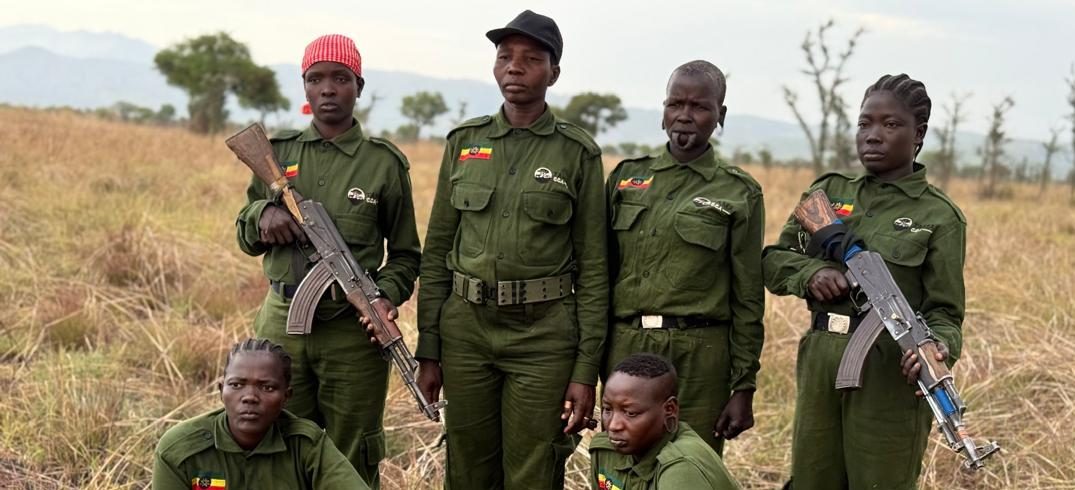
8. The first female scouts in the Tama CCA, whose training was supported by this grant, Barkede Kulumadere
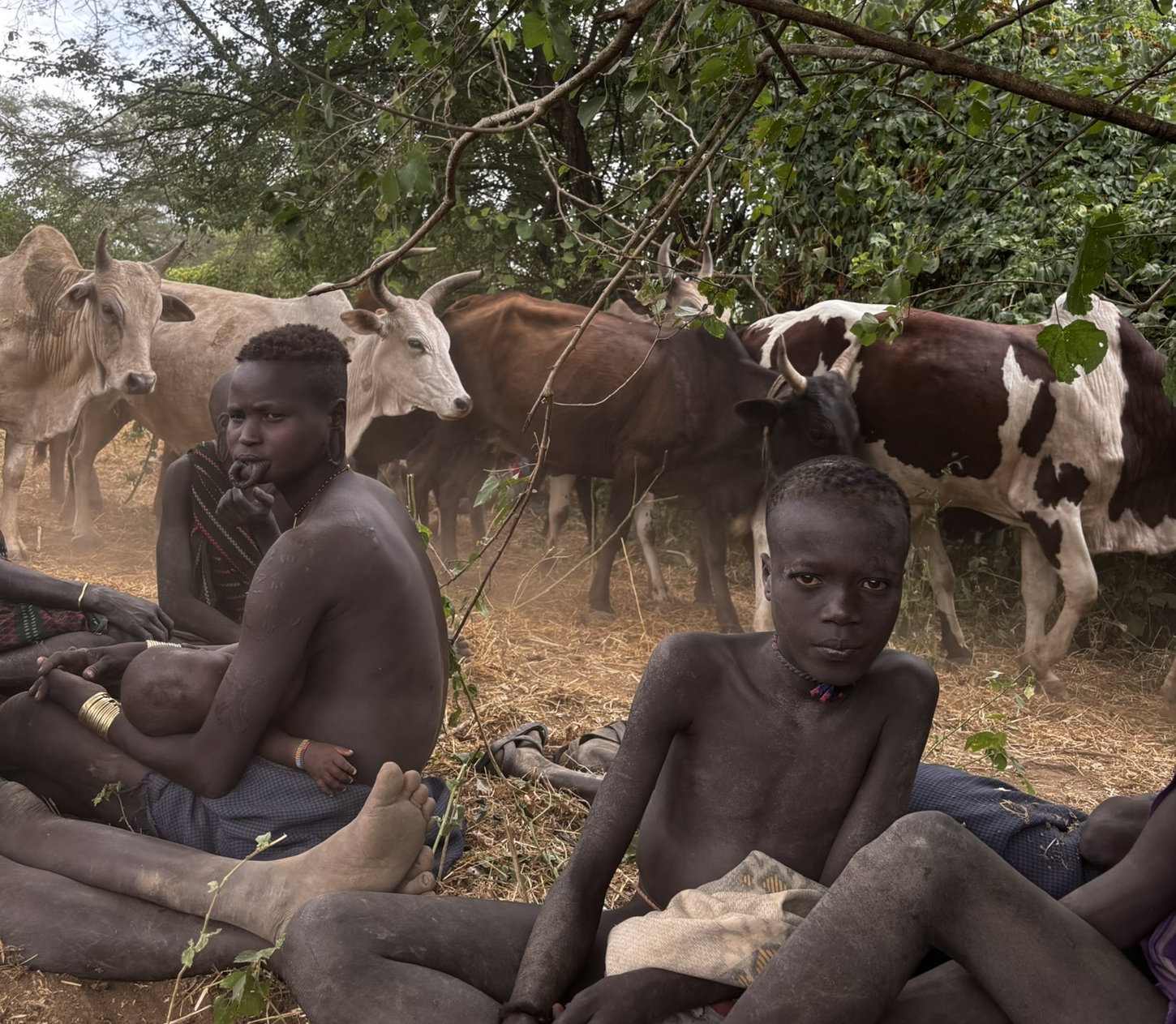
9. Mursi women in South Tama, Marta Gaworek-Michalczenia