Peatlands at Risk: Lessons from the Amazon and Congo Basins

There is a familiar rhythm to life on peatlands. Living and farming in wetland environments is undeniably challenging. Over generations, the search for higher ground has been a key adaptive strategy, and communities have developed remarkable knowledge and skills to thrive in these waterlogged environments.
Dr Euridice Honorio Coronado, PI, Royal Botanic Gardens, Kew
Within the vast wetlands of the Amazon and the Congo Basins, tropical peatlands are among the world’s most important carbon-rich ecosystems — yet their biodiversity and dynamics remain poorly understood.
Royal Botanic Gardens, Kew is leading a project – Using Biodiversity to Support Climate Resilient Livelihoods in Intact Tropical Peatlands – exploring these complex peatland systems, examining plant biodiversity, how vegetation responds to changing flooding regimes, and the livelihoods of communities who depend on these ecosystems. By comparing peatlands across the Amazon and Congo Basins, the project is generating valuable insights into both the similarities that connect these landscapes and the striking differences that shape them.
The following account is written by Dr Euridice Honorio Coronado, Research Leader, Royal Botanic Gardens, Kew.
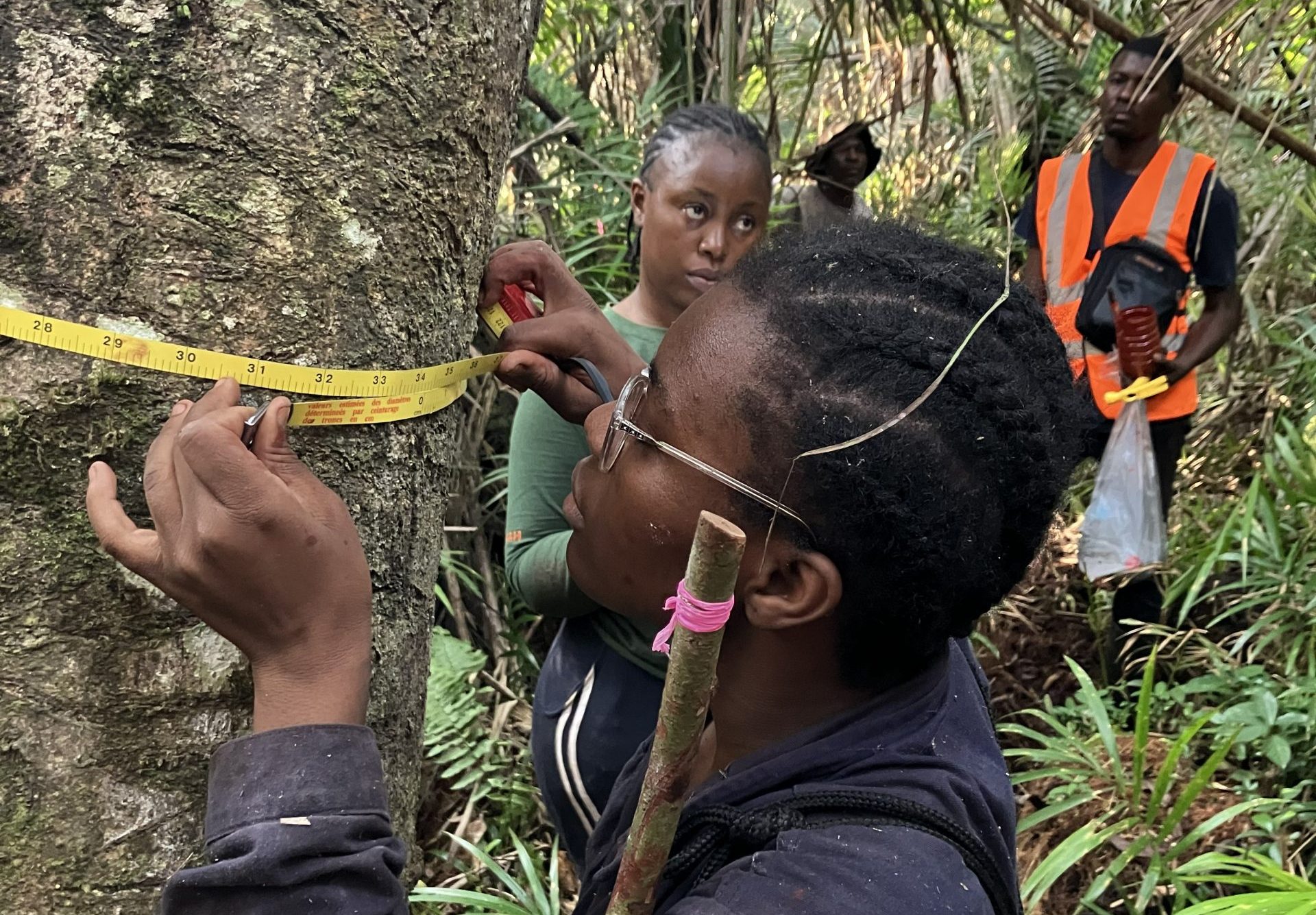
Discussions about the future of peatlands often focus on the threats they face from infrastructure development and agricultural expansion. While these pressures are real, they tell only part of the story.
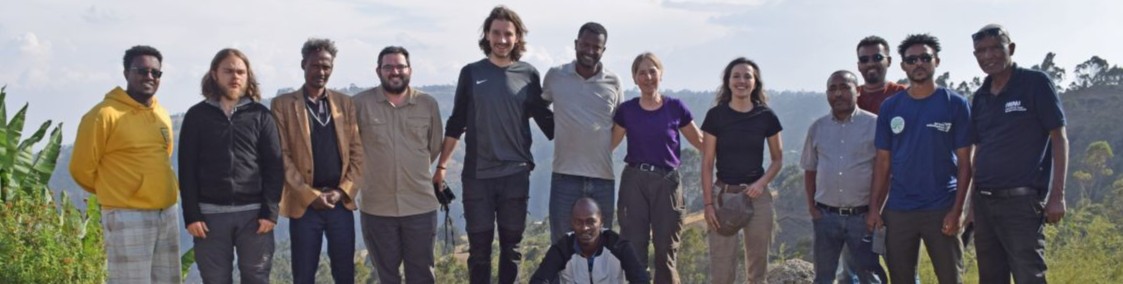
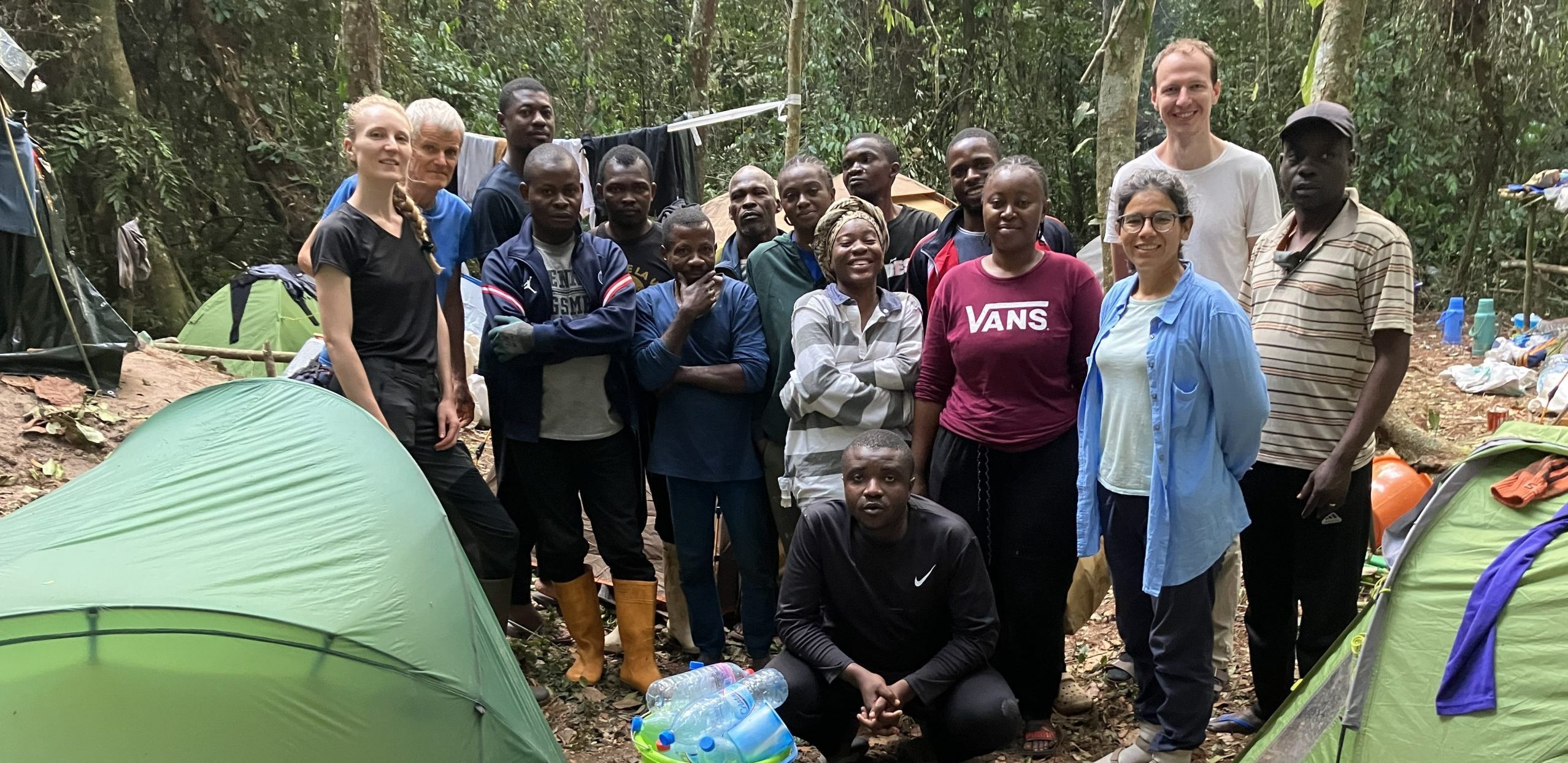
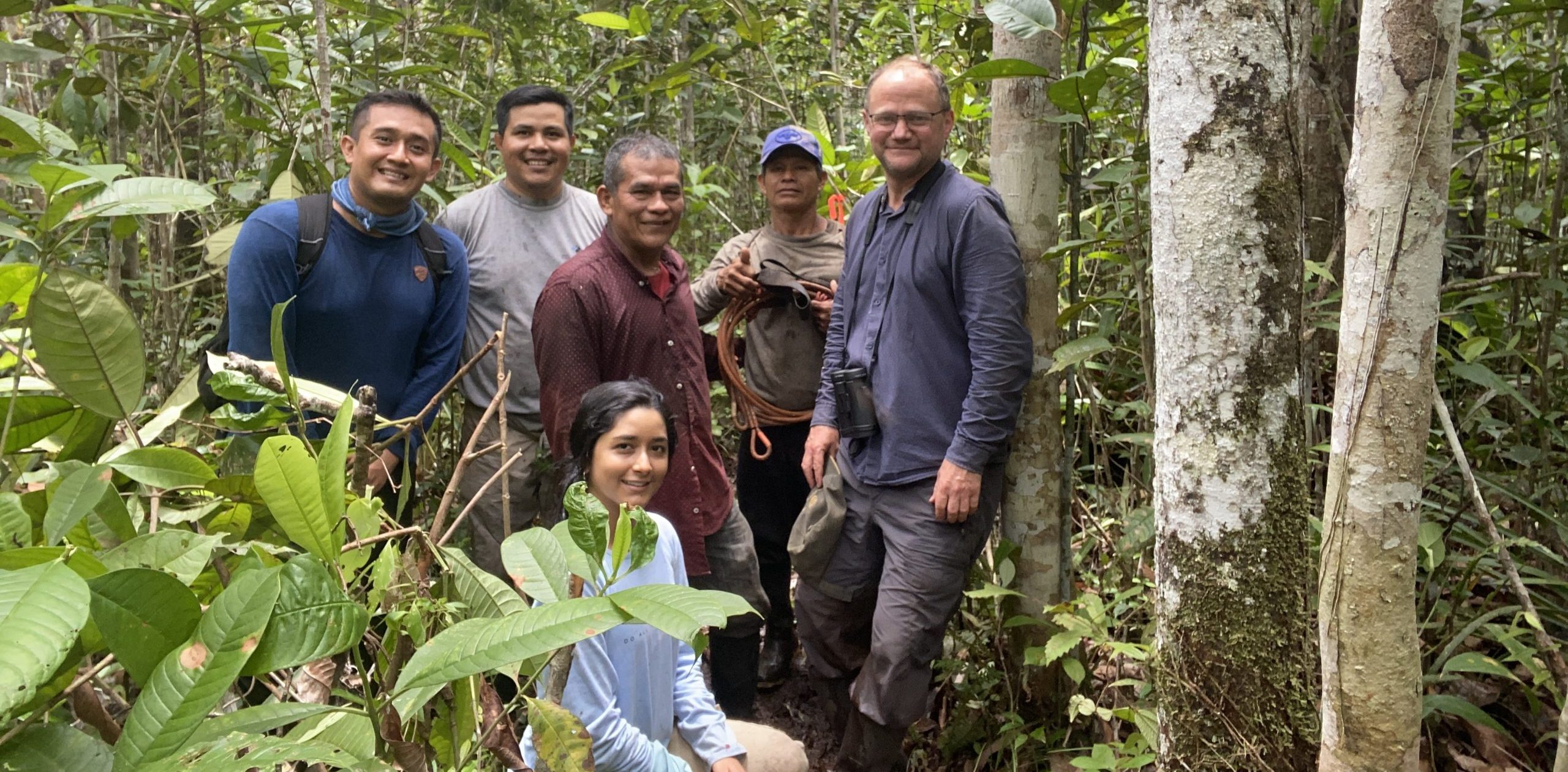
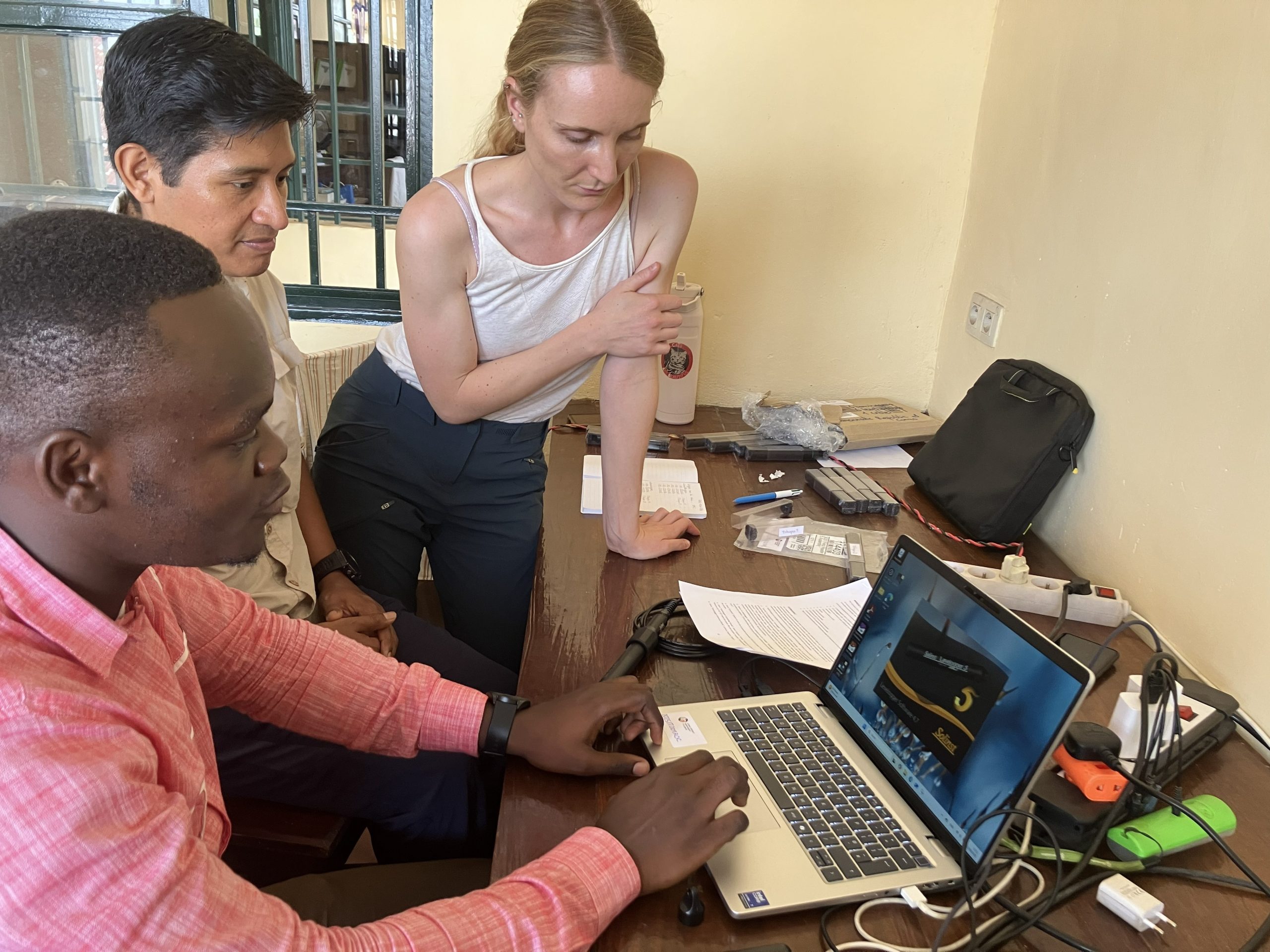
We began 2026 by bringing together five partners for a workshop to share newly collected datasets and early findings from fieldwork undertaken in 2025. On this project, the Royal Botanic Gardens, Kew is partnering with the Instituto de Investigaciones de la Amazonia Peruana (Peru), the Université Marien N’Gouabi (The Republic of Congo), the University of Kisangani (The Democratic Republic of Congo – DRC), the University of St Andrews (UK), and the University of Leeds (UK).
On the ground, we find that many peatlands in both basins remain relatively hydrologically intact, although their condition varies regionally. These landscapes are shaped by complex ecological processes, long histories of human interaction, and distinct political and social contexts that are unique to each basin. However, pressures are increasing as surrounding forests rapidly disappear, as seen in the DRC.
In Amazonia, some peatland areas fall within legally recognised Indigenous territories, protected areas, and other formal land-tenure regimes where communities may hold rights to manage forests and sustain local livelihoods. Case studies of long-term community-based management provide evidence that peatland resources can support local economies without requiring deforestation or drainage. However, projects of new infrastructure and extractive industries may pose risks to these systems.
In the Congo basin, land use is governed through state permits and concessions for resource extraction, often overlapping with customary land claims that lack formal recognition. This presents a challenging governance environment, yet communities continue to depend on peatland resources for subsistence and income generation. Pressures are increasing as surrounding forests rapidly disappear, as seen in the DRC, and new roads improve access to previously remote peatland areas, such as in the Republic of Congo.
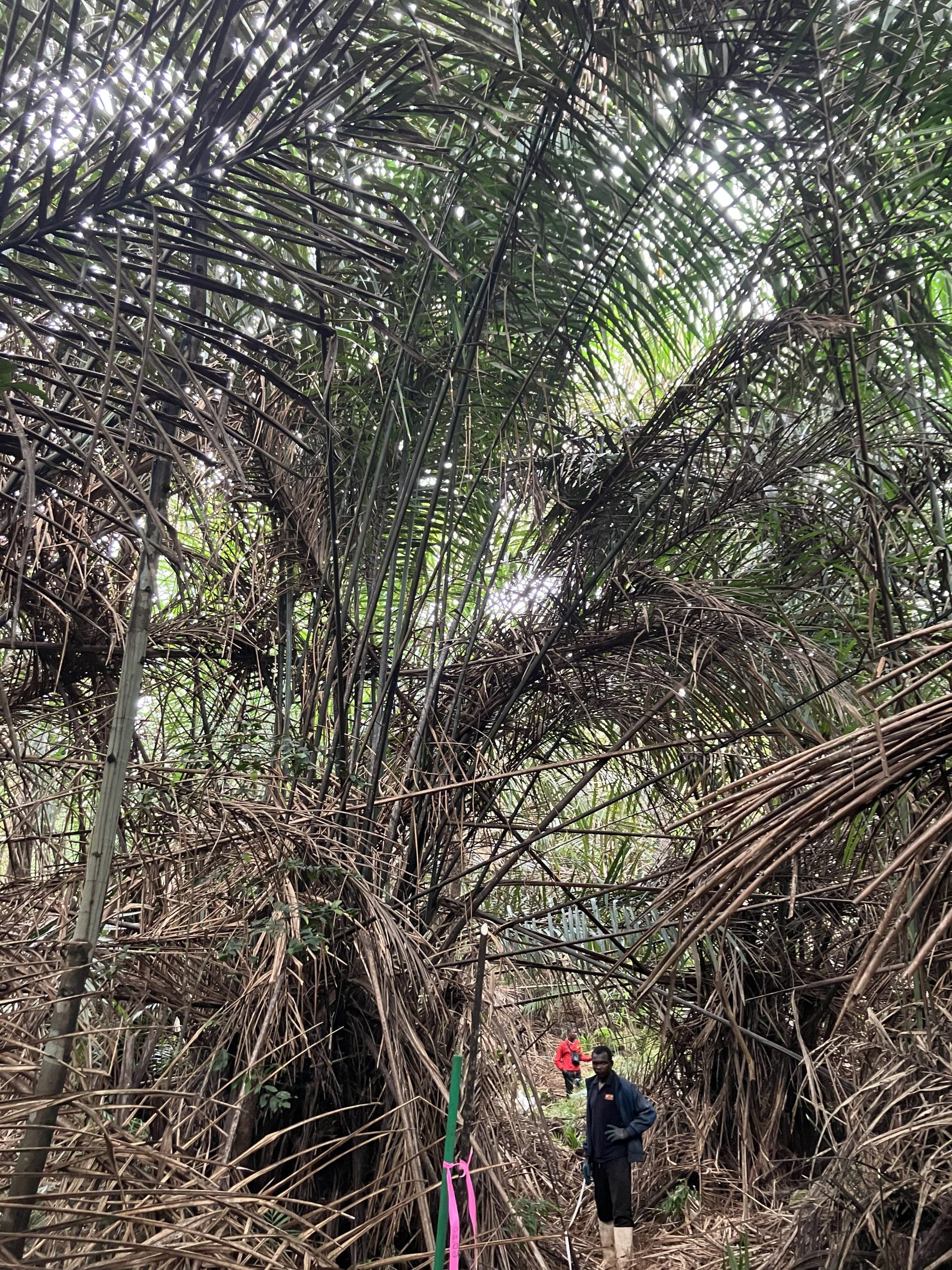
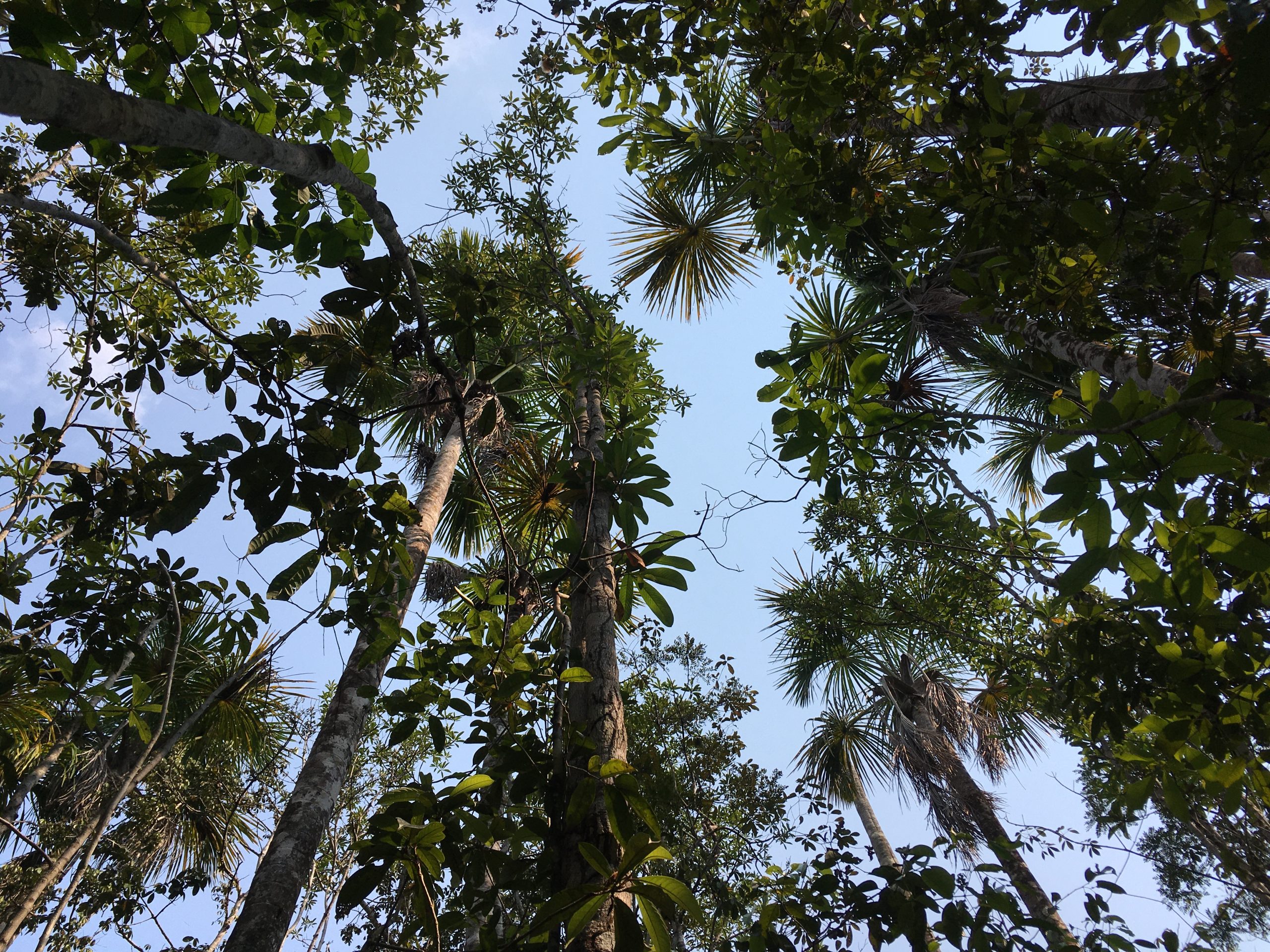
Interestingly, peatlands in both basins are characterised by distinct vegetation types, including palm-dominated swamps and tree-dominated forests such as pole forests and hardwood forests. These ecosystems are acidic and remain waterlogged, which promotes peat accumulation and slows decomposition. In addition, peatlands in both basins support a diverse range of natural resource uses, including fishing, hunting, and the harvesting of non-timber forest products such as fruits, fibres, and medicinal plants.
Moreover, there is a familiar rhythm to life on peatlands. Living and farming in wetland environments is undeniably challenging. Over generations, the search for higher ground has been a key adaptive strategy, and communities have developed remarkable knowledge and skills to thrive in these waterlogged environments.
Local traditions reflect a deep understanding of ecosystems, rivers and islands; the long use of natural resources and local crops as well as those that have travelled across continents; and the profound cultural significance of wetlands. Recognising and safeguarding this ecological and social complexity is essential for building a resilient future for tropical peatlands and the communities who depend on them.
What’s Next?
During this financial year, our research teams will focus on three main priorities. First, we will move forward with data analysis and writing, developing the first drafts of a checklist of vascular plant species across tropical peatlands and their conservation status. This will include a brief bringing together case studies on biodiversity and best practices that help maintain the ecological integrity of tropical peatlands.
Second, field activities will continue with the retrieval and consolidation of first-year water table data collected, strengthening our understanding of peatland hydrology across sites. Finally, we will organise stakeholder workshops to ensure that project outputs effectively inform policy and practice in tropical peatland conservation.
Written by Dr Euridice Honorio Coronado, Principal Investigator. Euriduce’s journey into peatland research began in 2008, when she established permanent forest plots in Loreto, northern Peru, as part of the Amazon Forest Inventory Network (RAINFOR). At that time, RAINFOR focused largely on intact terra firme forests, with limited representation of the vast Amazonian wetlands. This gap became a central motivation in her work, first at the Instituto de Investigaciones de la Amazonía Peruana and now at the Royal Botanic Gardens, Kew.
Discover more: Using Biodiversity to Support Climate Resilient Livelihoods in Intact Tropical Peatlands