Working with Indigenous Peoples and local communities: 8 Lessons from GCBC Research

Research conducted in partnership with Indigenous Peoples and local communities (IPLCs) is increasingly shown to develop stronger, more inclusive understanding of our shared environment¹. By grounding evidence in local realities and lived experience, such approaches improve the relevance, impact, and resilience of interventions.

At GCBC, we place strong emphasis on incorporating local and Indigenous knowledge into the development of scalable and policy-relevant solutions. However, the role of IPLCs in research partnerships is complicated. In many projects, they may simultaneously be the subjects of research, the implementers of research, and the expected beneficiaries of the solutions developed.

At the same time, the relationship between researchers and IPLCs may be characterised by very distinct priorities, significant power imbalances, and different ways of interpreting the world.

Recognising this complexity, GCBC invited grant recipients to share their reflections on conducting research with Indigenous Peoples and local communities, in particular highlighting the insights they were gaining in the process. Specifically, we asked:

What has the project learned about the necessary conditions to secure the engagement of local and Indigenous communities in the research?

The responses touch on a number of interconnected issues. Eight main insights emerged and are summarised below.
1. Early and Continued Engagement
Our projects emphasise that partnerships with Indigenous Peoples and local communities should begin early and continue throughout the research process.

Engagement should go beyond simple consultation.

For our project in Panama, for example, the proposed research emerged from a year-long consultation process, grounded in a much longer-standing relationship between one project partner and an Indigenous council².

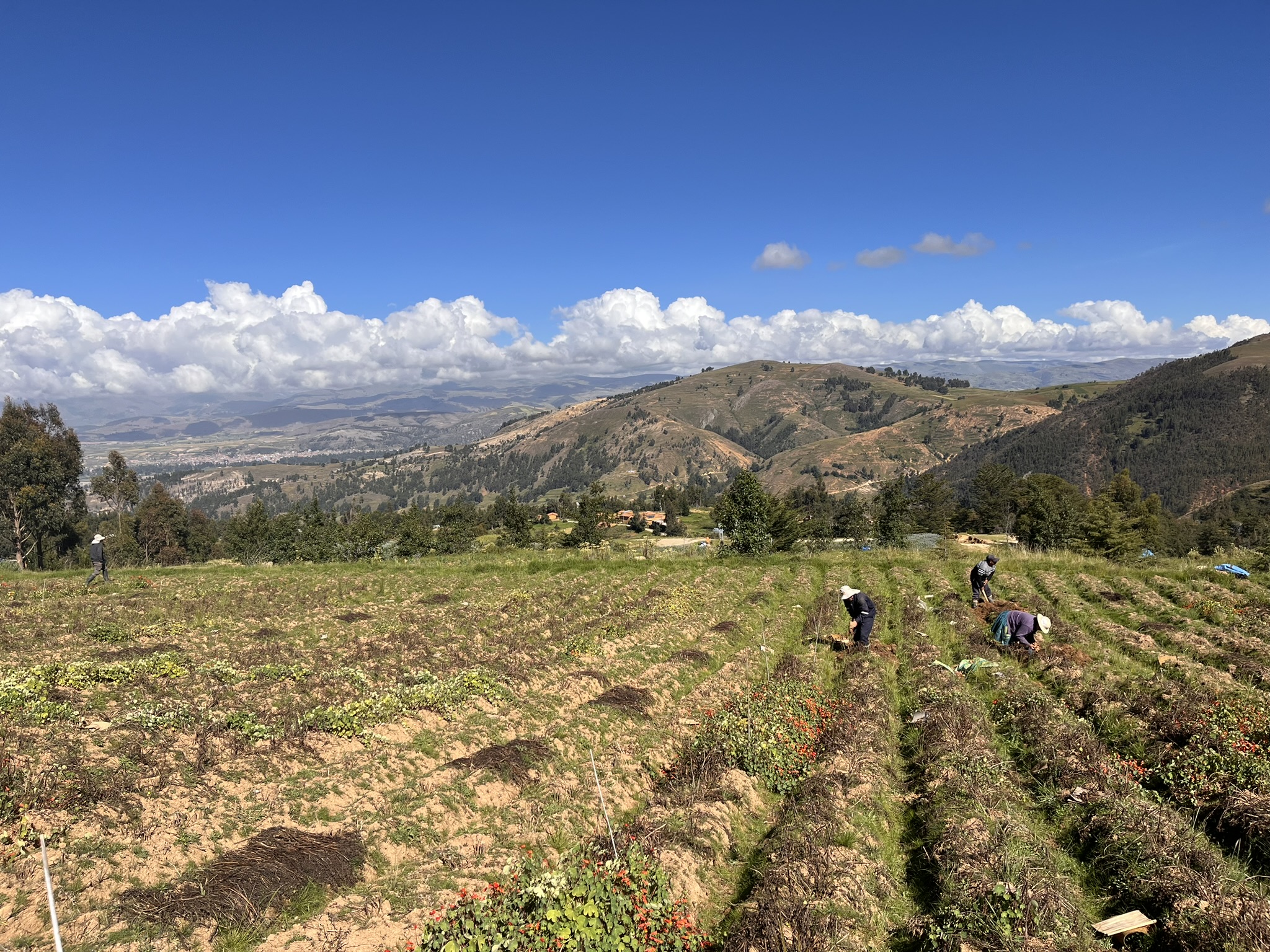
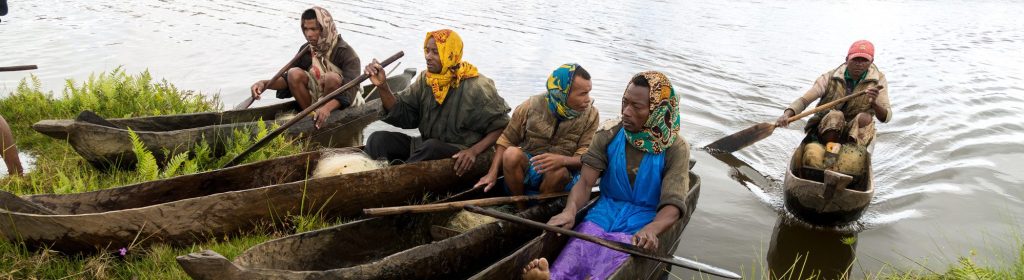
In Ethiopia, ongoing dialogue between researchers and communities strengthened mutual understanding and helped reduced the risk of misconceptions³. A similar approach was taken by our researchers in Madagascar, where Indigenous Peoples and local communities were regularly updated on research progress and invited to evaluate the successes and challenges⁴.

2. Community-Led Research Framing

Much social and natural science research starts with a tightly defined set of research questions, the framing of which is usually led solely by researchers. Our projects demonstrate how this approach must be reconfigured to accommodate IPLCs perspectives and needs.

Experiences from Colombia highlight that meaningful engagement in research needs to be about more than just involving IPLCs in data collection – it begins with co-creating meaningful research questions that matter to the communities themselves⁵. This is supported by work in Indonesia which suggests that engagement with IPLCs is dependent on research questions being informed and shaped by them from the outset⁶.

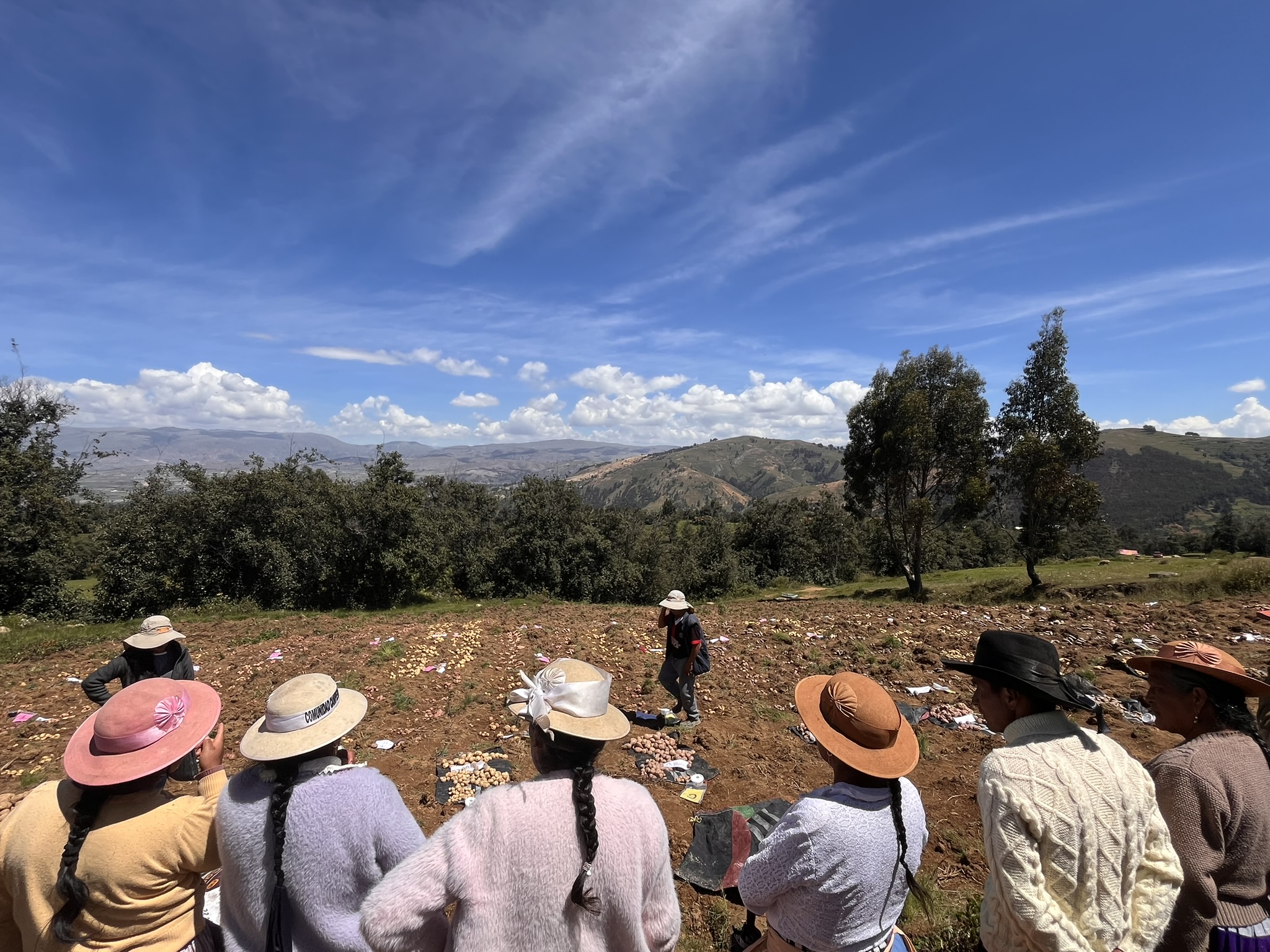
The process of defining research questions can potentially be complex, as research in Peru and Ecuador reveals. Farmer-led research often follows its own logic and pace in ways that differ from formal institutional projects⁷.

Yet, experience from Ecuador and Viet Nam suggests that ultimately communities are more willing to engage in research activities when research agendas and research questions align with their needs.
3. Informed Consent

In our work with IPLCs, consent, often expressed as Free, Prior, Informed Consent (FPIC), is a fundamental principle – and sometimes legal requirement. For example, for a project working in Malaysia, engagement is based on a voluntary agreement made with full knowledge of the project’s scope, purpose, risks, and benefits⁹.

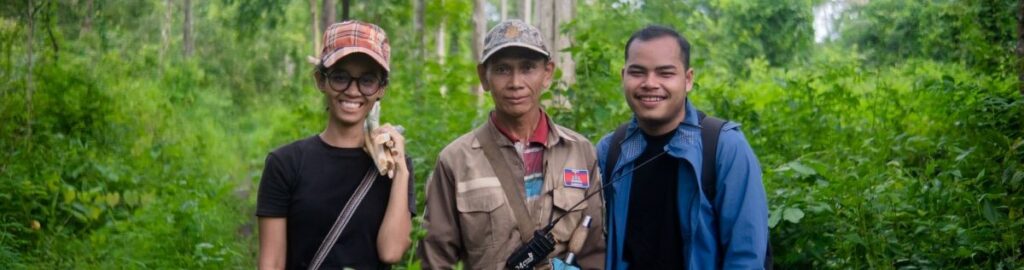
Gaining consent is not always a quick process. In Cambodia, trust and flexibility were required to gain consent and community support for the project. As a result, communities valued the opportunity to determine the project’s focus and to highlight the importance of their own knowledge¹⁰.

In some cases, FPIC is not just as an ethical necessity but also of practical importance too. For instance, a project in Ecuador found it fundamental for reinforcing community confidence and fostering long-term collaboration¹¹.

4. Communications and Transparency

Good communication with IPLCs emerged as a key attribute of project implementation. Our project in Guatemala detailed communication’s importance for a range of project needs including how information is to be used, how impartiality in data collection is assured, and how communities retain decision-making power over research that affects them¹².

The importance of communications tailored to specific groups was highlighted by one of our projects in Ethiopia that used communication approaches specifically designed for different groups to ensure gender and social inclusivity¹³.

However, good communication goes beyond the flow of information between researchers and IPLCs. Experiences in Colombia and the Dominican Republic suggest that projects can also act as a communication channel between members of the community¹⁴.

5. Power Dynamics

Attention to power dynamics was important across various contexts. In Malaysia this required awareness of researchers’ own effect on those dynamics and the need to continually reflect on their power and impact on IPLCs¹⁵.

In Malawi and Uganda, power was a consideration in the implementation of fieldwork, where workshops required taking language and social dynamics into account to encourage the engagement of community members¹⁶.

Understanding power dynamics was also critical in relation to outcomes and ownership with our project in Peru. This highlighted the important role of good facilitators in ensuring that project participants, including women, whose involvement may be constrained by household power dynamics, can take ownership of the research and engage with confidence¹⁷.

One aspect of the project is to examine local governance structures and their power dynamics to support the effectiveness and equity of forest restoration in relation to local communities’¹⁸.
6. Traditional Knowledge

One of the core delivery principles of all GCBC projects is the requirement to consider and integrate local and Indigenous knowledge into research. It is therefore unsurprising that this was prominent in the approaches of our projects. A few selected responses variously show how Indigenous and local knowledge has made fundamental contributions.

In Ethiopia it was found that community members were more willing to collaborate when their knowledge was treated as important and central¹⁹. Whilst for a project in Colombia, the belief that IPLCs hold valuable knowledge was considered the starting point for the project²⁰.

From another project in Colombia, there is recognition that Indigenous and local knowledge has transformed the way the project is conceptualised and supported²¹. In Indonesia it was noted that understanding food and land management practices led to a better appreciation of how food security is currently addressed²².

7. Shared Benefits

The production of knowledge through research alone does not guarantee that Indigenous Peoples and local communities will benefit. Ensuring that communities gain from the process is therefore a key challenge for GCBC projects. For example, a project in Ecuador found that community engagement deepens when they perceive direct, equitable benefits, such as training and technical assistance²³

In the Cham Islands in Viet Nam the project has learnt that engagement requires continuous consultation, mutual trust, and tangible local benefits²⁴Training was also noted from Kenya as one of various tangible short-term benefits that could strengthen participation whilst longer term project outcomes were yet to be delivered²⁵.

“We believe that IPLCs should benefit tangibly and intangibly from our research”²⁶.
8. Trust

Beyond the specific points noted above, a particular issue permeates and unites the responses. That issue is trust. Many of the responses were, explicitly or implicitly, about how trust is built between researchers and communities and how trust leads to better research outcomes.

      • Building trust is essential; this means recognising community knowledge systems, ensuring transparent communication and co-developing research goals²⁷.
      • An emerging insight from the first stakeholder workshop is that successful integration of traditional and scientific knowledge depends on long-term dialogue andtrust-building²⁸.
      • Securing the genuine engagement of local and Indigenous communities requires creating relationships grounded in mutualtrust, cultural respect, and continuous communication²⁹.
      • Field visits and workshops, where researchers listen before proposing solutions, have also been essential to build trust and gain a better understanding of real-world challenges farmers are faced with³⁰.
      • Trust has been built through regular consultations with local fishers and community representatives on seagrass habitats, ensuring their knowledge informs research design and monitoring³¹.

Reflections on Inclusive Research

The eight key points above represent a snapshot of current thinking and practice across GCBC projects. Whilst the responses touch on many interrelated issues, they highlight that our projects strive to be participatory in their approach to working with IPLCs and use a variety of participatory tools to guide their research.

Although these insights do not capture the entirety of the understanding gained, nor are they a complete guide to doing research with IPLCs, they offer valuable lessons and guidance.

More detailed and specific guidance for research with IPLCs is provided by Newing et al (2024)³². Their work is derived from interactions with a wider set of researchers and projects than informs our survey and consequently covers a wider range of issues. Whilst there are areas of notable similarity between their fourteen principles, and the experiences emerging from our survey, both deserve consideration when planning research with IPLCs.

Finally, ensuring that rights holders such as IPLCs are fully engaged in conservation action is not just a research issue, but relevant to all aspects of the planning and implementation of environmental conservation.

Recognising this, Principles for Inclusive Nature Action have been developed by Defra to place equitable, rights-based inclusion at the centre of all biodiversity action. GCBC supports the implementation of those principles.


Endnotes


1. Contributions of Indigenous Knowledge to ecological and evolutionary understanding. Jessen et al 2021 https://doi.org/10.1002/fee.2435
2. Smithsonian Tropical Research Institute: Forest Restoration on Indigenous Lands: Restoring Biodiversity for Multiple Ecosystem Services, Community Resilience and Financial Sustainability through Locally Informed Strategies and Incentives
3. Bioversity International: Deploying Diversity for Resilience and Livelihoods
4. The Wildfowl and Wetlands Trust (WWT) Following the Water: Participatory Research to Understand Drivers and Nature-based Solutions to Wetland Degradation in Madagascar
5. Fundación Tropenbos Colombia: Creation of an Intercultural Biodiverse Seed Bank with the Indigenous “Resguardo Puerto Naranjo” for Enhancing Restoration and Conservation Efforts in Degraded Areas in the Colombian Amazon
6. International Institute for Environment and Development (IIED): Nature Nuture
7. International Potato Center (CIP): Andean Crop Diversity for Climate Change
8. Oxford University: The Flourishing Landscapes Programme
9. The Scottish Association for Marine Science (SAMS): GlobalSeaweed-SUPERSTAR: Supporting livelihoods by Protecting, Enhancing and Restoring biodiversity by Securing the future of the seaweed Aquaculture industry in developing countries
10. Wildlife Conservation Society (WCS), USA: SARIKA: Scientific Action Research for Indigenous Knowledge Advancement: Recognising and Rewarding the Contribution of Indigenous Knowledge for the Sustainable Management of Biodiversity
11. UTPL: BIOAMAZ: Realising the potential of plant bioresources as new economic opportunities for the Ecuadorian Amazon: developing climate resilient sustainable bioindustry
12. University of Greenwich: Nature based solutions for climate resilience of local and indigenous communities in Guatemala
13. University of Aberdeen: Cataloguing and Rating of Opportunities for Side-lined Species in Restoration of Agriculturally Degraded Soils in Sub-Saharan Africa (CROSSROADS)
14. University of Lincoln: NATIVE: Sustainable Riverscape Management for Resilient Riverine Communities
15. The Scottish Association for Marine Science (SAMS): GlobalSeaweed-SUPERSTAR: Supporting livelihoods by Protecting, Enhancing and Restoring biodiversity by Securing the future of the seaweed Aquaculture industry in developing countries
16. University of Birmingham: Building adaptive fisheries governance capacity
17. International Potato Center (CIP): Andean Crop Diversity for Climate Change
18. Smithsonian Tropical Research Institute: Forest Restoration on Indigenous Lands: Restoring Biodiversity for Multiple Ecosystem Services, Community Resilience and Financial Sustainability through Locally Informed Strategies and Incentives
19. University of Leeds: Biodiversity potential for resilient livelihoods in the Lower Omo, Ethiopia
20. Fundación Tropenbos Colombia: Creation of an Intercultural Biodiverse Seed Bank with the Indigenous “Resguardo Puerto Naranjo” for Enhancing Restoration and Conservation Efforts in Degraded Areas in the Colombian Amazon
21. Corporación de Investigación y Acción Social y Económica (CIASE): Gran Tescual Indigenous Reservation Climate Plan
22. University of Sussex: Exploring sustainable land use pathways for ecosystems, food security and poverty alleviation: opportunities for Indonesia’s food estate program
23. Escuela Superior Politécnica del Litoral (ESPOL): Empowerment of coastal communities in sustainable production practices in Ecuador
24. The World Wide Fund for Nature (WWF): Translating Research into Action for Livelihoods and Seagrass (TRIALS) – Establishing scientific foundation for seagrass restoration and blue carbon potential, with sustainable livelihood development for coastal communities in Central Vietnam
25. CSIR-CRI, EMBRACE: Engaging Local Communities in Endangered Trees and Minor Crops Utilization for Biodiversity Conservation and Livelihood Enrichment
26. The Scottish Association for Marine Science (SAMS): GlobalSeaweed-SUPERSTAR: Supporting livelihoods by Protecting, Enhancing and Restoring biodiversity by Securing the future of the seaweed Aquaculture industry in developing countries
27. University of Aberdeen: Cataloguing and Rating of Opportunities for Side-lined Species in Restoration of Agriculturally Degraded Soils in Sub-Saharan Africa (CROSSROADS)
28. Lancaster University: Enabling large-scale and climate-resilient forest restoration in the Eastern Amazon
29. UTPL: Realizing the potential of plant bioresources as new economic opportunities for the Ecuadorian Amazon: developing climate resilient sustainable bioindustry
30. Oxford University: The Flourishing Landscapes Programme
31. The World Wide Fund for Nature (WWF): Translating Research into Action for Livelihoods and Seagrass (TRIALS) – Establishing scientific foundation for seagrass restoration and blue carbon potential, with sustainable livelihood development for coastal communities in Central Vietnam
32. ‘Participatory’ conservation research involving indigenous peoples and local communities: Fourteen principles for good practice. https://doi.org/10.1016/j.biocon.2024.110708


Photo Credits
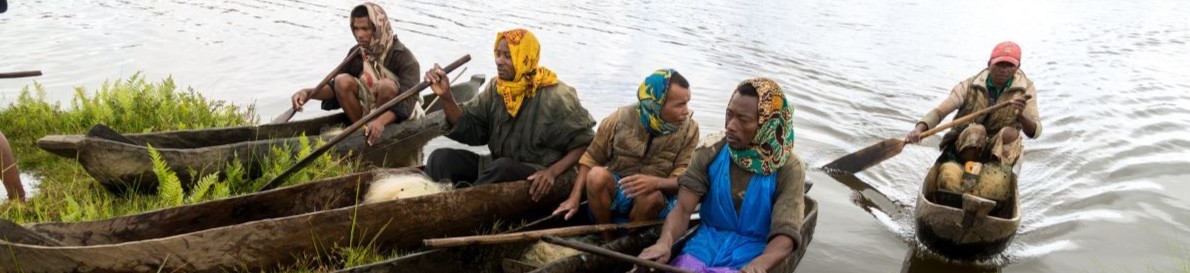
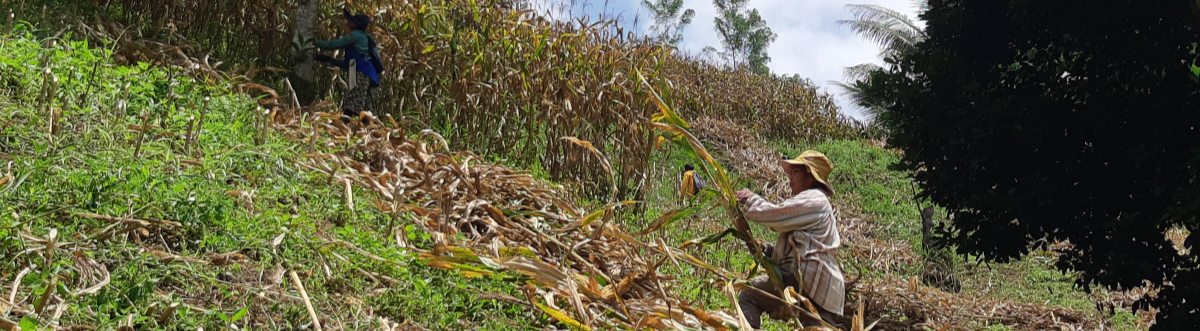
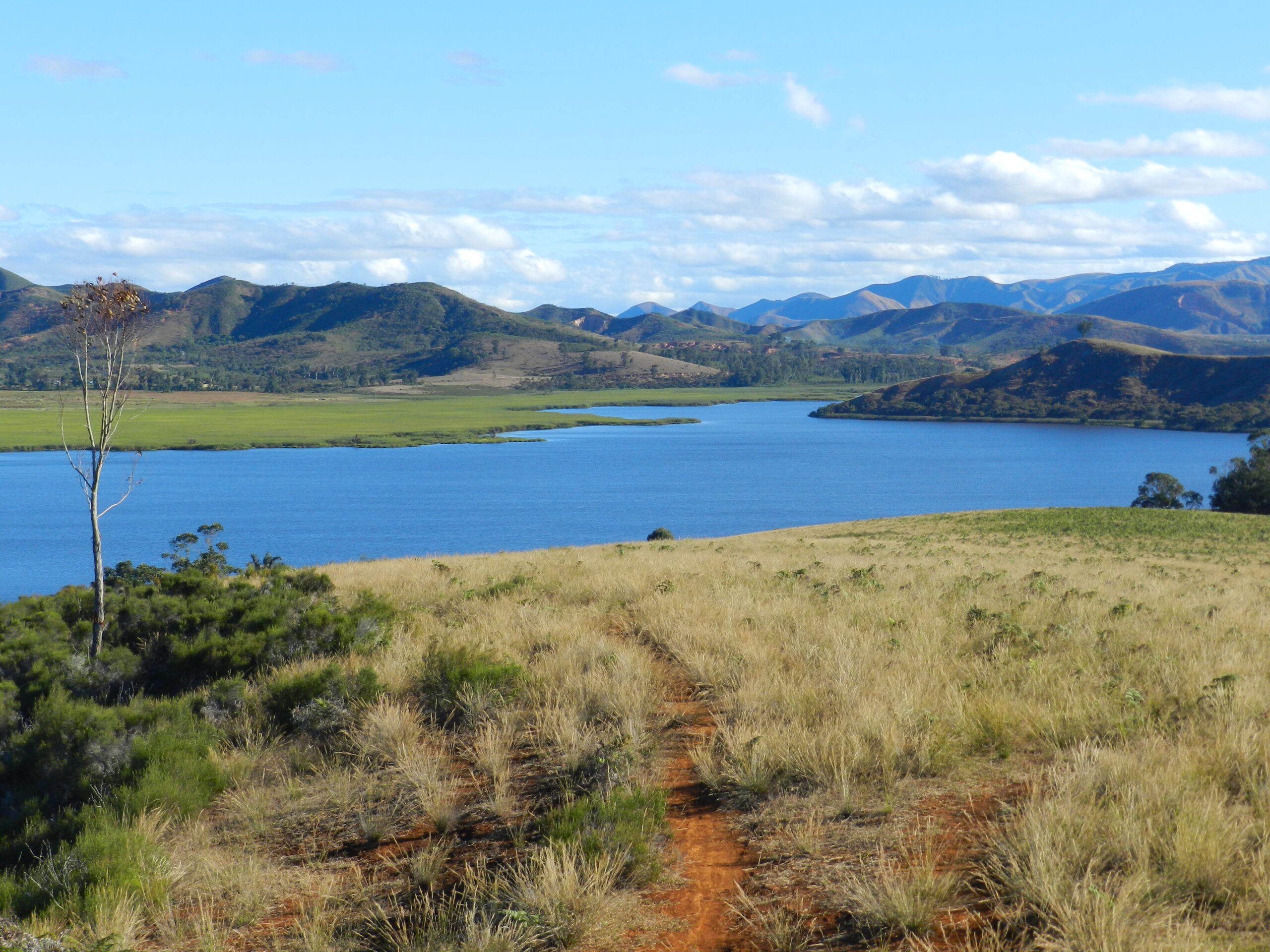
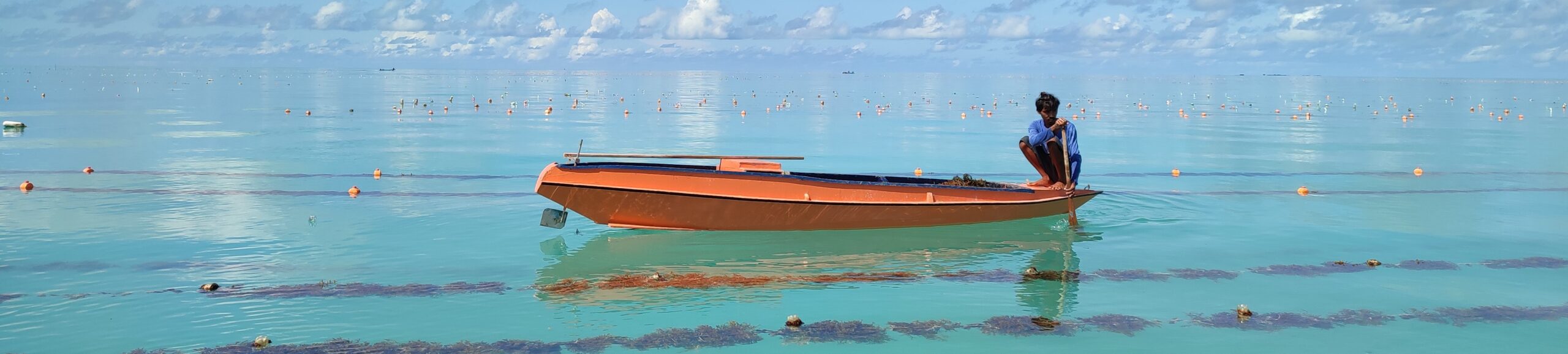
  • Header image and Photo 1: Fisherman on Lake Sofia, Madagascar. Used with permission from the Wildlife and Wetlands Trust.
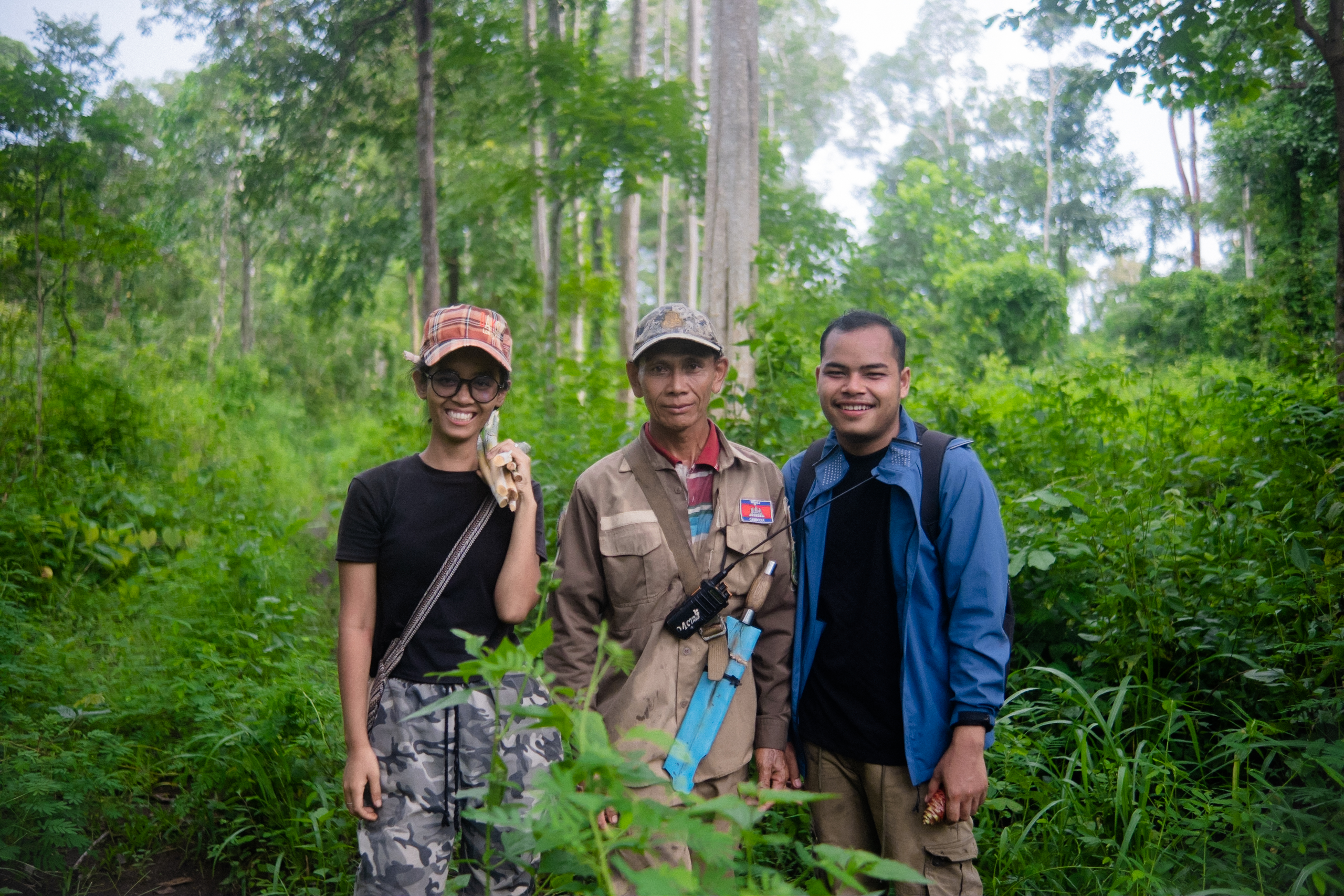
  • Photo 2: Sam At Rachana and Pin Plil, members of the CIPO research team, with Mr Treub Thaeum, Chief of the Bunong Indigenous community at Pu Kong, in the Brey Ngak sacred forest of the Bunong people, Cambodia. Photographer: Tong Len.
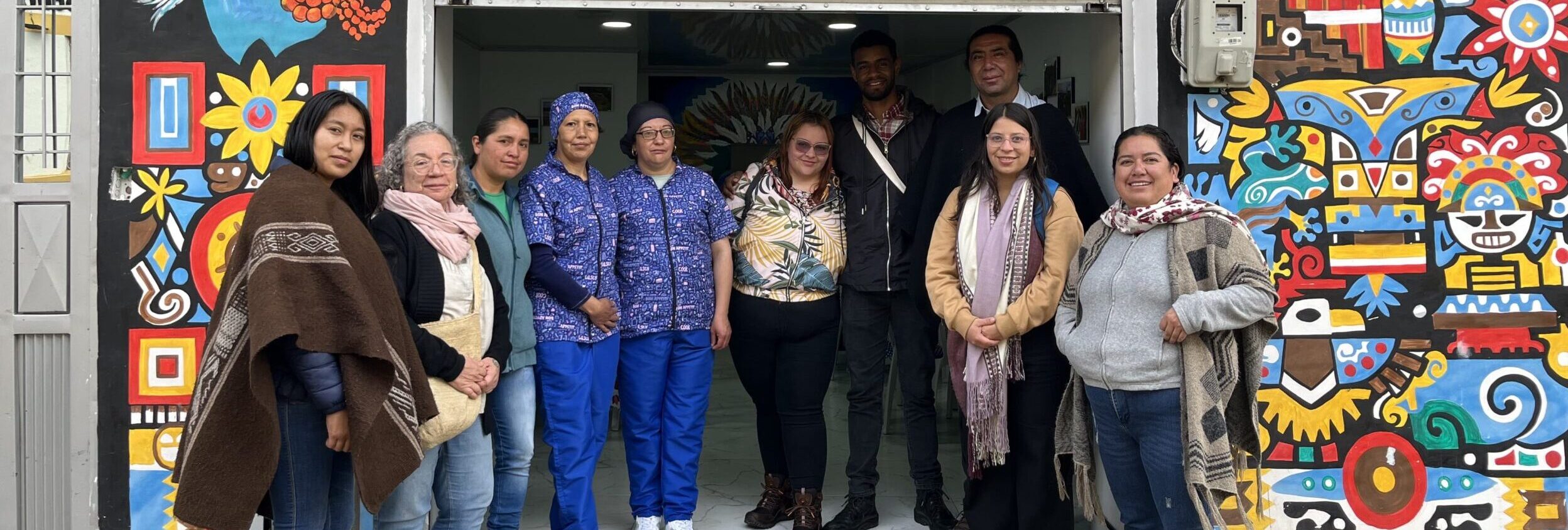
  • Photo 3: Women from the Pasto community outside their restaurant initiative in the resguardo, Colombia, with Daniela Torres, Mama Genith Quitiaquez, Taita Vicente Obando, Ricardo Ibarguen, Wendy Toro and Rosa Emilia Salamanca (Corporación de Investigación y Acción Social y Económica – CIASE).
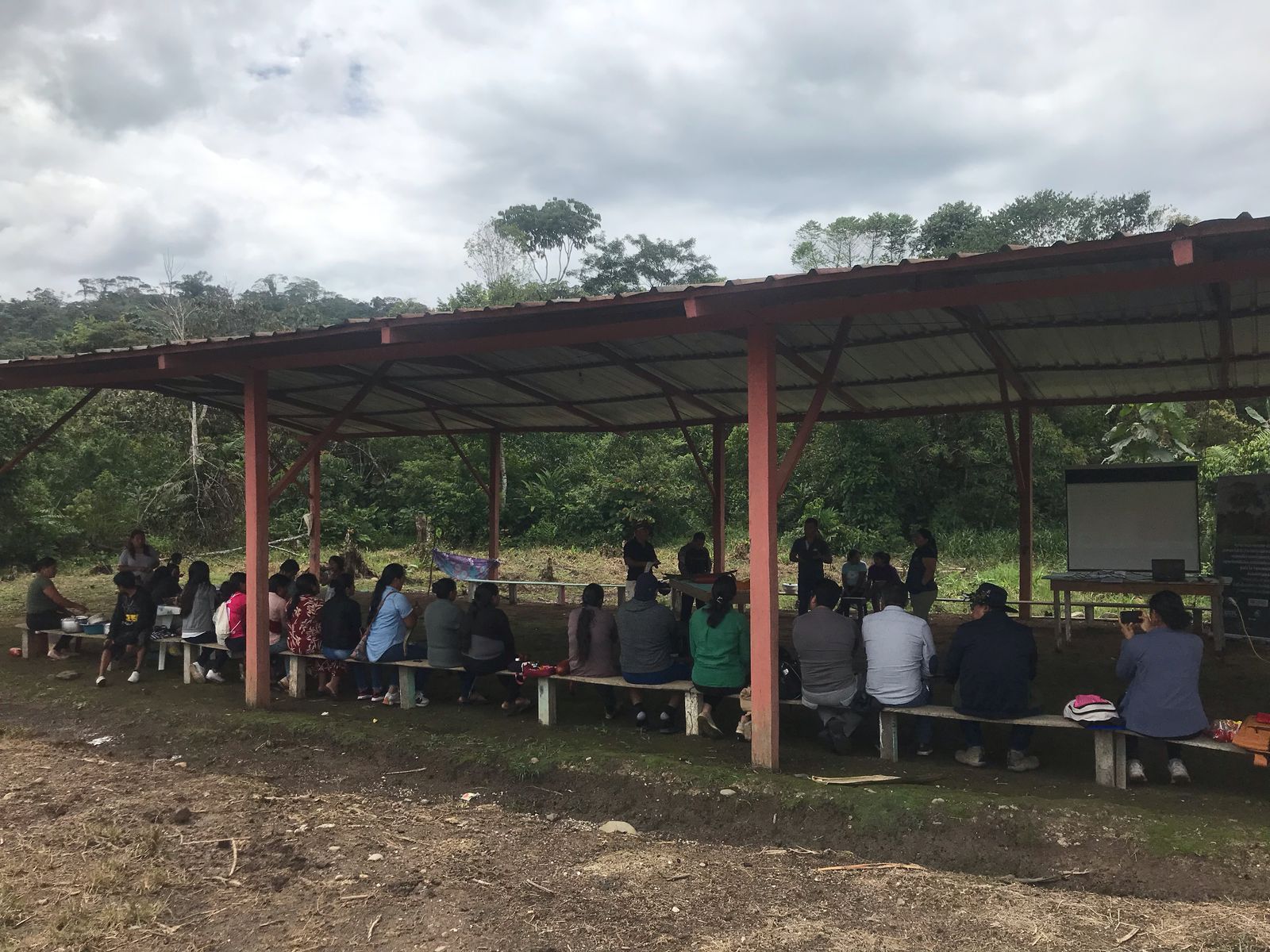
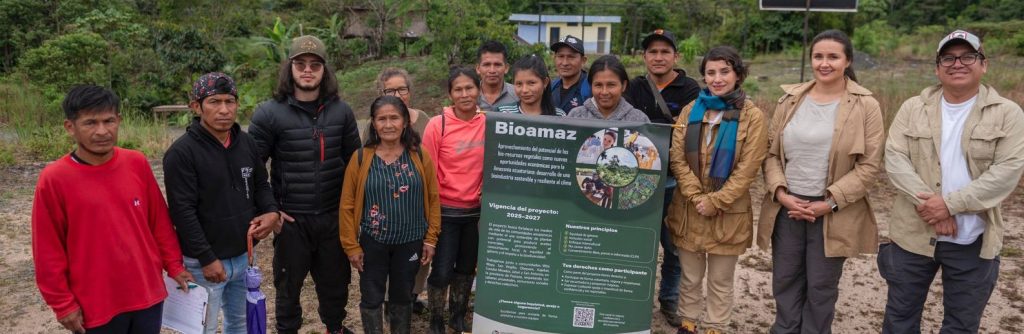
  • Photo 4: Researchers and local community members from the Bioamaz project during a workshop on safeguards and plant socialisation in the Shuar San Antonio Community, Ecuador.
Recognising Indigenous Stewardship of Nature in Cambodia

With biodiversity loss and climate disruption widely recognised as inseparable challenges, the inclusion of Indigenous Peoples and Local Communities (IP & LCs) is vital to protecting our planet. IP & LCs steward a significant share of the world’s remaining biodiversity-rich regions, making their leadership essential to confronting climate and ecological decline. GCBC’s work is grounded in supporting these communities to restore ecosystems, build climate resilience, and improve livelihoods.

In Cambodia, our SARIKA project is supporting community-led initiatives that restore ecosystems, protect species, and secure local rights, strengthening both biodiversity and planetary health. The following blog was kindly prepared by Emiel de Lange of the Wildlife Conservation Society (WCS) and Sam At Rachana from the Cambodia Indigenous Peoples Organization (CIPO). 

You can find a Khmer-language version of the blog on the WCS website here


Indigenous Peoples and other place-based communities have stewarded forests and biodiversity for generations. To achieve conservation goals equitably, the world must learn from and support Indigenous stewardship.

In Cambodia’s Keo Seima Wildlife Sanctuary (KSWS), the Bunong people have sustained one of the planet’s most biodiverse forests through their traditional knowledge and cultural practices. The KSWS REDD+ program, led by the Wildlife Conservation Society (WCS) and Cambodia’s Ministry of Environment (MoE) with partners including the Cambodia Indigenous People’s Organisation (CIPO), has advanced recognition of Bunong stewardship by securing Indigenous Collective Land Titles (ICLTs) for seven communities.

Significant gaps remain, however, as forests and communities face fragmentation from outside pressures such as agricultural expansion for cashew and cassava, as well as concessions for ecotourism development.

Supported by the Global Centre on Biodiversity for Climate (GCBC) and KSWS REDD+, the SARIKA project — a partnership of Indigenous Peoples, WCS, CIPO, MoE, and researchers from Monash University, University of Oxford, and the Royal University of Agriculture — is charting new pathways to recognise and respect Indigenous stewardship.

Documenting Bunong traditional knowledges and practices

At core of the SARIKA project is documentation of traditional knowledge and practices in three Bunong communities: Andoung Kraloeng, Sre Lvi, and Pu Kong. CIPO’s young Indigenous researchers work with communities, following Free, Prior, and Informed Consent, to identify what they want recognised and respected.

This Action Research approach has highlighted three interrelated domains:

  • Rotational agriculture (Mir Erm), which sustains livelihoods and allows forests to regenerate cyclically.
  • Protection of sacred burial ground forests (Brey Moch), where ancestors are laid to rest.
  • Sacred forests (Brey Ngak or Brey Vare), including mountains, rocks, and waterfalls linked to and inhabited by spirits.

The Bunong protect these areas, maintaining their cultural identity while safeguarding food, water, materials, and wildlife habitats. A future project phase will assess the biodiversity and climate impacts of these practices using modern scientific methods.

The Tov Khloung sacred forest

Tov Khloung, a sacred forest of Andoung Kraloeng, illustrates how Bunong spirituality and practice conserve ecosystems and cultural identity. Home to diverse trees, wildlife, and the area’s largest stream, Tov Khloung is traditionally protected as the dwelling of the guardian spirit Brah Nhjut Nglang. Local taboos prohibit fishing, hunting, and logging near the sacred headwaters. In return, the forest supplies medicinal plants, honey, wild mushrooms, bamboo shoots, and resins that support food security and income.

Traditional knowledge ensures sustainable harvest: access and use are regulated through rituals that encode rules for community and forest wellbeing, while elders patrol the forest and teach youth about the site. To date, these practices have preserved biodiversity, ecosystem services, and cultural heritage without formal state enforcement, exemplifying the integration of spiritual belief, customary rule, and sustainable resource management.


Indigenous Collective Land Titles and policy gaps

As we deepen our awareness of the ecological dimensions of Bunong spirituality and culture, gaps become evident in the current policy framework.

Indigenous Communal Land Title (ICLT) registration in Cambodia aims to safeguard collective property, including spirit and burial forests and reserved lands, which can be used for rotational agriculture. Although ICLTs offer uniquely strong legal protection in the Mekong region, Sub-Decree 83 limits titling of spirit and burial forests to seven hectares each, leaving many culturally and ecologically important areas unprotected.

One pathway to strengthen protection is expanding ICLTs to include more sacred sites. Researchers at the Royal University of Agriculture and Monash University are using innovative impact-evaluation methods to test whether ICLT registration helps communities protect forests, providing practical evidence to support legal reform and complementary rights-based arguments.

Strengthening Indigenous-led conservation models

SARIKA aims to revitalise and recognise Bunong ways of knowing and relating to land through these diverse strands of documentation, evidence generation, and partnership-building. It supports state recognition mechanisms such as ICLTs and heritage demarcation, and strengthens partnerships among Indigenous communities, conservationists, policymakers, and researchers.

The project also promotes intergenerational exchange within and among Bunong communities, deepening appreciation of cultural practices and their contributions to planetary wellbeing.

The Bunong are the most authoritative advocates for their lands and lifeways; the wider world must learn to listen, recognise, respect, and support their stewardship.


To learn more about the work taking place in the Keo Seima Wildlife Sanctuary in Cambodia, visit the SARIKA Project page.


Image Credits: All photos were taken in the Brey Ngak sacred forest of the Bunong people. Photographer: Tong Len
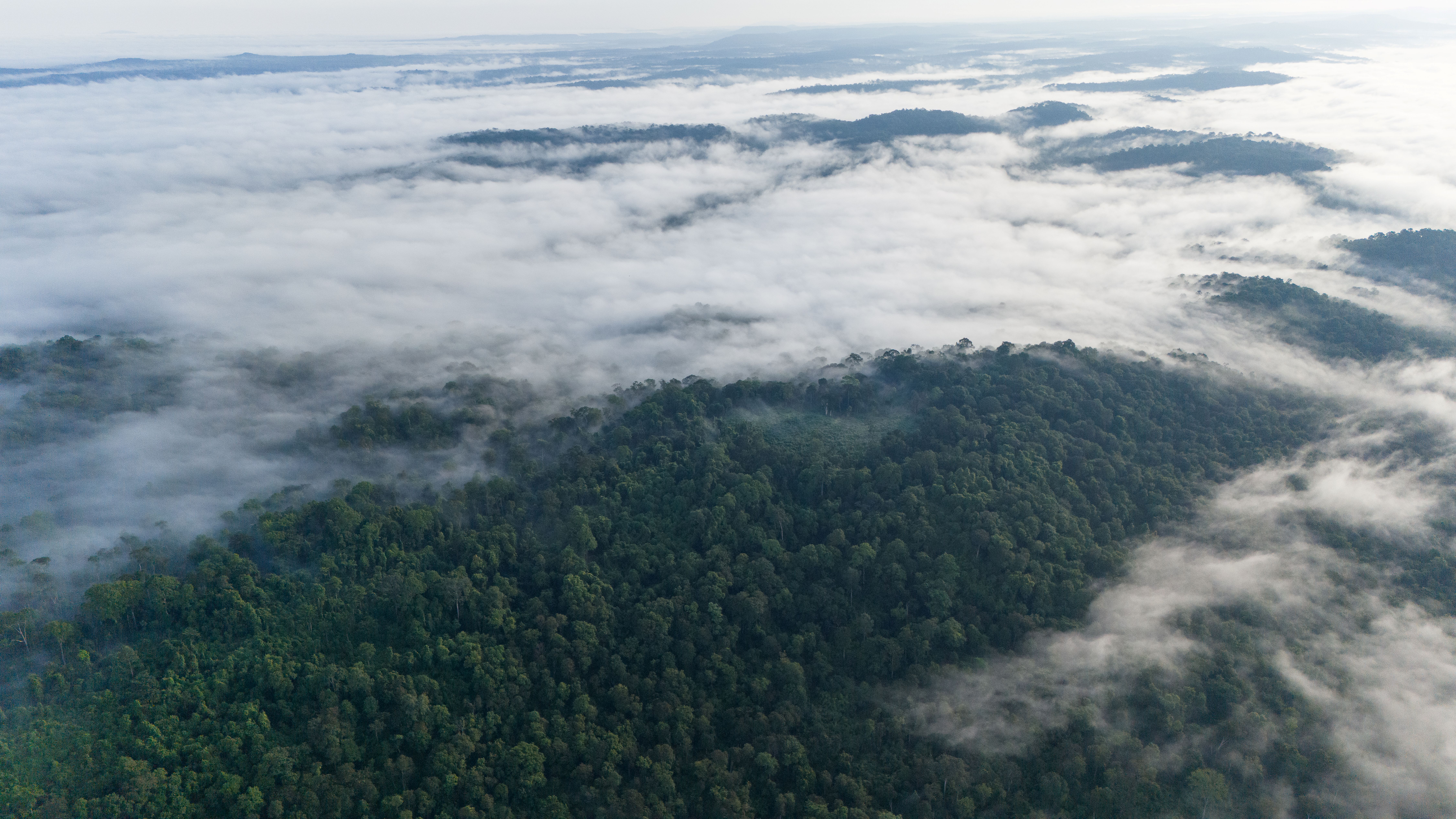
1. An aerial view of a sacred forest (Brey Ngak) protected by the Bunong community of Pu Kong
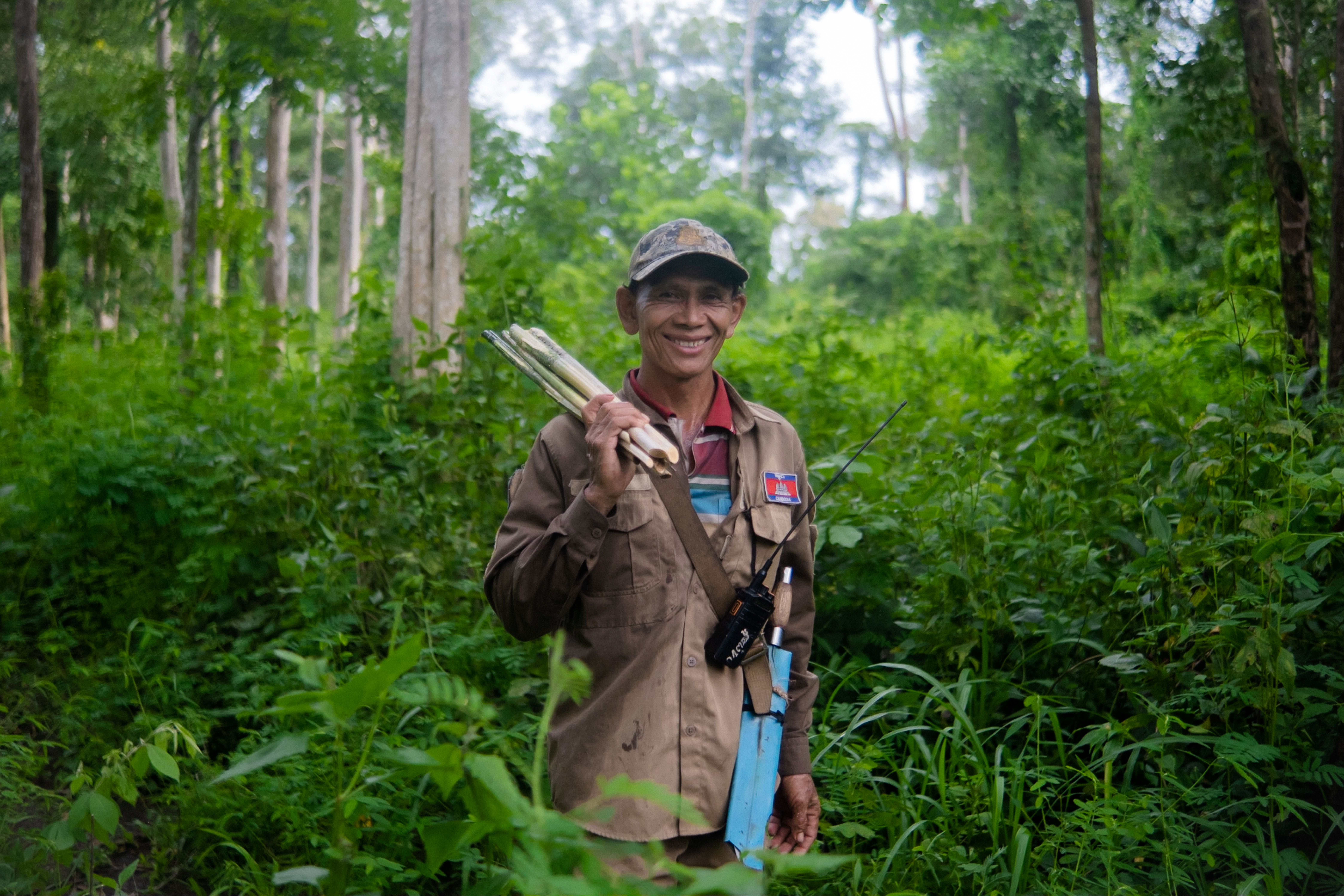
2. Mr Treub Thaeum, the chief of the Bunong Indigenous community at Pu Kong
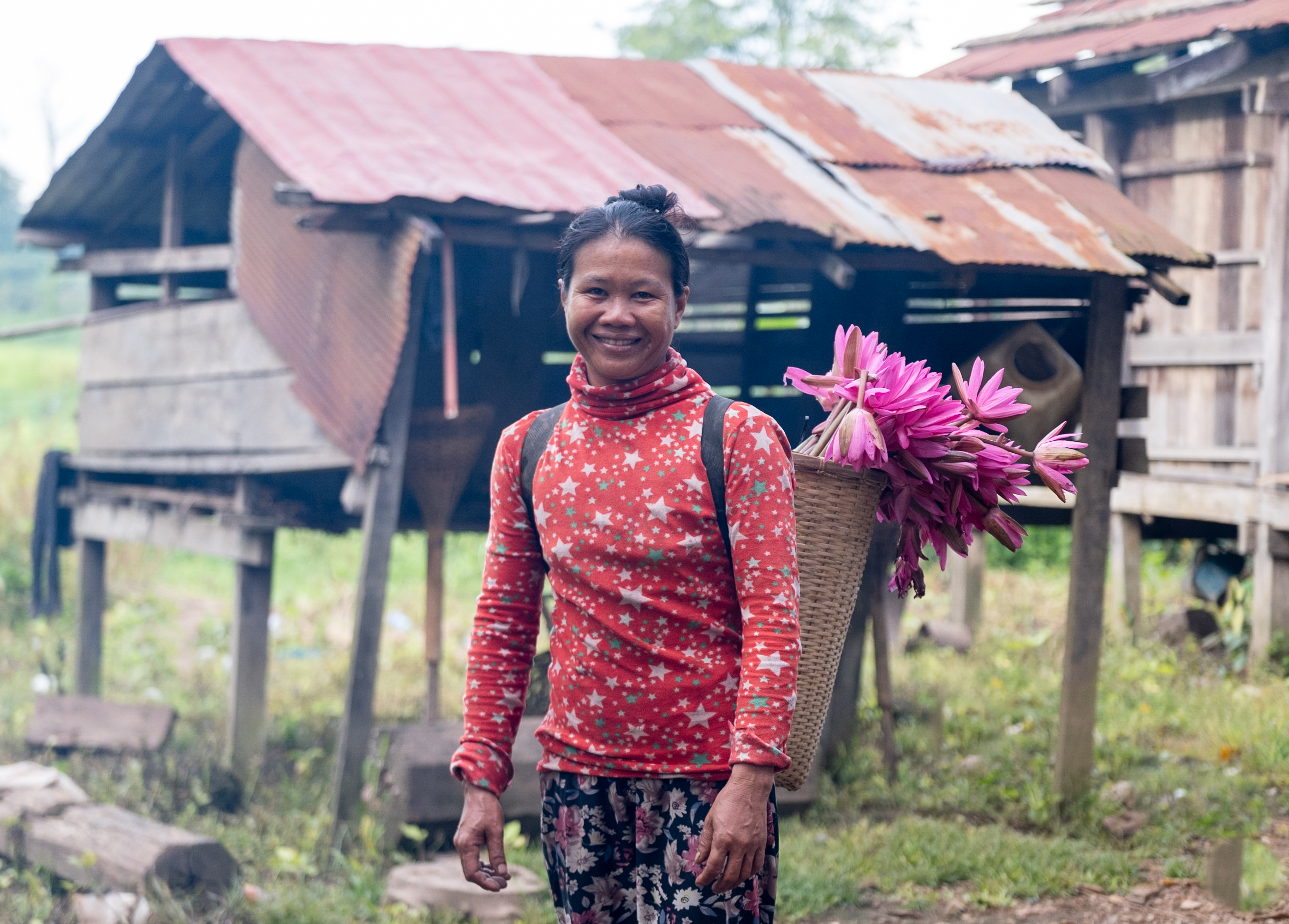
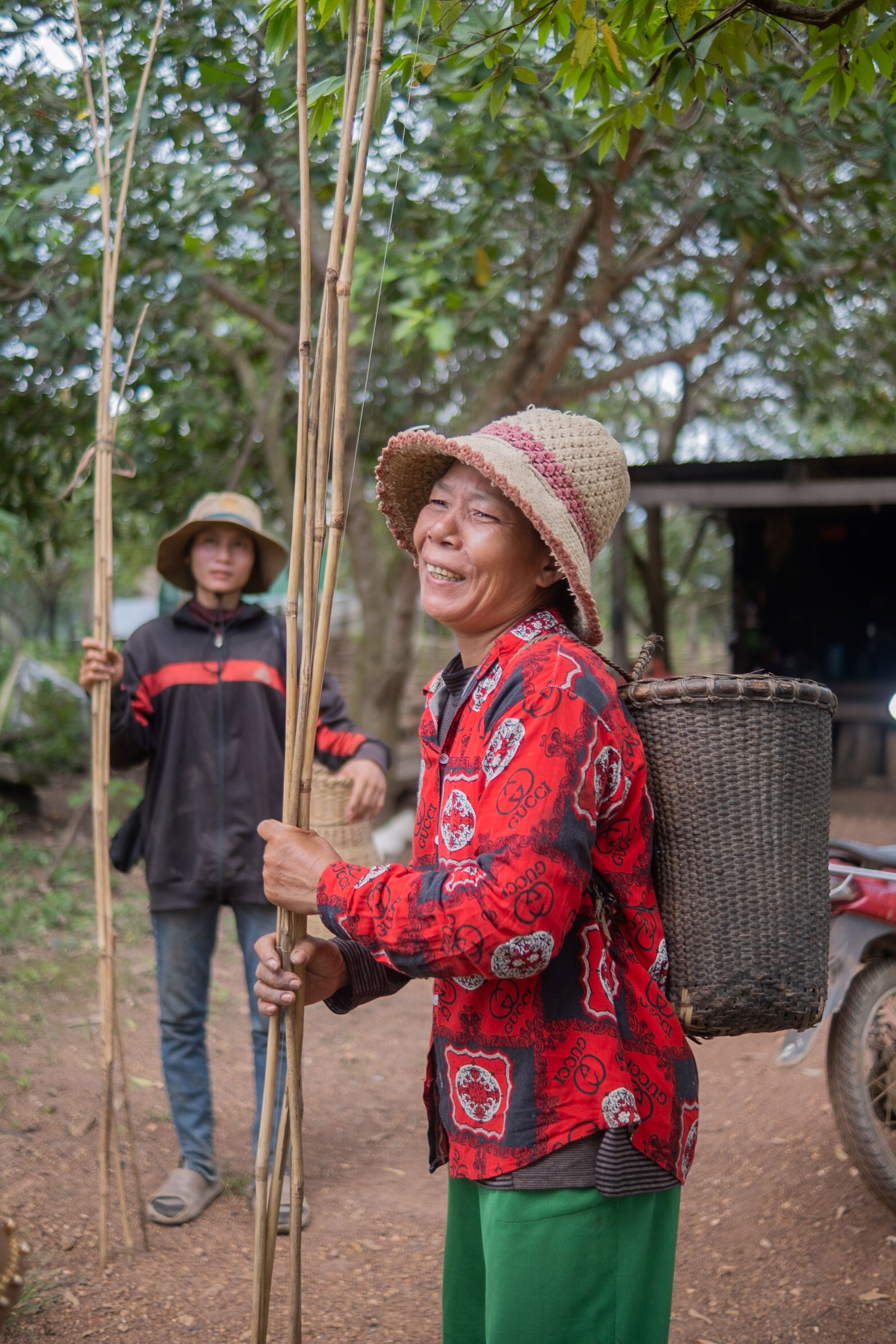
3. A Bunong woman from the Pu Kong community
4. Sam At Rachana and Pin Plil , members of the CIPO research team, with Mr Treub Thaeum during the heritage demarcation activity
5. Pu Kong community members preparing to visit the sacred forest for demarcation
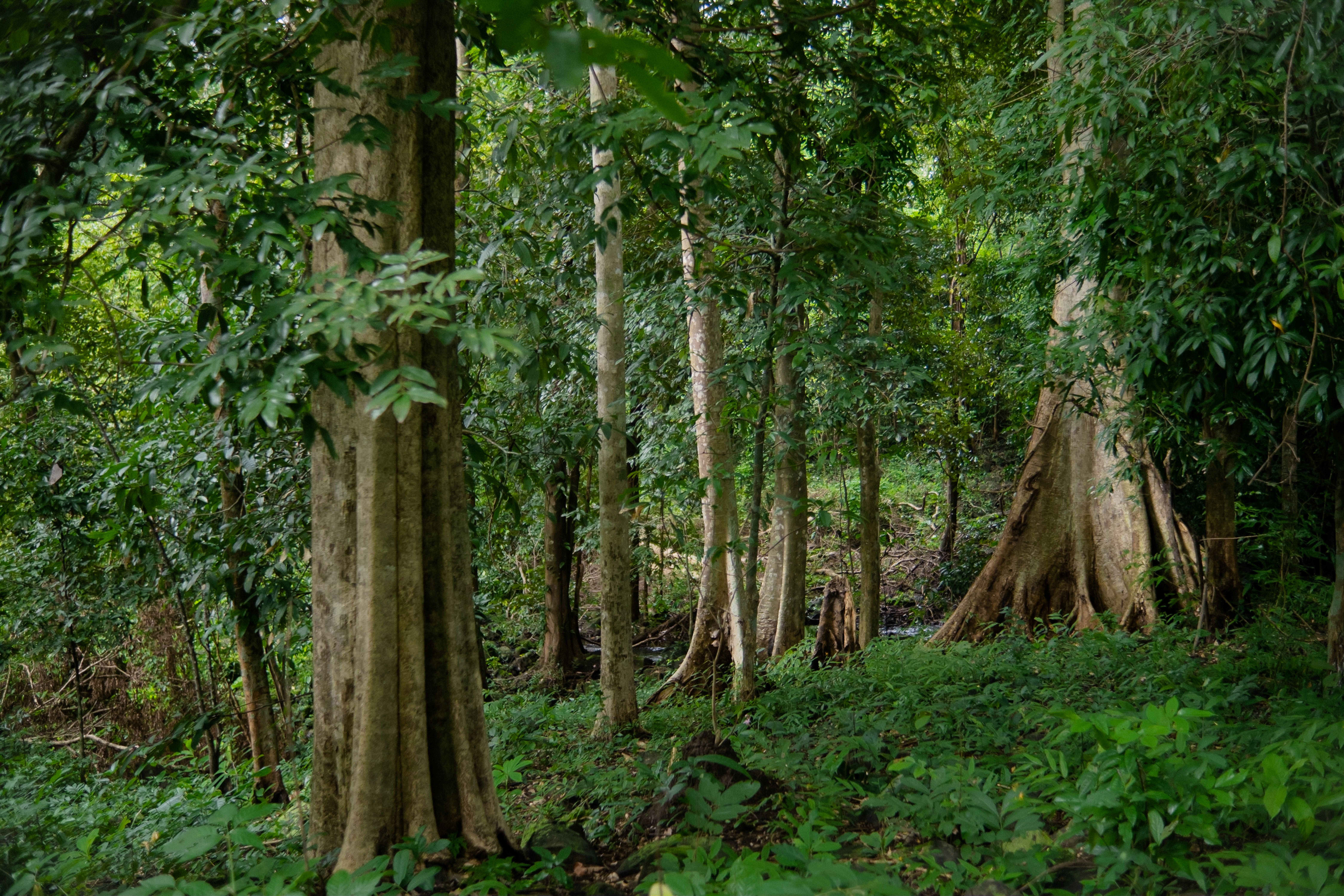
6. Trees in the Bunong spirit forest
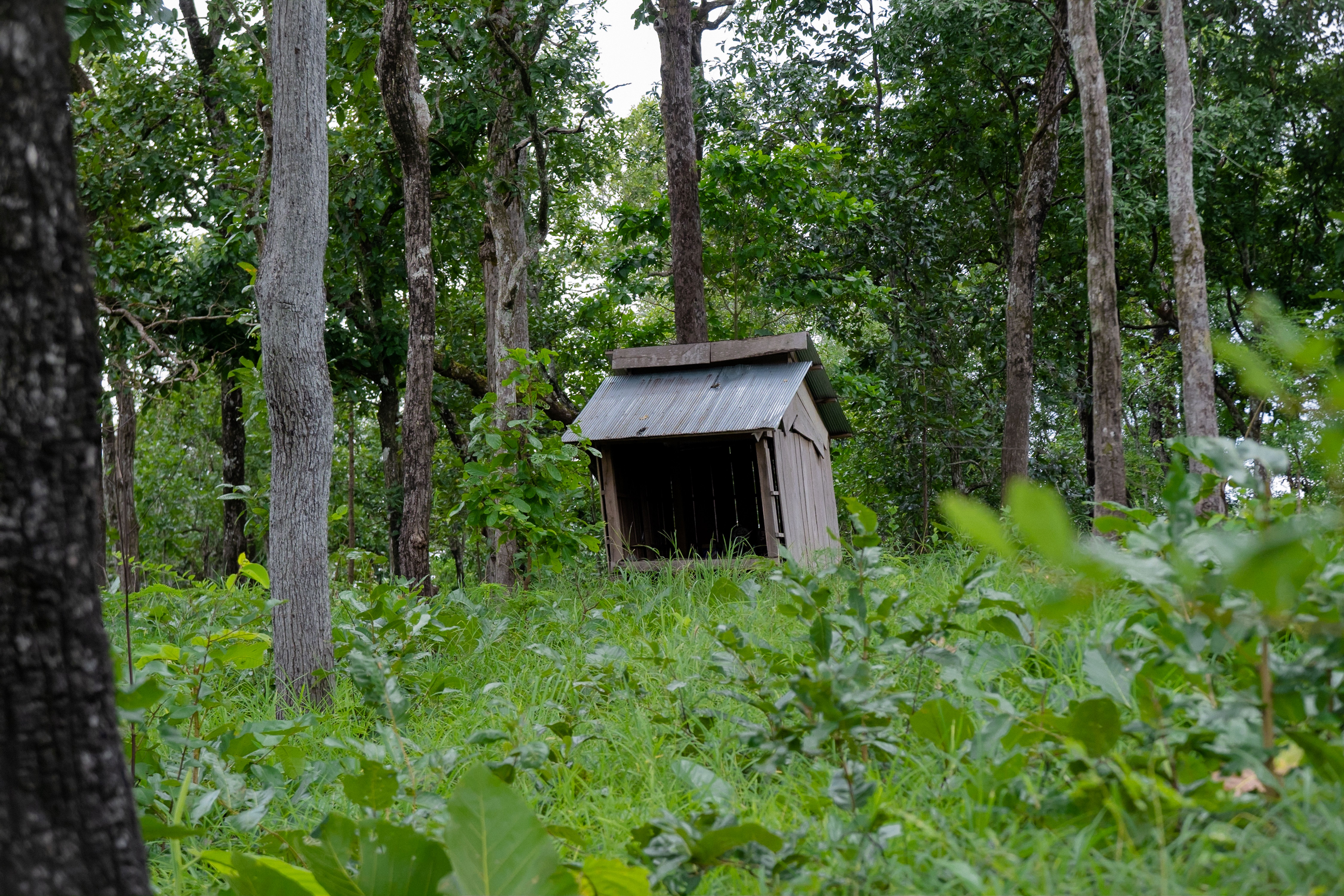
7. A shelter built for the spirits of the sacred forest (Brey Ngak)
8. Trees in the Bunong spirit forest


Turning Biodiversity into Livelihoods: Lessons from West Kalimantan’s Peatlands 

In Indonesia’s West Kalimantan province, the peatland forest around Pematang Gadung village holds the memory of fire, logging, and mining—but also the promise of renewal. Once scarred by extraction, this landscape is now at the center of a growing effort to make biodiversity itself a source of income and pride for local communities. 

During her October visit, GCBC’s Anna Adamczyk observed both the promise and the practical challenges of turning biodiversity into a measurable and tradable community asset.


A New Currency for Nature 

Unlike extractive commodities such as timber or palm oil, biodiversity credits place ecological health at the core of the economy. Each credit represents a verified improvement or sustained enhancement in species diversity or habitat quality, measured over time through transparent, science-based methods.

As Harry Tittensor from Plan Vivo describes, they provide a “certified positive contribution to nature.”

These credits can be traded on voluntary markets, channelling funds to those who restore and protect natural ecosystems. Under the Plan Vivo Nature Standard (standard for biodiversity credits), at least 60 percent of the revenue from credit sales must go directly to local communities.  

In West Kalimantan, biodiversity credits are moving from theory to practice. Supported by GCBC through the BREL-Borneo project led by the Royal Botanic Garden Edinburgh, the October workshops brought together the Plan Vivo Foundation, Biometrio Earth, YIARI, and local communities. Together, they’re helping Pematang Gadung villagers certify biodiversity credits for their 7,000-hectare Village Forest – a peatland ecosystem protected for nearly a decade and home to endangered orangutans, proboscis monkeys, and rare wetland flora.


Learning by Doing in the Peatlands 

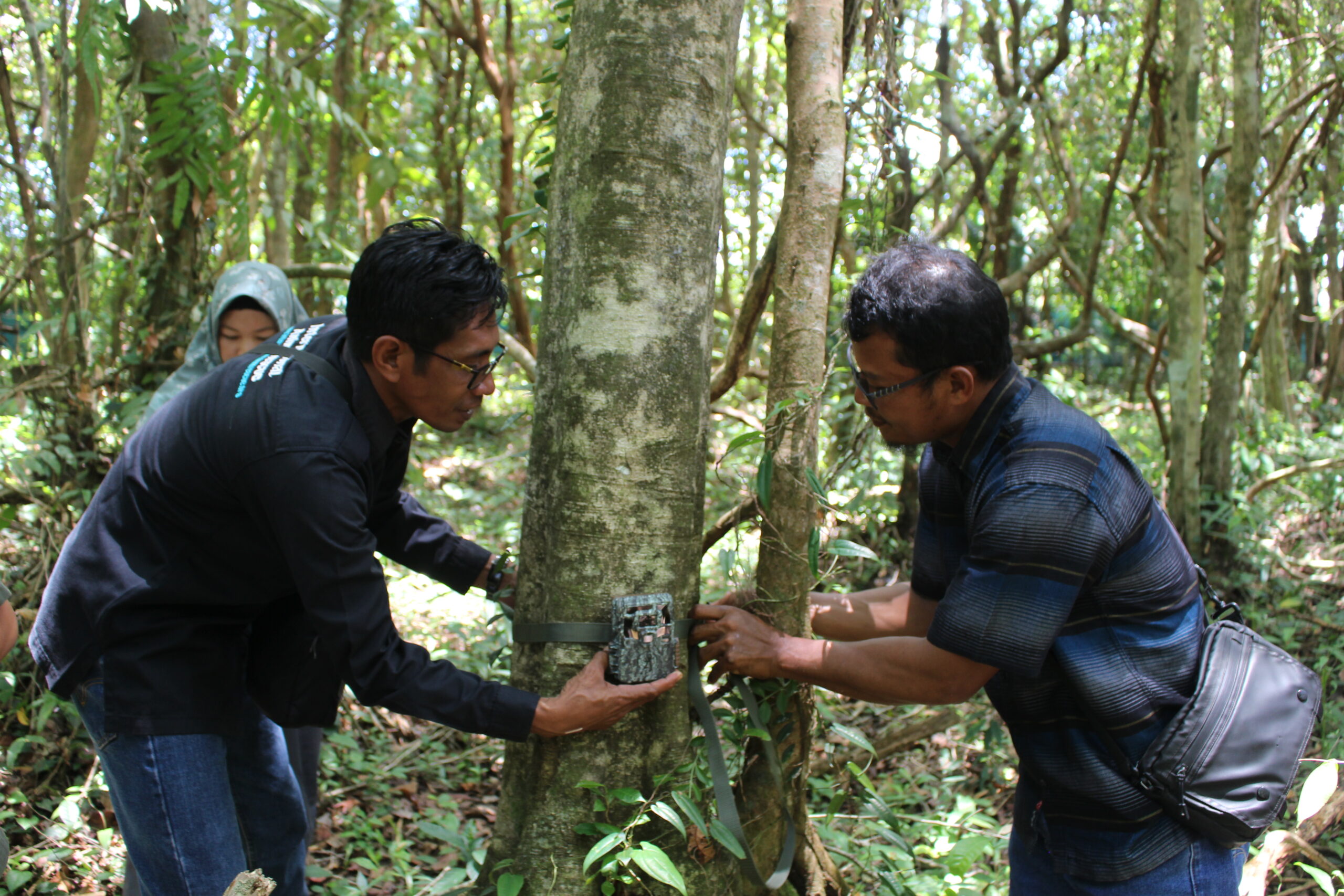
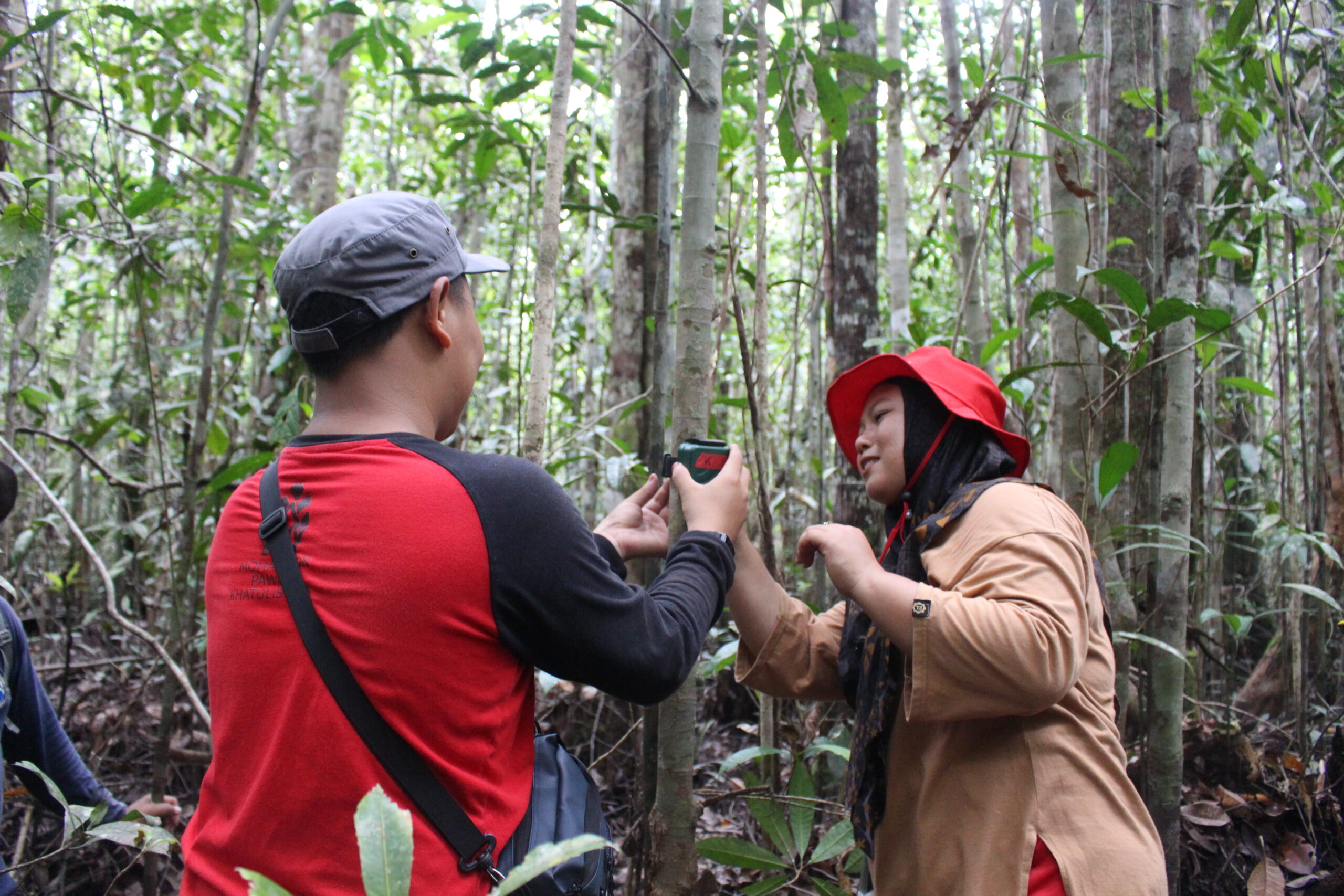
At the YIARI Learning Center, participants explored how robust data collection underpins the verification of biodiversity credits. Led and organised by Plan Vivo, the workshop provided technical demonstrations on monitoring methods. As part of the pre-deployment phase, participants set up camera traps and acoustic sensors in the nearby forest. Each project collects species and habitat data annually, tracking indicators such as species richness, diversity, and overall habitat health.

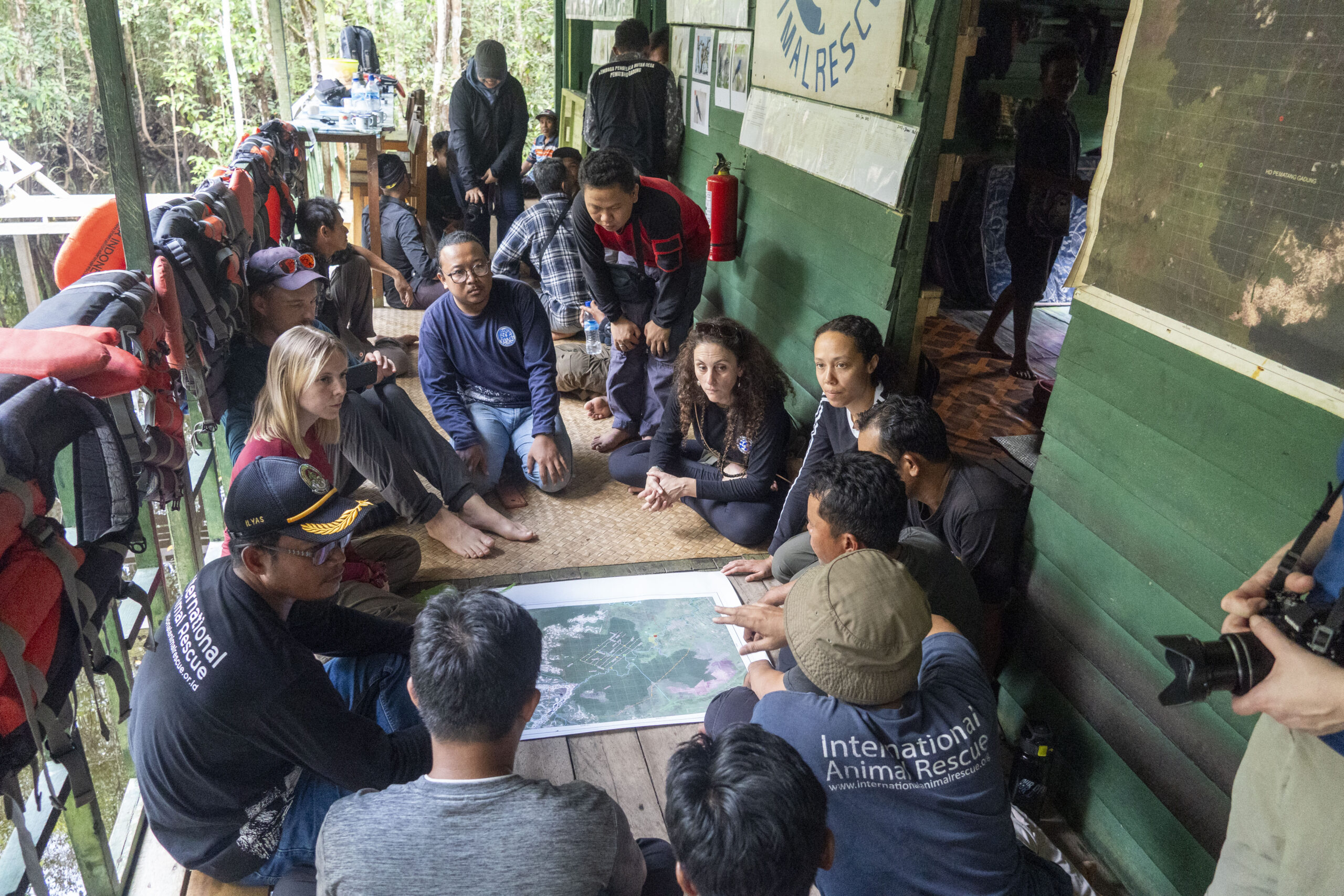
Community members were active participants, contributing thoughtful reflections to discussions. Ilyas, Head of Koperasi Mandiri Pematang Gadung Sejahtera, the cooperative co-developing the project together with the Pematang Gadung Village Forest Management Unit (LPHD Pematang Gadung)emphasised that “It’s important for us to clearly understand the process so we can explain the tangible benefits of biodiversity credits back to our community.” 

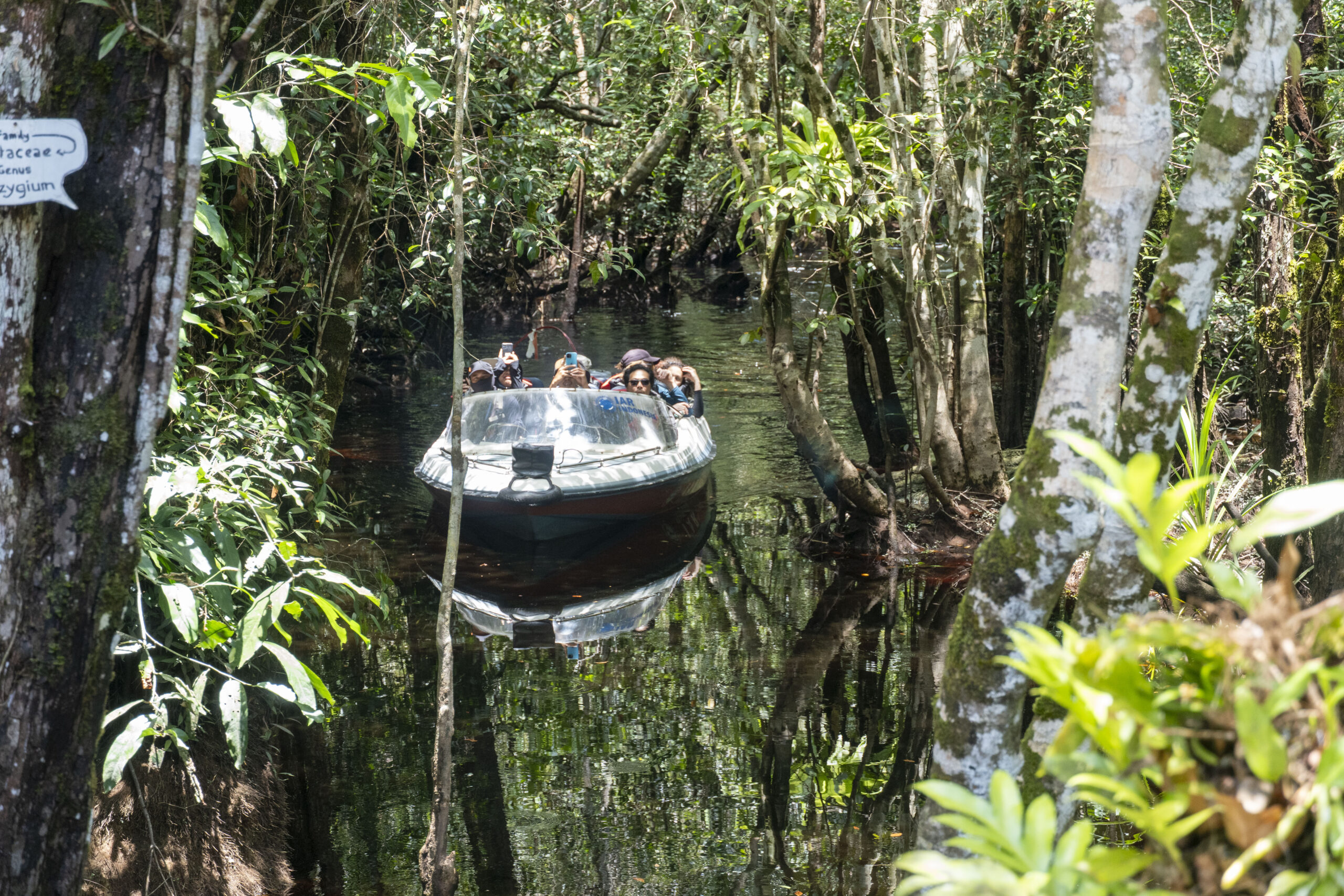
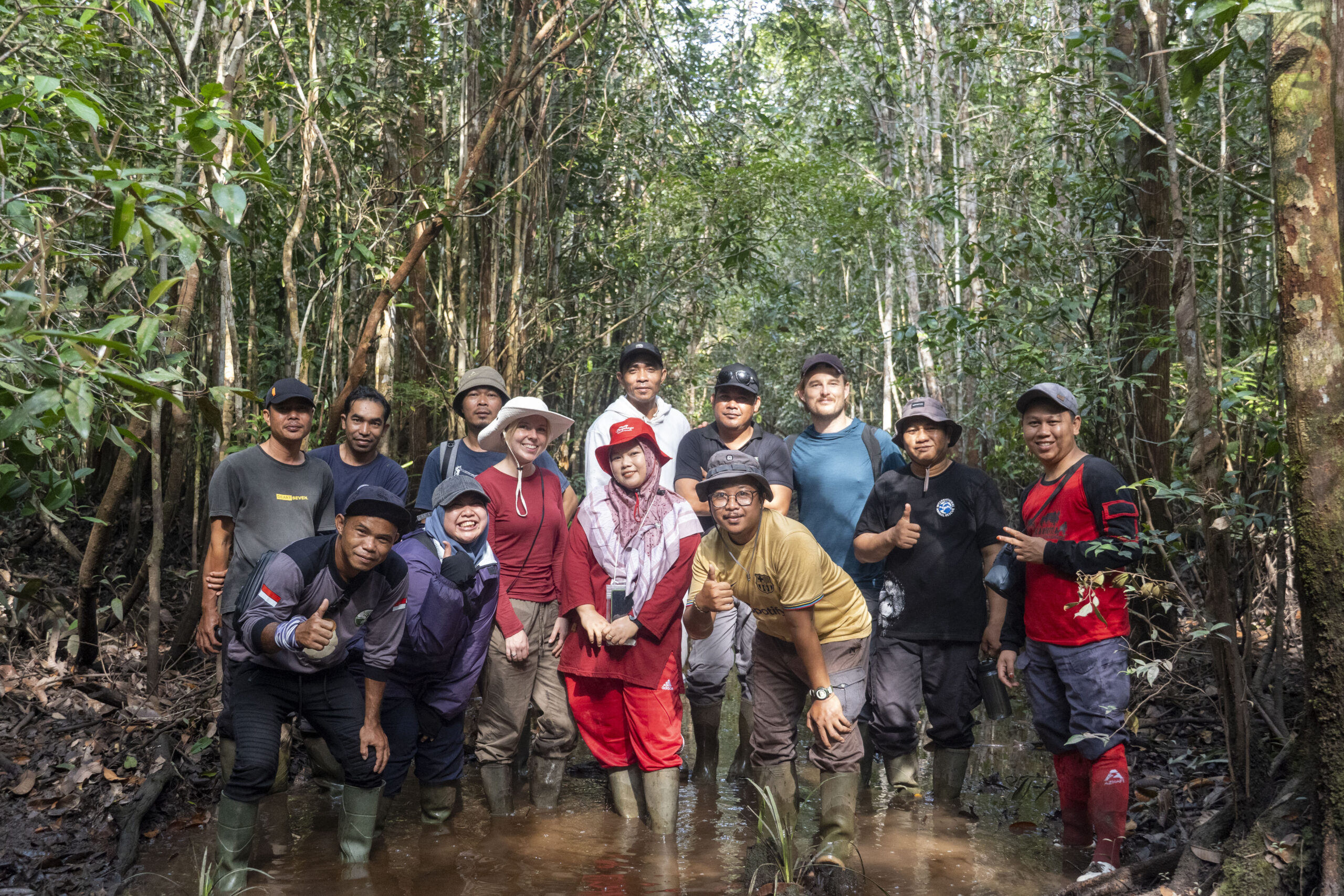
Later, participants travelled by boat to the Pematang Gadung conservation station, accessible only through the waterways – to test their new skills in a real ecosystem and meet members of the local forest patrols. The long-term goal is for more and more members of the local community to take on forest restoration, wildlife monitoring and patrolling roles, thereby shifting the local economy from an extractive to a regenerative model.

Bridging the Finance Gap 

One of the clearest messages from the workshop was that, from the perspective of small community projects, biodiversity credit certification can be seen as complex and expensive. Costs include expert validation, field data collection, equipment, and baseline surveys. Once the baseline is established, projects enter a two-year monitoring period before the first biodiversity credits can be issued and sold. During this time, communities must maintain operations and collect data without guarantee of income. 

As YIARI’s NBS Senior Lead, Dr. Dorothea Pio, explained, the financial gap between early action and the eventual issuance of biodiversity credits remains one of the biggest challenges. Sustaining field activities throughout this period also requires genuine leadership and commitment from the village. 
Even after credits are obtained, uncertainty persists – long-term financial viability depends on the maturity and strength of the emerging biodiversity credit market. As Dorothea reflected, “The long-term success of the project will in large part, depend on how highly the global community values these critical ecosystems and their biodiversity and whether that value can compete with other market forces.” 

The solution emerging in Kalimantan is partnership. These collaborations show that lasting conservation grows from relationships of trust and shared learning, not just funding streams or policy frameworks.

From Challenge to Opportunity 

The solution emerging in Kalimantan is partnership. Organisations like YIARI act as technical advisors – helping communities navigate the process of obtaining biodiversity credits, secure early-stage funding, and manage transparent reporting. These collaborations show that lasting conservation grows from relationships of trust and shared learning, not just funding streams or policy frameworks. 

Plan Vivo, as the certifying organisation, also seeks to address these earlier-mentioned challenges by prioritising accessibility, participatory approaches, and community empowerment within its standards to ensure communities can access finance and take ownership of implementation. 

The experience in Pematang Gadung highlights that, while bridging the gap between early action, credit issuance, and the eventual sale of credits is challenging, it also opens the door to a more sustainable future.

Ultimately, the lessons from Kalimantan point toward replication and scaling—informing best practices for other community forests, peatlands, and marine ecosystems. Encouragingly, other organisations from the region have also joined the workshops to explore how biodiversity credits could support conservation in their own ecosystems.

……………………………………………………………………………

This report was written by GCBC’s Anna Adamczyk and published with the kind permission of Royal Botanic Gardens, Edinburgh, Plan Vivo and YIARI.

Follow the link for more on our BREL-Borneo project: BREL-Borneo: Benefits of Biodiverse Restoration for Ecosystems and Livelihoods in Borneo


Image credits: All photos were taken by Anna Adamczyk, GCBC, and Pahjar Riudha and Indrawan from YIARI. 

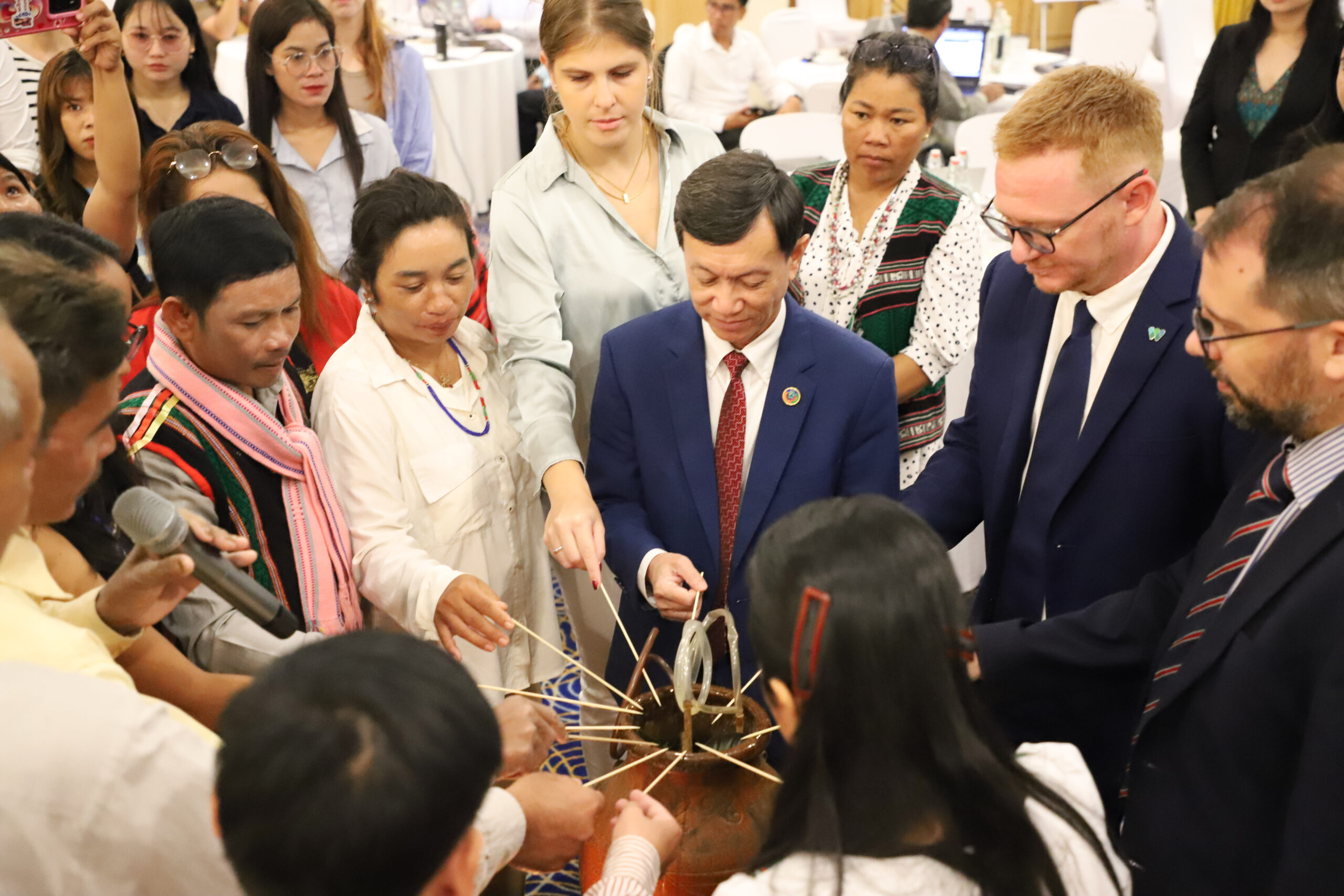
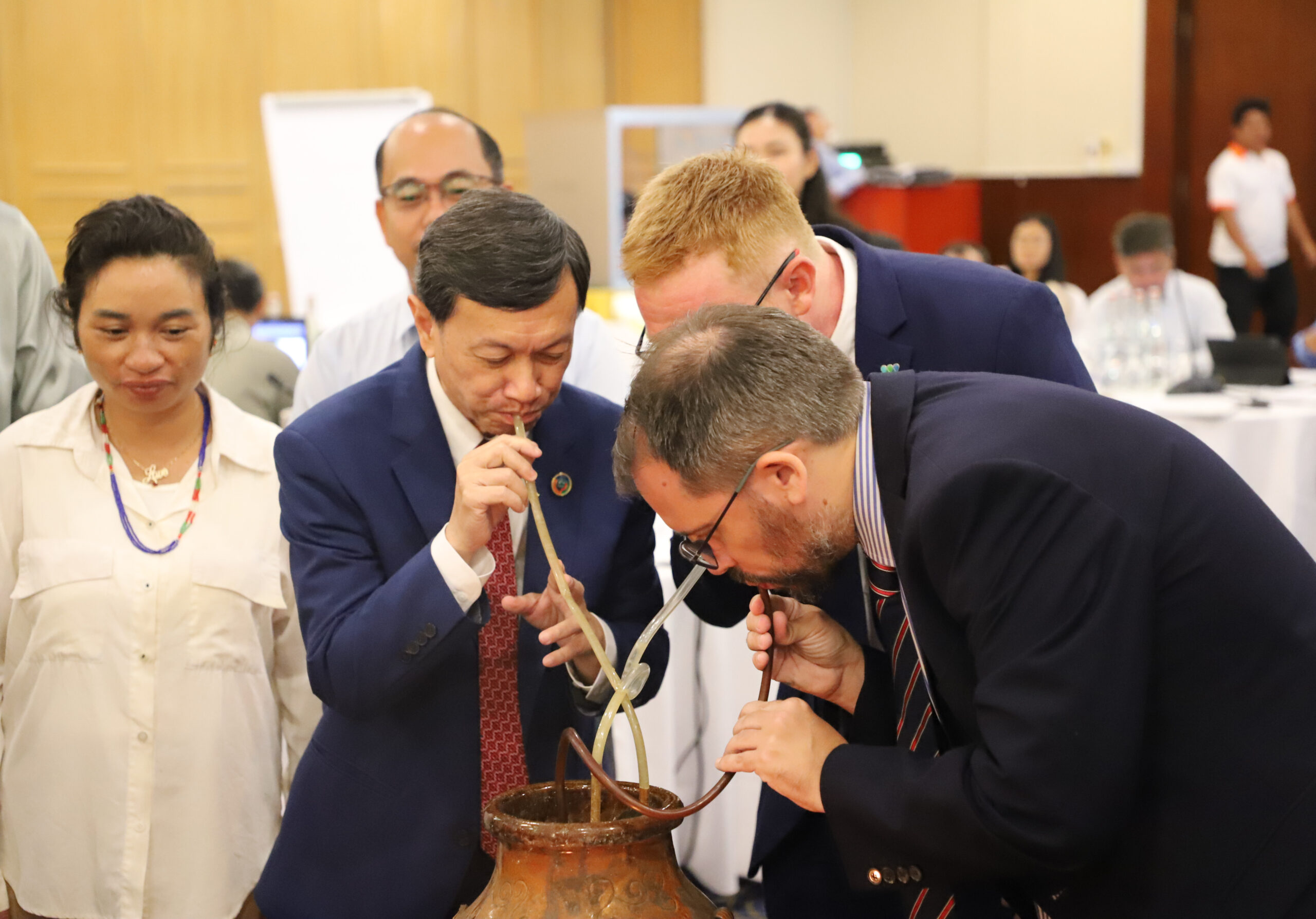
Image 1: Busran and Pak Ilyas from Koperasi Mandiri Pematang Gadung Sejahtera (KMPGS) are placing camera trap on a tree for biodiversity monitoring. 

Image 2: Analysis of biodiversity data with Biometrio Earth and the local community. 

Image 3: Testing deployment of biodiversity monitoring tool before going to the field.

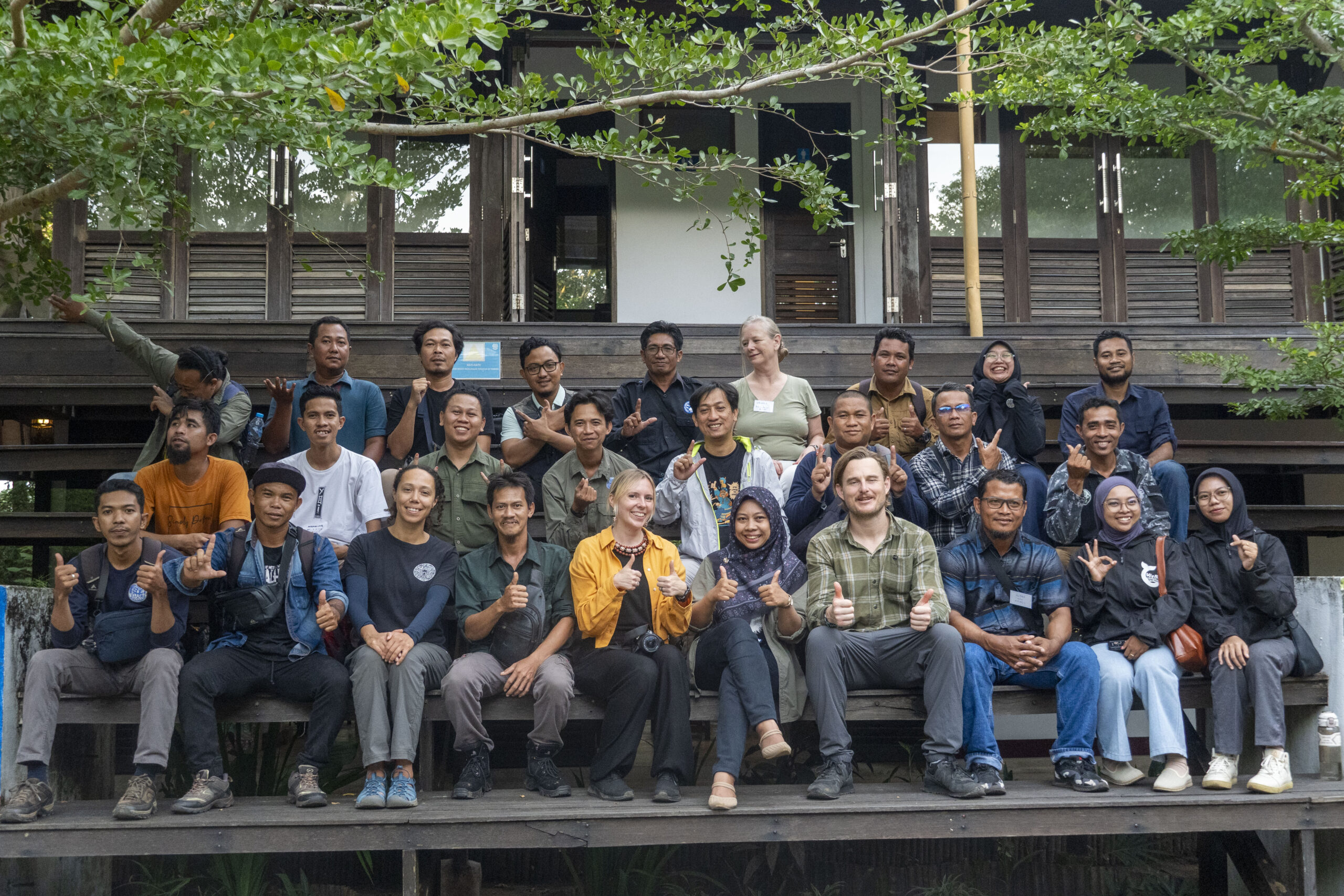
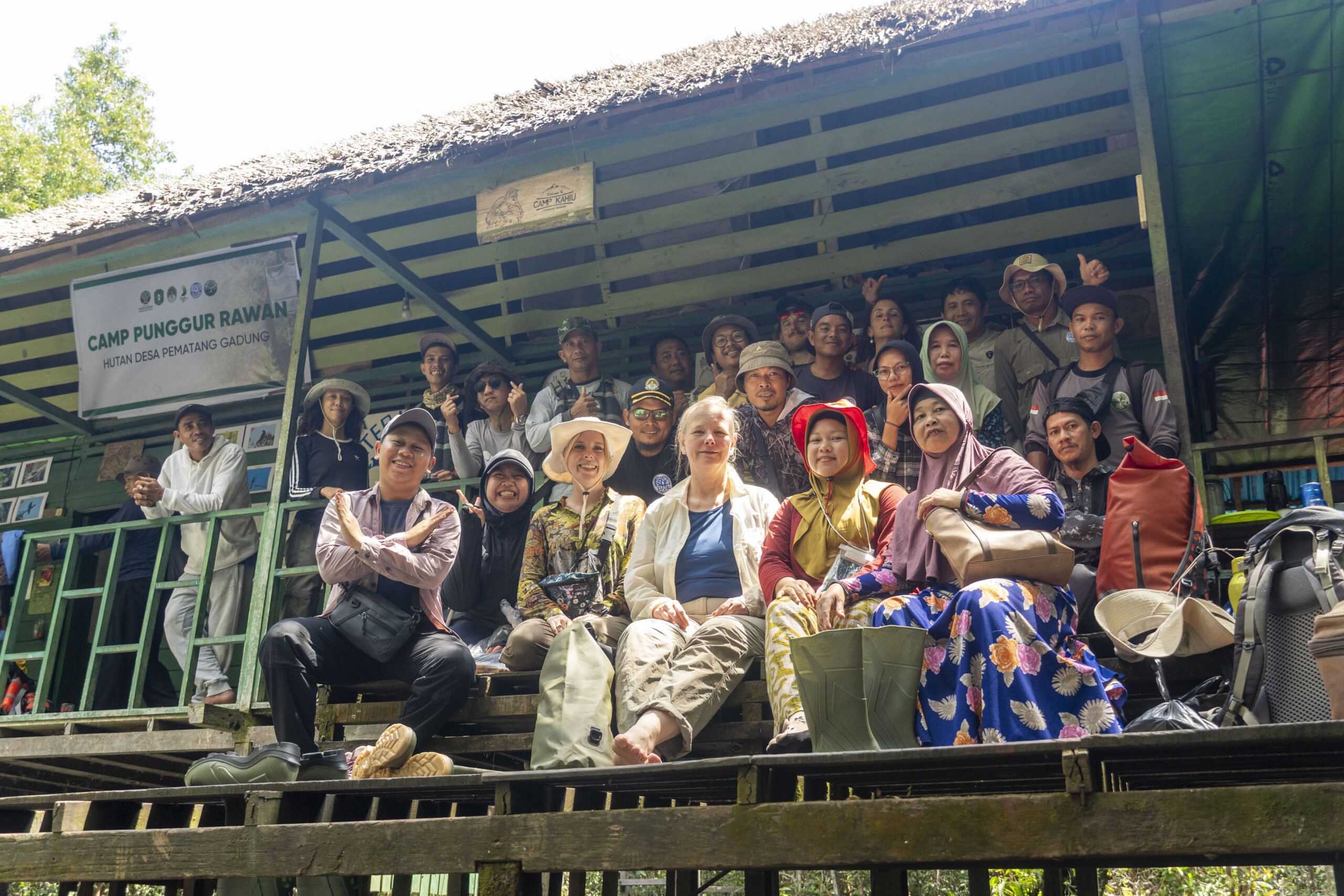
Image 4: Group picture of workshop participants, representatives of Plan Vivo, Biometrio Earth, Koperasi Mandiri Pematang Gadung Sejahtera (KMPGS), Village Forest Management Unit (LPHD), GCBC, Konservasi Indonesia, WeBe and GCBC.

Image 5: Pandi and Jaka after successfully installing audiorecorder in peatland forest.

Image 6: Jaka and Icha from Koperasi Mandiri Pematang Gadung Sejahtera (KMPGS) installing audiorecorder in the peatland forest.

Image 7: Participants arriving in Pematang Gadung Conservation Station.

Image 8: Katus, Camp coordinator is introducing project area to participants.

Image 9: Local community with Plan Vivo and GCBC after successfully installing camera traps and audiorecorders in peatland forest

Image 10: Biodiversity credits workshops participants in Pematang Gadung Conservation Station. 


Saving Lake Sofia: From Rescue to Restoration in Madagascar

Wednesday 27 August 2025 marks the UN’s first-ever World Lake Day, celebrating the vital importance of the conservation and sustainable development of lakes, as well as the many benefits lakes provide, from recreation and livelihoods to climate regulation.

For this first World Lake Day, Mark Grindley of the Wildfowl and Wetland’s Trust (WWT), a GCBC delivery partner on the Following the Water project, shares the remarkable story of Lake Sofia.

Lake Sofia is one of a handful of relatively isolated freshwater lakes in the remote uplands of north-west Madagascar and is home to a wealth of endangered and endemic species. During their research, the team faced an unexpected challenge – one that led to the lake’s extraordinary rescue and the restoration of a thriving ecosystem for both people and wildlife.

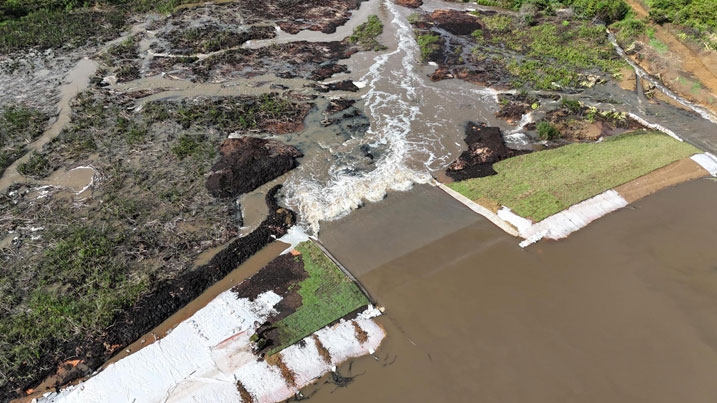
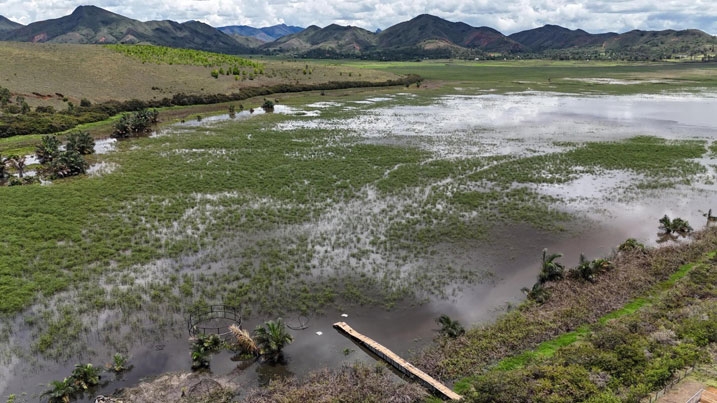
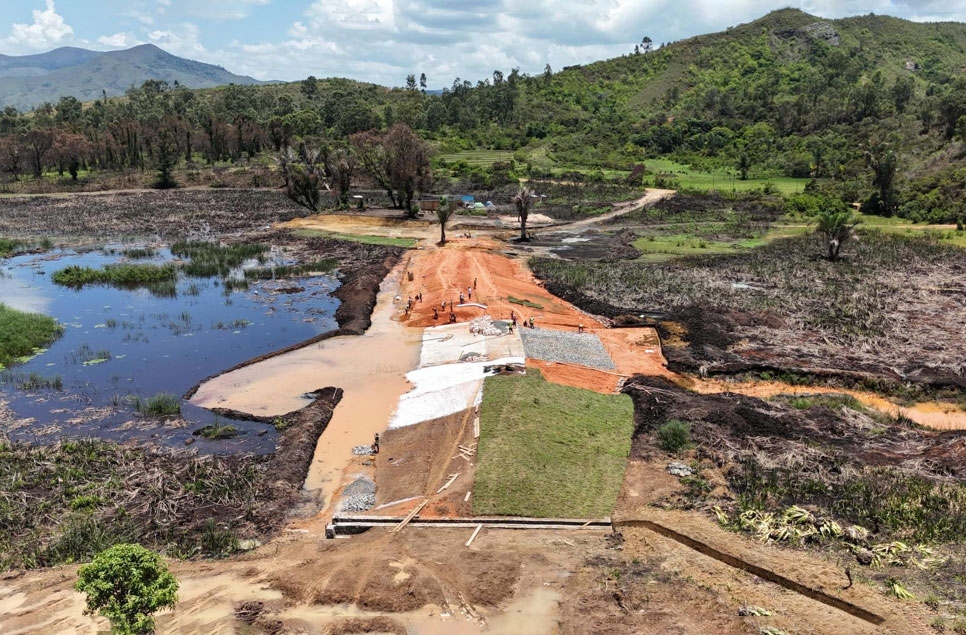
A series of images of Lake Sofia, captured before the dam’s collapse and during its reconstruction. Photos courtesy of WWT and Durrell Wildlife Conservation Trust (2025) © Durrell Wildlife Trust are the official site management authority for Lake Sofia as recognised by the government.


What a Difference a Year Makes!

This time last year, Lake Sofia – a Ramsar site in north-west Madagascar and a key research site for WWT’s current GCBC project, Following the Water – stood at the brink of disaster.

In January 2024, torrential rains had caused the near collapse of the lake. A narrow drainage channel became a breach 120 metres wide, and the water began gushing away. By June, the lake had shrunk by a staggering 90% of its 300-hectare surface area.

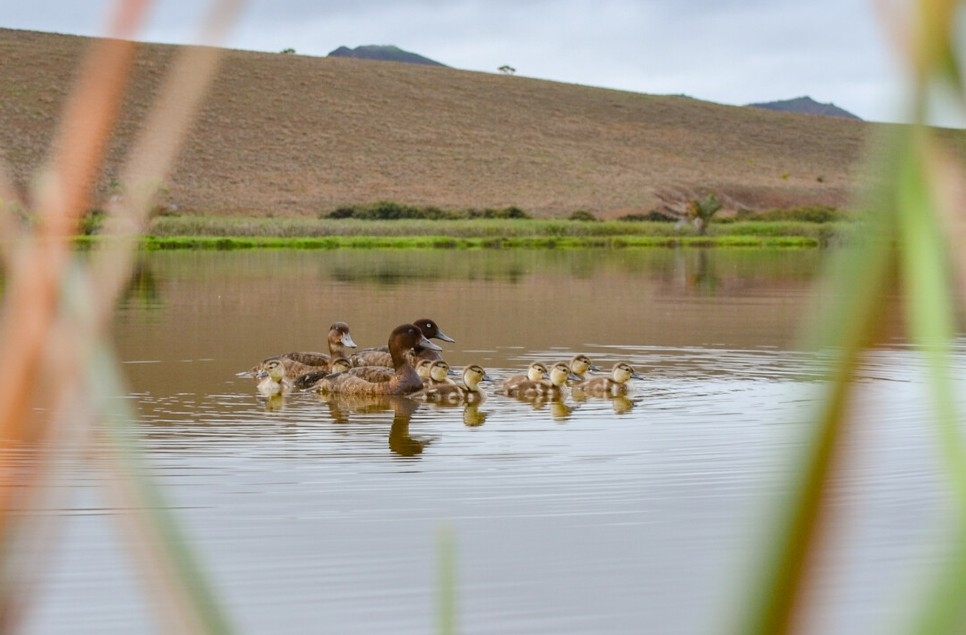
The stakes couldn’t have been higher. Recognised as a wetland of international importance and a biodiversity hotspot, Lake Sofia is home to countless species, including the critically endangered Madagascar pochard, reintroduced to the lake in 2020 by WWT, Durrell Wildlife Conservation Trust (DWCT), the Peregrine Fund, and the Madagascar government.

Listed as critically endangered on the IUCN Red List, the Madagascar pochard is one of the rarest ducks in the world. Although the total number remaining in the wild is unknown, the Sofia population is almost certainly the largest single community of its kind.

Over time, unsustainable farming and water management practices had put pressure on the lake, leading to poor water quality, rising temperatures, and heavy sedimentation, all of which reduced the Pochard’s ability to feed. WWT and our partners had been working together with local communities to improve the wetland for both people and wildlife.

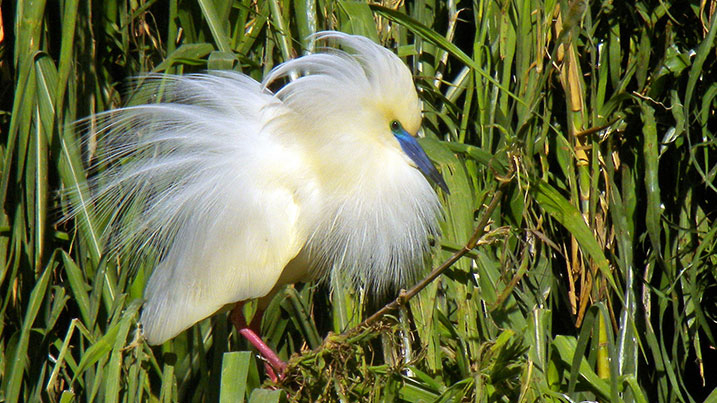
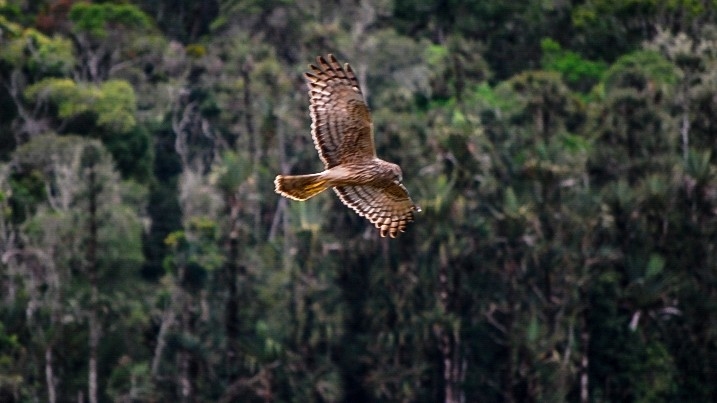
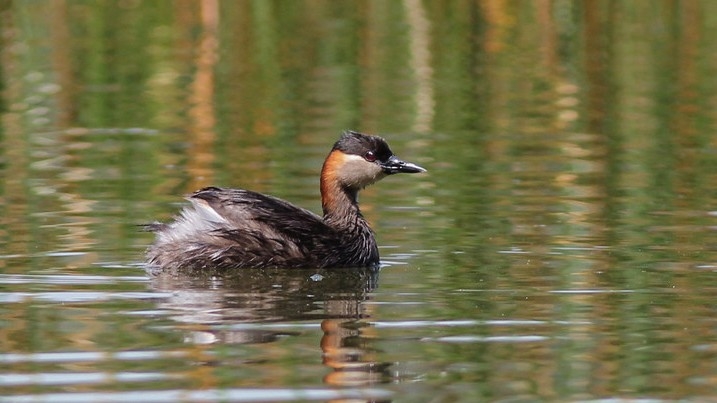
Image 1: A group of Madagascar pochard swim into view (WWT).  Image 2: The Madagascar pond heron – a timid species at home on Lake Sofia but is still classed as ‘Endangered’ on the IUCN global Red List. Image by Agami Photo Agency Image 3: Madagascar harriers are impressive but in decline due to loss of habitat – currently classed as ‘Vulnerable’ by the IUCN. Image by R E Lewis (WWT) Image 4: Madagascar grebes, like many grebe species, are also in decline. Image by Debbie Pain (WWT).


For local communities, too, the loss of the lake would have had dire consequences. Around 10,000 people depend on Lake Sofia for their livelihoods. The lake provides food and income for local fishers and is a vital source of water for growing food, irrigating rice fields and for the farms downstream. As water levels dropped, wells began running dry. Community members were forced to walk four kilometres just to fetch drinking water.

We had to act fast, before the lake was lost forever.

In collaboration with the Durrell Wildlife Conservation Trust, local and national government and community groups, we worked with local and international engineers to design a new dam, and launched an emergency appeal to fund it. Our brilliant supporters stepped up, and with a considerable contribution from a new emergency grant from the Critical Ecosystems Partnership Fund (CEPF) we were able to raise more than £110,000.

Construction started in December 2024, and in just 100 days the 140-metre barrier was complete. The solution was simple but effective: a low-tech earth embankment reinforced with riprarp (rocks) and concrete overflow channel to prevent future erosion. Two channels at either end will enable irrigation downstream. Designed and built by local construction company CEDRE, the dam will be owned and operated by the local community.

Now, at the end of the rainy season, Lake Sofia is fully replenished and the Madagascar pochards have returned.

The ecological collapse of Lake Sofia would have had catastrophic consequences for people and wildlife. We’re grateful to everyone who made this swift intervention possible – including the community resource management groups, the local government authorities and our generous donors. Thanks to their support, we can look forward to a thriving future for Lake Sofia and the people and wildlife who depend upon it.

Harison Andriambelo, WWT’s Country Manager in Madagascar

For WWT and our partners, the loss of Lake Sofia also meant delays to our Nature-based Solutions (NbS) research. Communities, understandably, were focused on the immediate crisis: the loss of livelihoods and, in the worst case, their only reliable freshwater supply. While the emergency dam has restored the lake and safeguarded these needs, it’s important to stress that the problem isn’t entirely solved. Built under immense time pressure, the dam still requires further work, and Lake Sofia remains a powerful case study of the impacts of climate change.

Next Steps

For the project, Lake Sofia now offers a unique opportunity to learn about lake restoration. Working closely with local communities, the aim is to re-establish papyrus, lilies, and other macrophytes – the foundation of the food chain that supports fish, waterbirds, and especially the pochards. Almost all of this vegetation was lost when the lake drained, and restoring it will be key to building a resilient future for both people and wildlife.

…………………………………………………………………………………………………….

Report by Mark Grindley, Wildfowl and Wetlands Trust

Following the Water is a Wildfowl and Wetlands Trust (WWT) led GCBC research project, which uses interdisciplinary and participatory research to uncover the causes of wetland degradation in Madagascar. The project develops practical interventions to tackle the main drivers of wetland loss and poverty, while also exploring transformative strategies to help communities adapt to climate change.

Weaving Transformative Resilience and Active Hope: An Alliance in the Face of Climate Change in the Gran Tescual Indigenous Reservation

The inclusion of Indigenous Peoples is essential to protecting global biodiversity and is central to GCBC’s mission of advancing climate resilience through nature.

Colombia, one of the world’s most biodiverse countries, harbors around 10% of global biodiversity within just 0.7% of Earth’s surface. With ecosystems under growing threat, the sustainable stewardship of Indigenous territories, rooted in Indigenous knowledge, leadership, and rights, is crucial to safeguarding both ecological and cultural heritage

Corporación CIASE, in partnership with the Gran Tescual Indigenous Reservation of the Pasto People, is leading a research initiative to protect local ecosystems, enhance community well-being, and support biodiversity conservation. A recent key output of the project, the Illustrated Botanical Guide to the Gran Tescual Reservation, documents the region’s rich plant diversity and presents ancestral knowledge as a valuable resource for education and conservation.

To mark the International Day of the World’s Indigenous Peoples and to celebrate the guide’s release, CIASE members have contributed a special article, reflecting on their collaboration with the Pasto community and the role of ancestral knowledge in shaping inclusive, sustainable climate action.

…………………………………………………………………………………………………………………

The following article was written for GCBC by Corporación CIASE. 

In today’s world, increasingly affected by the accelerating climate crisis, there is an urgent need to seek collective paths that challenge excessive consumerism, while teaching us about care and empathy for the world’s finite natural resources.

The alliance in Colombia between Corporación de Investigación y Acción Social y Económica (CIASE)—a feminist and mixed-gender organisation—and the Pan-Amazonian Indigenous Reservation of Gran Tescual, inhabited by the Pasto people, forms part of this collective search. This alliance has been consolidated through years of equitable collaboration and the implementation of various initiatives, the most recent being the development of the Climate Plan for the Reservation.

In this process, research oriented towards biodiversity protection and the integration of Indigenous knowledge to preserve biocultural heritage (see The Botanical Guide of the Gran Tescual Resguardo) has opened space for reflections on the safeguarding of strategic ecosystems such as the páramo (high treeless plateaus), food sovereignty, and gender dynamics.

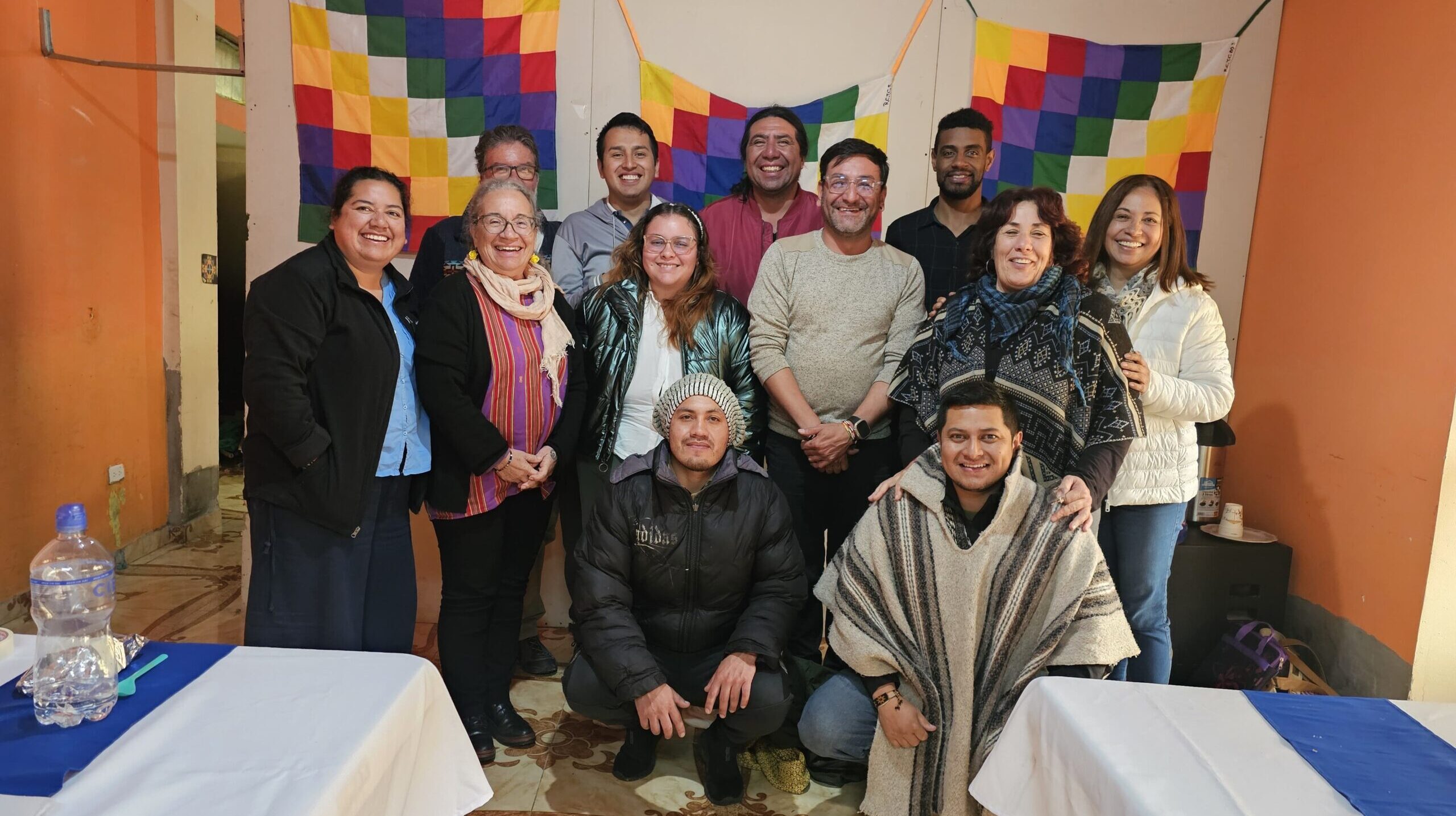
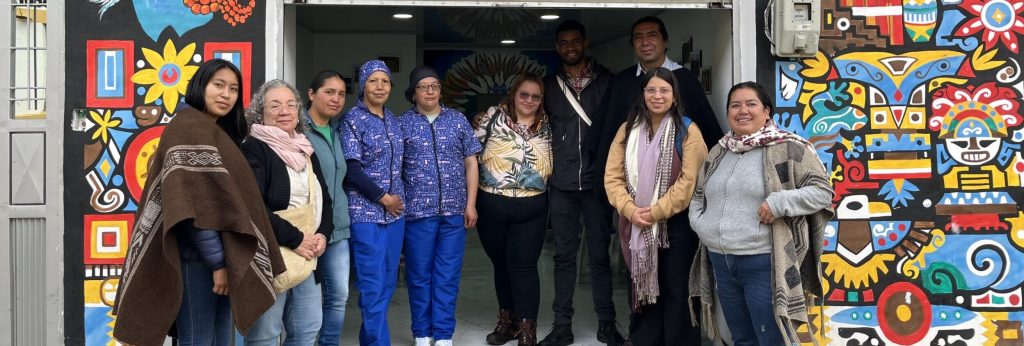
Image 1 shows women from the Pasto community outside their restaurant initiative in the resguardo, with Daniela Torres,  Mama Genith Quitiaquez,  Taita Vicente Obando, Ricardo Ibarguen, Wendy Toro and Rosa Emilia Salamanca from Corporación de Investigación y Acción Social y Económica (CIASE). Image 2 shows the full CIASE team: Mama Genith Quitiaquez, Rosa Emilia Salamanca, Wendy Toro, Germán Niño (behind) Fredy O Chávez, Taita Vicente Obando, Angel E Gamboa, Patricia Luli, Ricardo Ibarguen, Maria Cristina Umbarila and Felipe Imbacuan.


Indigenous knowledge and feminist perspectives can walk together and contribute to building futures that are more just, more inclusive, and, above all, allow such transformations to become more embedded in the daily lives of communities.

— Wendy Toro, CIASE Researcher

Extractive industries, agricultural expansion, megaprojects and internal armed conflicts in our country have been historical obstacles to ensuring the quality of life for communities facing multiple forms of exclusion—such as Indigenous peoples, women, and others whose identities have been placed in positions of denial and oppression.

This unfolds within a broader context shaped by Western modernity, which has influenced how we relate to and make sense of the world. These ways of thinking have also informed scientific approaches, which, have at times led to an instrumental perspective on the environment, where everything is seen as a resource.

It is at this juncture that CIASE’s approach centered on gender justice and the Indigenous knowledge of the Pasto People interweave to form an inspiring proposal. In order to understand the roots of today’s climate crisis, this alliance brings the gender–environment intersection to the forefront.

It raises fundamental questions: To what extent does the association of weakness with the feminine—viewed as something to be possessed—sustain and justify violence against women and, to a large extent, against nature? And how does the notion of masculinity as a dominant and possessive force reflect itself in the extractive practices that destroy and exploit vital ecosystems? [1]

Feminism still feels like a somewhat foreign approach. In the Pasto community, it’s often mocked or seen as a loss of manhood—as if men are being feminised. [However], through the feminist lens, we’ve begun to raise awareness about economic mistreatment, and I find it quite striking how an approach like this can bring about transformation and change.

— Taita Vicente Obando, Indigenous Governor of Gran Tescual

Promoting women's participation isn’t just about creating a space for women—it’s about creating a better environment for the entire community. And in that sense, feminism can say: this is not only a struggle for women, it is a struggle for society as a whole.

— Mama Genith Quitiaquez, Authority of Gran Tescual

This experience has also been a space where everyday encounters and practice challenge the illusion of objectivity and the idea of a single truth. It demands situating knowledge, decolonising research processes, and recognising the legitimacy of Indigenous self-governance. This has allowed for mutual curiosity and learning, enabling the weaving of life experiences and knowledge towards a heartfelt construction of peace within the Colombian context—through active listening.

The synergy of knowledge systems, perspectives, and identities—even those within a single person—resonates with the relationship between the Andean and Amazonian ecosystems that converge in the Gran Tescual Reservation. From this interaction emerges abundant biodiversity and essential ecological processes that maintain the balance and vitality of both regions.

The Indigenous knowledge of the Gran Tescual Reservation offers a deeply relational vision, where spirituality, community and territory are inseparable.

— Daniela Torres, Climate Advocacy Specialist at CIASE

The relationship between CIASE and the Gran Tescual Reservation is not a mere coming together of good intentions – it is a novel construction between differences. Here, the “quality of the relationship” becomes the foundation for facing complex challenges of cultural transformation. This collaboration goes beyond technical support; it is based on building mutual trust through dialogue, and for that to happen, both parties have shown a necessary openness.

Transformation also entails a reworking of everyday and family realities, and that, in turn, shapes how we relate to the territory.”
— Felipe Imbacuan, Researcher from the Pasto People and Municipal Councillor of Puerres

This alliance offers a viable and proactive proposal for addressing the changes brought by the climate crisis from a deeply rooted ethnic and gender analysis—perspectives that challenge historical logics and cultures of discrimination, while calling for the recovery of ancestral thought as a path to restoring the territory.

“This initiative is a powerful and promising pathway to transform power relations in an integral way. It helps build shared visions of peace and drive a deep cultural shift. It is an undeniable intercultural dialogue that weaves together the heart of feminism—one that rejects all forms of discrimination and oppression—with the Indigenous vision of harmony and care for nature and the people who inhabit it, so central to the spirit of Colombia’s Indigenous peoples.”

— CIASE’s Centre for Thought (Patricia Luli and Rosa Emilia Salamanca G.)

Endnote

[1] Questions we have taken from classical ecofeminism.


References

CIASE (2025). Recuperar el pensamiento, restaurar el territorio: Diagnóstico participativo de biodiversidad y medios de vida del resguardo El Gran Tescual. CIASE

Brigitte Baptiste-Ballera (2025). TransEcología: Una guía patafísica para habitar las transformaciones del mundo. Ariel.

Maristela Svampa (2015). Feminismos del Sur y ecofeminismos. Recovered from: https://nuso.org/articulo/feminismos-del-sur-y-ecofeminismo


Discover More: Gran Tescual Indigenous Reservation Climate Plan

Recognising Indigenous Knowledge in Cambodia’s Biodiversity Management

Inclusion of Indigenous Peoples is essential to safeguarding global biodiversity and is central to GCBC’s mission of leveraging biodiversity for climate resilience.

With a global population of over 476 million, Indigenous Peoples play a vital role in sustainability, managing or holding tenure rights to roughly a quarter of the Earth’s surface – regions that contain a significant share of the planet’s biodiversity. While disproportionately impacted by climate change, Indigenous Communities possess deep, place-based ecological knowledge that complements and enhances scientific research.

Recognising their critical role, the UN Convention on Biological Diversity (CBD) includes a dedicated Target 22 to ensure the full and effective participation of Indigenous Peoples. In alignment with this global recognition, GCBC upholds the rights and voices of Indigenous Peoples as a core principle, and as a prerequisite for awarding research grants

The following report has been written by Sam At Rachana, Research Lead, Cambodia Indigenous Peoples Organization (CIPO)

…………………………………………………………………………………………………………………………………………………………………………………….

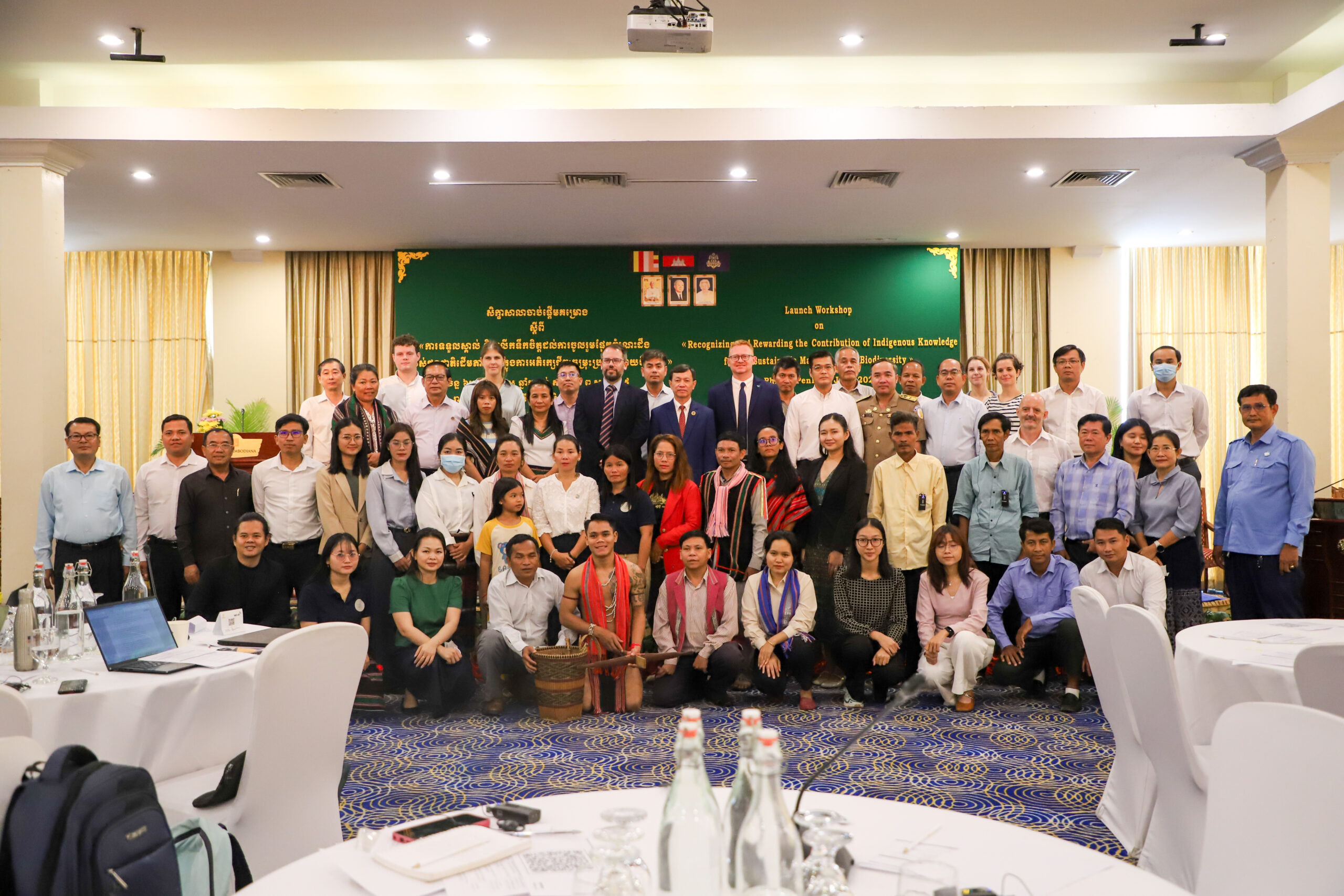
During June and July 2025, Cambodia hosted two significant events to launch the GCBC funded project, “Recognizing and Rewarding the Contribution of Indigenous Knowledge for the Sustainable Management of Biodiversity.” These powerful gatherings connected Indigenous communities, researchers, youth, elders, conservationists, and government representatives in collaborative shared spaces.

As a Bunong Indigenous person and lead researcher for this project, I found these events profoundly meaningful. They were not only a celebration of Indigenous knowledge but a practical step toward inclusive, co-designed biodiversity governance in Cambodia.

For context, the Bunong people are one of Cambodia’s largest Indigenous groups. We have a deep connection to the forest, land, and spiritual world, as reflected in our traditional ecological knowledge and cultural practices, which center on respect for nature and the spirits of the land.

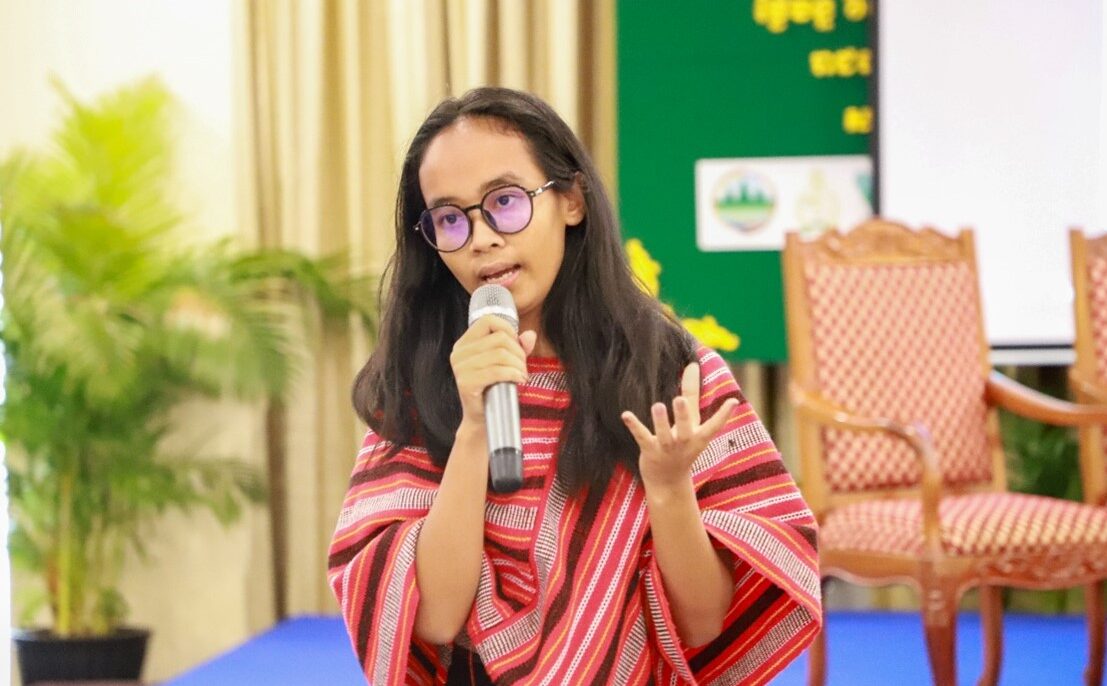
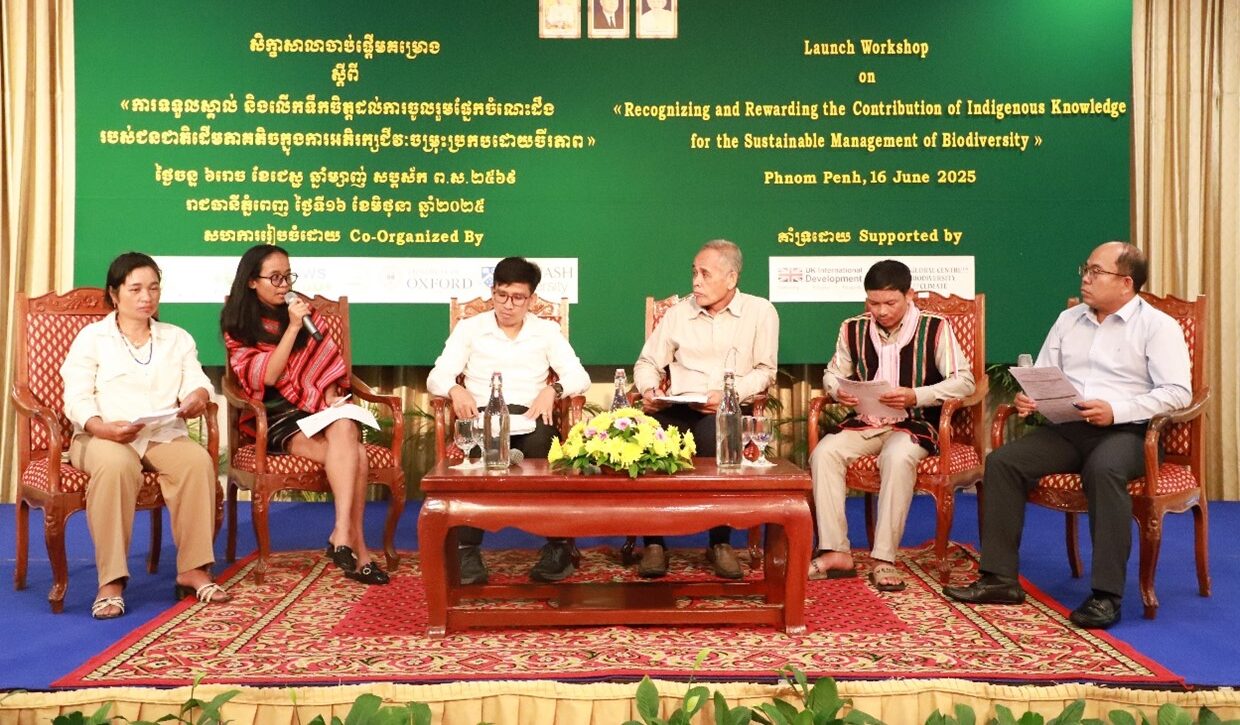
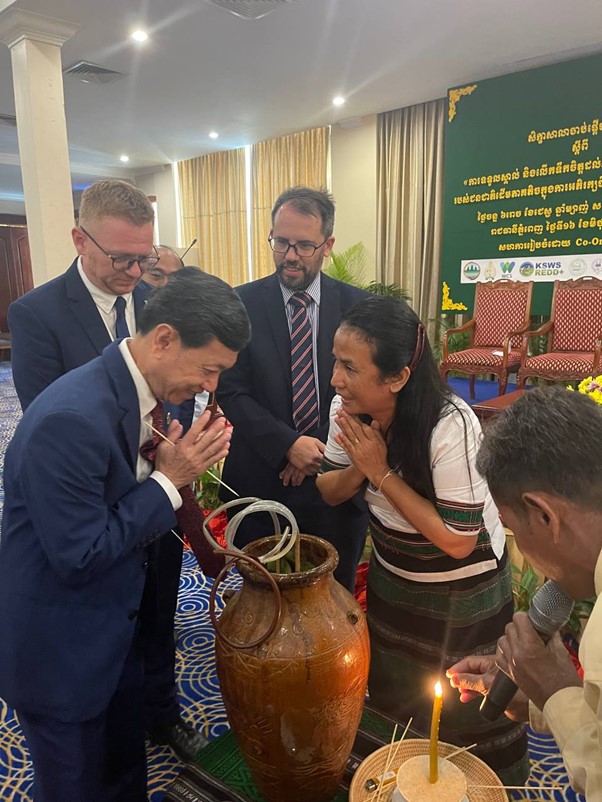
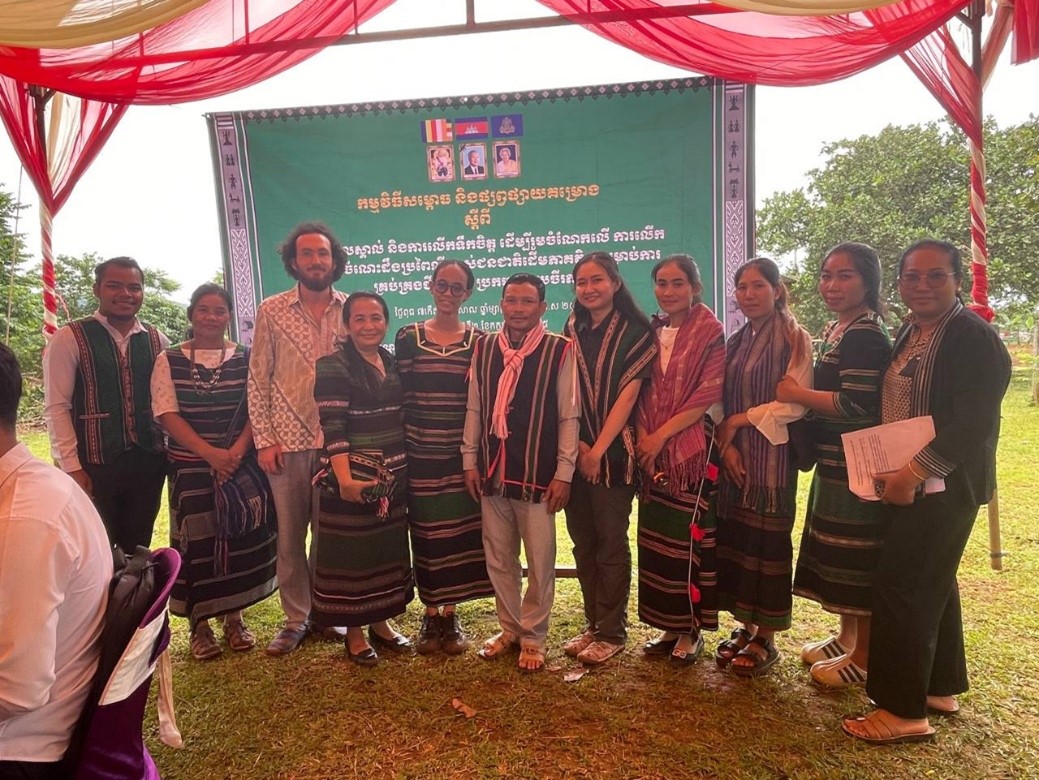
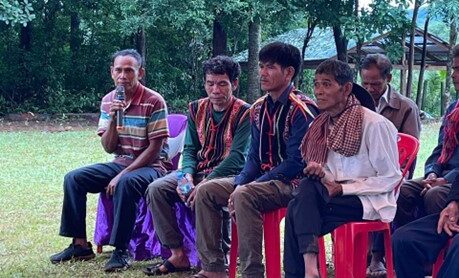
Images show 1) Rachana Sam At, Lead Researcher, CIPO, at the national project launch in Phnom Penh 2) Rachana Sam At, Lead Researcher, with Indigenous elders and government officials during a panel discussion at the project launch event 3-5) His Excellency Chuop Paris, Secretary of State of the Ministry of Environment, greets Mrs Yun Mane, CIPO  Executive Director during the traditional opening ritual 6) Project researchers from CIPO, WCS, and the Royal University of Agriculture, with the Chief of the Indigenous community committee of Andong Kraleung village 7) Elders from Andong Kraleung village sharing their perspectives on the value of traditional knowledge.

This project aims to identify innovative approaches to enhance Indigenous stewardship of biodiversity within the Keo Seima Wildlife Sanctuary by exploring the knowledge and sustainable practices of the Bunong people. It is implemented by a consortium which includes the Wildlife Conservation Society (WCS), the Cambodia Indigenous Peoples Organization (CIPO), Monash University, the University of Oxford, the Royal University of Agriculture, and the Ministry of Environment.


Shared Beginnings

On June 16, 2025, the project launch took place at Phnom Penh’s Cambodiana Hotel. A traditional Bunong ritual, a symbolic act that grounded the project in Indigenous values and ways of being, showcased to all attendees, including officials and international partners, that Indigenous knowledge systems are living and deeply connected to nature.

A special performance by a young Indigenous man, blended traditional song with modern rap, demonstrating the innovative ways Indigenous youth are keeping their culture alive.

Featuring elders from the three participating communities, the panel discussion which followed marked a positive shift. Their direct address to officials, donors, researchers, and other stakeholders provided a crucial moment to address directly officials, donors, researchers, and other stakeholders. They shared stories, concerns, and ideas rooted in community, lived experiences, and ancestral knowledge, reminding everyone that Indigenous knowledge is a living, evolving spirit, passed down and actively practiced.

The active support of the Ministry of Environment added significant weight to the event. Their representatives not only attended but participated, listened, and expressed strong encouragement. One official even offered a three-day training on Participatory Action Research (PAR), that highlighted the potential for collaboration when understanding and respect are present.


Where Knowledge Lives

Following the national launch, a community event took place on July 2nd in Andong Kraleung village. Conducted in the traditional Bunong way, this event was an essential part of the Free, Prior and Informed Consent (FPIC) process, ensuring meaningful and culturally appropriate community engagement from the outset.

The Andong Kraleung launch was particularly special as it took place directly in the village, with the community leading. It began with a traditional Bunong dance performed by local students, a powerful display of cultural strength and identity. Mrs. Yun Mane, CIPO Executive Director, spoke about the importance of documenting Indigenous knowledge before it disappears, highlighting that for the Bunong, the forest is not merely a place but their market, bank, school, and sacred ground.

Dr Emiel de Lange, Wildlife Conservation Society, also shared insights, emphazing that Indigenous peoples have cared for the forest for centuries and possess unparalleled knowledge. He presented examples of documented traditional knowledge from Australia, encouraging the community to continue using their own voices to record their wisdom. This event felt like a strong, community-centered start.


Next Steps

The project will organize consultation meetings with Indigenous communities to identify research questions, clarify study objectives, and co-develop research questionnaires. These steps are crucial to ensure the research is grounded in Indigenous knowledge systems, supports self-determination, and addresses the communities’ real priorities.

Challenges lie ahead, including ensuring meaningful community participation throughout the research, as well as addressing power imbalances.

These recent events have left me feeling inspired, having witnessed elders, youth, researchers, and government genuinely engaging with one another. It reinforced my belief that efforts to amplify Indigenous voices are gaining traction and reminded me why I do this work: to see our knowledge recognized, respected, and rewarded in meaningful ways.

Pathways to Sustainable Agriculture: Insights from LEAF Indonesia in Gorontalo

One of the things that excites me most about this project is the way it brings together local knowledge, based on lived experience of farming communities with formal scientific data and modelling, all in one innovative platform. It’s a rare opportunity to co-create solutions that are both grounded in community realities and speak the language of planning. The strong early engagement from such a diverse group of stakeholders reflects both the urgency of the challenge and the commitment of our brilliant local research team and partners to accelerate progress toward sustainable land use pathways.

Professor Fiona Marshall, Leaf Indonesia Project Lead, Professor of Environment and Development, University of Sussex


On March 13, 2025, Universitas Negeri Gorontalo (UNG) hosted a dynamic workshop as part of the LEAF Indonesia project — Land-Use, Ecosystem, Agriculture, Food Security in Indonesia. This collaborative initiative, involving UNG, Sussex University (UK), and Monash University Indonesia, is dedicated to exploring how land use changes related to Indonesia’s food estate program affect local ecosystems, food security, and rural livelihoods.

The participatory workshop, which brought together 86 participants, 46 in person and 40 online, included researchers, farmers, NGOs, government officials, and students. Together, they examined how Indonesia’s ambitious food estate program intersects with critical issues such as environmental sustainability, spatial planning, biodiversity, and agricultural livelihoods.

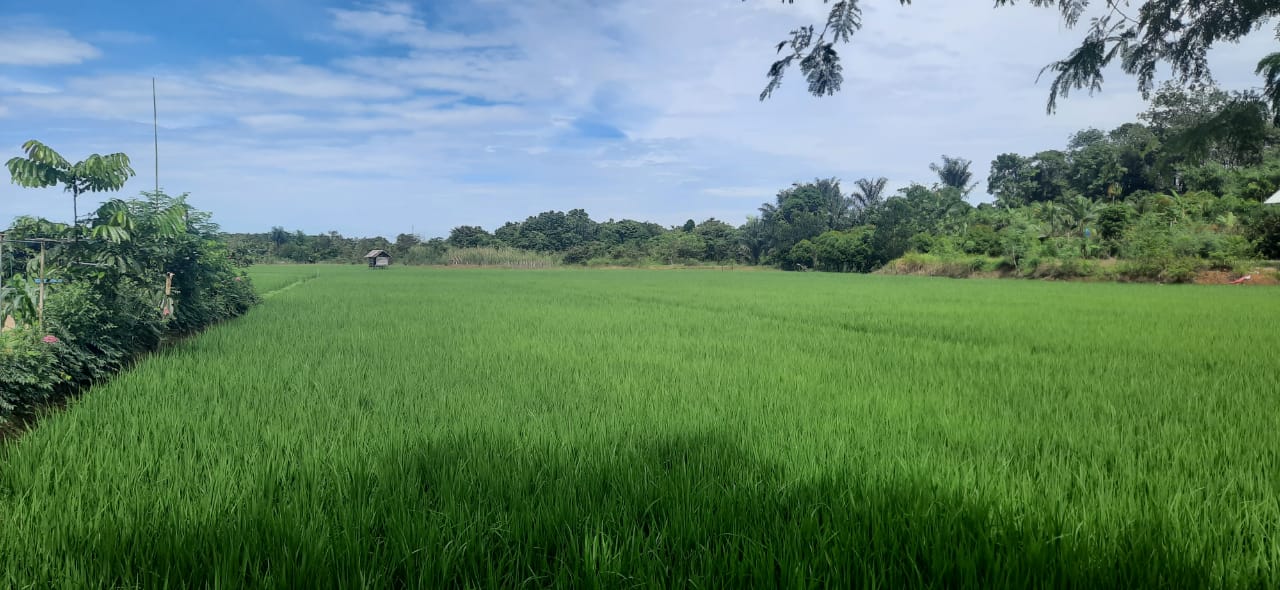
Images shows representative corn monoculture landscapes in Gorontalo, Indonesia and rice paddies in Kalimantan, Borneo –  subjects of research into sustainable and diversified agroecological practices by LEAF Indonesia. The other image depicts Professor Fiona Marshall introducing the project to workshop participants.


After words of welcome from the project lead, Professor Fiona Marshall from the University of Sussex, and Professor Iswan Dunggio from UNG, the day began with a keynote by Dr. Wahyudin A. Katili, Chief of BAPPEDA Gorontalo, who highlighted the promise of the food estate program to boost national food security and reduce import dependency through modern, mechanized farming. The presentation also acknowledged the challenges such as land conversion, spatial conflicts, and environmental degradation, and emphasized the need for stronger community engagement and sustainable policy frameworks.

Rina Tayeb, from Gorontalo’s Agriculture Agency, emphasized the province’s sustainable food zone approach, focusing on protecting agricultural land and empowering farmers and fishers. Her recommendations underscored the importance of infrastructure, education, and income diversification to ensure long-term agricultural resilience and rural welfare.

Later that day, conservationist Bagus Tri Nugroho of the Ministry of Forestry addressed the delicate balance between food production and biodiversity. Speaking about the potential impacts on Bogani Nani Wartabone National Park, he warned against forest conversion and advocated for eco-tourism and community-based conservation as dual strategies for safeguarding biodiversity and supporting livelihoods.

Finally, Fery Novriyal from the Forest Gazettement Agency explored spatial planning policies under the Food, Water, and Energy Security program, particularly in managing the use of 20 million hectares of forest area. He presented both the risks of deforestation and the opportunities offered by agroforestry and social forestry initiatives that allow for sustainable development without compromising forest integrity.

Key discussion points emphasized that the Food Estate initiative must align with the Spatial Planning Act (Regulation No. 2 of 2024) and prioritize land use based on local wisdom and environmental sustainability. Participants stressed the need for irrigation infrastructure, strategic land identification, and alignment with sustainable agricultural and industrial development goals.

An integrated agricultural market, crop variety management, and the mitigation of critical land degradation were also discussed, alongside the importance of organic farming practices and reduced reliance on chemical inputs.

Next Steps

In summary, the workshop was a crucial step in fostering dialogue among stakeholders and informing more sustainable, inclusive agricultural policy. By engaging local voices and scientific insights, the LEAF project continues to pave the way for pathways that protect both people and the planet, reinforcing that future food security must go hand in hand with environmental stewardship.

Following this workshop, the project has focused on establishing a baseline of what the impact of Indonesia’s food estate programme has been, in Gorontalo and in the projects two other case study sites in West Papua and East Kalimantan.

They are doing this through further stakeholder engagement work, through careful policy analysis and historical research, and through gathering secondary data to feed into their bespoke mapping and modeling platform, LIMMMA. This will allow them to paint a picture of how land use has changed over the last 20 years, and what impact these changes have had on rural livelihoods, local ecosystems, and food security.

Once that baseline is established, the project will work closely with stakeholders to explore alternative land use practices that are realistic options for those communities. It will then investigate whether these alternatives could potentially provide a better path to the Indonesian government’s food security goals, while also alleviating rural poverty and improving climate resilience and biodiversity.

Find out more about this project on their website.

Rooted Alliances: Universidad Técnica Particular de Loja (UTPL) Advances Inclusive Access in the Ecuadorian Amazon

By conducting in-depth research, building trust, fostering dialogue, and empowering community leadership, we are advancing a transformation that is deeply rooted in the territory and designed for long-term resilience.

Professor Omar Malagón, Universidad Técnica Particular de Loja (UTPL)

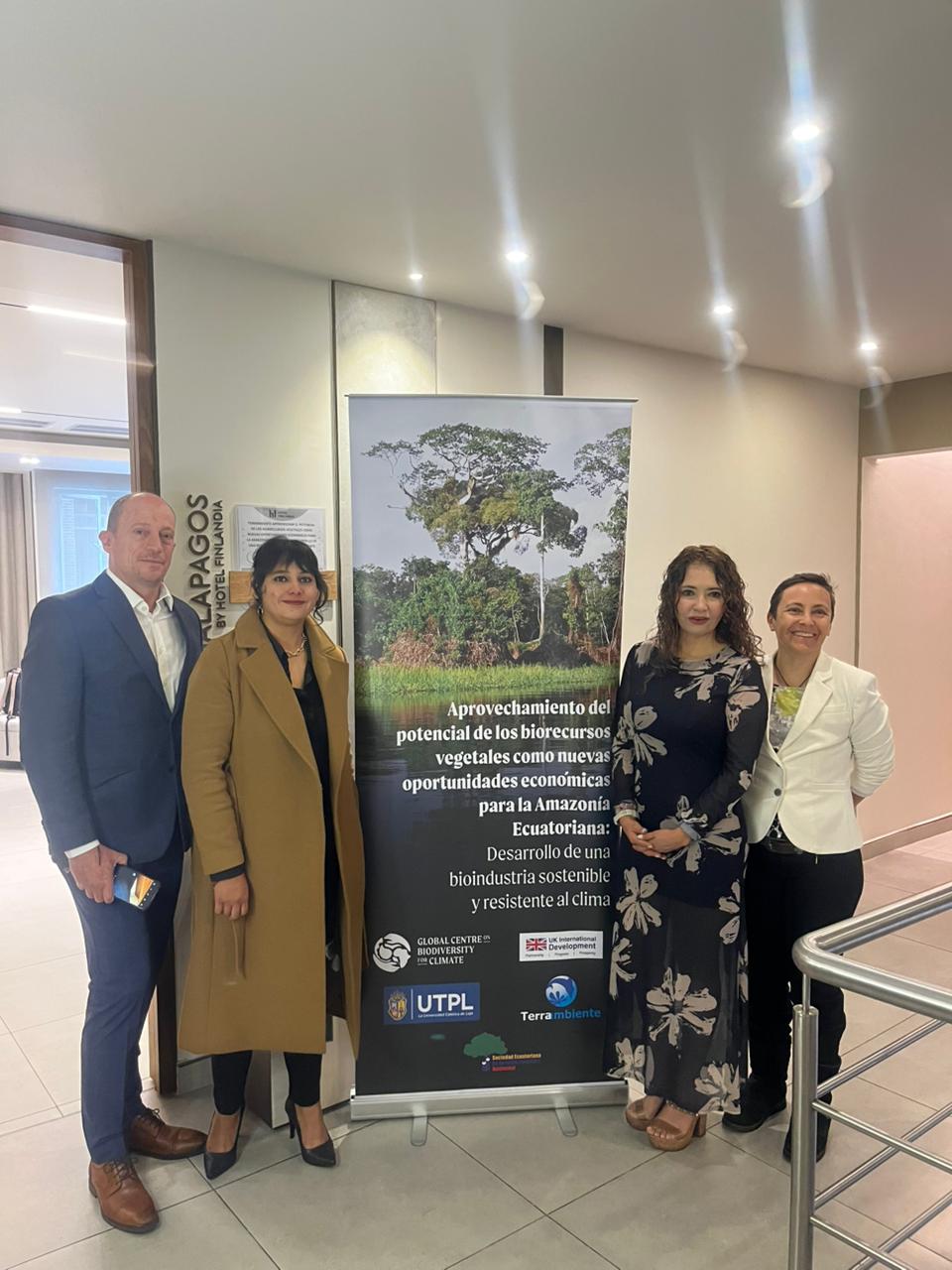
In the Ecuadorian Amazon, the Universidad Técnica Particular de Loja (UTPL), in collaboration with Terrambiente Consulting and SEDEFA, has reached a major milestone in its efforts to lay a strong ethical, legal, and cultural foundation for sustainable innovation.

Driven by research and the commitment of specialists Ana María Rodríguez and Omar Malagón, the project “Realizing the Potential of Plant Bioresources as New Economic Opportunities for the Ecuadorian Amazon: Developing Climate-Resilient Sustainable Bioindustry” (BIOAMAZ), seeks to establish sustainable bioindustries based on essential oil production. This initiative addresses the interlinked challenges of climate vulnerability, biodiversity loss, and poverty by promoting alternatives to unsustainable economic practices that degrade ecosystems, restrict local development, and deepen poverty in indigenous communities.

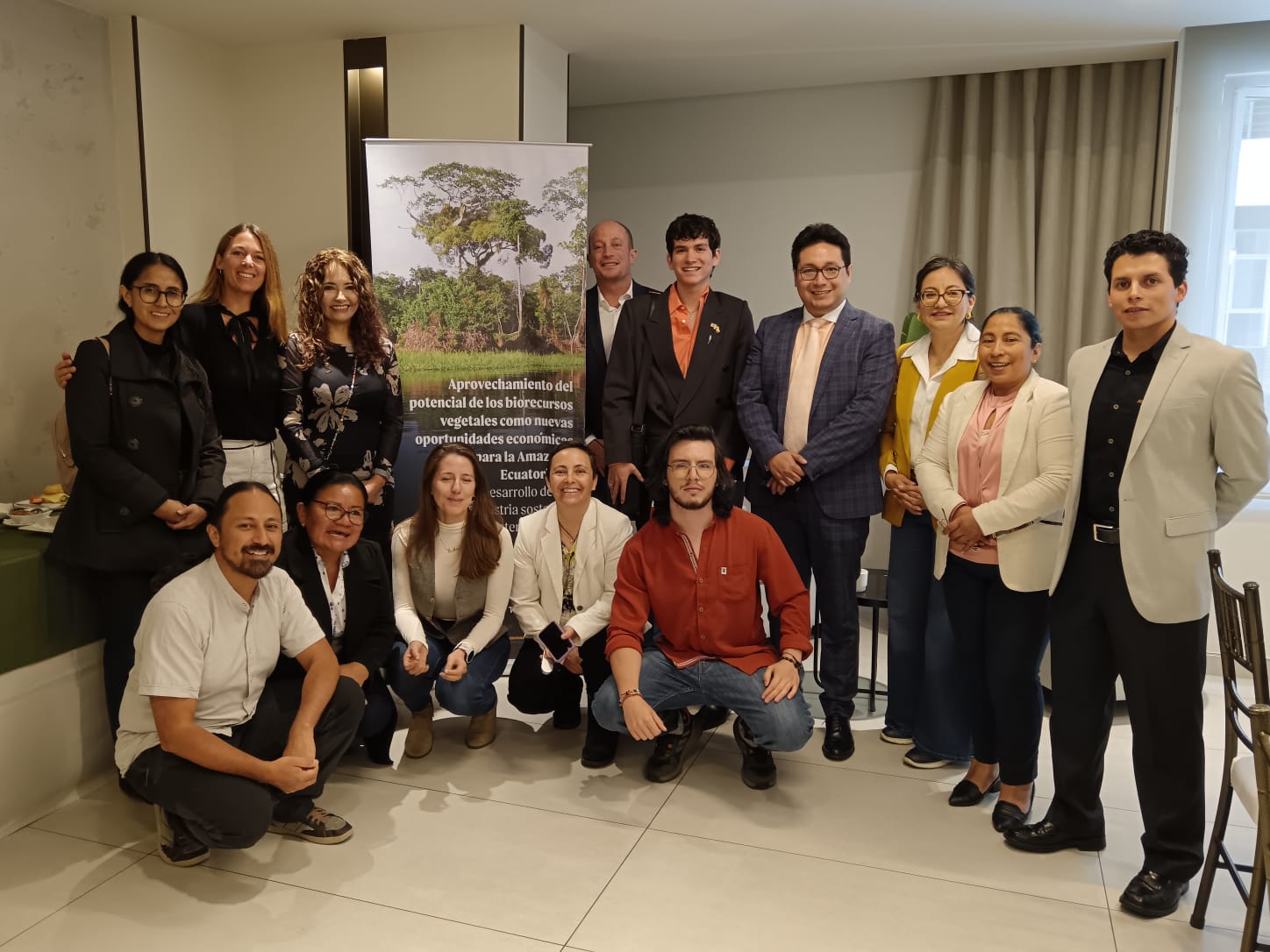
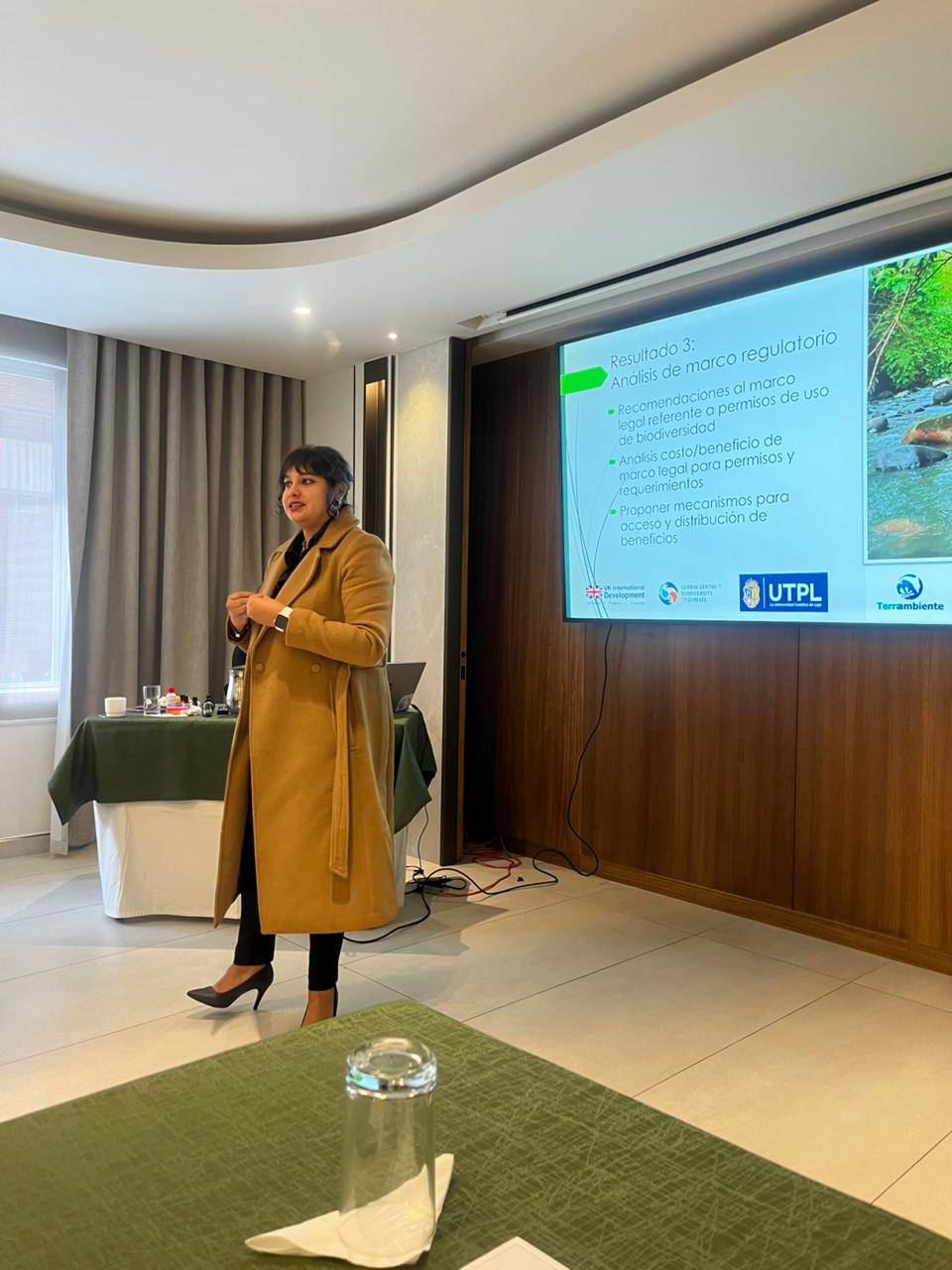
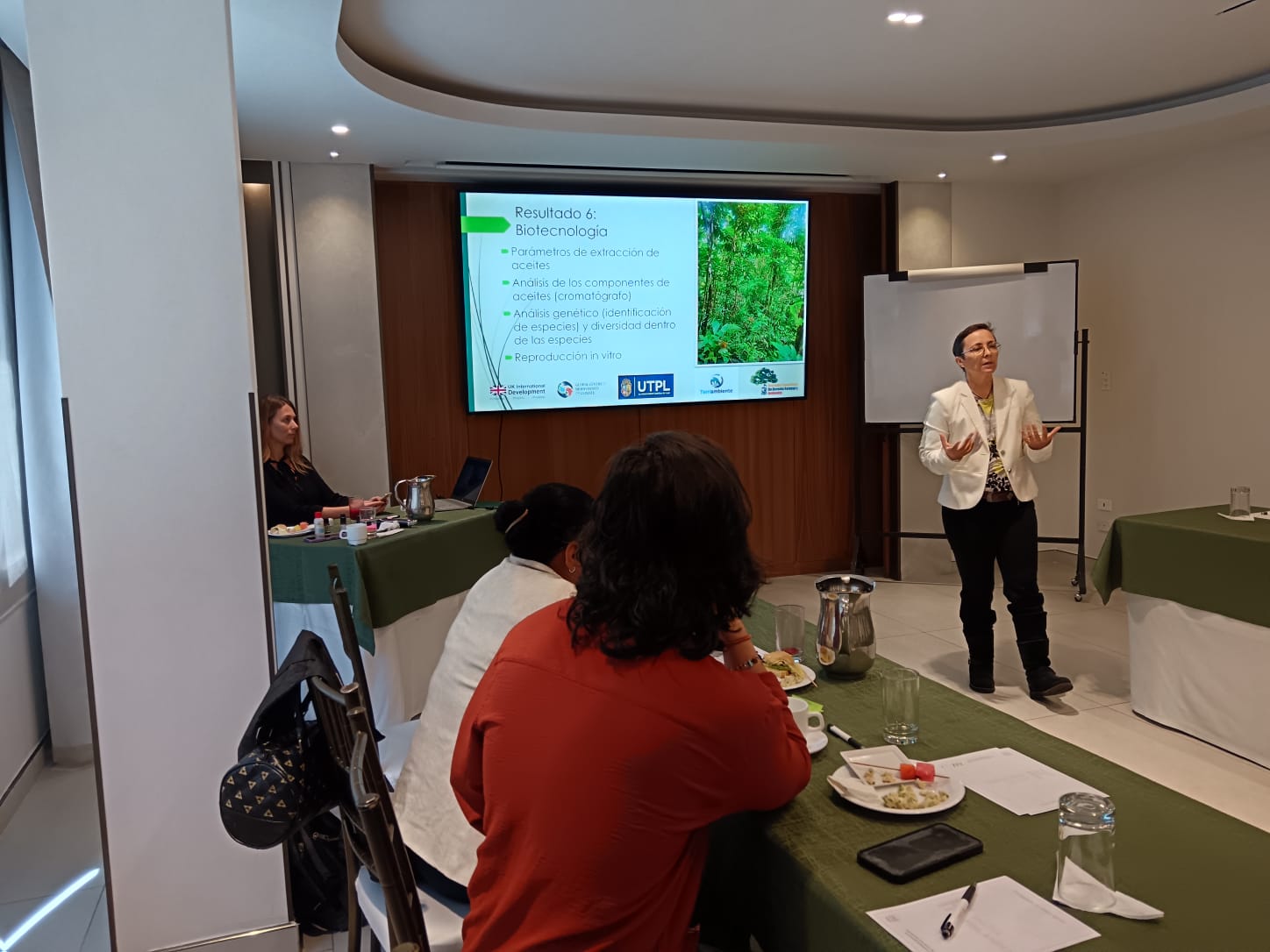
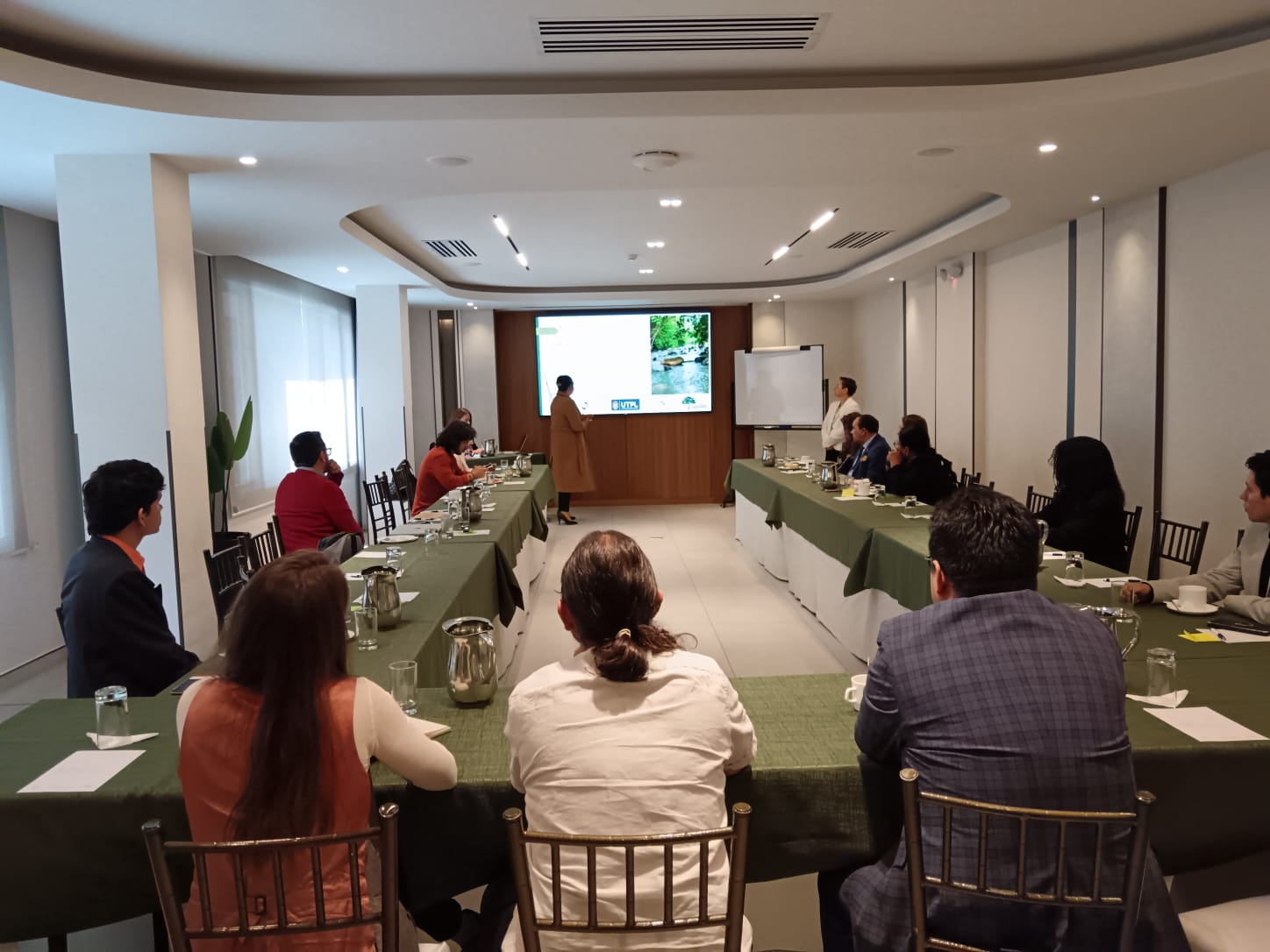
Images feature the BIOAMAZ team and stakeholders (image 1), the Terrambiente team during their presentation (image 2), Karla Espinosa outlining the project’s legal scope (image 3), Team Leader Ana María Rodriguez delivering her presentation (image 4), and fieldwork scenes in the Amazon, including a Community Assembly (images 6-8).


The project recently reached a pivotal milestone with the signing of a strategic agreement with the Shuar Federation. This marks a key alliance in advancing the project’s goal of an inclusive and participatory approach. The agreement acknowledges the vital leadership of Indigenous peoples in safeguarding and sustainably managing Amazonian biodiversity, setting the stage for ongoing collaboration grounded in mutual respect and equity.

Additionally, the project has secured Free, Prior and Informed Consent (FPIC) Acts with seven other Indigenous communities: Jatari Ancestral, Kajekai, Cóndor Mirador, Obepare, San Antonio, San Virgilio, and Wita Waya. These agreements ensure respectful, transparent, and community-driven access to biological and genetic resources. The communities represent a rich mosaic of Indigenous nationalities: Obepare is Huaorani; San Antonio and Kajekai are Shuar; and Jatari, Cóndor Mirador, San Virgilio, and Wita Waya are Kichwa.

For these communities, the project represents more than an economic opportunity, it stands for autonomy, resilience, and cultural affirmation. After many years of calling for support, they see this initiative as a way of achieving greater sustainable economic independence, and a viable alternative of generating income for their people. As the project moves forward, they now look ahead to the next phase and the collaborative selection of plant species.

For the researchers, these agreements reflect a core value proposition: building a bioindustry that is equitable, grounded in dialogue, and shaped by the voices of Amazonian communities.

Next Steps

On 12 June, the teams from UTPL, Terrambiente, and SEDEFA delivered a dynamic presentation of their project to a diverse group of stakeholders, including high-level authorities from the Ministry of Environment, the National Congress, the United Kingdom Embassy, as well as members of local and international NGOs and the Ecuadorian pharmaceutical industry.

The next phase of the project will focus on establishing clear criteria for selecting potential plant species, conducting field visits to identify and evaluate promising candidates, conducting detailed studies of their growth cycles, collecting biological samples, and assessing natural populations.

These efforts will support the development of agroforestry systems, build local capacities, and strengthen strategic market connections for the resulting products. Insights from this phase will also inform regulatory recommendations aimed at ensuring the project’s sustainability and enabling its replication in other regions.

People, Nature, and Resilience: Launching ILWGAWS in Ghana’s Coastal Wetlands

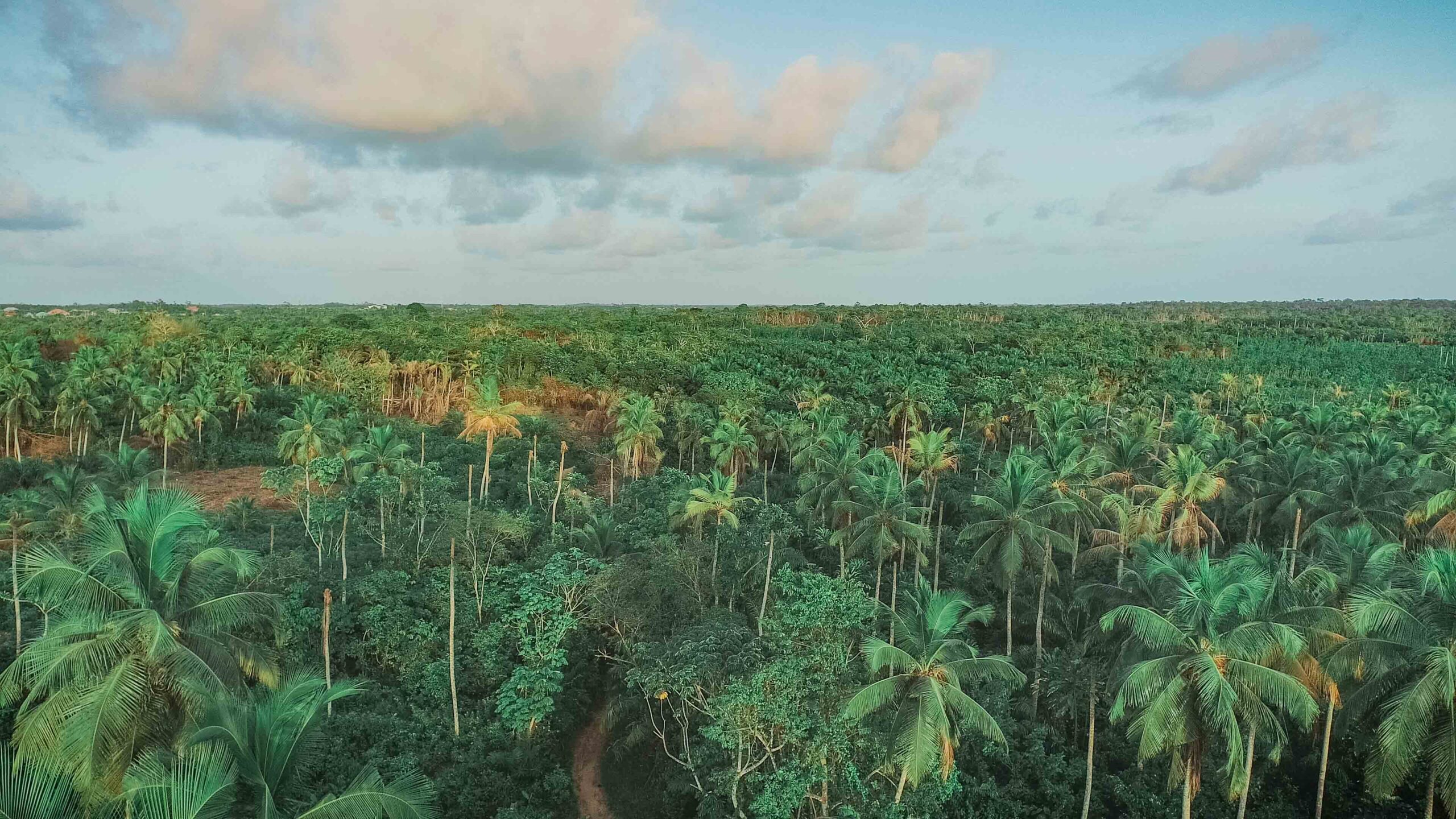
The Integrated Land and Water Management of the Greater Amanzule Wetland System (ILWGAWS) is an environmental conservation initiative focused on conserving and restoring biodiversity within the Greater Amanzule Wetland, located in Ghana’s Western Region. This critical ecological zone spans over 50,000 hectares and plays a vital role in supporting biodiversity, enhancing coastal resilience, and sustaining local livelihoods.

However, the region faces significant challenges due to increasing pressures such as climate change, changes in land use and land cover, and hydrological and socio-economic dynamics. Funded by the UK Department for Environment, Food and Rural Affairs (DEFRA) through the Global Centre on Biodiversity for Climate (GCBC), the project is being implemented by the University of Education, Winneba (UEW), in partnership with Hen Mpoano and the CSIR-Water Research Institute.

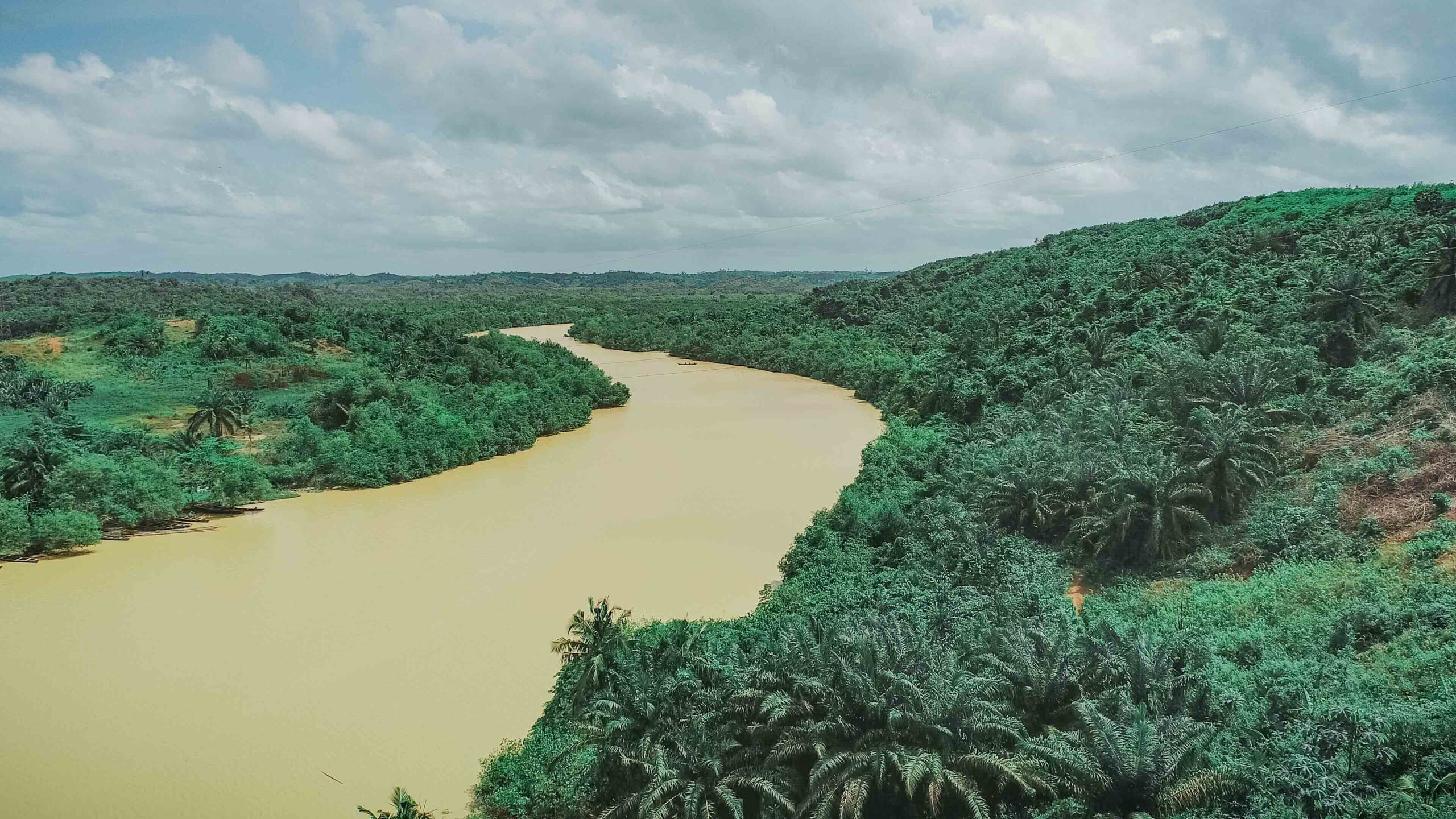
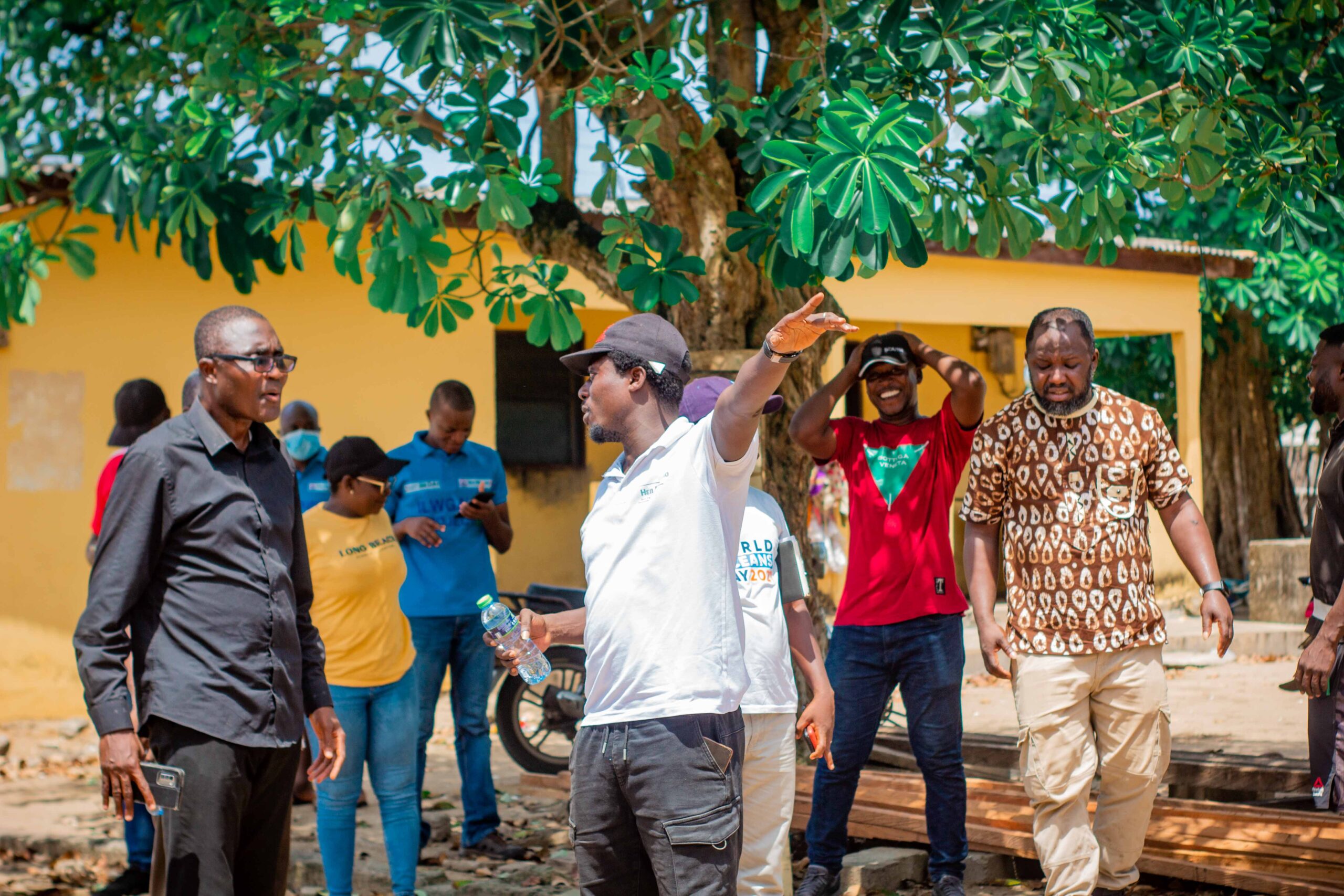
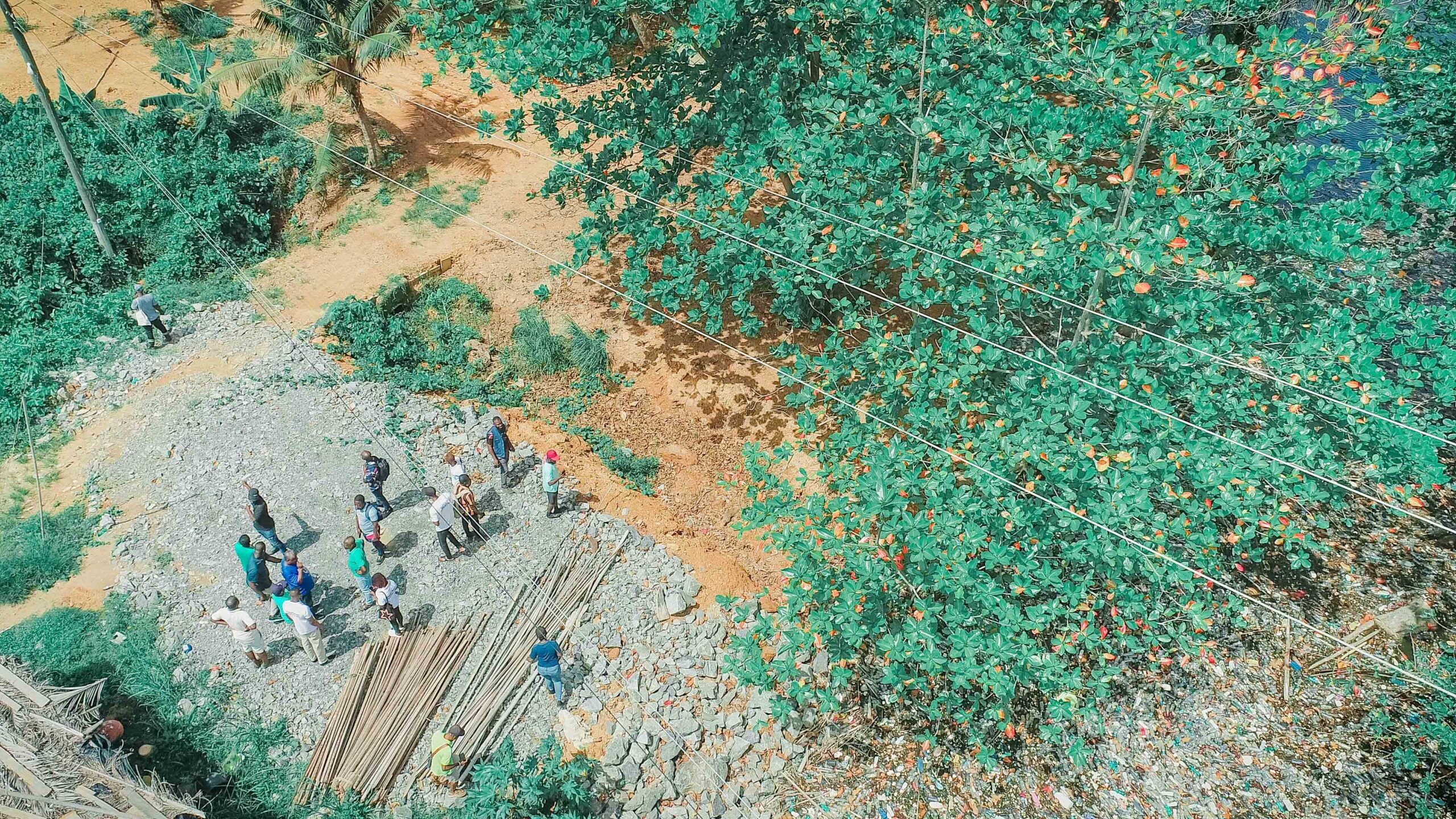
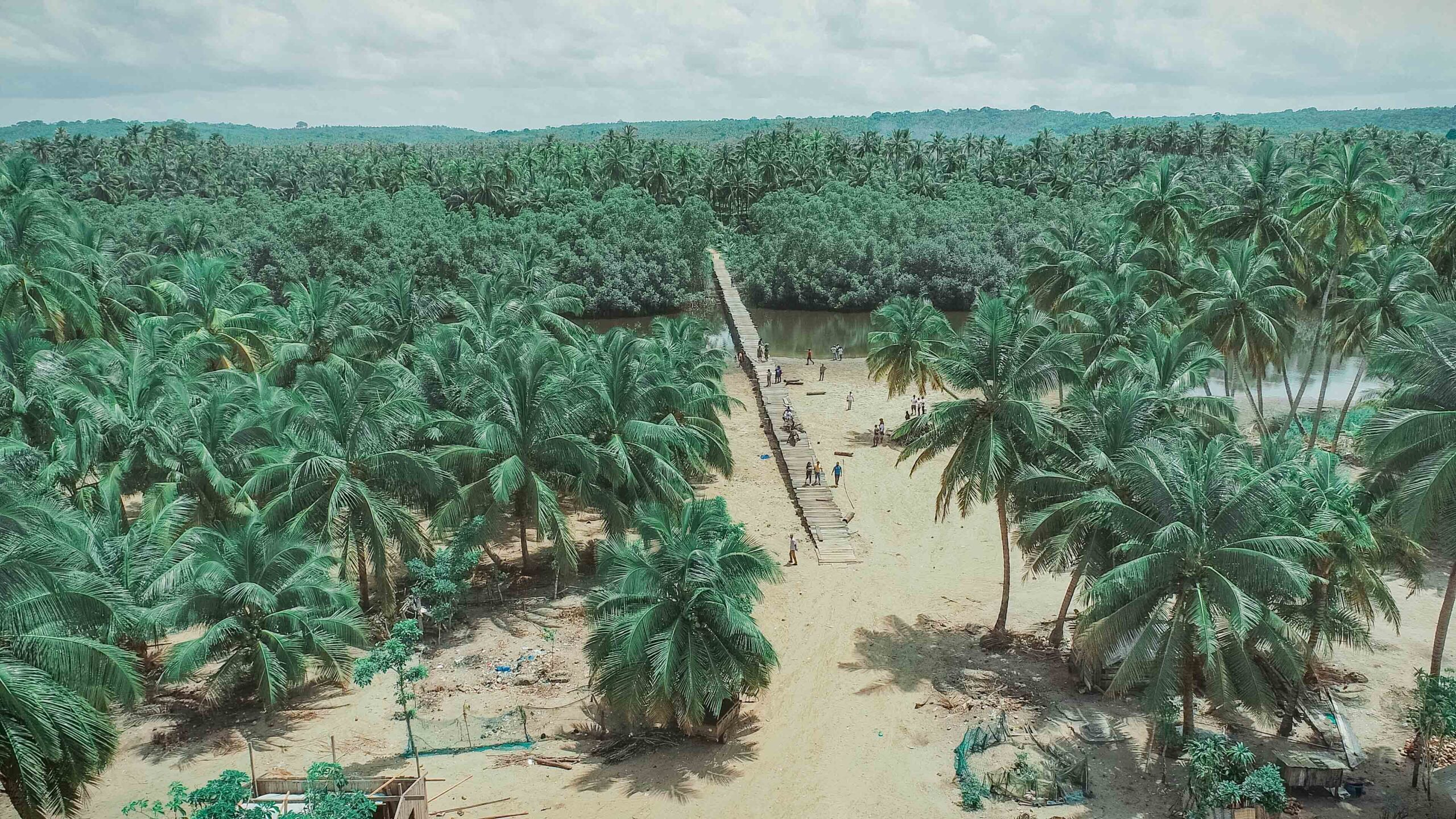
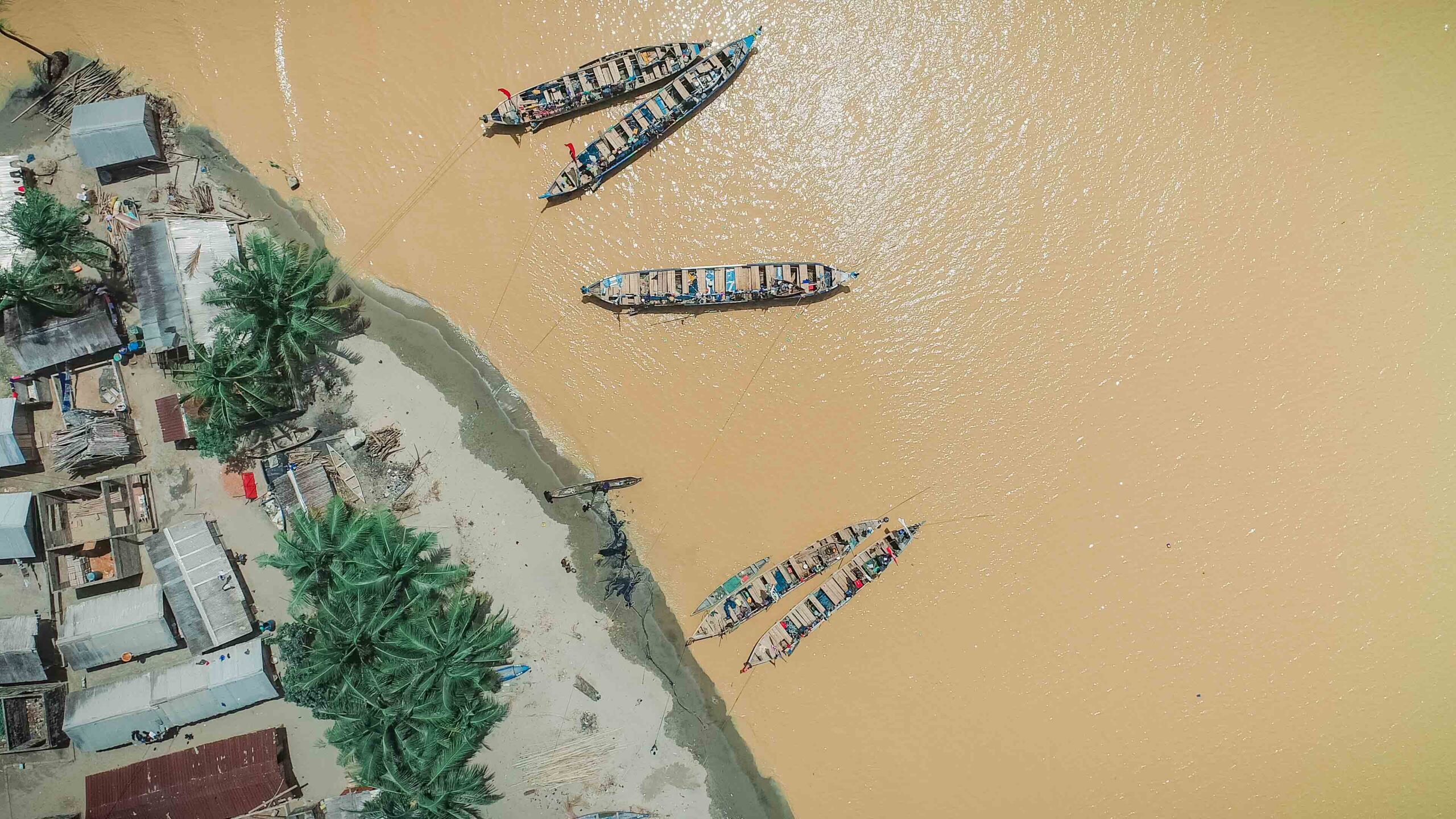
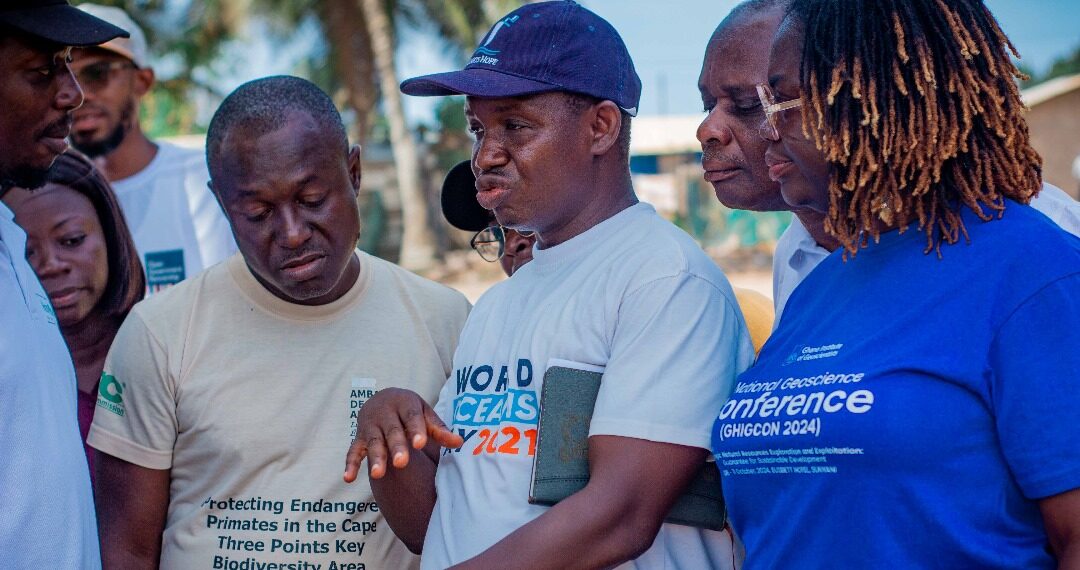
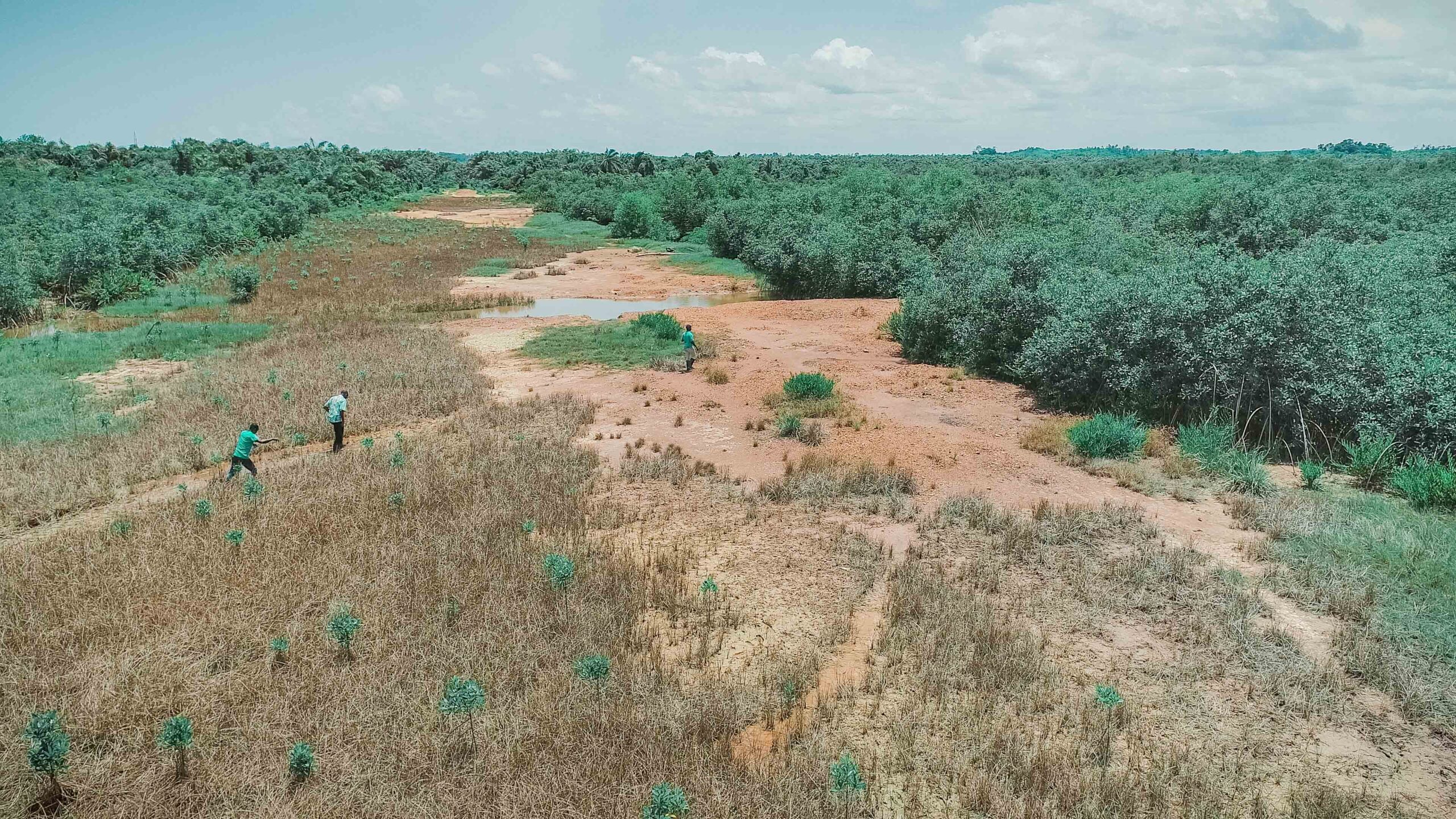
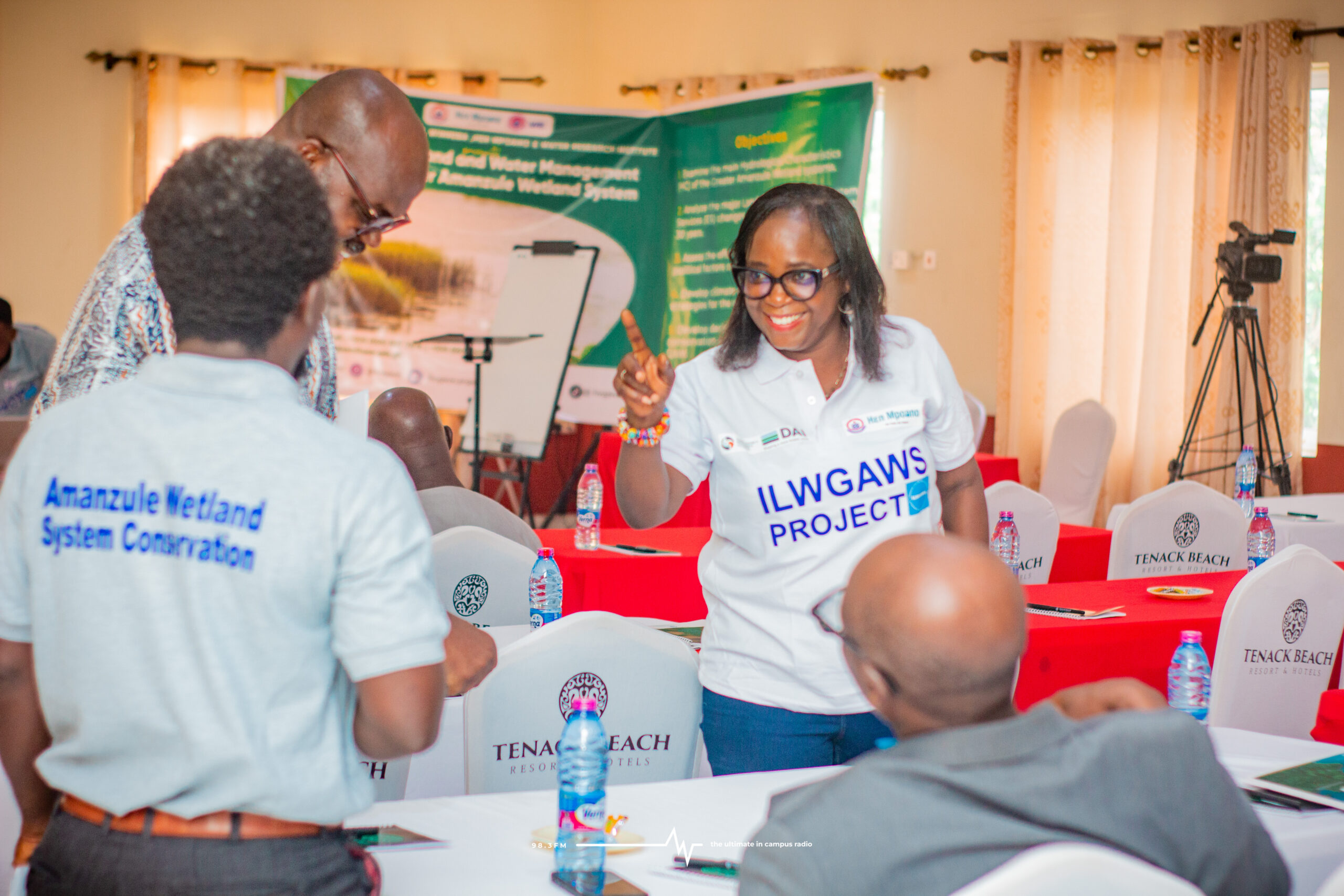
Images depict deforestation, polluted rivers, and degraded mangroves in Ghana’s Amanzule Wetland System, captured during a reconnaissance visit by participants of the inaugural ILWGAWS workshop. Images courtesy of the ILWGAWS media team.


Project Launch: A Vision for People and Nature

The ILWGAWS project launched in the Jomoro Municipality of the Western Region of Ghana, marking a critical step in the project’s broader commitment to environmental sustainability and biodiversity conservation. Led by Dr. Adams Osman, the ILWGAWS project adopts a multidisciplinary, community-led approach that integrates scientific research with local knowledge systems to promote long-term environmental health and economic well-being for communities living within the wetland landscape.

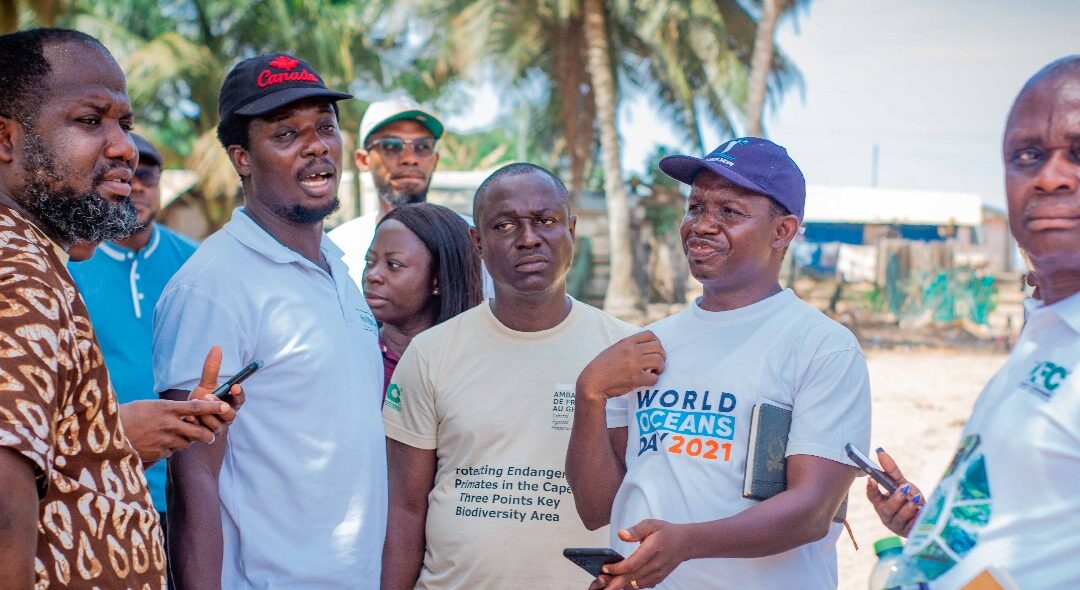
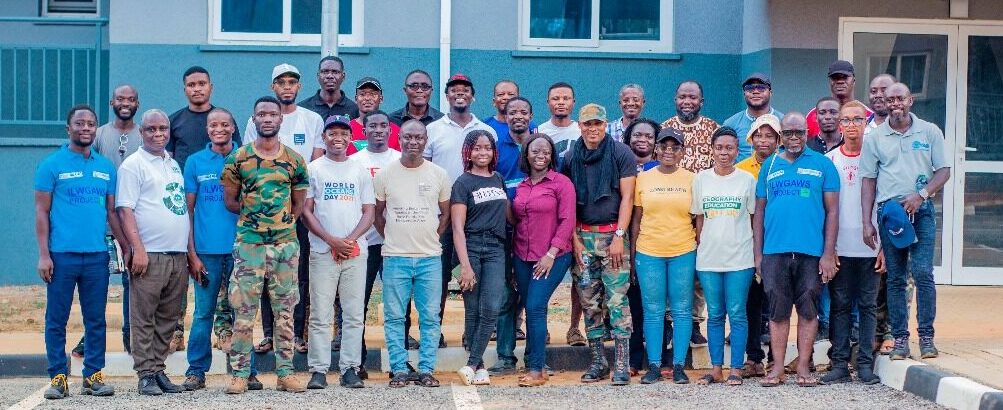
The launch brought together a diverse group of stakeholders, including government officials, traditional leaders, community members, development partners, researchers, and civil society organisations. Professor Stephen Jobson Mitchual, Vice-Chancellor of UEW,  delivered a compelling keynote address, emphasising the urgent need for sustainable development that enhances both the environment and human livelihoods.

Professor Mitchual stated, “Our innovations must be directed toward improving human life without compromising nature. As we build faster systems of communication and transport, we must also ensure we protect the very ecosystems that sustain us.”

Dr. Adams Osman provided an overview of the project’s core objectives: to assess the changes in the hydrological systems of the Greater Amanzule Wetlands, evaluate their impacts on ecosystem services and local livelihoods, and co-develop community-based solutions that support both biodiversity and socio-economic resilience.

Mr. Samuel Obosu, the Planning Officer of the Jomoro Municipal Assembly, emphasised the significance of the project to the district’s future, highlighting the value of the multidisciplinary nature of the project and the stakeholders involved in informing comprehensive policy decisions and community-driven restoration efforts.


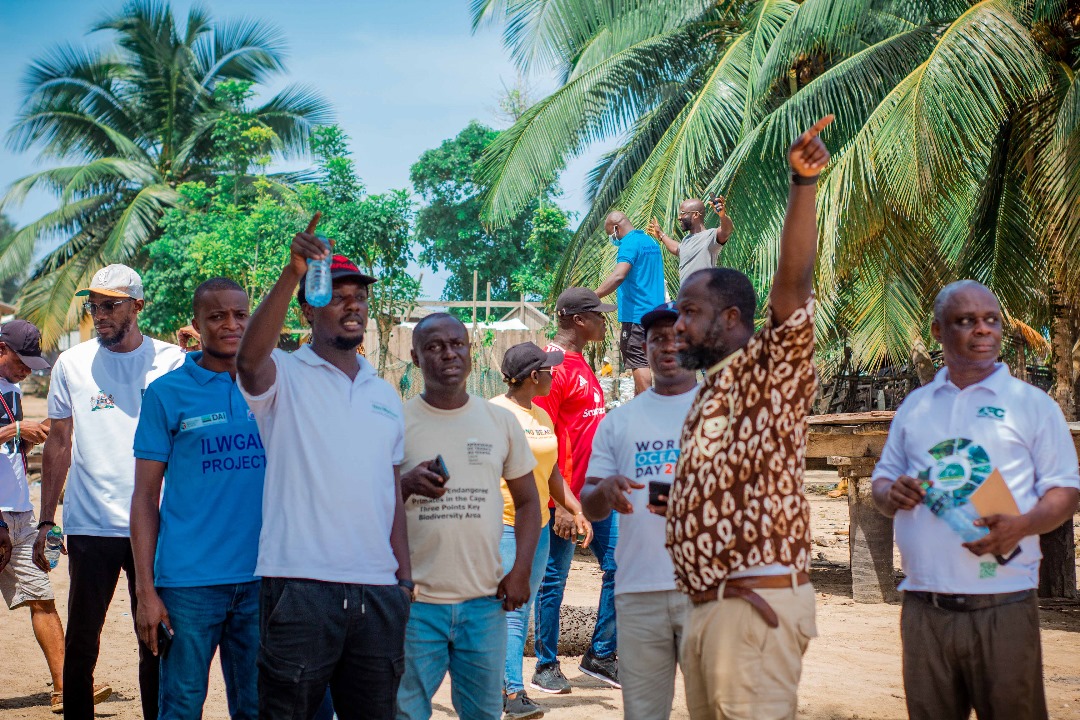
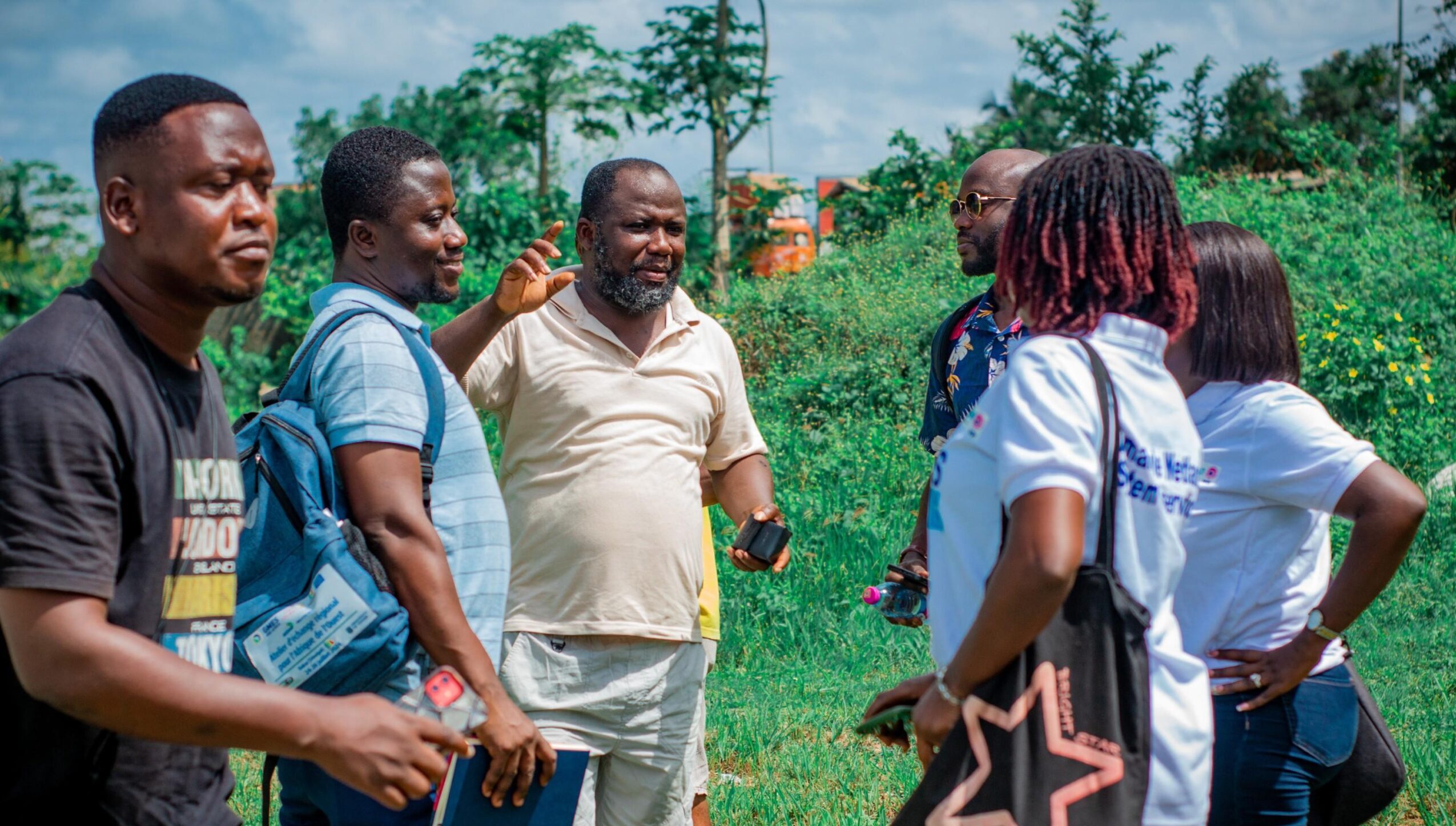
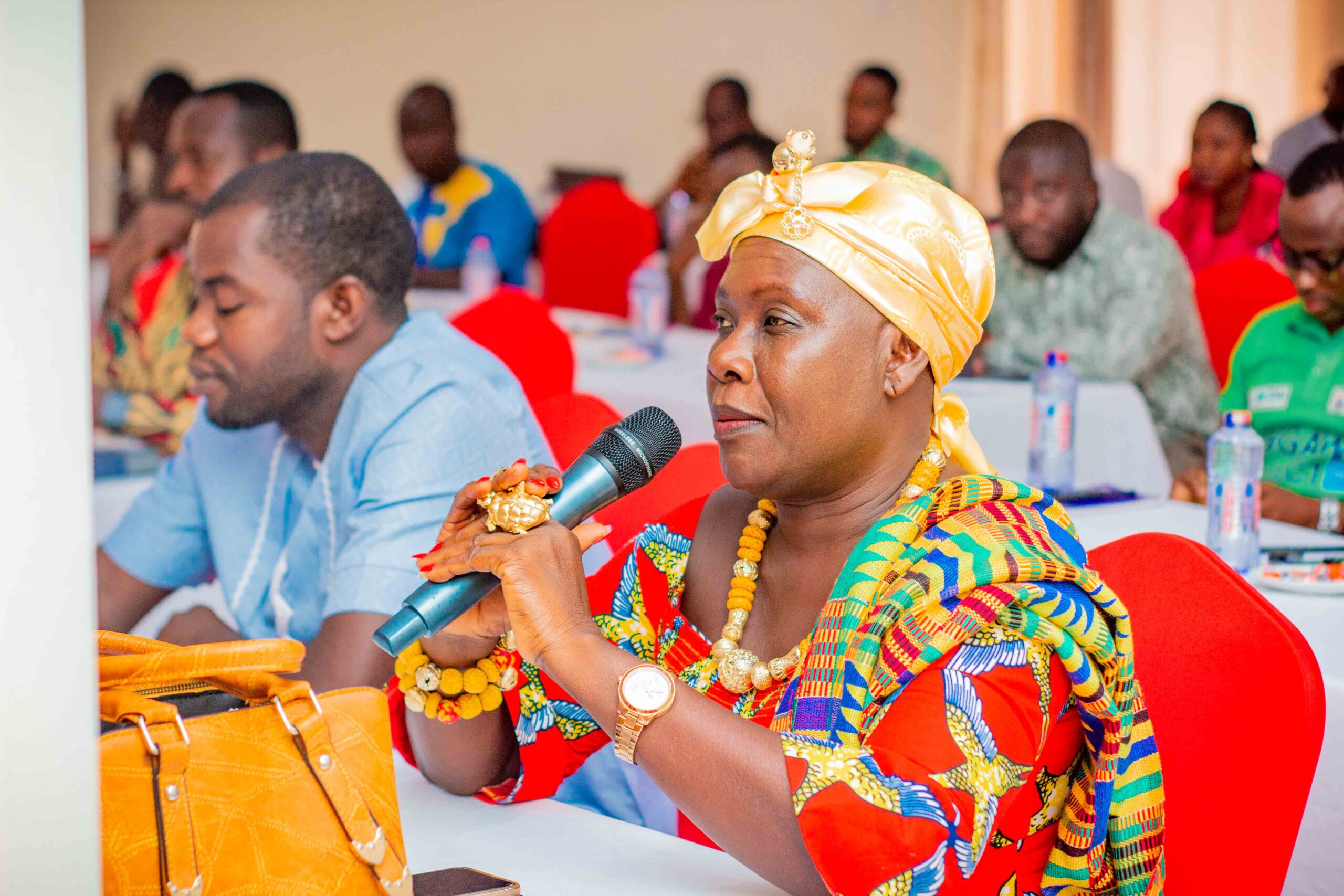
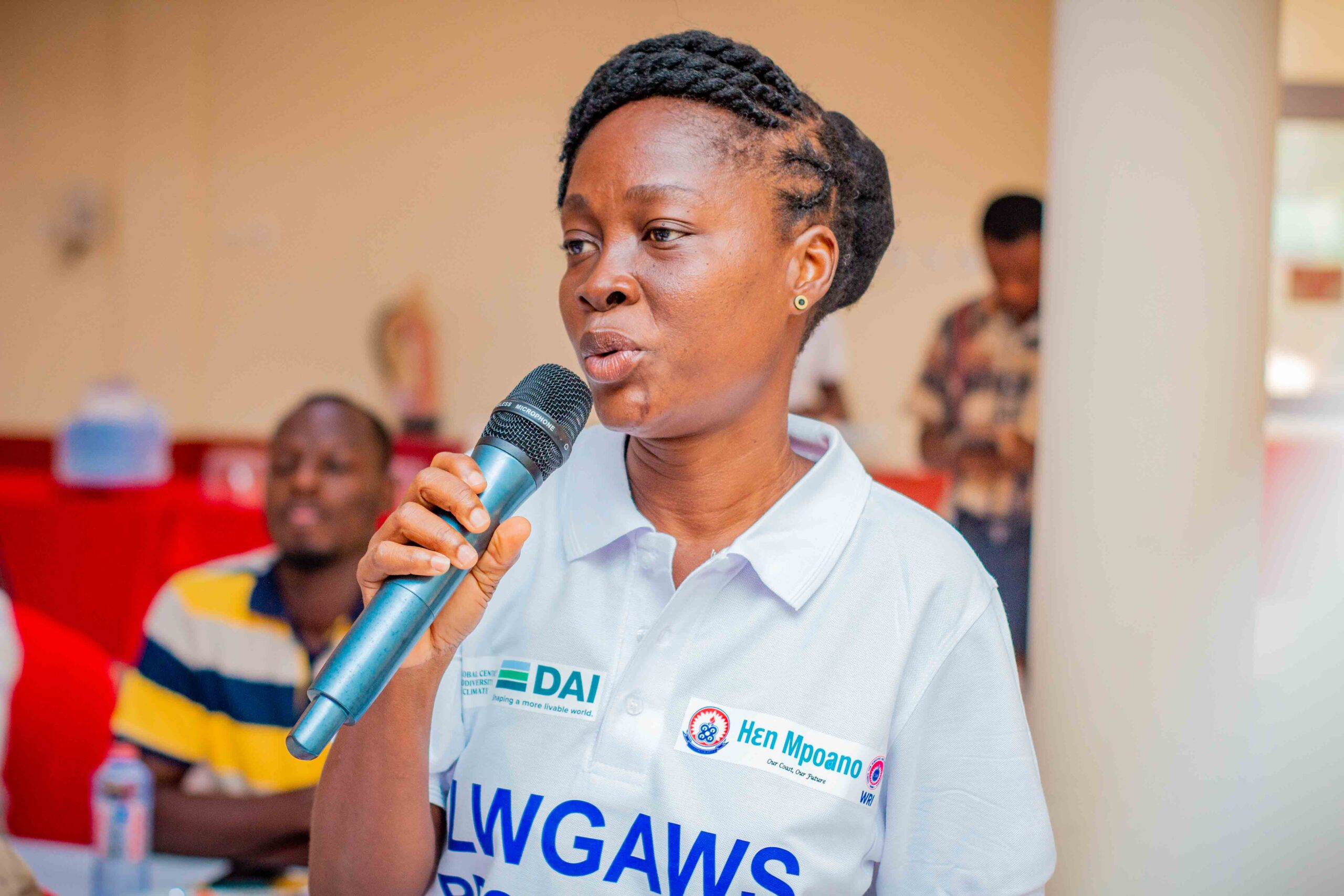
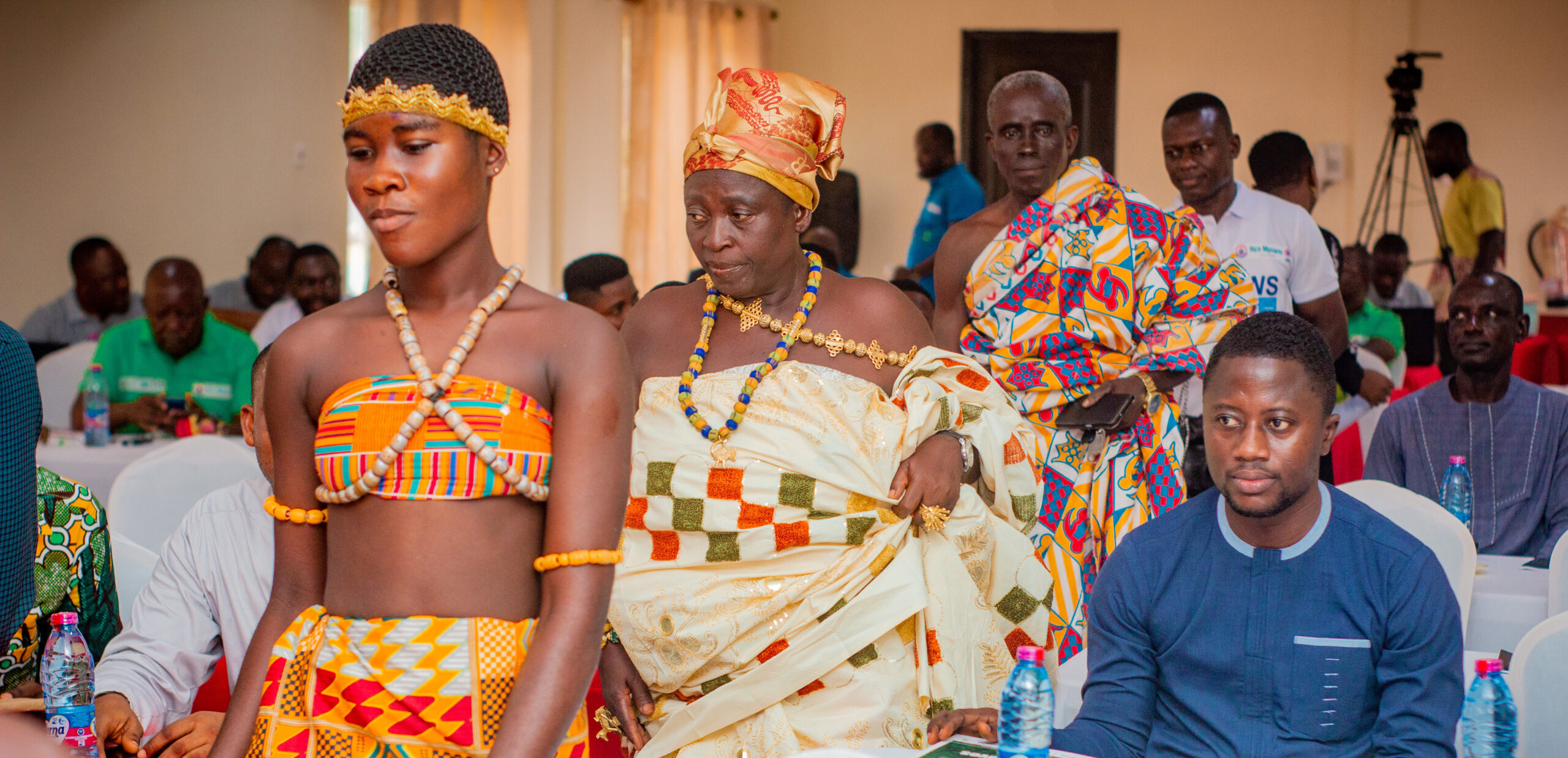
Images show participants at the ILWGAWS launch workshop in the Jomoro Municipality of the Western Region of Ghana. Images courtesy of the ILWGAWS media team.


Reconnaissance Survey: Mapping the Landscape, Understanding the Issues

As part of the initial field activities, the ILWGAWS team embarked on a reconnaissance survey across several wetland communities, to assess baseline ecological and socio-economic conditions and identify hotspots for intervention. The survey began with a visit to the Ankobra River estuary, where pollution from illegal mining and waste disposal is severely impacting water quality. At the Asanta community, the team visited a mangrove nursery and conducted a walk-through of the adjacent mangrove forest, documenting signs of degradation and opportunities for restoration. Conversations with local fishers revealed how mangrove loss is affecting fish populations and, by extension, their livelihoods.

At Kamgbunli, the team engaged with traditional authorities and community leaders on the sustainability of fishing practices and their openness to adopting climate-resilient approaches. There were strong expressions of support for the project, particularly regarding mangrove restoration, pollution control, and environmental education. In Old Kabenla Suazo and Ezilinbo, further assessments were conducted, including visits to a lagoon site and the surrounding areas of a naval base under construction. These visits offered insight into the potential land-use conflicts and the need for multi-stakeholder coordination to align development with conservation.

Stakeholder Engagement: Strengthening Local Partnerships

Following the launch, the project team engaged key community leaders and institutional partners in a series of discussions. These engagements focused on identifying existing environmental challenges, possible solutions, refining project objectives and collective responsibilities. Stakeholders expressed concerns about uncontrolled logging, illicit mining, mangrove harvesting, pollution from agrochemicals and plastics, and the impact of infrastructural development on the wetland ecosystem. The dialogue reinforced the project’s commitment to a participatory governance model where communities are not just beneficiaries, but co-implementers of conservation action.

Looking Ahead: Building a Greener Future

The ILWGAWS project is envisioned not as a one-off intervention but as a long-term commitment to ecosystem restoration and climate adaptation. Over the coming weeks, the project will roll out activities in environmental education, hydrological profiling, biodiversity monitoring, mangrove and tree planting, pollution control, and sustainable livelihood training, including beekeeping for local farmers.

Intending to plant 60,000 trees within the Greater Amanzule Wetlands and train communities in sustainable practices, ILWGAWS aims to serve as a model for integrated wetland management in Ghana and beyond. As environmental threats intensify globally, initiatives like ILWGAWS underscore the power of collaboration, science, and community engagement in restoring ecological integrity and improving lives.

The journey has begun, and its success will be shaped by every voice, every tree planted, and every action toward a more resilient coastal ecosystem.

Potatoes, People, and Photobooks: The International Potato Center’s (CIP) Climate Response in the Andes

As climate extremes increasingly challenge Andean agriculture, the International Potato Center (CIP) is working closely with communities in Peru and Ecuador to strengthen resilience and preserve agrobiodiversity.

At the heart of this effort is the Global Centre on Biodiversity for Climate (GCBC) project – a multi-faceted initiative that brings together scientific innovation, traditional knowledge, and local engagement to equip farming systems for a changing future.

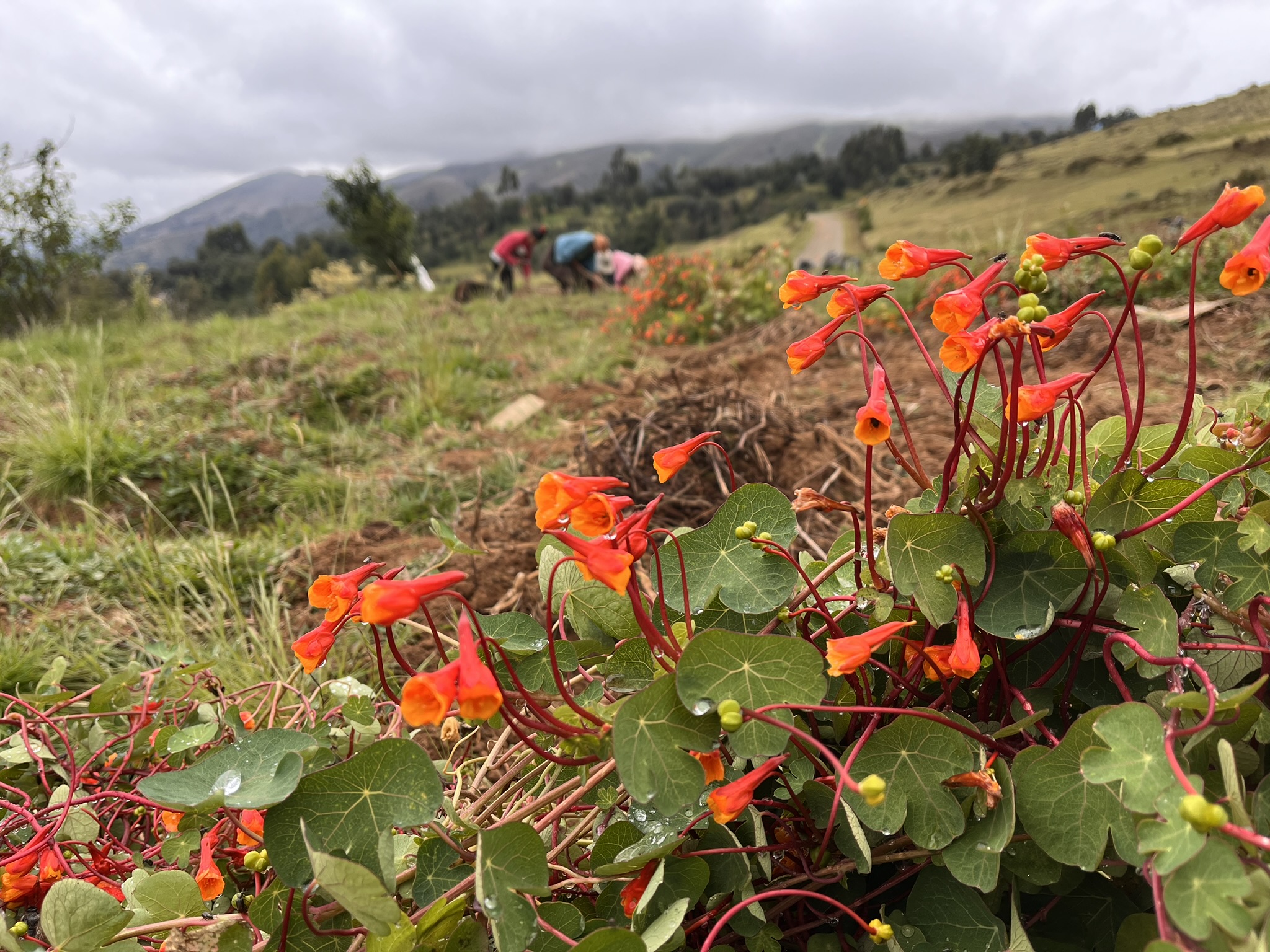
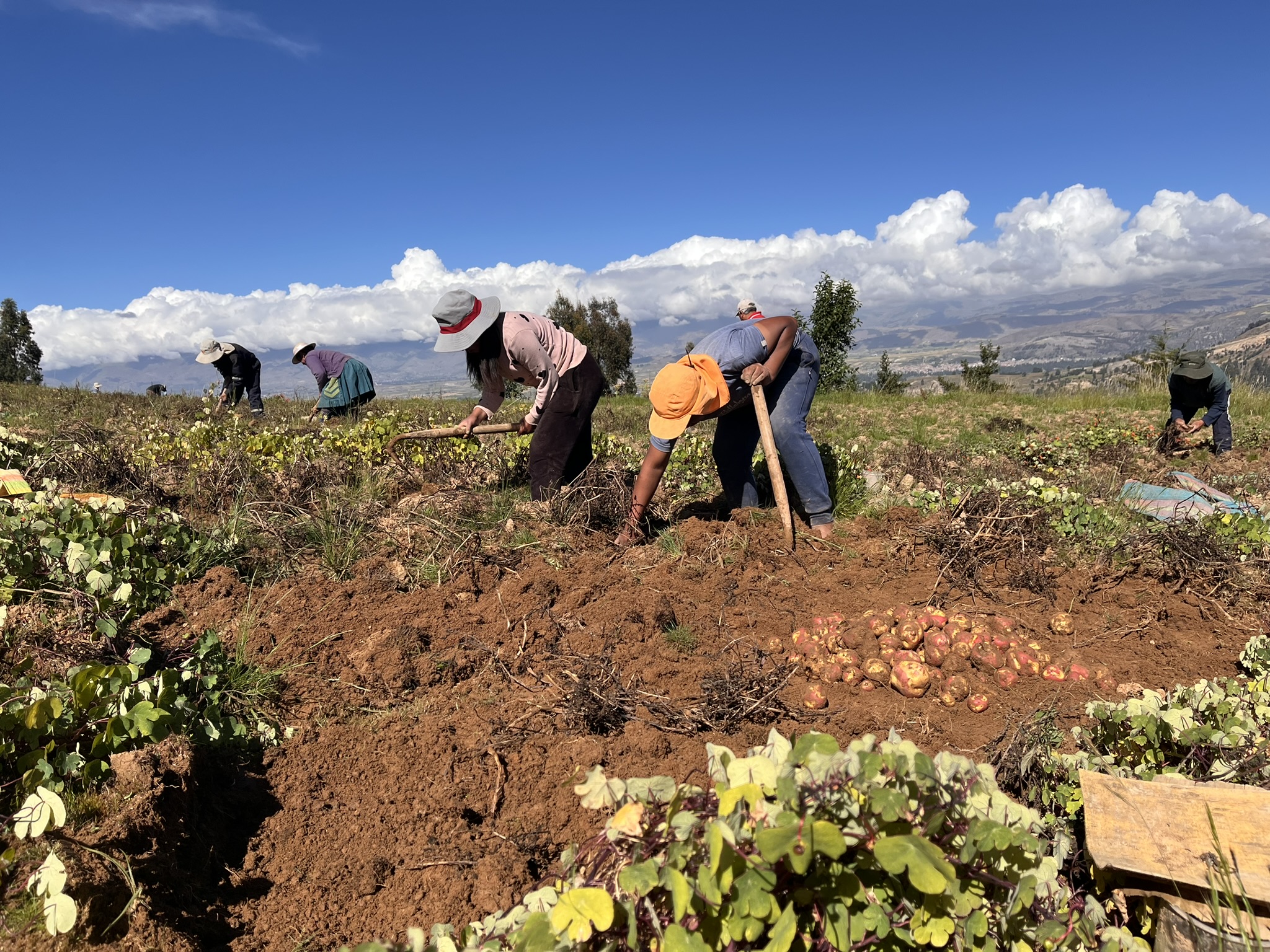
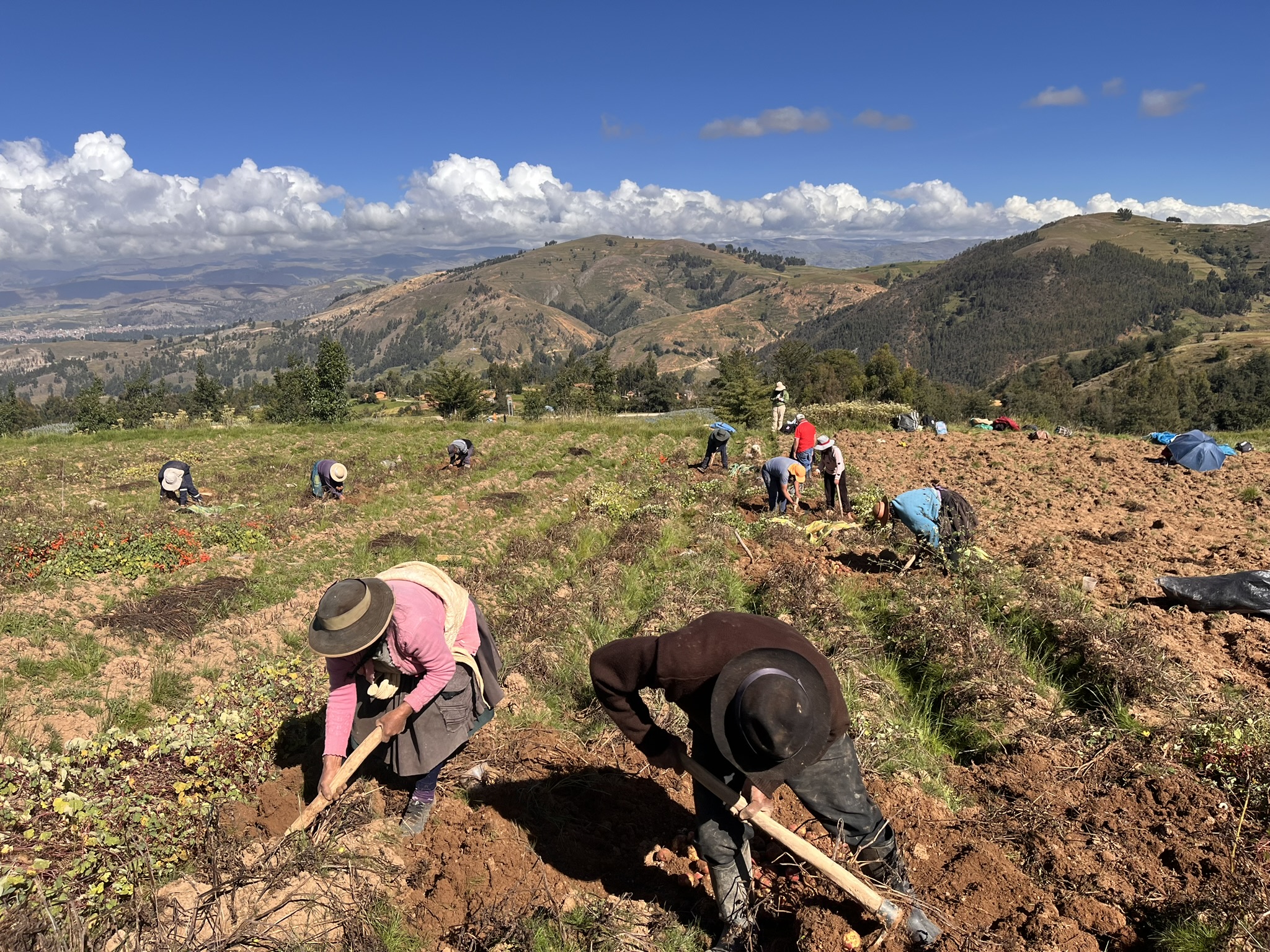
Mashua plants as natural pest management to protect potato fields from potato weevils in the Andes Potato harvest in Peru. Experimental plots have been protected by a traditional pest management strategy – the use of mashua plants as weevil repellent Potato harvest in Peru. Experimental plots have been protected by a traditional pest management strategy – the use of mashua plants as weevil repellent Potato harvest in the Central Andes of Peru. Experimental plots have been protected by a traditional pest management strategy – the use of mashua plants as weevil repellent (the orange spots are the mashua plants that are left in the fields slightly longer since mashua has a longer maturation period than potato) Participatory trial evaluation at harvest time in the Central Andes of Peru. Farmers rate their preferences based on drought tolerance, yield, and other factors such as texture, taste, cooking time, or pest & disease (late blight) resistance and tolerance to frost. (Farmer vote with seeds and deposit the seeds in little plastic containers which you may see on the potato sacks. Gender preferences are usually captured by using different seed types. The results are then discussed among farmers.)
The images show potato harvesting in Peru’s Central Andes, featuring mashua plants used as natural pest control against potato weevils. During participatory trials, farmers evaluate varieties at harvest based on drought tolerance, yield, taste, cooking time, pest and disease resistance, and frost tolerance. They “vote with seeds,” placing their preferred seeds in small containers on potato sacks. Gender preferences are captured using different seed types, and results are then discussed collectively.


CIP’s work begins in the field, where trials are underway to identify native potato varieties that can withstand prolonged drought. These drought-tolerant potatoes offer more than just resilience – they help safeguard the region’s rich potato heritage by keeping a diverse range of varieties in cultivation, even under stress. At the same time, researchers are exploring the promise of mashua, a lesser-known Andean root crop valued for its pest-repelling qualities and nutritional profile. As both a traditional food and a potential ingredient for modern food markets, mashua represents a link between heritage and innovation.

Beyond crop trials, CIP is leading efforts to restore lost agrobiodiversity. Through the repatriation and in vitro propagation of native potato varieties, communities in Peru are reconnecting with crops that had disappeared from their fields. This restoration work is already laying the foundation for community-managed in vitro laboratories – local hubs for conserving potato diversity and advancing climate-adaptive agriculture.

Equally important is building local capacity. CIP supports farmers, students, and indigenous technicians with hands-on training to ensure that scientific advances translate into real-world resilience. One standout initiative is the youth photobook project, which equips young people with cameras and storytelling tools to document the impact of climate change on their lives. These visual narratives elevate local voices, while farmers’ concerns have separately influenced policy and contributed to shaping Ecuador’s national biodiversity policy – an example of how community-centered initiatives can influence broader systems.

Together, these activities form a cohesive strategy grounded in science, collaboration, and cultural respect. CIP’s work through the GCBC project demonstrates that resilience is not just about enduring climate stress – it’s about transforming challenges into opportunities for growth.

By connecting agricultural research with lived experience, CIP is helping Andean communities not only adapt, but thrive.


This report was prepared by Dr Bettina Heider, Project Lead and Genetic Resources Specialist, CIP and Joel Ranck, Head of Communications, CIP.