Deploying Diversity for Resilience and Livelihoods

Project Summary

Countries: Ethiopia

Delivery Partner: Bioversity International

Principal Investigator: Dejene K. Mengistu, Alliance Bioversity International and CIAT

Evidence generation on the impact of Ethiopia’s Green Legacy Initiative (GLI) on the regeneration of local plant species, habitat restoration, and other ecosystem services improvements to ensure resilience and livelihood improvement.


Challenge

We aim at understanding i) the improvement brought by GLI on local plant species diversity, ecosystem services improvement, including local climate, ii) the impact of GLI on socioeconomic aspects of the local community, and iii) the perception of the local community on the positive and negative (if any) aspects of GLI to drive lessons on its sustainability and upscaling.

Insight

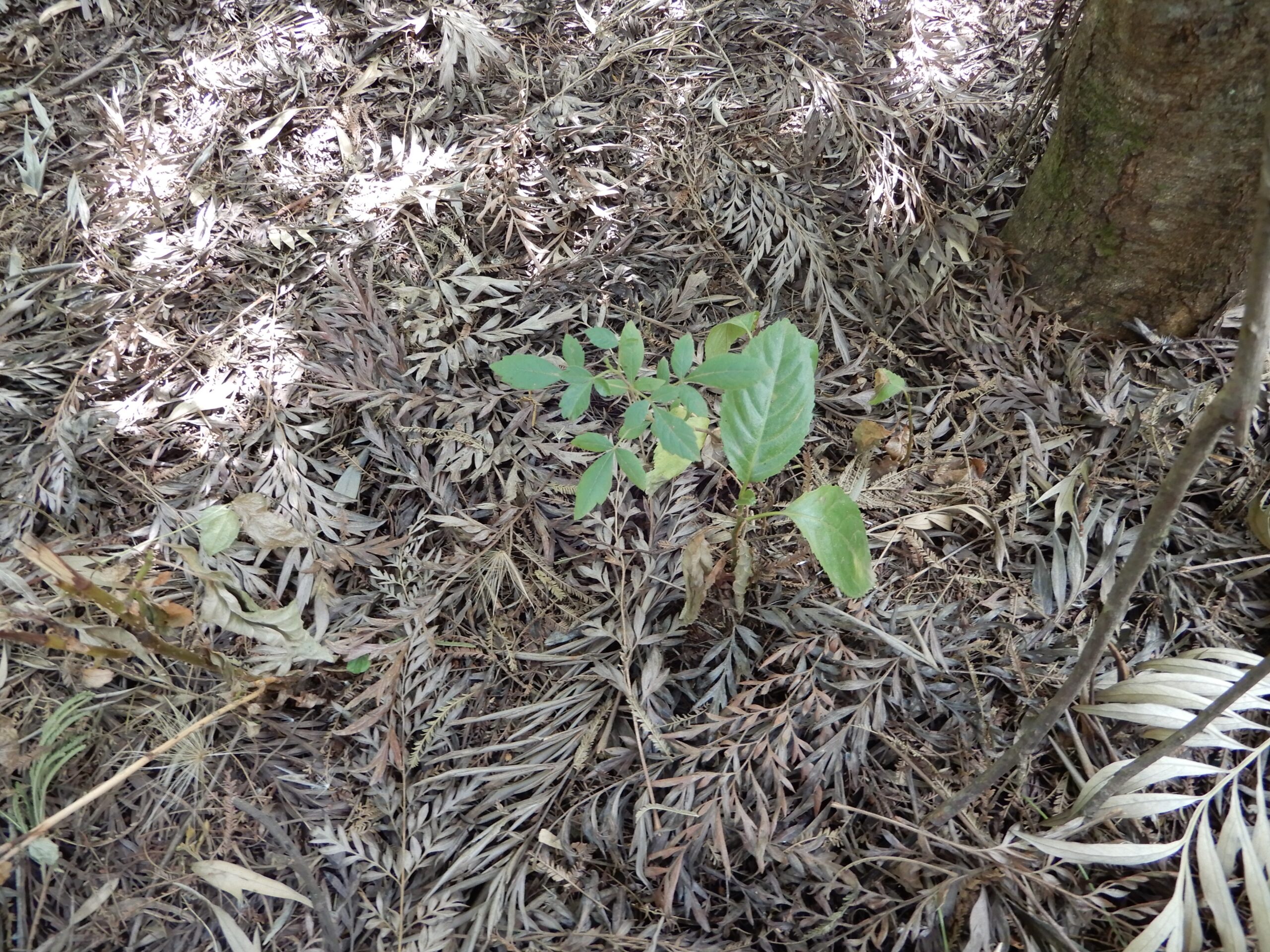
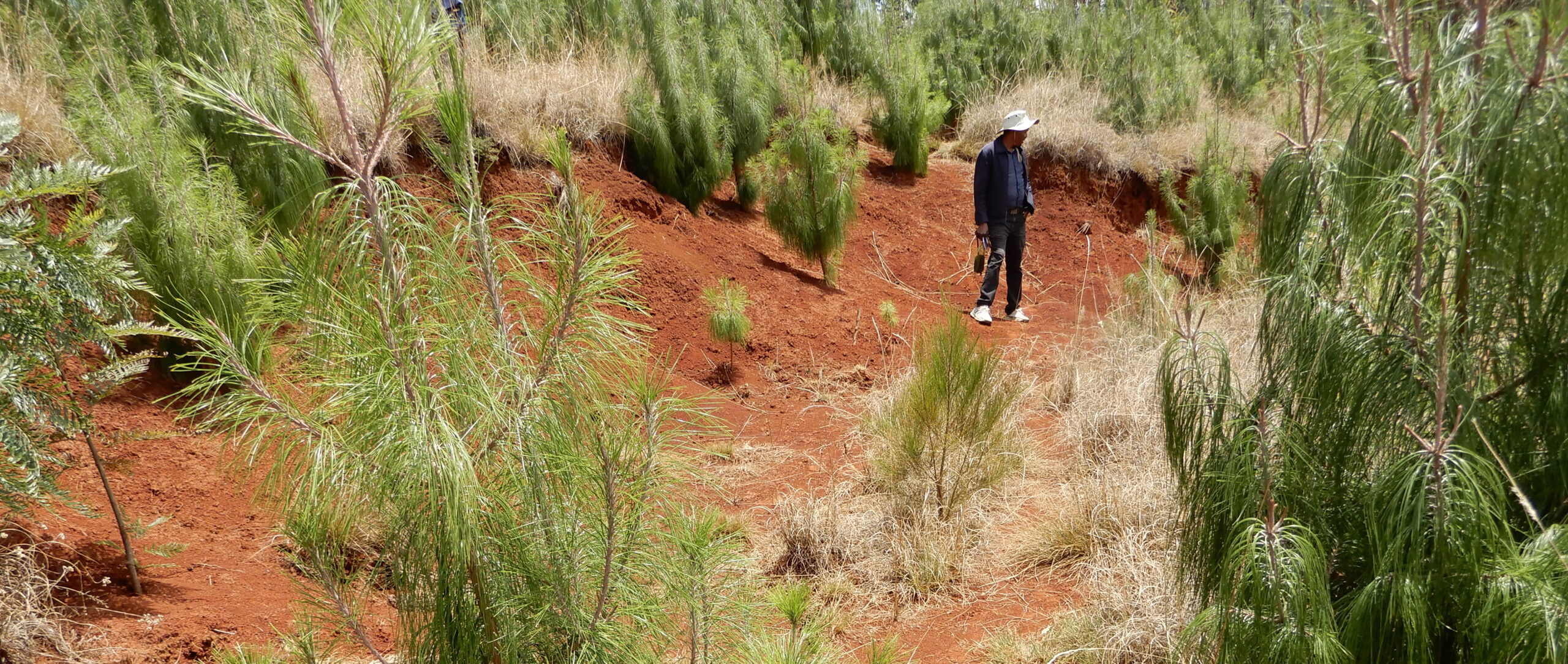
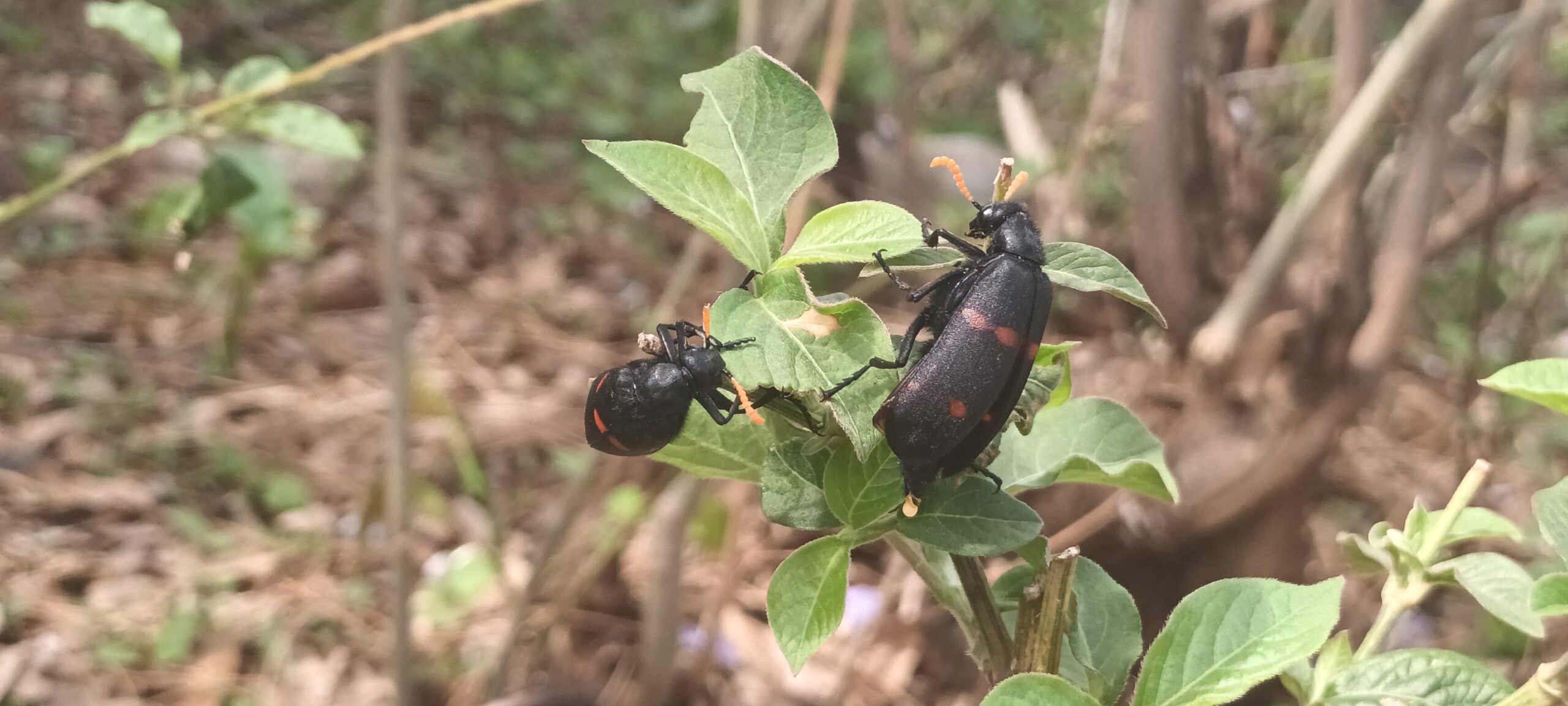
The project undertakes participatory discussions to understand the perception of the local community on GLI, species registry, and ecosystem improvement audits. In studied areas, planting one tree species has assisted natural regeneration of 7 to 10 local plant species, largely improved habitats, and restored degraded lands and ecosystem services. The benefits to the local community span from the moderation of local climate to increased agricultural productivity. The enhancement of water resources is remarkable. There are also jobs and employment opportunities created for the locals. An extremely positive attitude developed towards GLI, which triggered interest in local communities to protect natural resources through sustainable utilization. We learned that the integration of economic activities into the forest resources is quite important.

Collaboration

We collaborate with local community, regional, zonal, and district-level offices of environmental protection, climate change, and biodiversity to implement project activities, participate in capacity-building training sessions, and engage in discussions.

Our results generated so far imply that the climate-resilient green economy growth model of Ethiopia is fast achieving its biodiversity conservation and ecosystem services restoration objectives.

Dejene K. Mengistu, Alliance Bioversity International and CIAT

Dr Dejene K. Mengistu

Dr Dejene K. Mengistu, a scientist at the Alliance of Bioversity International and CIAT, has a passion for enhancing the resilience and livelihood of the local community by working closely with them. His research focuses on deploying diversities for climate change adaptation, improving farm productivity and its diversity, and empowering the farming community through full participation in decision-making. Awareness creation through training and engaged discussion is his priority in his research areas. Dejene has published many journal articles, a book chapter, and books in his area of expertise.
 

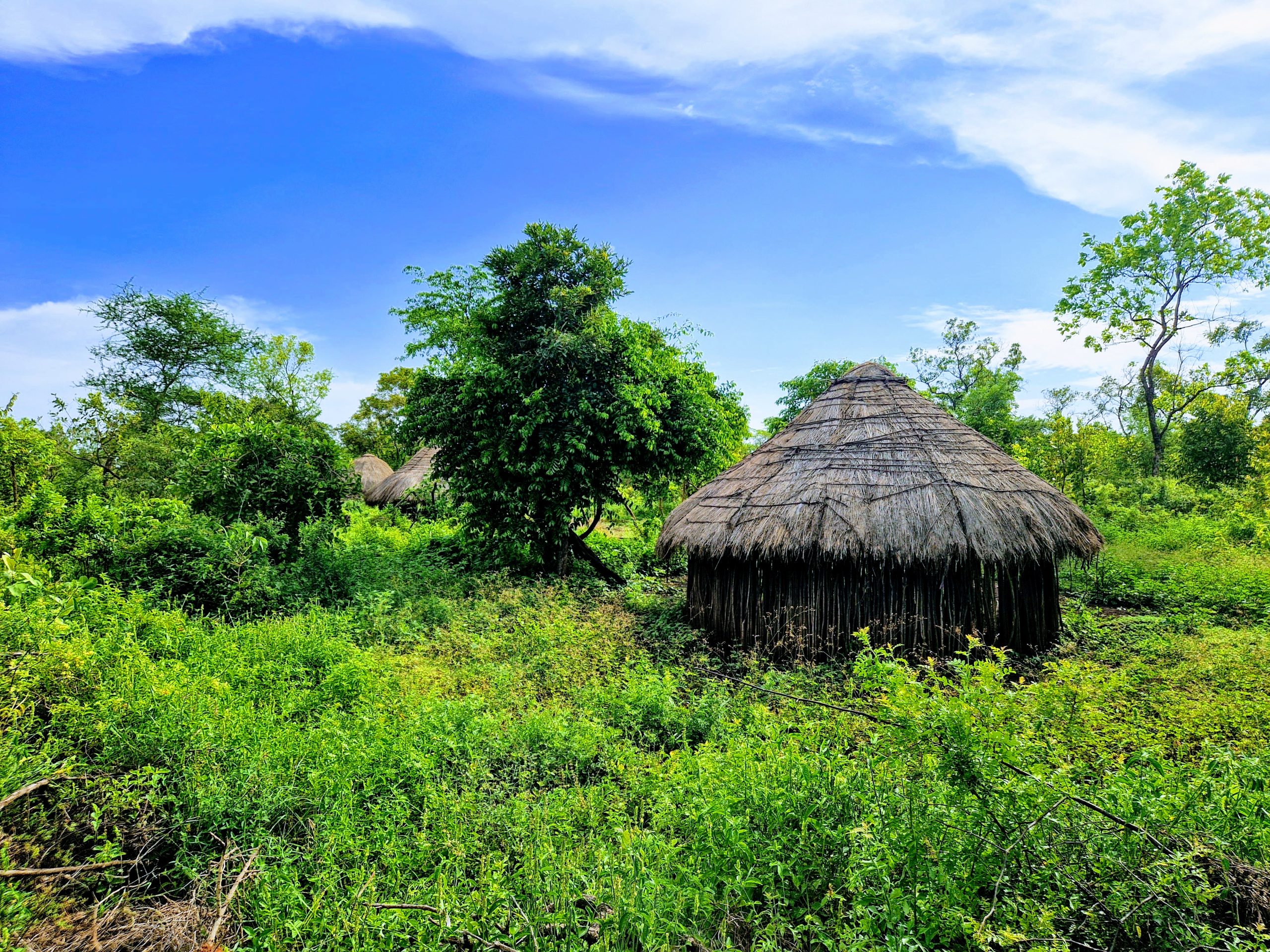
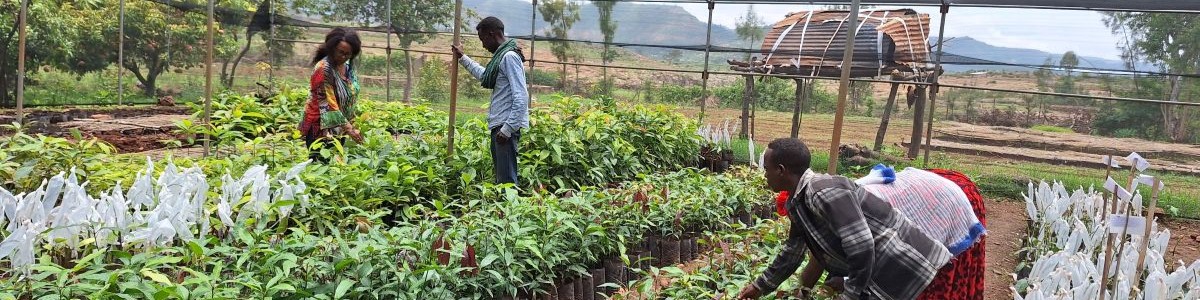
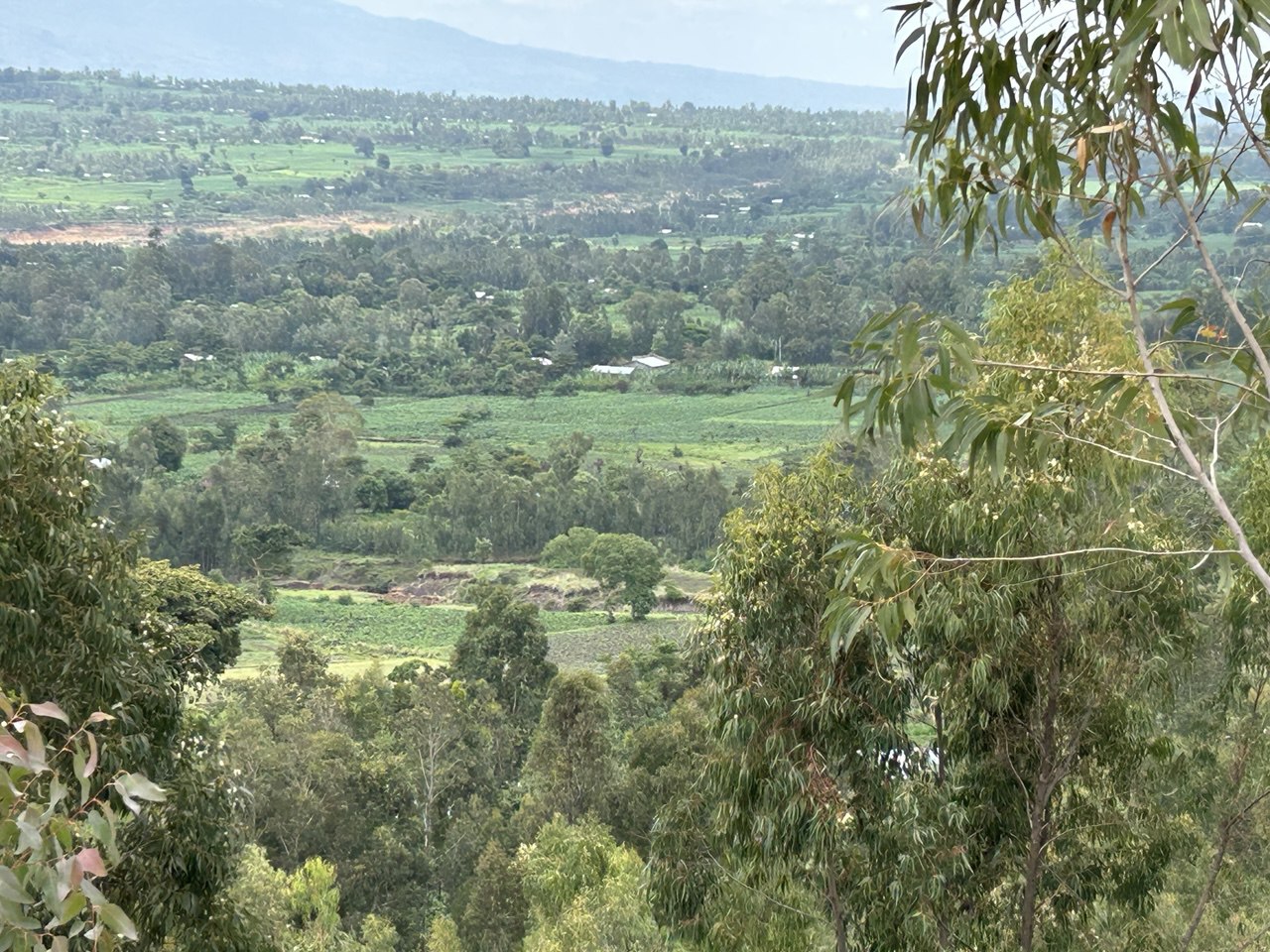
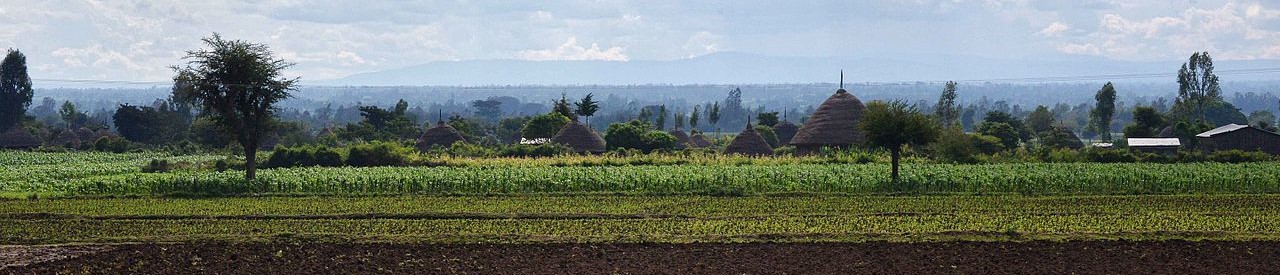
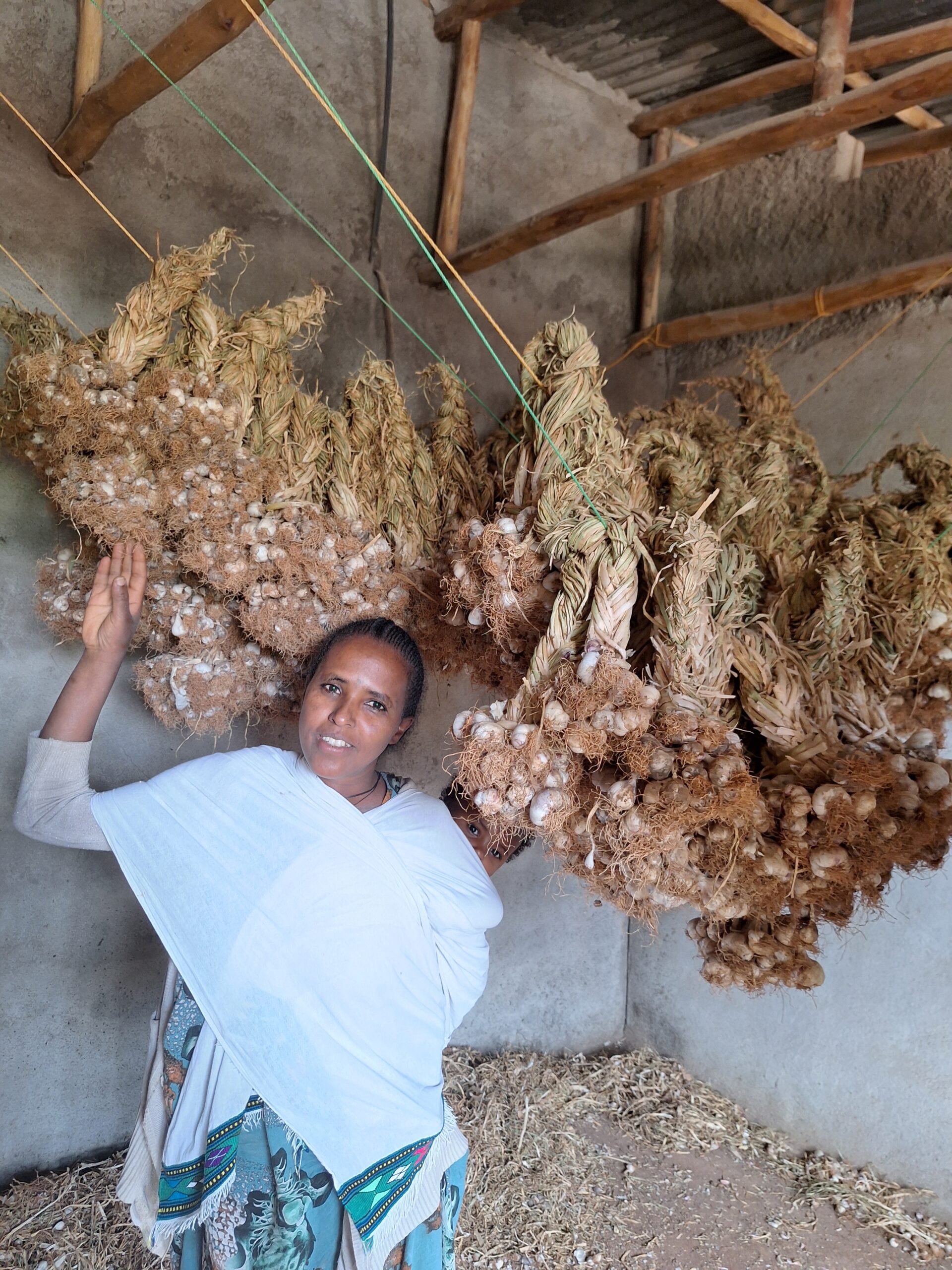
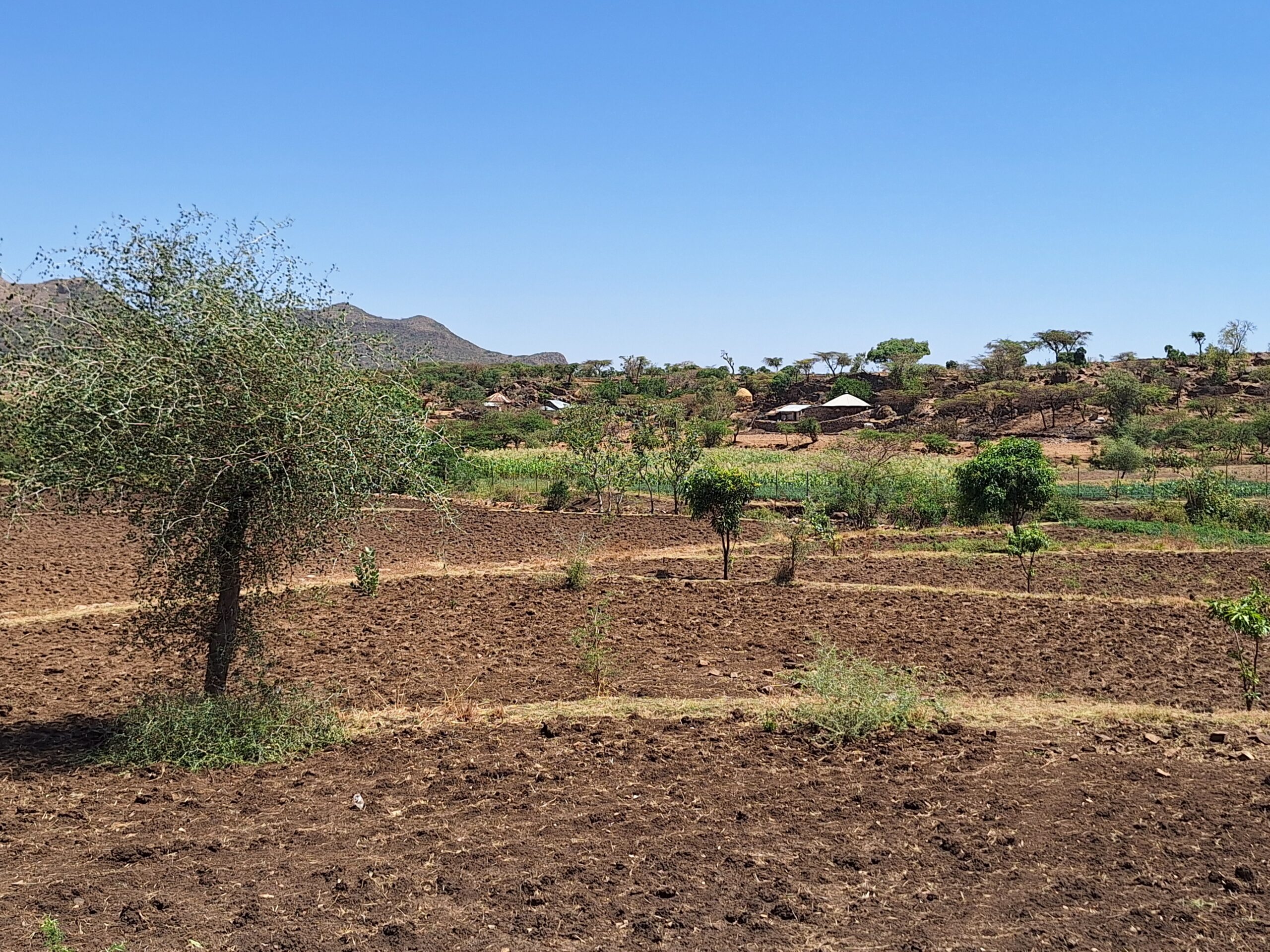
Images show: 2) GLI assisted in the natural regeneration of local plant species 3) GLI supported restoration of degraded landscape 4) GLI improves habitat restoration for beneficial insects. Credit: Dejene K. Mengistu

BioRes: Biodiversity Potential for Resilient Livelihoods in the Lower Omo, Ethiopia

Project Summary

Countries: Ethiopia

Delivery Partner: University of Leeds

Project Partners: Arba Minch University, Cool Ground

Principal Investigator: Dr Jennifer Hodbod, University of Leeds

BioRes will clarify the potential for biodiversity to contribute to and improve livelihood security, adaptation to climate change, and resilience in Ethiopia’s newly formed Tama Community Conservation Area (CCA), where there is a lack of data to manage from.

Challenge

The Lower Omo is a region with high biodiversity that was sustainably managed by the Indigenous populations prior to the implementation of mega-projects by the Ethiopian state (i.e., National Parks, Gibe III dam, Kuraz Sugar Project). Transformation resulting from these projects has led to an un-desirable regime shift from the agro-pastoralist or hunter-gatherer livelihoods embedded in the local cultures to wage labourers on the agricultural estates or out-migration, increasing pressure on biodiversity and not supporting resilient livelihoods.

Insight

The Tama Community Conservation Area has been designed to provide a supplemental sustainable livelihood alternative (ecotourism). BioRes supports that goal by addressing the biodiversity knowledge gaps critical for both food security and ecotourism, so that the CCA regulations can support biodiversity through climate change.

Collaboration

Through a participatory process, the communities and CCA stakeholders will develop capacities for biodiversity monitoring, produce the first biodiversity assessment datasets for the region and accompanying knowledge products, be supported in adapting the CCA management plans to be more inclusive and effective to the sustainable use of biodiversity for climate, and as a result, demonstrate greater resilience to future climate change.


BioRes uses an engaged approach to integrate the rich traditional ecological knowledge held by local communities with systemic biodiversity monitoring. By combining these ethnobotany and ethnozoology approaches with qualitative data, we will address the data gap in the region, build capacity for monitoring to continue after BioRes, and inform CCA management, thus contributing to improved livelihood security, adaptation to climate change, and resilience in Ethiopia’s newly formed Tama Community Conservation Area.

Dr Jenny Hodbod, University of Leeds


Dr Jenny Hodbod

Jenny Hodbod is an Associate Professor of Environment and Development. Her research explores the creation the resilient and equitable food systems – environmentally and economically sustainable food systems that can feed a growing global population and support their wellbeing whilst adapting to security threats such as climate change, changing preferences, and economic shocks.

Using environmental social science methods, she primarily researches rural dryland systems, addressing issues of environmental degradation and food insecurity in these regions by exploring balances between competing land use strategies – livestock, arable agriculture, conservation – to improve the resilience of these fragile landscapes.


Photo Credits

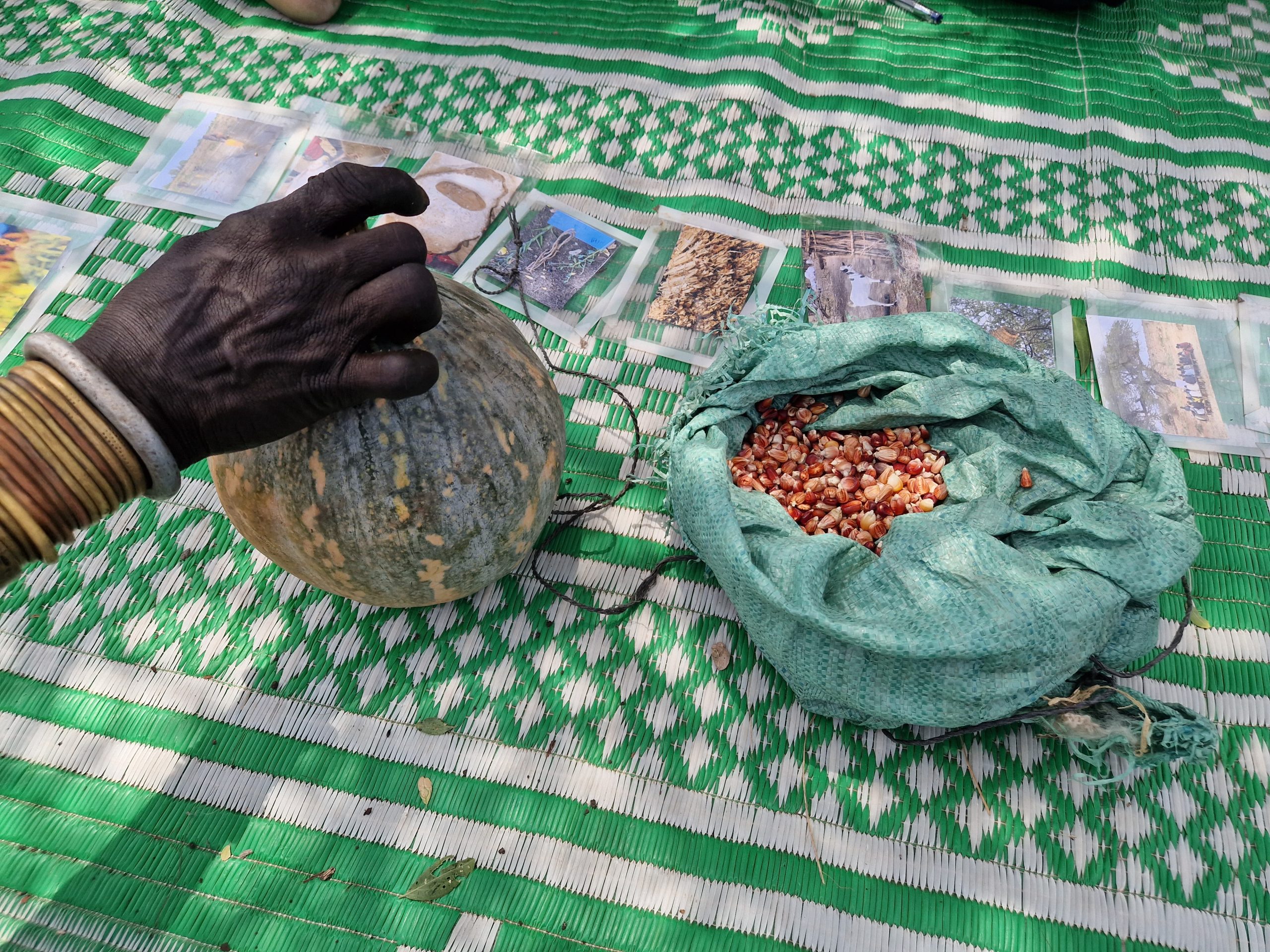
  1. Ecosystem Service Ranking
  2. Discussing Food Culture in the Tama Community Conservation Area
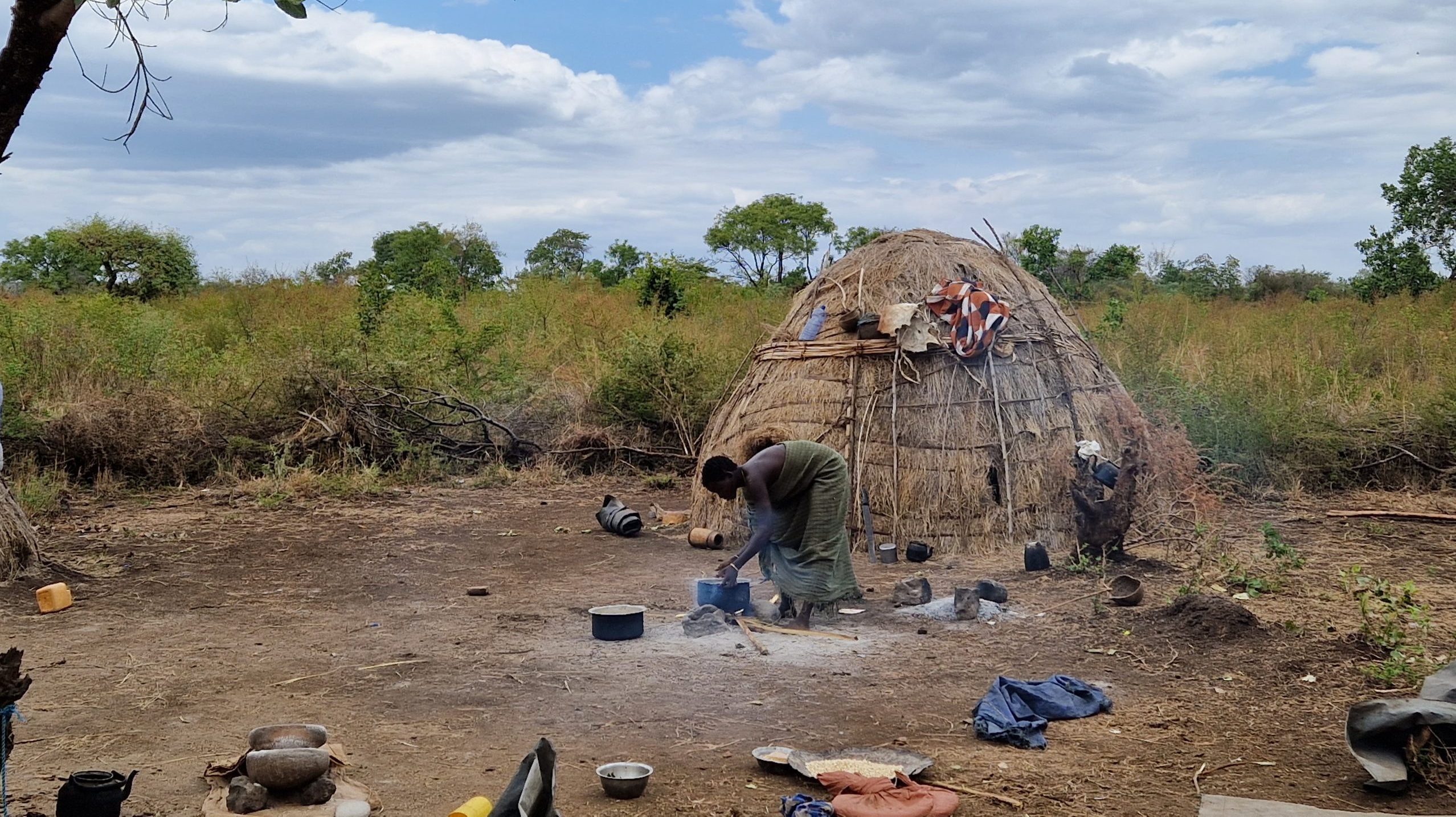
  3. Bodi Village Life
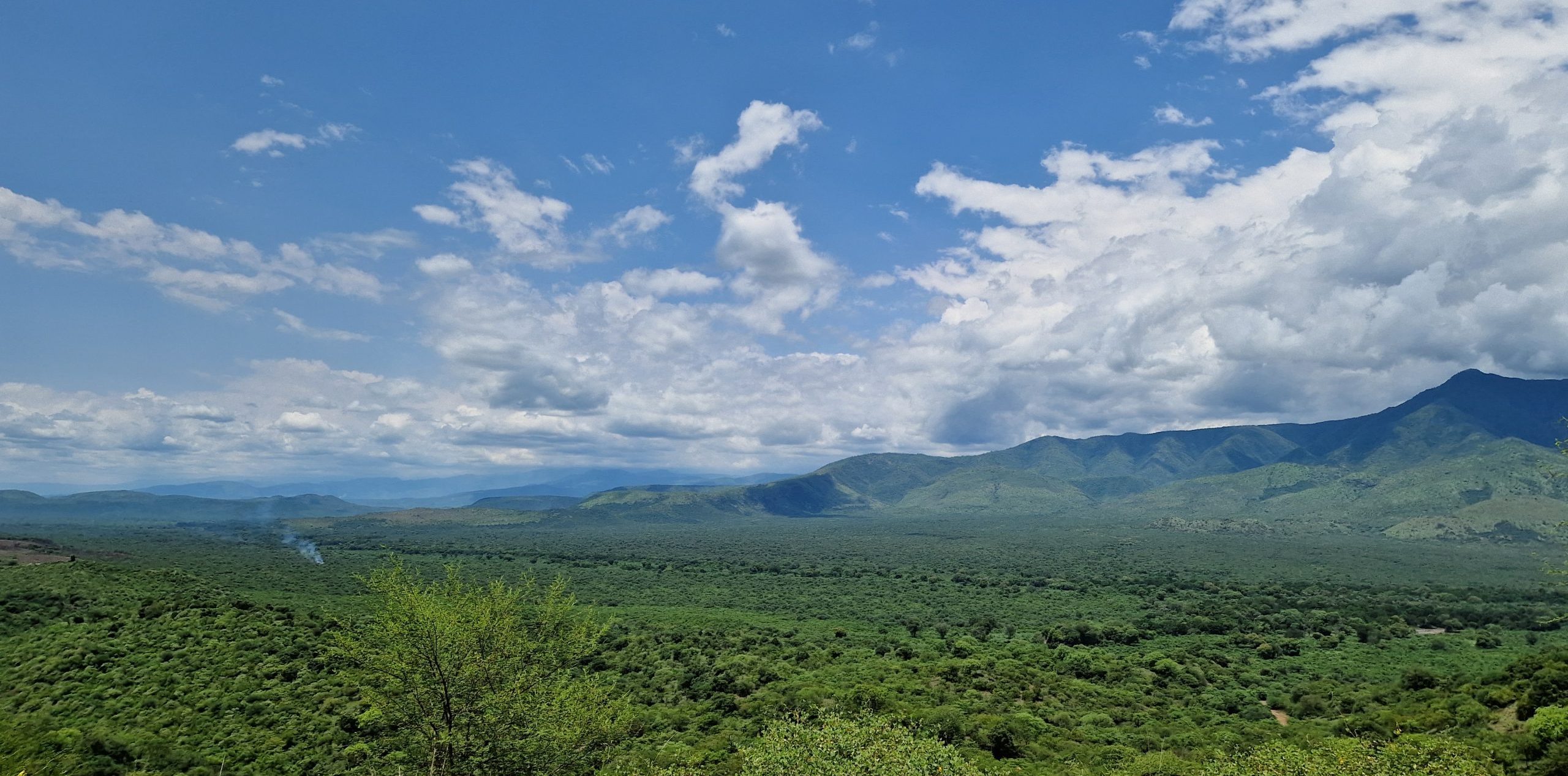
  4. Tama Community Conservation Area
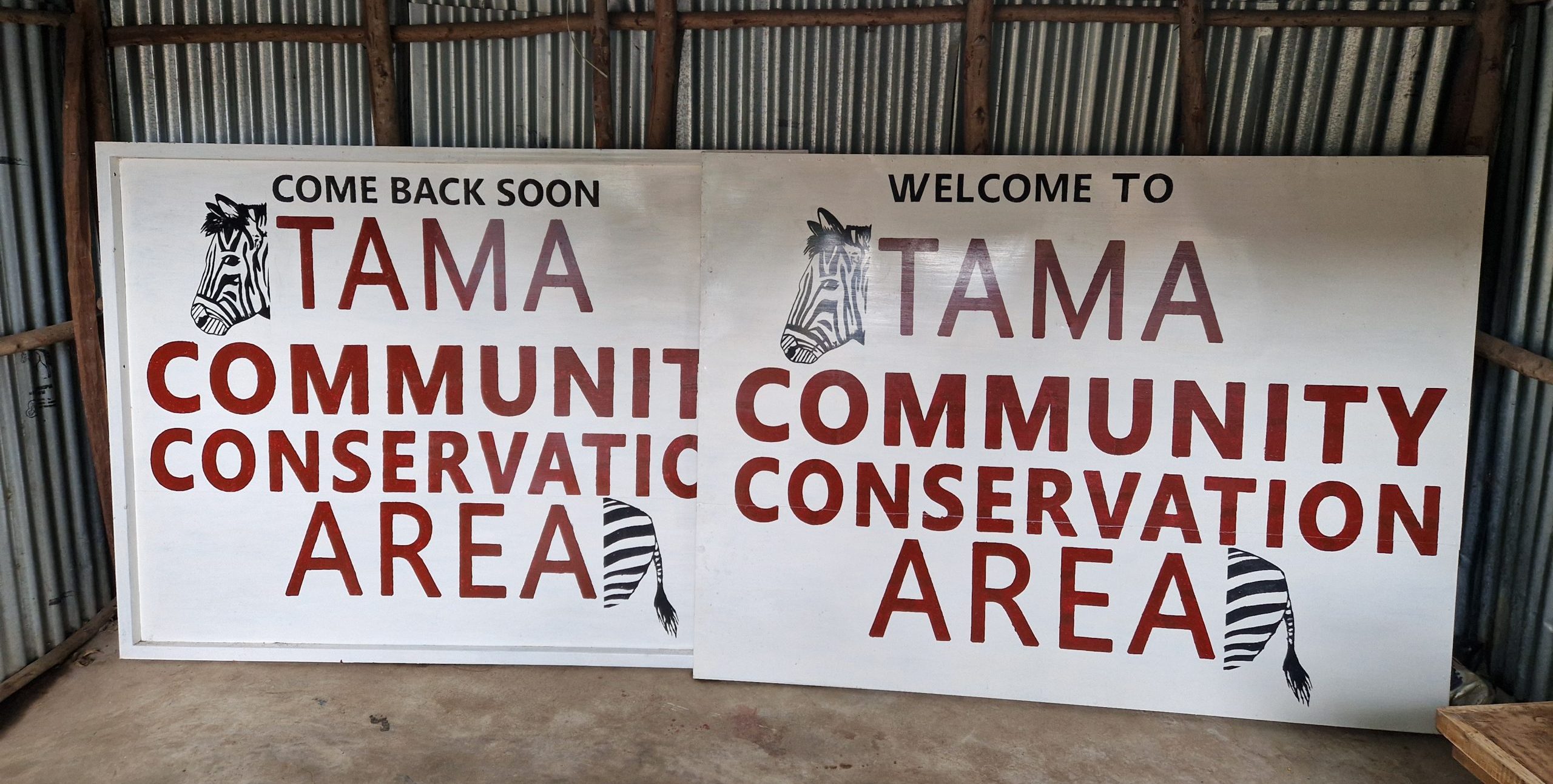
  5. Tama Community Conservation Area Signs
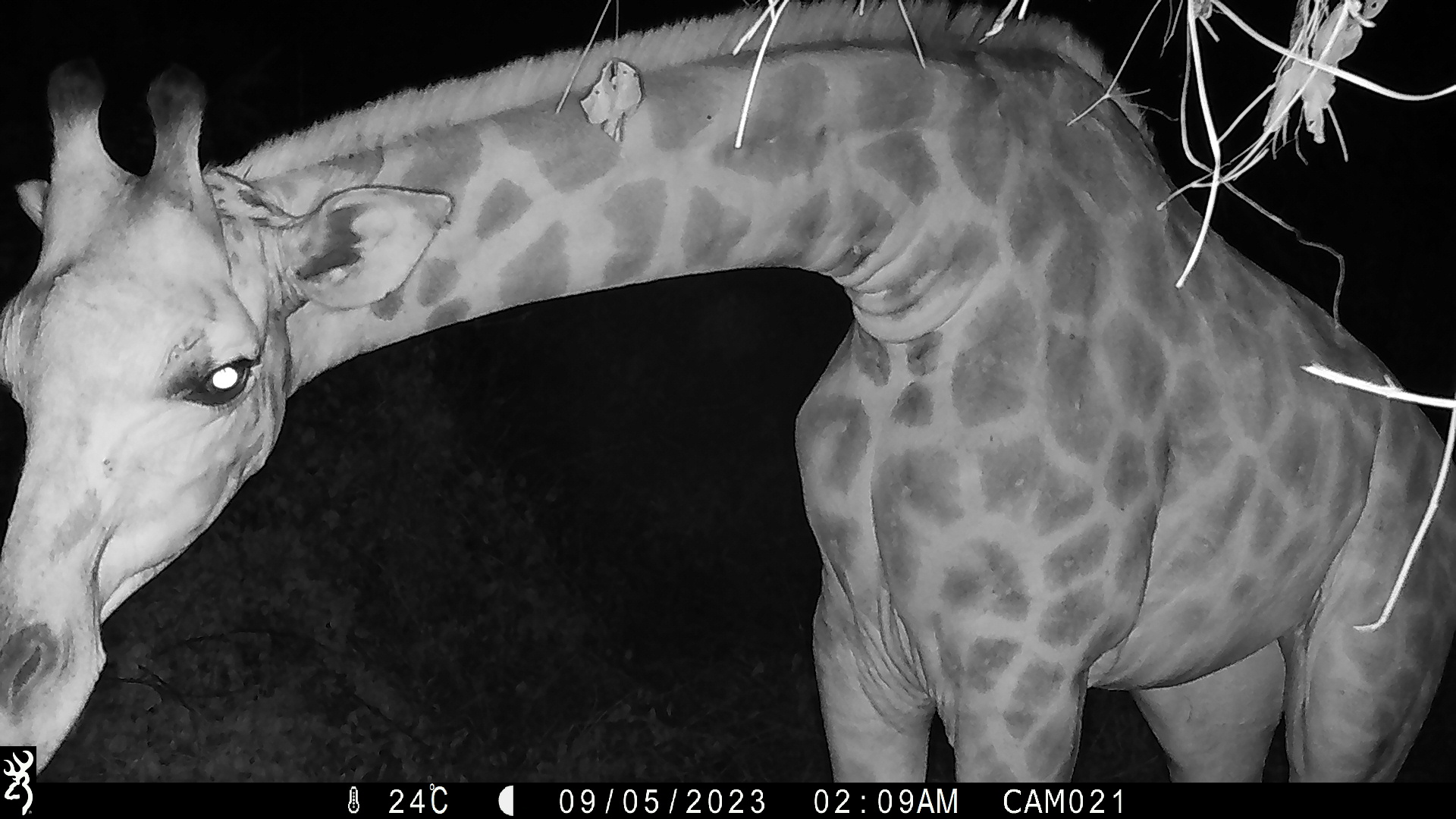
  6. Giraffe on Camera
  7. Bodi Land
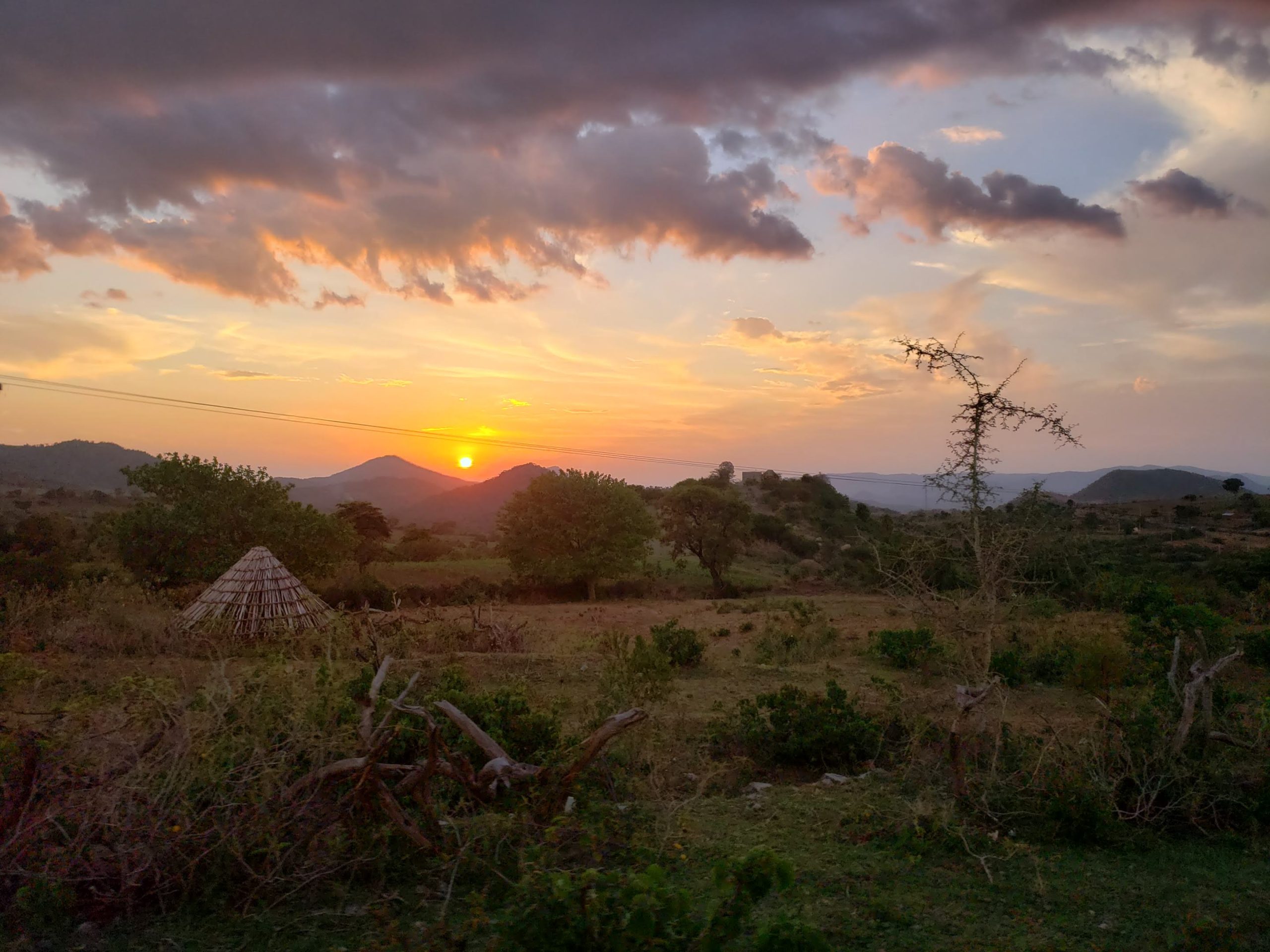
  8. Sunset in the Lower Omo
  9. Header Photograph (detail): Rod Waddington

CROSSROADS-SSA: Cataloguing and Rating of Opportunities for Side-lined Species in Restoration of Agriculturally Degraded Soils in Sub-Saharan Africa

Project Summary

Countries: Ethiopia

Delivery Partner: The University of Aberdeen

Project Partners: International Water Management Institute, Hawassa University (HU) Central Ethiopia Agricultural Research Institute (CEARI)

Contact: jo.smith@abdn.ac.uk

We will catalogue and test use of “side-lined” or “underutilised” native plants to restore degraded soils in Ethiopia, characterising impacts on biodiversity, poverty alleviation, and climate adaptation and mitigation.

Challenge

Ethiopia faces the urgent challenge of restoring soil health while strengthening biodiversity, climate resilience and rural livelihoods. Despite the wealth of underutilized plant species in Ethiopia, such as drought-tolerant local crops, resilient perennials, nutrient-enhancing legumes, and bank-stabilizing vegetation, their potential remains largely untapped. Harnessing these species requires transformative land management that integrates indigenous practices with modern science.

The challenge is to build tools that capture traditional knowledge, new measurements and systems-based insights into soil, water, food, climate and farmer wellbeing. These tools must be adaptable, practical and co-designed with smallholder farmers, who are the primary agents of change, ensuring solutions are attractive, usable and widely disseminated. At the same time, policymakers need concise, actionable information to enable supportive frameworks. Achieving this integration across diverse stakeholders will determine whether Ethiopia can pioneer scalable approaches to soil restoration and resilience, offering lessons applicable across Sub-Saharan Africa.


Insight

Our project addresses the challenge of restoring soil health in Ethiopia by systematically cataloguing and characterising underutilised plant species with proven potential across Sub-Saharan Africa. Through systematic review, meta-analysis and systems modelling, we will build a comprehensive catalogue of species, enriched by community engagement in the Bilate catchment to ensure local relevance. Laboratory and field studies will then characterise their impacts on soil health, water retention, erosion control, crop productivity, climate adaptation, biodiversity and livelihoods. This integrated approach combines scientific expertise in microbial and plant diversity, dynamic simulation modelling, and socio-economic analysis with traditional knowledge and farmer perspectives.

The expected impact is a set of co-designed tools and dissemination methods, ranging from mobile apps and decision-support systems to paper-based formats in local languages, that empower smallholder farmers and inform policymakers. By evaluating dissemination strategies and framing training toolkits, we aim to ensure uptake and sustained use. Insights gained to date highlight the importance of combining indigenous practices with scientific studies and modelling to capture system-wide interactions between soil, water, biodiversity and livelihoods. This participatory, systems-based approach will generate scalable solutions for soil restoration and resilience, with lessons applicable across Sub-Saharan Africa.


Collaboration

The project is led by the University of Aberdeen, bringing multidisciplinary expertise across soil science, biodiversity, economics and climate resilience. Jo Smith (soil modelling) and Georgios Leontidis (machine learning) contribute to cataloguing under-utilised species, while Hawassa University contribute expertise in conservation and community engagement (led by Awdenegest Moges). From the University of Aberdeen, Paul Hallett (soil health, erosion), David Burslem (tropical biodiversity), Cecile Gubry Rangin (microbial ecology), Pete Smith (global change) and Euan Phimister (rural economics) bring expertise to characterise impacts on soil health, biodiversity, climate resilience and livelihoods.

Work led by Wolde Bori (International Water Management Institute) adds strengths in soil stabilisation, hydrology, irrigation, food production and gender inclusion. Getahun Yakob (Central Ethiopia Institute of Agricultural Research, Ethiopia), brings expertise in agroforestry and soil management, supporting field sites, and leading dissemination and community engagement. Together, these partnerships ensure robust, interdisciplinary delivery and impact.

For years we have focussed on using organic wastes to increase soil organic matter. This often doesn’t work because households have other pressing needs for organic wastes, such as energy provision or building. By drawing on under-utilized plants, we open up new ways to improve soil health, benefitting the community by increasing crop production and climate resilience, while also promoting the unique biodiversity of these rich ecosystems.

Prof Jo Smith, University of Aberdeen


Professor Jo Smith

Jo Smith is Professor of Soil Organic Matter and Nutrient Modelling at the University of Aberdeen, specialising in systems modelling and sustainable land management. She has extensive experience leading interdisciplinary projects on agriculture, climate resilience and ecosystem services, with a strong track record of collaboration across international research networks.

Her work integrates biophysical modelling with socio-economic perspectives to assess impacts of land use change, organic waste recycling and underutilised plants on soil health, biodiversity, and livelihoods. As Principal Investigator, she will coordinate project delivery, ensuring robust scientific outputs and effective dissemination to global policy and practitioner communities.


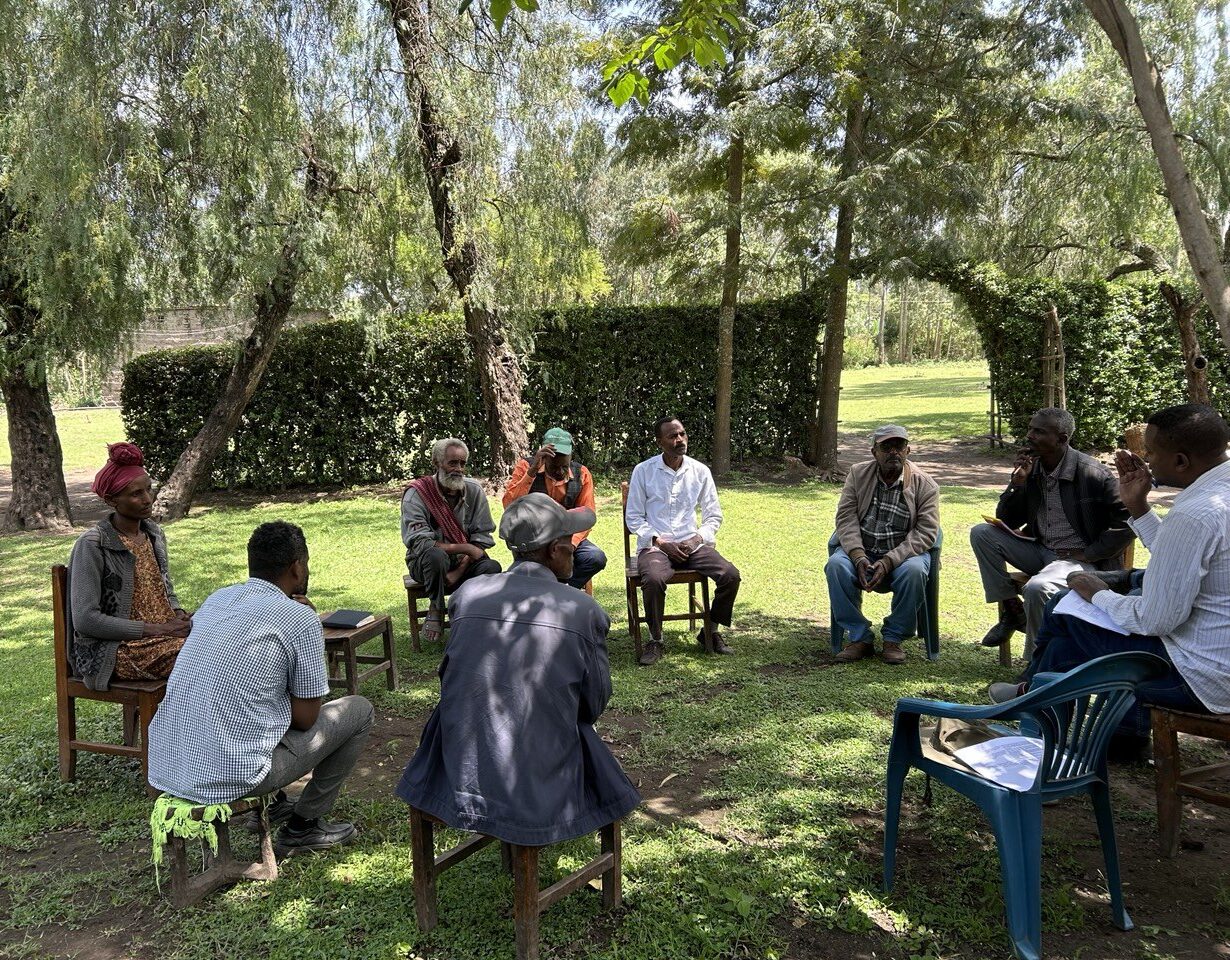
Photo Credits: 1) Scientists from the project and participating farmers sit together in an outdoor circle, engaged in discussion. Photo credit: Prof. Awdenegest Moges. Header Image: Photography (detail): A. Davey

Multifunctional Agroforestry for Ethiopia: MAF4E

Project Summary

Countries: Ethiopia

Project Partner: Tree Aid

Principal Investigator: Dr Aster Gebrekirstos, Global Scientist, Leader of the Dendrochronology Laboratory, CIFOR-ICRAF

Multifunctional Agroforestry for Ethiopia (MAF4E) enhances biodiversity, livelihoods, and landscape resilience in the Ethiopian highlands. Through Living Labs, it blends traditional knowledge and science to co-create scalable tools, strategies, business models, and partnerships, using real-time, real-world data to guide evidence-based decisions that support poverty reduction, land restoration, ecosystem resilience, and sustainable highland development.

Challenge

The core challenges our project seeks to address is how to design and promote multifunctional agroforestry systems that enhance biodiversity, strengthen ecosystem resilience, and improve rural livelihoods in the highlands of Ethiopia—while minimizing trade-offs. Integrating trees into farming landscapes offers significant ecological and economic benefits, but it requires context-specific knowledge and careful planning. Although traditional agroforestry systems exist, they face challenges, and in northern Ethiopia, agroforestry remains limited in scale. Developing diversified species portfolios demands a deep understanding of local ecological dynamics, tree–crop interactions, and community priorities. Social factors—such as gender, age, and cultural norms—also shape adoption and management practices, adding complexity.

Additionally, climate variability, including droughts, floods, and unpredictable weather, increases uncertainty. Our project addresses these challenges by co-developing inclusive, knowledge-driven strategies that harmonize productivity, biodiversity, and climate adaptation, fostering resilient landscapes and sustainable livelihoods for highland communities.

Insight

To address interconnected environmental and livelihood challenges in Ethiopia’s highlands, the MAF4E project co-develops inclusive, knowledge-driven strategies that integrate scientific research with traditional knowledge. Guided by a vision of bringing science to communities and elevating community voices in science, MAF4E promotes green job creation, strengthens local knowledge systems, and empowers women and youth as key agents of change. By combining local wisdom with scientific innovation, the project supports resilient landscapes, diversified livelihoods, and nature-based climate solutions. Its people-centered approach ensures that sustainability and equity remain at the core of transformation.

MAF4E focuses on multifunctional agroforestry systems that enhance biodiversity, restore degraded land, improve soil and water health, and boost farm productivity while strengthening climate adaptation. Over the past year and a half, the project has established Rural Resource Centers producing thousands of diverse seedlings, created livelihood opportunities for women and youth, launched multistakeholder innovation platforms and Living Labs, installed climate-monitoring sensors, promoted indigenous and improved fruit tree species, and developed demonstration agroforestry plots across highland landscapes.

Because trees require time to mature, sustained monitoring is essential. MAF4E is generating robust ecological and social datasets on tree performance, biodiversity, and traditional knowledge—providing tools, evidence, and pathways for policy action and scalable, resilient agroforestry systems with lasting environmental and social benefits.


Collaboration

Our partner organizations include Tree Aid and the University of York from the United Kingdom. Tree Aid implement activities in Northern Ethiopia, Amhara region. In Ethiopia, we collaborate closely with national and regional institutions such as the Ethiopian Forest Development, the Ethiopian Biodiversity Institute, and the Southern Ethiopia Regional State. Academic partnerships further strengthen our work through collaborations with Mekelle University, Mettu University, and Dilla University. Together, these partnerships enhance research, capacity building, and advancing shared goals in biodiversity, agroforestry, and climate-resilient development.

Through living labs in Ethiopia, we are advancing research-driven innovation that turns isolated agroforestry successes into scalable solutions for Africa. By combining scientific insight with traditional knowledge, we are co-creating and co-implementing solutions that boost productivity, biodiversity, strengthen resilience, and protect the natural resources farmers depend on — today and for the future.

Dr Aster Gebrekirstos, Principal Investigator

Dr Aster Gebrekirstos

Dr. Aster Gebrekirstos is a globally recognised forest and climate scientist and a pioneer of dendroecology in Africa. As Global Senior Scientist at CIFOR-ICRAF, she leads research on tropical forest ecology, climate change, agroforestry, and landscape restoration. She established Africa’s first tree-ring laboratories in Ethiopia and Kenya, advancing knowledge of climate history and indigenous tree species ecology.

Author of over 100 publications, including in Nature, Science and Nature Plants, she is a Fellow of TWAS, IAWS, and AAS. She serves as Vice President of the International Union of Agroforestry, founding president of the Africa Tree Ring Network, and newly elected Founding President of the African Agroforestry Union, uniting stakeholders to scale multifunctional agroforestry for livelihoods, landscape restoration, and climate resilience across Africa and globally.


Images

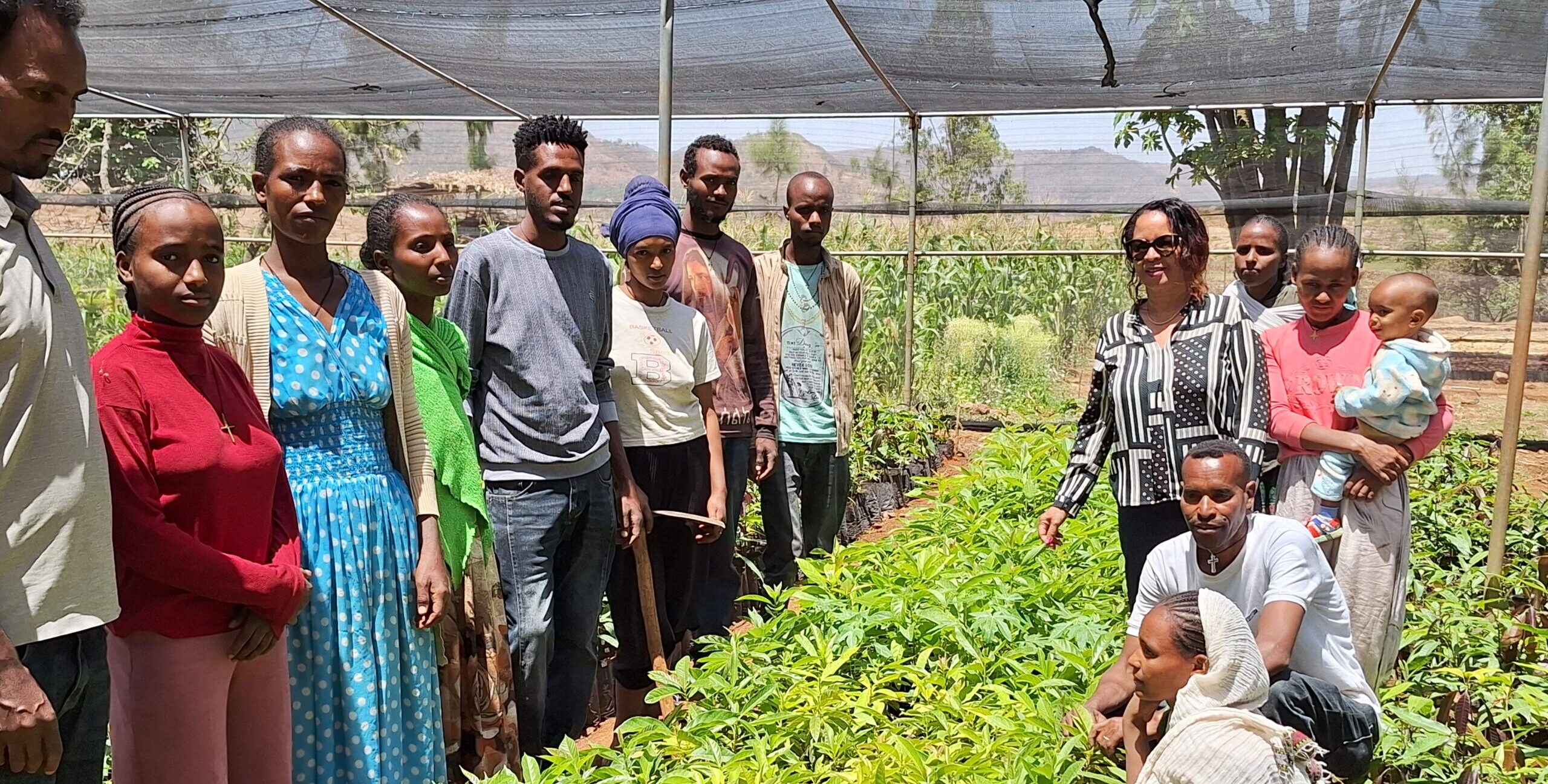
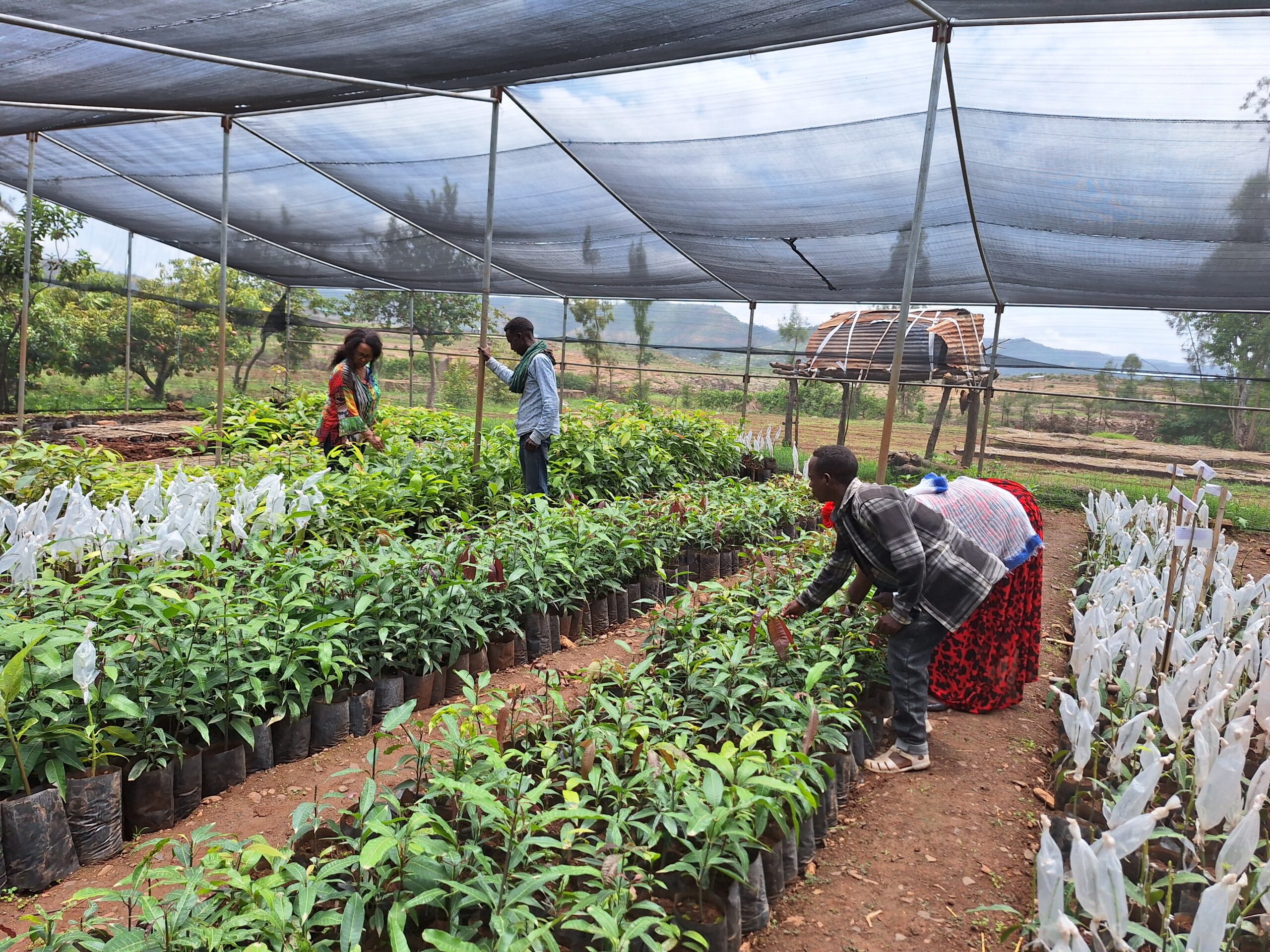
  1. The Nursery Shed established by the project in Selekelaka, Tigray with Dr Aster Gebrekirstos and beneficiaries. Photo by Kahsu.
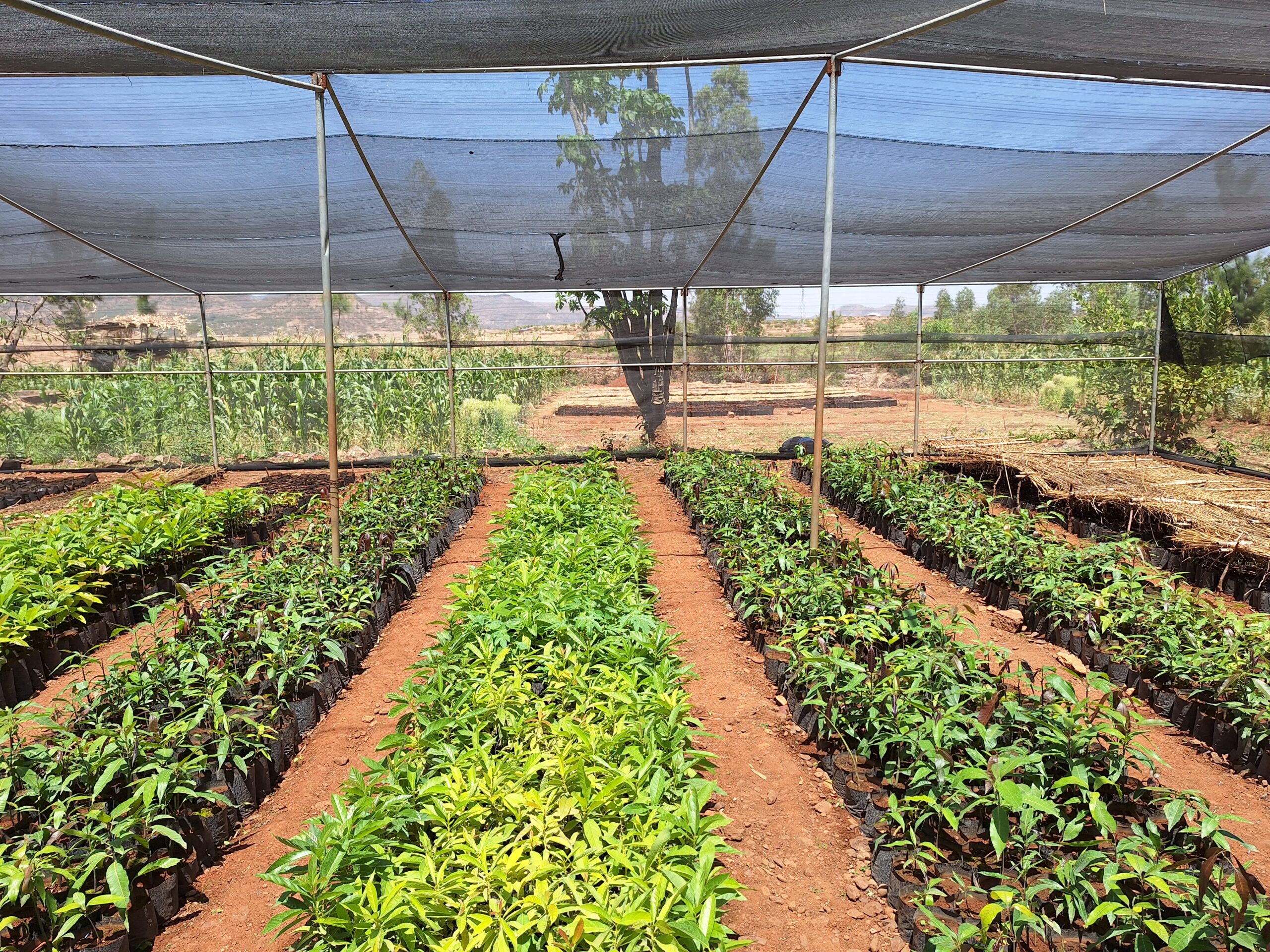
  2. The Nursery Shed in Selekelaka, Tigray. Photo by Kahsu.
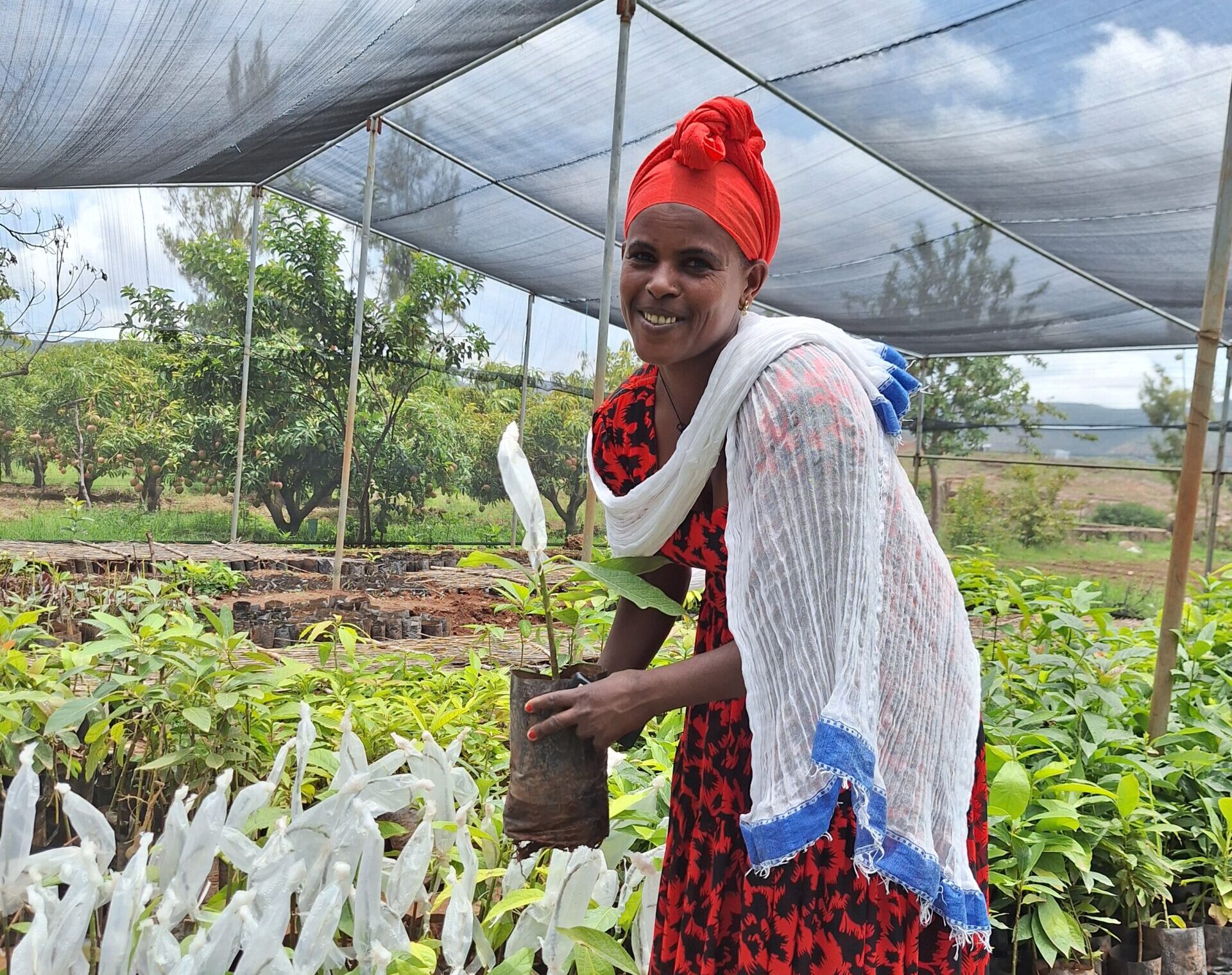
  3. A beneficiary woman from the RRC nursery site in Selekelaka, Tigray. Photo by Kahsu
  4. Dr Aster Gebrekirstos and beneficiaries. Photo by Kahsu.
  5. One of the women beneficiaries from the project at the RRC Tigra plot. Photo by Aster Gebrekirstos.
  6. Project site in Tigray with only a few scattered trees on farm. Photo by Aster Gebrekirstos.


TIPAS: Realising the potential of plant bioresources as nature-based solutions in African biodiversity hotspots

Countries: Ethiopia, Guinea, Sierra Leone

Partners: UK: Royal Botanic Gardens Kew; Ethiopia: Ethiopian Biodiversity Institute, Hawassa University, Addis Ababa University; Sierra Leone: Njala University; International: Biodiversity International, CIAT.

Summary: More than 31,000 useful plant species have historically been documented to fulfil needs and services for humans, yet today in our food systems, we derive >50% of calories from just three crops, rice, wheat and maize. Sustainable exploitation of the diverse library of underutilized species and bioresources – including timber, medicines and valuable chemicals – represents an untapped opportunity to alleviate poverty, develop value chains, and tackle food insecurity, whilst being underpinned by nature conservation. These nature-based opportunities lie predominantly in tropical high-biodiversity countries and offer significant climate alleviation and biodiversity co-benefits. This project seeks to accelerate Kew’s efforts to identify and characterise high-value plant biodiversity hotspots, in three strategic tropical high-biodiversity countries, and pathways to develop bioresources within them. It aims to demonstrate both the economic and ecosystem service benefits of plant bioresources at both the local community and national level.

Related links: Supporting climate-resilient sustainable development in Africa | Kew