Principles for Inclusive Nature Action: why rights and inclusion are a condition for impact
When we talk with partners and researchers about what works – what actually protects biodiversity and improves lives – the conversation comes back to who holds power, whose knowledge is valued, and who feels safer and better off because of the work. Social justice and rights aren’t a moral add-on to research. They’re a condition for research impact. If rights are ignored or voices sidelined, even the strongest technical ideas fail to take root
The principles for inclusive nature action are intended to provide a guiding framework to help governments, donors, non-governmental organisations and other stakeholders support and scale up transformative action to conserve, restore and sustainably use and manage biodiversity in ways that are locally-led, gender-responsive and inclusive of a wide diversity of rights holders.
This includes women, youth, children, people living with disabilities, displaced people, Indigenous Peoples and local communities, people of African descent and other ethnic groups. These groups are often at the frontline of biodiversity action, yet least empowered to effect change due to systemic barriers and discrimination.
Evidence shows that these approaches are, ultimately, more effective for biodiversity as well as being more socially just.
The principles were developed during a Wilton Park conference on ‘Transformative change for global biodiversity: the role of gender equality and social inclusion’ hosted by the UK Department for Environment, Food and Rural Affairs in September 2024.
They draw on the principles for locally led adaptation and on the Shandia Principles, developed by the Global Alliance of Territorial Communities, as well as the outcomes of discussions during the conference. They are also in line with the United Nations Convention on Biological Diversity Gender Plan of Action.
1. Recognise and respect rights
Recognise, acknowledge and advance the rights, knowledge and capabilities of Indigenous Peoples and local communities and people of African descent, especially women and youth as essential partners for reversing biodiversity loss, combating climate change and achieving sustainable development. Accept the universality of human rights while at the same time recognising the characteristics and needs of specific groups and the particular rights, including customary rights, arising in those contexts. Adopt policies and procedures to ensure that rights are respected, protected and fulfilled and implement these in a coordinated and holistic manner across operations at all levels, avoiding trade-offs.
2. Devolve decision making and strengthen local leadership
Ensure that local organisations and groups, including Indigenous Peoples and local communities and people of African descent, have increased voice and decision-making power over how biodiversity protection, restoration and sustainable use interventions are prioritised, designed, implemented and evaluated. Build the capacity of local organisations and groups, particularly those led by women and other under-represented groups, to ensure they have the resources, decision-making power, and autonomy to generate durable, place-based solutions, and lead impactful biodiversity initiatives over the long term. Recognise the contributions and achievements of local organisations and groups, particularly those led by women and other under-represented groups, including in formal national and international reporting.
3. Recognise and address structural and intersectional inequalities
Recognise and address the intersectional gender, racial and other characteristics that are often the root causes of structural social and economic inequalities. Integrate these considerations into the mainstream of biodiversity action to ensure equitable access to the resources and benefits that are generated. Actively create and sustain environments and mechanisms for inclusive, effective and gender-responsive participation, leadership, decision-making and feedback. Engage with dominant actors that may inadvertently reinforce inequalities, and proactively dismantle the structural barriers to positive change.
4. Encourage flexible, adaptive biodiversity programming
Encourage flexible, adaptive, gender-responsive and locally-driven biodiversity management and programming to facilitate local leadership, as well as to address and respond to the inherent uncertainty of biodiversity under a changing climate, and to recognise and adapt to diverse ecological and cultural contexts. Support local leadership by making the processes of designing, and delivering programmes more streamlined, simple and transparent, ensuring mutual accountability between local stakeholders and donors or intermediaries. Ensure that programme decision making is shared, inclusive and gender-responsive.
5. Provide direct, patient, flexible, predictable and accessible funding
Ensure the provision of adequate, direct, transparent, gender-responsive funding – including core support – for long-term biodiversity protection, restoration and sustainable management. Provide longer-term, predictable funding to Indigenous Peoples and local communities, people of African descent, women and youth groups with a focus on supporting sustainable outcomes rather than short-term results. Funders and intermediaries should be prepared and supported to hold risk, take a holistic and cross-sectoral approach, and invest in strengthening capacity at all levels.
6. Recognise the mutual value of scientific, and local and traditional knowledge
Build a robust understanding of biodiversity risks, opportunities, uncertainties and definitions of success through a combination of different forms and sources of knowledge. Recognise and protect the leadership of women from Indigenous Peoples and local communities and people of African descent in safeguarding intergenerational traditional or ancestral knowledge that sustains biodiversity. Prioritise the protection, intergenerational transfer and application of this knowledge for future use to enable societal and ecological resilience under a planetary crisis.
7. Promote collaborative and coherent action and investment
Encourage inclusive collaboration between stakeholders across sectors, to ensure that different initiatives and sources of funding complement and support, rather than duplicate each other and allow for greater reach. Prioritise partnerships that amplify the leadership of local actors, particularly women and underrepresented groups, and ensure that their priorities and knowledge drive collaborative action. States should adopt a co-ordinated ‘whole-of-government’ approach across the environmental challenges of biodiversity loss, climate change and desertification, as well as finance, trade, investment, agriculture, development and human rights.
8. Safeguard local actors, beyond ‘do no harm’
Go beyond harm prevention by actively promoting the realisation of human rights and the well-being and resilience of local actors, especially Indigenous Peoples and local communities and people of African descent, women and youth. Create enabling environments that support their leadership and agency. Take proactive action to protect local stakeholders – including environmental defenders – from harm, including gender-based violence and actions which undermine their agency or cause further marginalisation.
How GCBC projects are already putting the Principles to work
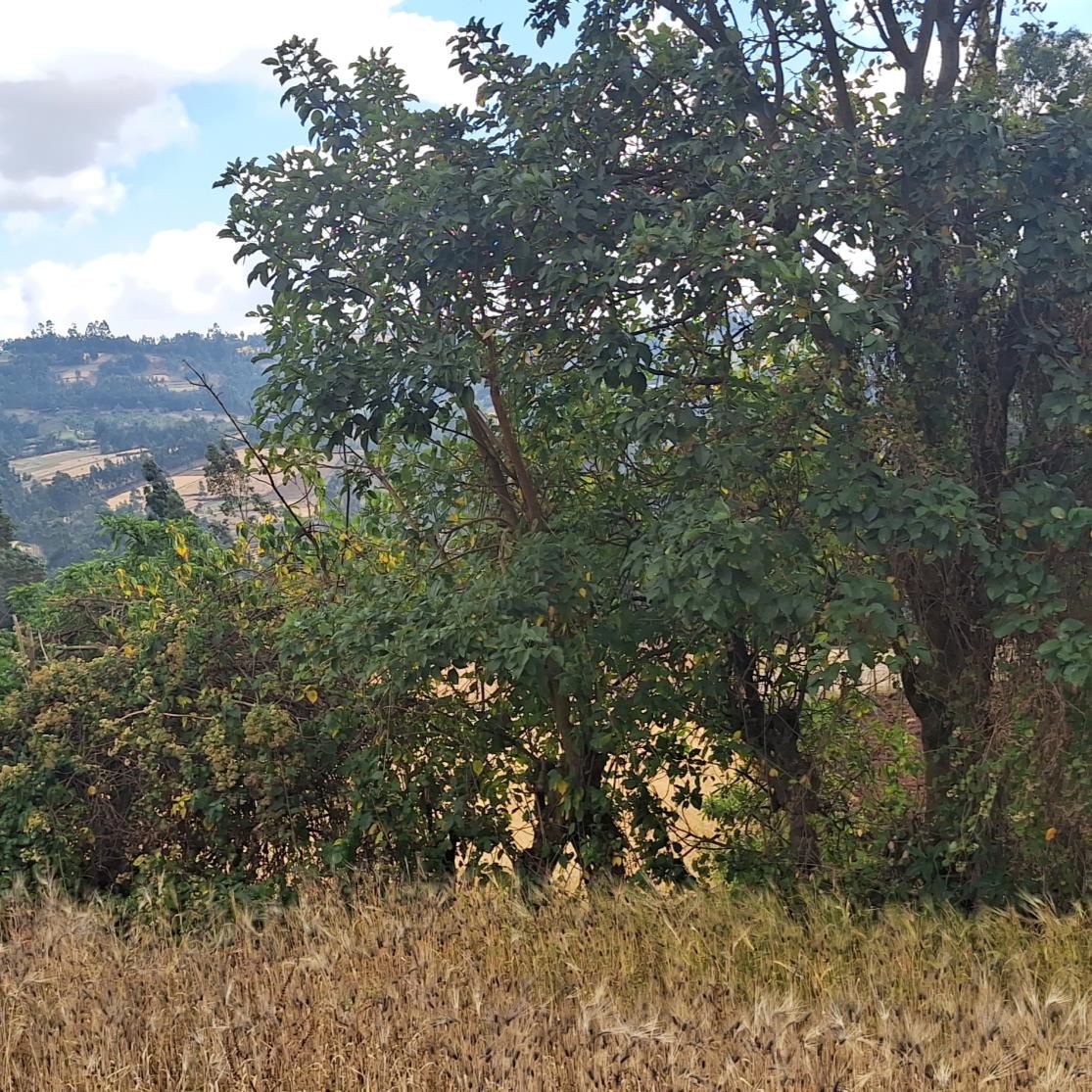
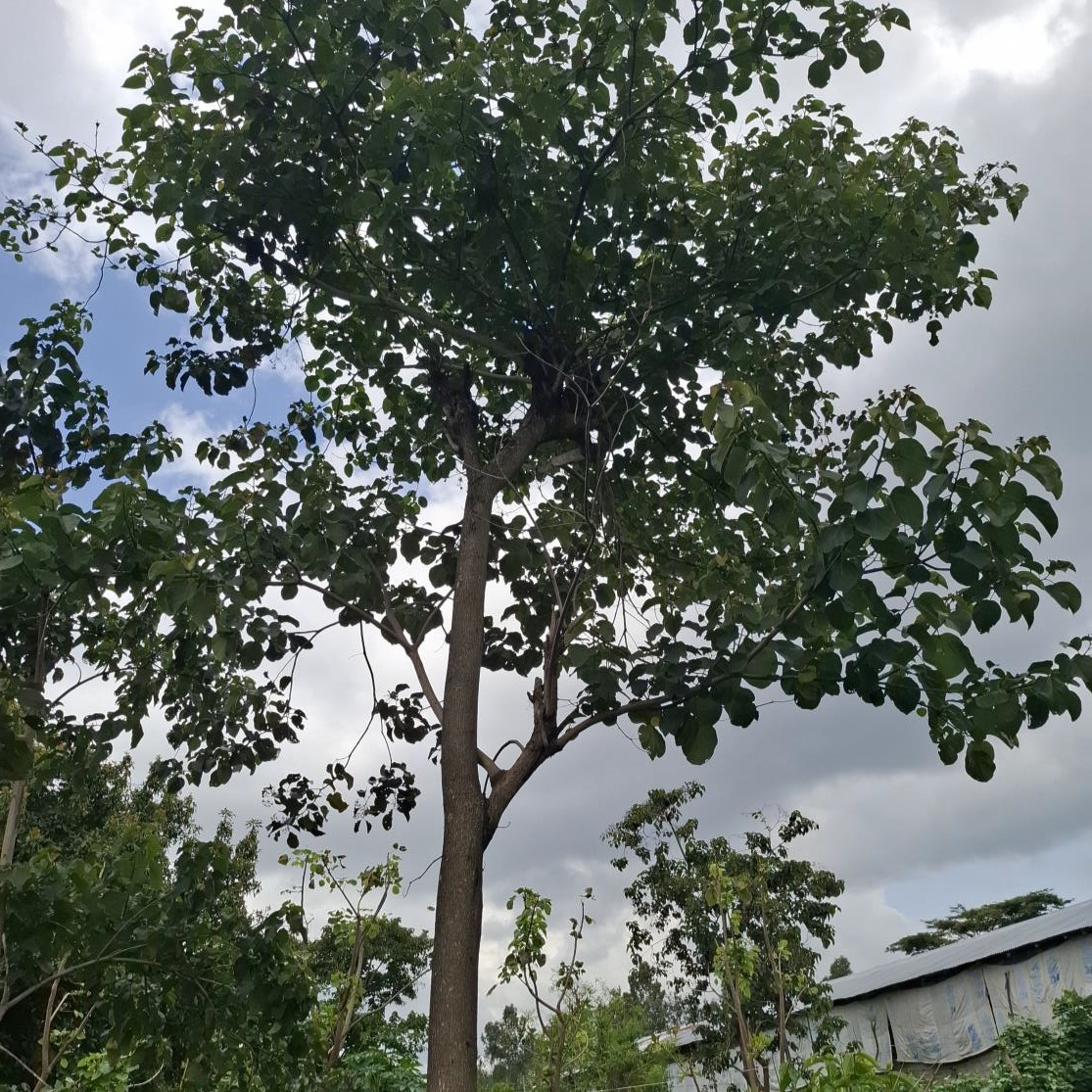
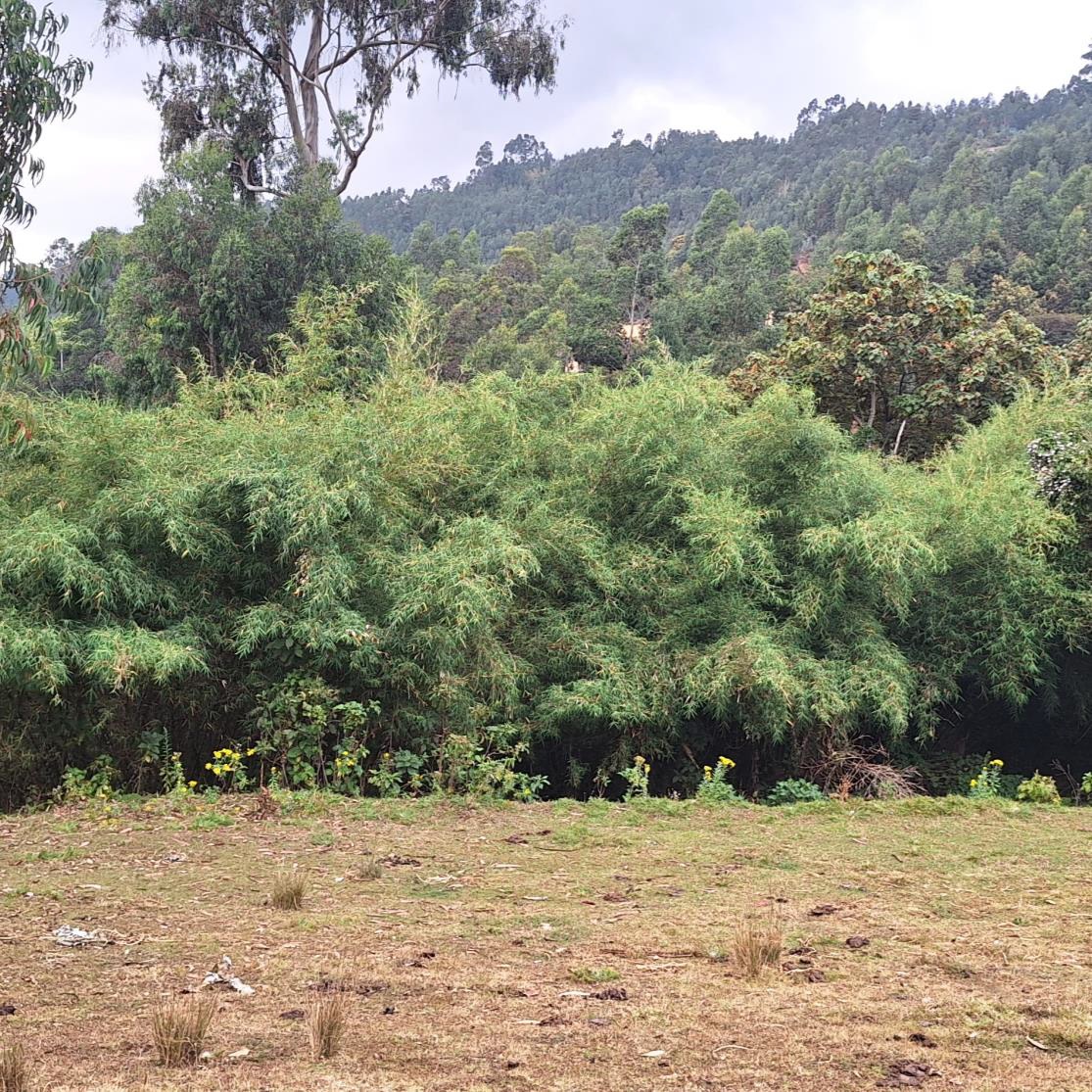
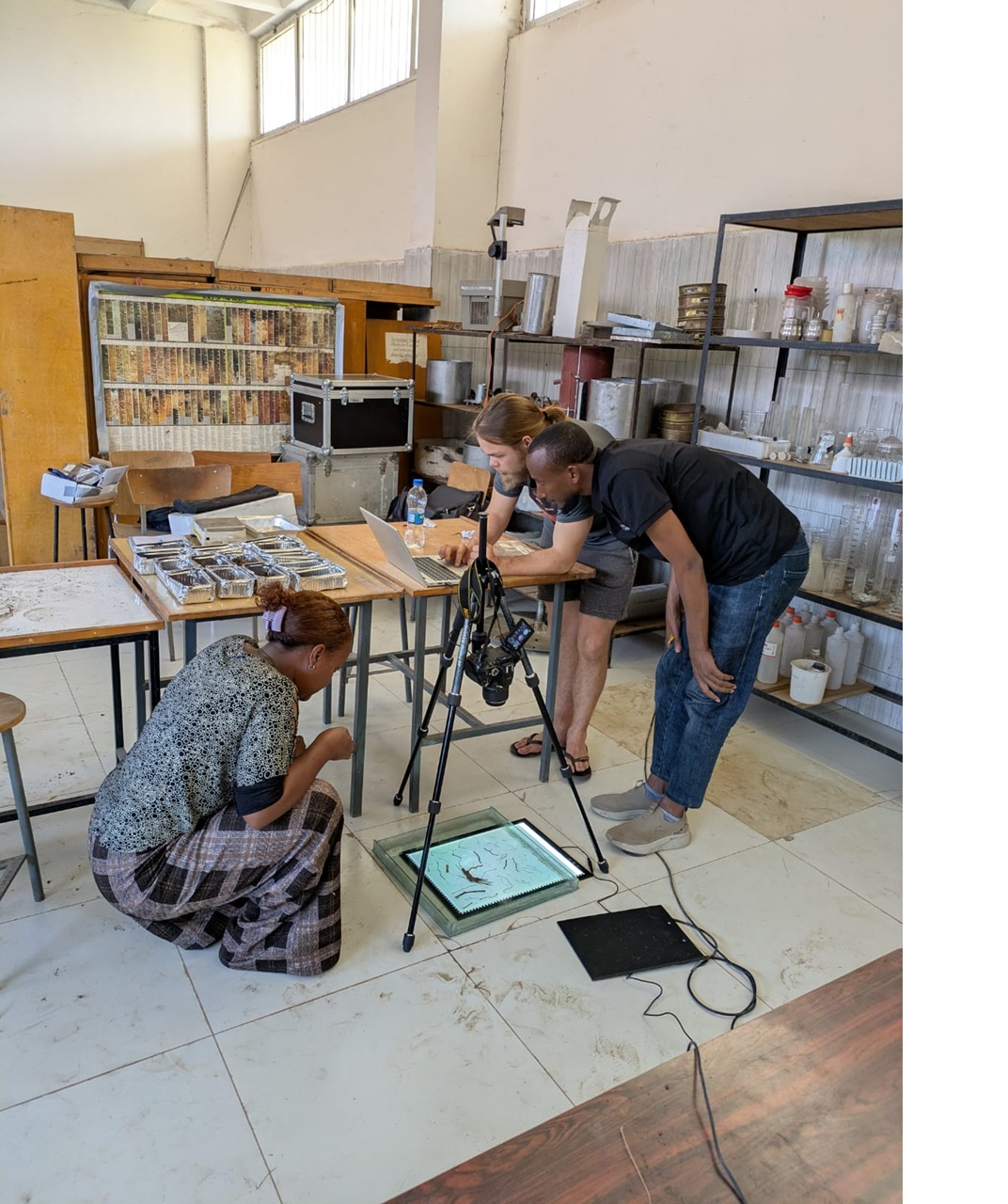
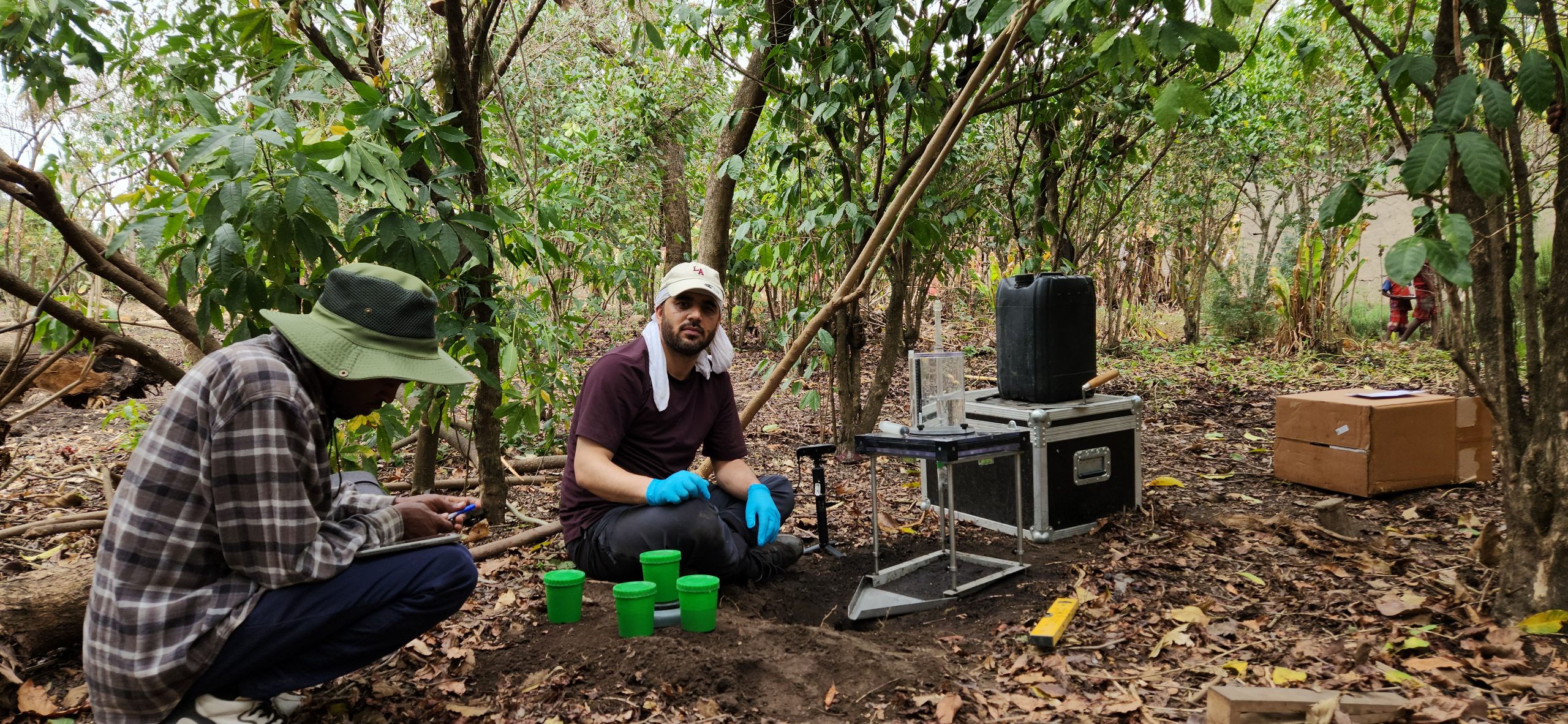
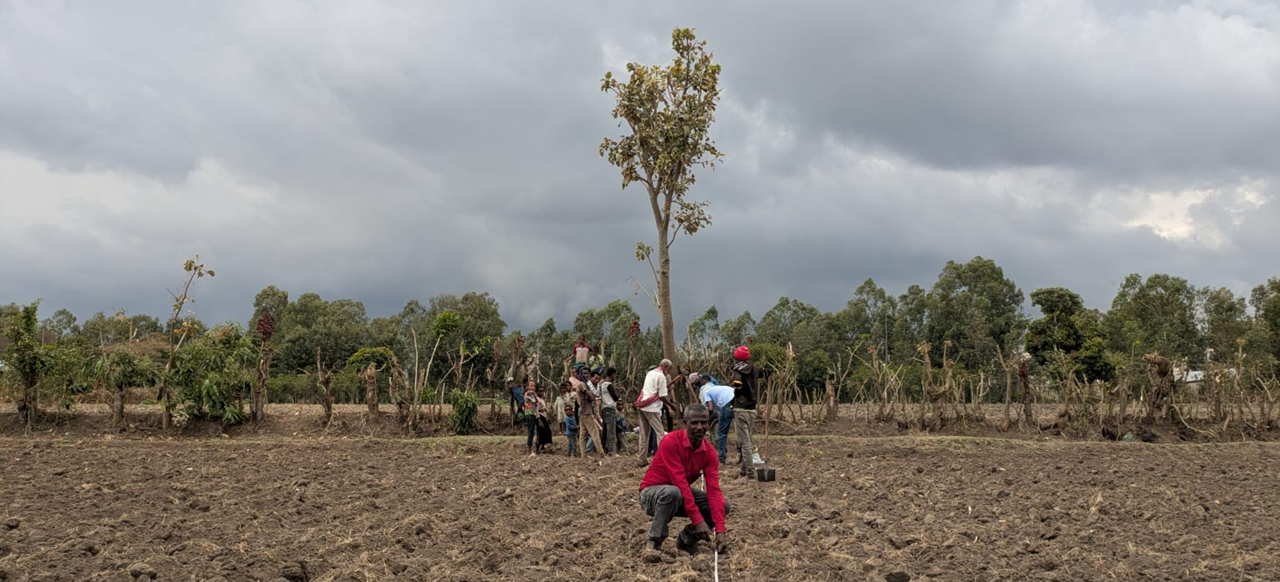
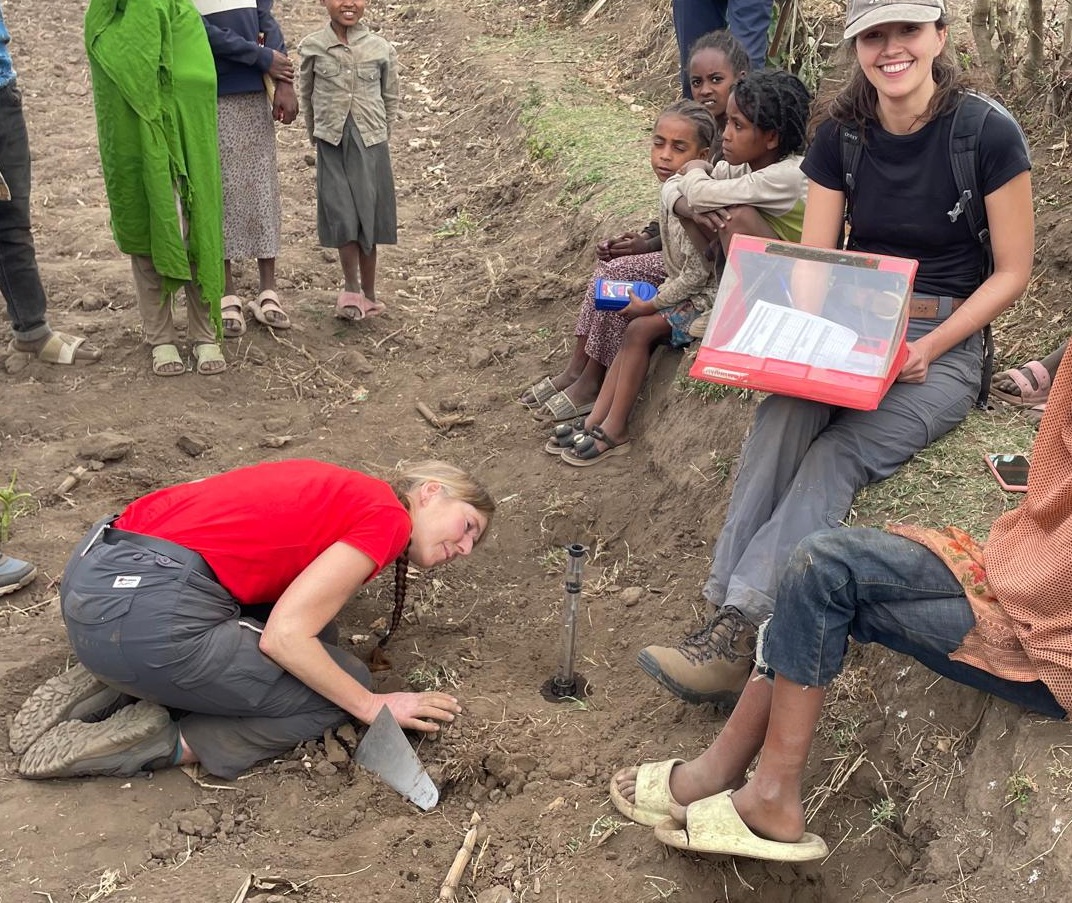
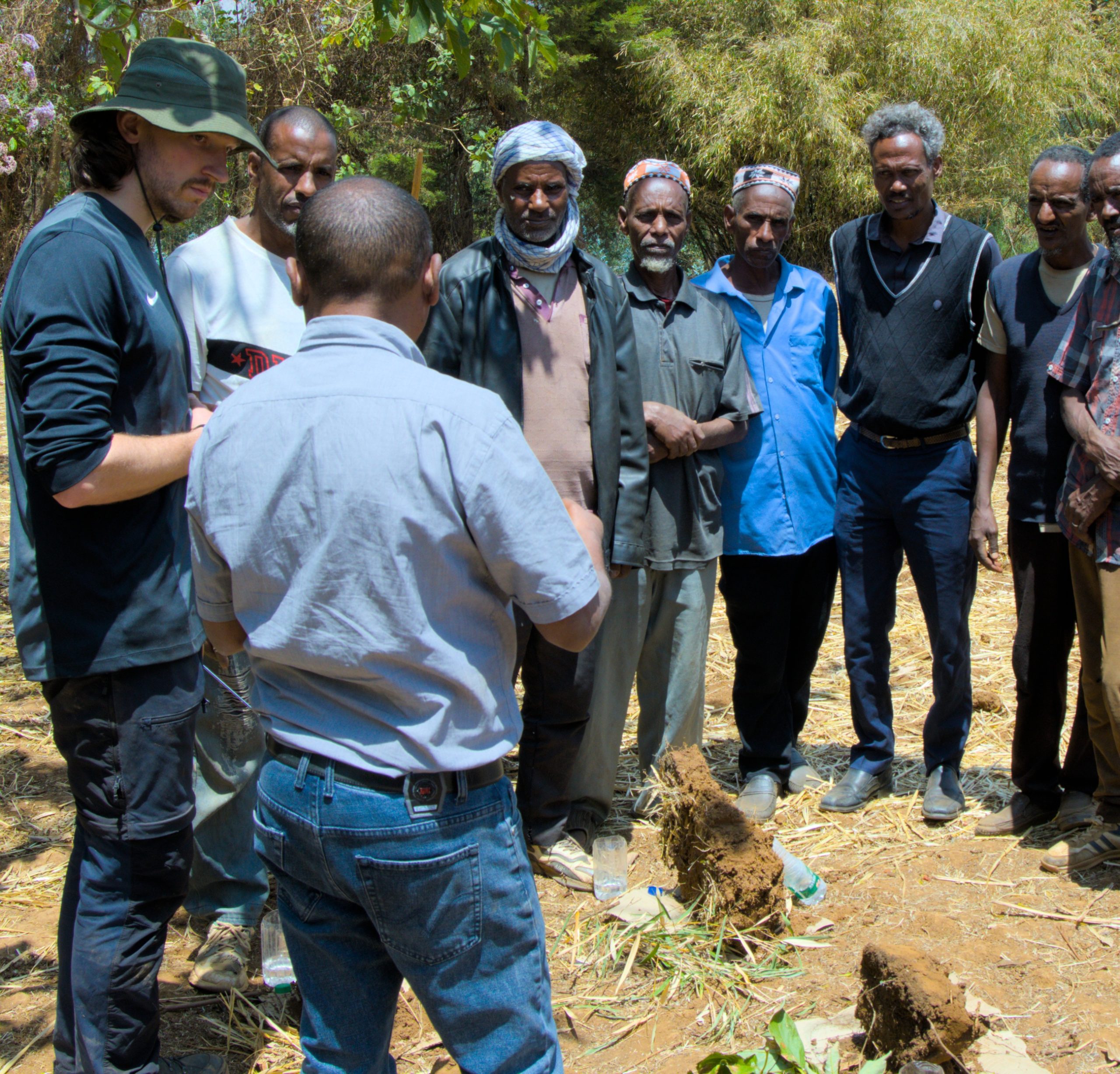
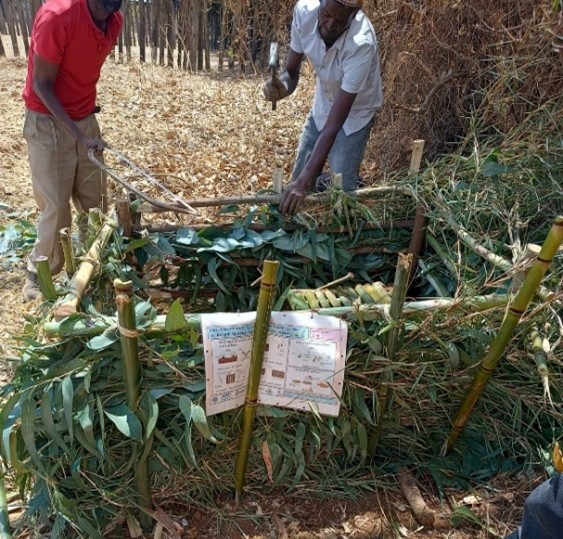
Across the portfolio we see these ideas in motion. In Colombia, the Gran Tescual Indigenous Reservation Climate Plan was proposed by Indigenous women, with research designed around community priorities – an example of devolved decision-making and recognition of rights. In Ethiopia, Multifunctional Agroforestry (ICRAF) is testing options with smallholder farmers in highland systems, adapting approaches as the work unfolds—flexible programming in practice.
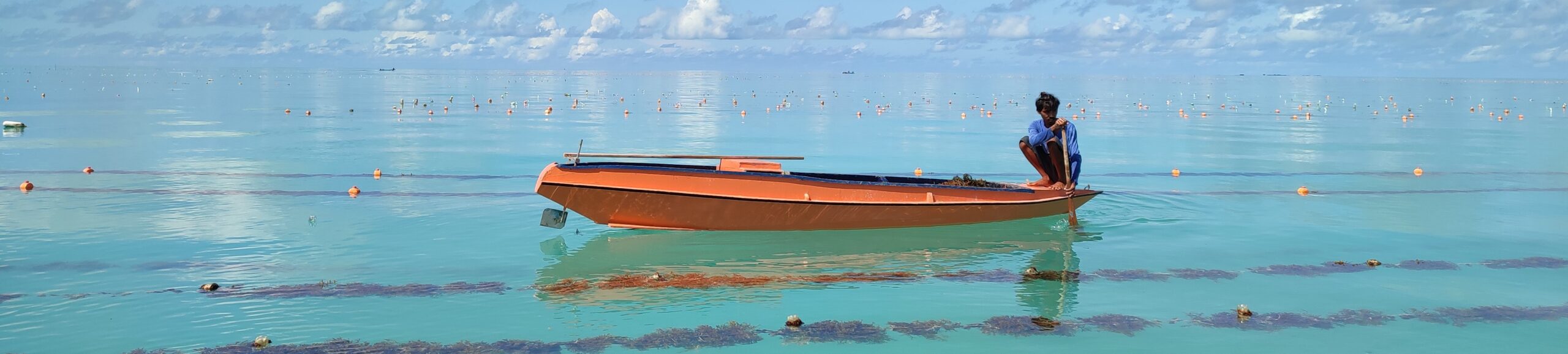
Along coasts, Translating Research into Action for Seagrass (WWF-UK) in Vietnam focuses on how evidence can inform local management and livelihoods, while GlobalSeaweed (SAMS) in Indonesia and Malaysia works with small-scale seaweed farmers on production, quality and market issues—joining up biodiversity aims with everyday economic realities.
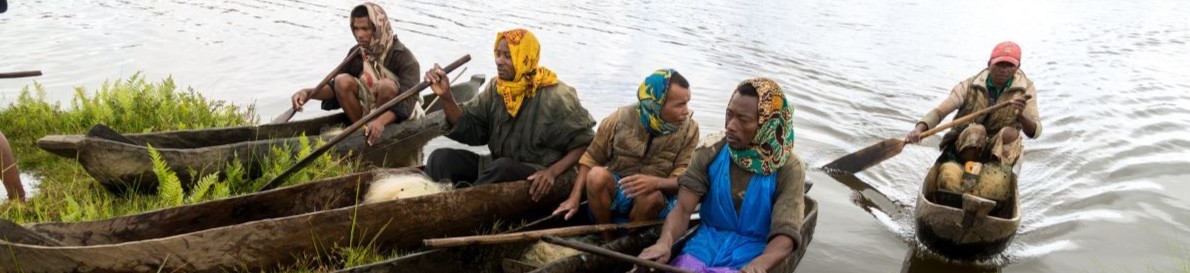
Projects also show what collaboration looks like across systems. Building Adaptive Fisheries Governance Capacity (University of Birmingham) in Uganda and Malawi works with agencies and communities on decision-making and learning cycles that can persist beyond any single project. In Kenya, Understanding Cherangani links to human wellbeing (Nature Kenya) brings together community forest associations and conservation actors to align protection with local needs.
Finally, BioOmo (University of Leeds) is examining biodiversity and climate resilience in the Omo–Turkana Basin, where understanding different knowledge systems, and making space for them, matters for policy and practice. Across these and other projects, the through-line is clear: when rights are respected, decisions shared, and multiple knowledges valued, biodiversity outcomes are more durable and benefits better distributed.
Hosting the Principles on the GCBC website is a small step. The real work is in how research projects are co- created, designed and delivered, and how people are treated along the way. We’ll continue to share stories and learning from across GCBC projects that show what inclusive nature action looks like in practice, and we welcome examples, thoughts and ideas from others doing the same.